Imagine turning your ordinary bookshelf into a secret passage that hides a special room or storage space. Installing a hidden door bookshelf is easier than you might think, and it adds a unique charm to your home.
If you’ve ever wanted to impress guests or create a private nook, this guide is made for you. You’ll learn step-by-step how to build your own hidden door that blends seamlessly with your walls. Keep reading, and soon you’ll have a clever, stylish feature that only you know about.
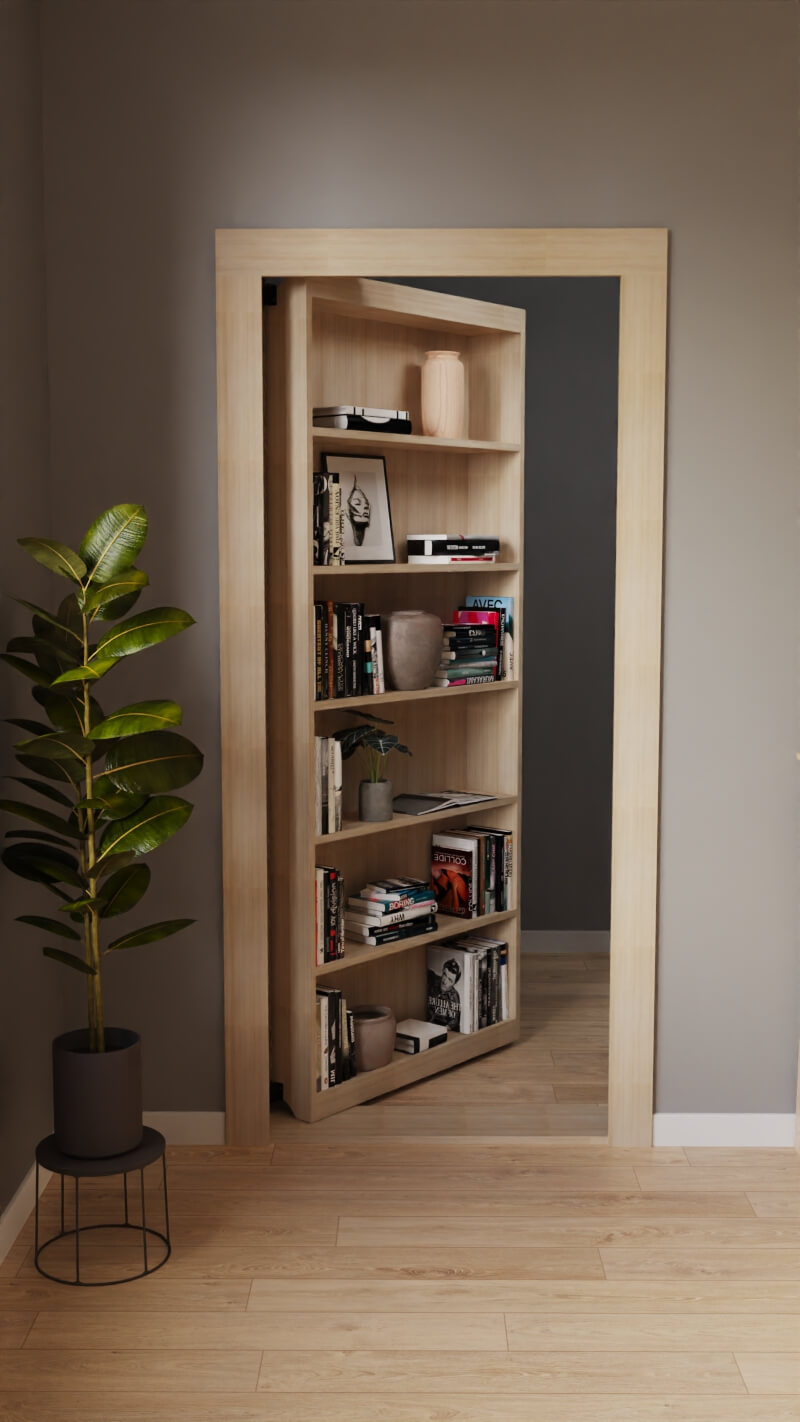
Credit: hiddendoorstore.com
Planning Your Hidden Door
Planning your hidden door is the first step to a successful project. It helps avoid mistakes and saves time. Careful planning ensures the door fits well and works smoothly. Think about how the door will look and function in your space. Consider the room layout and daily use. This planning stage sets the foundation for the rest of the installation.
Choosing The Location
Pick a spot that blends with the room’s design. The door should be easy to reach but not obvious. Look for a wall without pipes or wires inside. Check the space behind the wall for enough room to open the door. Avoid areas with heavy foot traffic to keep the door secret. A quiet corner often works best for a hidden door.
Measuring The Space
Measure the height and width of the wall carefully. Double-check measurements to avoid errors. Mark the exact place where the door will fit. Consider the thickness of the bookshelf and door frame. Leave extra space for hinges and handles. Accurate measuring helps the door close and open perfectly.
Selecting Materials
Choose strong wood for the bookshelf and door frame. Solid wood lasts longer and holds shelves well. Pick materials that match your room’s style and color. Use quality hinges and screws for smooth movement. Consider paint or stain to protect the wood. Good materials make the hidden door sturdy and beautiful.

Credit: www.youtube.com
Gathering Tools And Supplies
Gathering the right tools and supplies is the first step to install a hidden door bookshelf. This step makes the project smooth and safe. Having everything ready saves time and avoids frustration. A well-prepared workspace helps you focus on building your secret door.
Essential Tools
You need some basic tools to start. A power drill helps make holes quickly and easily. Screwdrivers, both flathead and Phillips, are necessary for screws. A tape measure ensures accurate cuts and placements. A level keeps the bookshelf straight and balanced. A saw is needed to cut wood to size. Sandpaper smooths rough edges for a neat finish. A pencil helps mark measurements clearly.
Required Hardware
Hardware is the backbone of your hidden door. Heavy-duty hinges support the door’s weight. Magnetic locks keep the door closed without visible handles. Cabinet handles or push latches act as triggers to open the door. Screws and bolts hold parts firmly in place. Wood glue adds extra strength to joints. Make sure to pick hardware that fits your door size and weight.
Safety Equipment
Safety must come first during installation. Safety goggles protect your eyes from dust and wood chips. Work gloves keep your hands safe from splinters and sharp tools. Ear protection reduces noise from power tools. A dust mask prevents you from breathing sawdust. Wear closed-toe shoes to avoid foot injuries. Keep a first aid kit nearby for emergencies.
Building The Bookshelf Frame
Building the bookshelf frame is a key step in creating your hidden door bookshelf. This frame provides the structure and strength needed to hold books and support the door mechanism. Take your time to ensure the frame is sturdy and square. A solid frame makes the entire project safer and more durable.
Cutting The Wood
Start by measuring the space where the bookshelf will fit. Use these measurements to mark your wood pieces. Cut the wood carefully using a saw. Make sure each piece is straight and smooth. Accurate cuts help the frame fit perfectly and look neat.
Assembling The Frame
Lay out the cut wood pieces on a flat surface. Join the pieces using wood screws or nails. Check that the corners form right angles. Use a carpenter’s square to verify this. Tighten all joints to make the frame strong. A firm frame prevents wobbling later on.
Adding Shelves
Decide how many shelves you want in the frame. Cut shelf boards to the right width and length. Attach them evenly inside the frame using screws or brackets. Leave enough space between shelves for your books. Secure shelves well to hold heavy items safely.
Installing The Door Mechanism
Installing the door mechanism is a key step in building a hidden door bookshelf. This step makes sure the door opens and closes perfectly. A well-installed mechanism keeps the secret door safe and easy to use. Follow these simple steps to install the door mechanism correctly.
Choosing The Hinge Type
Select hinges that fit the style and size of your door. Pivot hinges are common for hidden doors because they support heavy weight. Continuous hinges work well for large doors, spreading the load evenly. Choose hinges that allow smooth, quiet movement. The right hinge type improves door strength and durability.
Mounting The Hinges
Mark hinge positions on both the door and the frame. Use a level to keep hinges straight and aligned. Drill pilot holes before screwing hinges in place. Secure hinges tightly but avoid over-tightening. Attach hinges to the door first, then to the frame. Proper mounting prevents door sagging and ensures stability.
Ensuring Smooth Operation
Test the door by opening and closing it several times. Adjust hinge screws if the door sticks or rubs. Lubricate hinges with a small amount of oil for quiet movement. Check for gaps around the door edges and adjust if needed. Smooth operation keeps the hidden door both functional and secret.
Securing The Hidden Door
Securing a hidden door bookshelf is key to keeping your secret space safe and private. A well-secured door prevents accidental openings and keeps curious eyes away. This part of the installation ensures your hidden door blends into the room while staying firmly in place.
Adding Locks Or Latches
Start by choosing the right lock or latch for your door. Magnetic locks offer a hidden solution that works with a special key. Simple latches keep the door closed without drawing attention. Install these carefully to avoid affecting the door’s smooth movement. Test the lock or latch multiple times for reliability.
Camouflaging The Frame
Hide the door frame to keep the secret intact. Use trim that matches the rest of your bookshelf. Paint or stain the frame the same color as the shelves. This makes the door blend seamlessly into the wall. Proper camouflaging keeps the door unnoticed by guests.
Finishing Touches
Check for gaps around the door edges. Use weatherstripping or foam tape to seal small openings. This improves the look and keeps dust out. Add soft-close hinges to reduce noise when opening or closing. These small details make the hidden door feel like part of the room.

Credit: www.youtube.com
Testing And Adjustments
Testing and adjusting your hidden door bookshelf is a key step after installation. It ensures smooth operation and perfect fit. Small tweaks can make a big difference. This part will guide you through checking alignment, adjusting hinges, and final inspection.
Checking Alignment
First, see if the door lines up with the bookshelf frame. The edges should be even on all sides. Open and close the door slowly. Watch for any gaps or rubbing spots. Use a level tool to check if the door is straight. Mark any areas that need fixing.
Adjusting Hinges
Next, adjust the hinges to fix alignment problems. Loosen the screws slightly for movement. Move the door up, down, left, or right as needed. Tighten the screws once the door sits correctly. Test the door several times during this process. Make small changes to avoid over-adjusting.
Final Inspection
Finally, do a full check of the door and bookshelf. Open and close the door multiple times. Ensure it moves smoothly without sticking. Check that the door locks or seals properly if it has a latch. Look for any loose screws or parts. Fix these issues before finishing the project.
Frequently Asked Questions
How Do I Start Installing A Hidden Door Bookshelf?
Begin by measuring your wall space carefully. Gather materials like wood panels, hinges, and screws. Create a detailed plan to ensure proper alignment and smooth door operation. This foundation is crucial for a successful hidden door bookshelf installation.
What Tools Are Needed To Install A Hidden Door Bookshelf?
Essential tools include a drill, screwdriver, level, measuring tape, and saw. These tools help with precise cutting, securing hinges, and aligning the door perfectly. Having the right tools ensures a professional and smooth installation process.
How Can I Ensure The Hidden Door Is Secure?
Use strong hinges and a reliable locking mechanism. Reinforce the frame to support the door’s weight. Proper installation and quality materials prevent accidental openings and enhance security for your hidden door bookshelf.
What Materials Work Best For A Hidden Door Bookshelf?
Solid wood or plywood is ideal for durability and aesthetics. Choose materials that match your room decor and can support weight. Quality materials ensure the door blends seamlessly and functions reliably over time.
Conclusion
Installing a hidden door bookshelf adds charm and function to any room. It creates a secret space that blends with your decor. Follow the steps carefully to ensure safety and proper fit. Take your time and measure twice before cutting.
Use quality materials for strength and durability. This project can make your home unique and interesting. Enjoy the satisfaction of building something special with your own hands. A hidden door bookshelf is a clever way to save space and add style.