Have you ever wondered what those tiny metal or wooden pieces inside your bookshelf are for? These little parts, called pins, play a big role in keeping your shelves strong and steady.
If you want to make sure your bookshelf holds all your favorite books without wobbling or collapsing, understanding what pins are and how they work is essential. Keep reading, and you’ll discover how these small pieces can make a huge difference in the durability and safety of your bookshelf.
Types Of Bookshelf Pins
Bookshelf pins hold shelves firmly in place. They fit into small holes on the sides of the bookshelf. These pins come in different materials and styles. Each type has its own benefits and uses.
Metal Pins
Metal pins are strong and durable. They can support heavy shelves and books. These pins resist bending and breaking easily. They often have a smooth finish to slide in easily. Metal pins work well for heavy-duty bookshelves.
Plastic Pins
Plastic pins are lightweight and affordable. They are less strong than metal but still useful. Plastic pins come in various colors and shapes. They work well for light or decorative shelves. Plastic pins are easy to replace if damaged.
Wooden Pins
Wooden pins match wooden bookshelves nicely. They provide a natural and classic look. These pins are sturdy but can wear out over time. Wooden pins fit snugly in drilled holes. They are ideal for traditional or handmade shelves.

Credit: www.amazon.com
How Pins Support Shelves
Pins play a key role in holding shelves firmly in place. These small supports fit into holes on the bookshelf sides. They keep the shelf steady and prevent it from falling. Understanding how pins support shelves helps in building strong and safe furniture.
Weight Distribution
Pins help spread the shelf’s weight evenly across the sides. This balance stops the shelf from bending or breaking. Without pins, the shelf edges would bear too much load. Pins transfer weight to the bookshelf frame, making the shelf stable.
Pin Placement
Correct pin placement is important for shelf support. Pins should fit tightly in pre-drilled holes. They must be level and aligned on both sides. Placing pins too far apart weakens the shelf hold. Even spacing improves stability and helps shelves last longer.
Choosing The Right Pins
Choosing the right pins for your bookshelf is important. Pins hold the shelves in place and keep them steady. Using the wrong pins can cause shelves to fall or wobble. Knowing the size and material of pins helps pick the best ones for your shelf.
Size And Length
Pin size must match the shelf holes. Too small pins will not hold shelves well. Pins that are too long can damage the shelf or wall. Measure the diameter of the holes before buying pins. The length should be enough to support the shelf firmly.
Material Considerations
Metal pins are strong and last longer. They can support heavy books and items without bending. Plastic pins work for light shelves but may break under weight. Wood pins blend well with wooden shelves but are less common. Choose pins made of durable material for safety and support.
Credit: sawsonskates.com
Installing Bookshelf Pins
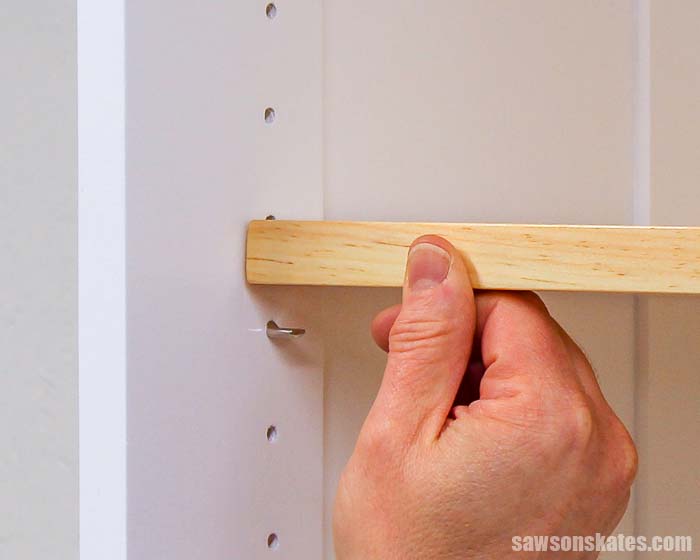
Installing bookshelf pins is a simple task that helps hold shelves firmly in place. These small pins fit into holes on the sides of the bookshelf. They support the weight of books and other items on the shelf.
Proper installation ensures the shelf stays stable and safe. The process requires only a few tools and easy steps. Anyone can do it with a little care and patience.
Tools Needed
- Bookshelf pins (usually metal or plastic)
- Measuring tape or ruler
- Drill with a small drill bit (optional)
- Hammer or small mallet (optional)
- Level (to check shelf balance)
Step-by-step Process
- Measure the height where the shelf should sit on the bookshelf sides.
- Mark the spot for each pin hole on both sides evenly.
- If holes are not pre-drilled, use a drill bit slightly smaller than the pins.
- Drill holes carefully at the marked points to avoid splitting the wood.
- Insert the pins into the holes gently. Tap with a hammer if needed.
- Place the shelf on the pins and check if it sits level.
- Adjust pin placement if the shelf is uneven or wobbly.
Common Problems With Pins
Bookshelf pins are small but vital parts. They hold shelves in place and support the weight of books. Problems with these pins can cause shelves to fall or sag. Knowing the common issues helps keep your bookshelf sturdy and safe.
Loose Pins
Loose pins often cause shelves to wobble or shift. Over time, pins may loosen due to frequent shelf adjustments or heavy loads. Loose pins can fall out, making the shelf unstable and unsafe.
Pin Damage
Pins can break or bend under pressure. Damaged pins lose their strength and cannot hold shelves properly. Using poor-quality pins or forcing them into wrong holes can cause damage quickly.
Preventing Shelf Sagging
Proper pin placement helps prevent shelves from sagging. Use pins made of strong materials like metal or thick plastic. Spread the weight evenly across the shelf to reduce pressure on any single pin.
Maintaining Shelf Stability
Maintaining shelf stability is important for a strong and safe bookshelf. Shelf pins hold the shelves in place and keep them from falling. Over time, pins can wear out or become loose, which affects the shelf’s strength. Regular care helps avoid accidents and keeps your bookshelf steady.
Regular Inspection
Check the shelf pins often. Look for any signs of bending, rust, or damage. Make sure pins fit tightly in their holes. Loose pins can cause shelves to wobble or collapse. Inspect shelves under weight to see if pins hold firm. Early spotting of problems prevents bigger issues later.
Replacing Worn Pins
Replace pins that show wear or damage right away. Use pins that match the size and type of your bookshelf. Avoid using old or broken pins as they reduce shelf support. Keep extra pins at home for quick fixes. Changing pins regularly keeps your shelves safe and stable.

Credit: www.scrumptiouscateringkc.com
Frequently Asked Questions
What Are The Pins Used For In A Bookshelf?
Pins in a bookshelf support the shelves by fitting into pre-drilled holes. They hold shelves securely and allow height adjustment. This flexibility helps customize storage space for different book sizes and keeps the shelves stable and balanced.
How Do Bookshelf Pins Work?
Bookshelf pins fit into small holes on the shelf sides. They act as pegs that hold the shelf boards firmly. By moving pins to different holes, you can easily change shelf heights for better organization and use.
What Materials Are Bookshelf Pins Made From?
Bookshelf pins are commonly made from metal, plastic, or wood. Metal pins offer durability and strength, while plastic pins are lightweight and cost-effective. Wooden pins blend aesthetically with wooden shelves but may wear out faster.
Can Bookshelf Pins Support Heavy Books?
Yes, metal and sturdy plastic pins can support heavy books. The shelf’s stability depends on pin material, size, and placement. Properly installed pins prevent shelves from sagging or collapsing under weight.
Conclusion
Shelf pins hold shelves firmly in place. They help adjust shelf height easily. Without pins, shelves would not stay stable. Choosing the right pins is important for safety. They come in different sizes and materials. You can install or replace pins without tools.
Pins keep your bookshelf organized and strong. Remember to check pins regularly for damage. Small parts, big impact. Bookshelf pins make a simple, useful solution.