Are you tired of cluttered entryways and misplaced coats? Building your own standing coat rack is easier than you think, and it can transform your space instantly.
Imagine having a stylish, sturdy rack that fits perfectly in your home and holds everything neatly. In this guide, you’ll discover simple steps to create a coat rack that not only looks great but also saves you time and frustration every day.
Ready to take control of your space and add a personal touch? Let’s dive in and make your coat rack dreams a reality.

Credit: www.instructables.com
Materials Needed
Building a standing coat rack requires a few simple materials. Gathering the right supplies helps the project go smoothly. Quality materials ensure your coat rack is strong and lasts long.
Wood Selection
Choose sturdy wood for your coat rack. Pine, oak, or maple work well. Pine is affordable and easy to shape. Oak and maple are harder and more durable. Pick wood with a smooth surface and few knots. This makes sanding and finishing easier. Cut the wood into pieces for the base, pole, and hooks.
Hardware And Tools
Use screws or wooden dowels to join parts. Screws hold firmly and are easy to remove. Dowels create a clean look without visible metal. Select hooks that fit your style and needs. Metal or wooden hooks both work well.
Gather basic tools: a saw, drill, screwdriver, sandpaper, and measuring tape. A wood glue helps secure joints. Safety gear like gloves and goggles protect your hands and eyes. Having all tools ready saves time during building.

Credit: www.youtube.com
Design Choices
Choosing the right design for your standing coat rack makes a big difference. It affects how well the rack fits your space and how useful it is. Design choices help you match the rack with your room’s style and needs. Think about what looks good and what works best for your home.
Style Options
Standing coat racks come in many styles. You can pick a classic wooden rack for a warm, natural look. Metal racks offer a modern, sleek feel. Some racks have simple lines, while others have decorative hooks or curved shapes. Choose a style that fits your room’s decor and personal taste. The right style makes your coat rack a part of the room’s charm.
Size And Dimensions
Size matters for a standing coat rack. Measure the space where you want to place it. Small racks fit well in tight spots like entryways or corners. Large racks hold more coats and bags but need more floor space. Also, consider the height. Taller racks keep coats off the floor and are easy to reach. Pick a size that balances space and storage needs.
Preparing The Wood
Preparing the wood is the first step in building a standing coat rack. It ensures your rack is strong and looks good. Careful preparation helps the wood last longer and hold weight without bending or breaking.
Measuring And Cutting
Measure the wood pieces carefully before cutting. Use a tape measure and mark the wood clearly. Cut the wood with a saw along the marks. Straight cuts make assembly easier and the rack more stable. Double-check each piece after cutting to ensure it matches your plan.
Sanding And Finishing
Sanding smooths rough edges and surfaces. Use sandpaper or a sanding block with medium grit first. Then, use fine grit sandpaper for a smooth finish. Sand all sides of each piece. Wipe off dust with a dry cloth. Apply a wood finish like paint or varnish. This protects the wood from moisture and wear. Let the finish dry completely before building the rack.
Assembling The Base
Building the base is the first step in making a standing coat rack. A strong base keeps the rack steady and safe. Focus on creating a solid foundation that holds weight well. Use the right tools and materials for the best results. The base needs to support the whole structure without wobbling.
Constructing The Support
Start by cutting the wood pieces to size. Use thick, sturdy wood to hold the rack. Join the pieces at right angles for firm support. Screws and wood glue work well for strong joints. Check the corners to keep them square. Let the glue dry fully before moving on.
Ensuring Stability
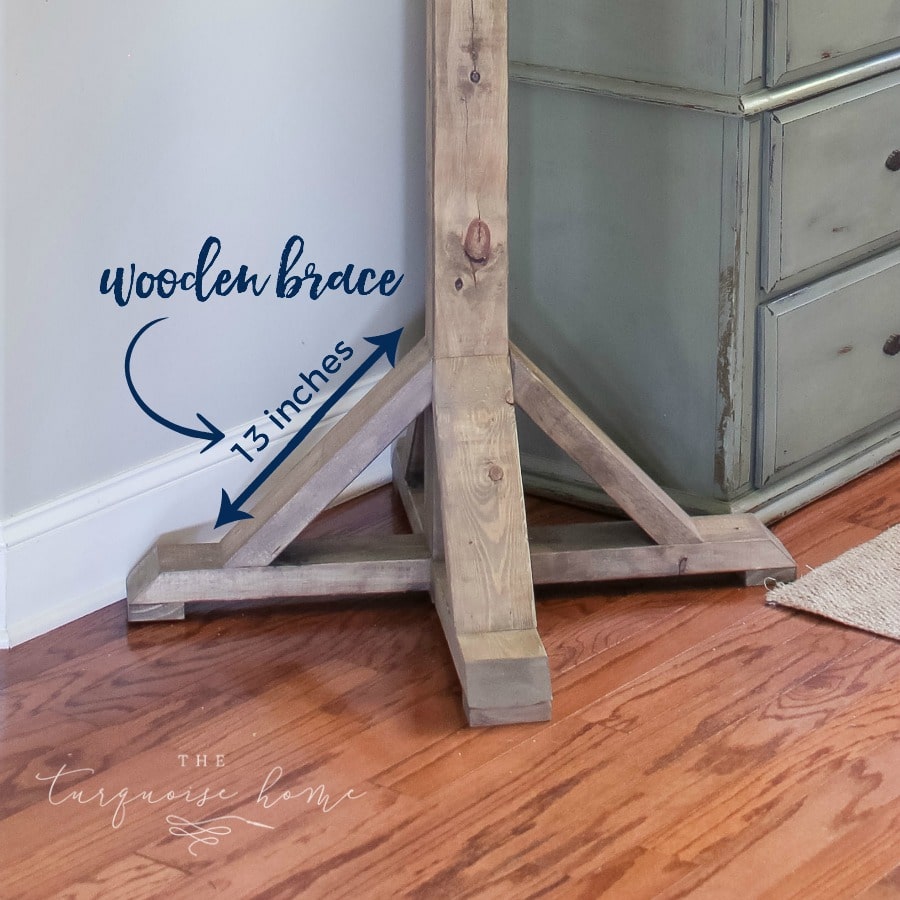
Place the base on a flat surface to test balance. Add extra support beams if the base rocks. Use rubber pads under the base for better grip. Tighten all screws to avoid loose parts. A stable base prevents the rack from tipping over. Stability means safety for you and your coats.
Building The Coat Hooks
Building the coat hooks is a key step in creating your standing coat rack. It gives the rack its function and style. Choosing the right hooks and placing them correctly helps keep coats organized and easy to grab. This part is simple but needs care and precision.
Focus on attaching the hooks firmly. Also, consider the space between each hook. Proper spacing avoids crowding and makes the rack look neat. Let’s explore these points in detail.
Attaching Hooks
Start by selecting strong hooks that fit your rack’s style. Use screws that match the hook size. Drill small pilot holes first. This prevents the wood from splitting. Screw each hook tightly. Check they do not wobble or move. Strong attachment supports heavy coats and bags. Test each hook by pulling gently after fixing it.
Spacing Tips
Measure the width of your coat rack board. Divide this by the number of hooks plus one. This gives even space between hooks and edges. Leave at least 6 inches between hooks. This space avoids coats overlapping. Consider the size of coats or hats users will hang. Larger items need more room. Mark spots with a pencil before drilling. Balanced spacing makes your rack both useful and attractive.
Final Assembly
The final assembly is the step where all parts come together. It shapes the standing coat rack into a sturdy and usable piece. Careful attention during this stage ensures durability and a neat finish.
Joining Base And Upright
Start by placing the base on a flat surface. Align the upright piece with the center hole of the base. Insert the connecting bolt through the base into the upright. Tighten the bolt with a wrench or screwdriver. Make sure the upright stands straight and firm.
Securing Components
Next, attach hooks or arms to the upright. Use screws that fit the pre-drilled holes. Tighten each screw to avoid wobbling. Check every connection for strength and stability. A solid coat rack will hold heavy coats without tipping.
Finishing Touches
Finishing touches give your standing coat rack a polished look. These steps protect the wood and make the rack last longer. They also bring out the natural beauty of the wood. Take your time to apply each layer carefully. A smooth finish makes a big difference in the final product.
Painting Or Staining
Choose paint or stain based on your style preference. Paint adds color and covers the wood grain. Stain highlights the wood’s natural patterns. Use a brush or cloth to apply evenly. Let each coat dry completely before adding the next. Light sanding between coats helps smooth the surface.
Protective Coating
Protective coating shields the wood from moisture and damage. Use clear varnish, polyurethane, or lacquer for durability. Apply thin, even layers with a clean brush. Allow each layer to dry fully before applying another. This coating keeps your rack looking fresh for years.
Maintenance Tips
Keeping your standing coat rack in good shape is key to its long life. Regular care stops wear and tear. It also keeps the rack looking fresh and neat. Simple steps help maintain its strength and style.
Cleaning
Dust the coat rack often with a soft cloth. Use a damp cloth to wipe off dirt or spills. Avoid harsh cleaners that can damage the finish. Dry the rack well after cleaning. This prevents moisture damage.
Repairing Minor Damage
Check the rack for small scratches or loose parts. Tighten screws to keep it stable. Use wood filler for tiny dents or cracks. Sand the area lightly and repaint if needed. These fixes prevent bigger problems later.
Credit: theturquoisehome.com
Frequently Asked Questions
What Materials Are Needed For A Standing Coat Rack?
You need wood or metal for the frame, screws, hooks, and a base. Sandpaper and paint improve the finish. Choose sturdy materials to ensure durability and stability.
How Long Does It Take To Build A Coat Rack?
Building a standing coat rack typically takes 2 to 4 hours. This depends on your skill level and the complexity of the design. Preparation and drying time for paint can add more time.
Can I Customize The Coat Rack Design?
Yes, you can customize the size, color, and number of hooks. Personalize it to fit your space and style. Custom designs add functionality and aesthetic appeal.
What Tools Are Required For Assembly?
Common tools include a drill, screwdriver, measuring tape, and saw. A level helps ensure the rack stands straight. Proper tools make the build safer and easier.
Conclusion
Building a standing coat rack is simple and rewarding. You only need basic tools and materials. Follow the steps carefully and take your time. A sturdy rack keeps your space neat and organized. It also adds a nice touch to your home.
Try customizing your coat rack with paint or decorations. Enjoy the satisfaction of creating something useful yourself. This project fits well with any room style. Keep practicing, and your skills will improve quickly. Start building today and see the difference it makes!