Are you thinking about adding a bunk bed ladder but unsure how wide it should be? Choosing the right width is more important than you might realize.
If it’s too narrow, climbing can feel unsafe and uncomfortable. Too wide, and it might take up extra space or look awkward. Finding the perfect balance can make a big difference in your daily comfort and safety. Keep reading, and you’ll discover exactly how wide your bunk bed ladder should be to fit your needs perfectly.

Credit: www.amazon.de
Ideal Ladder Width For Bunk Beds
The ideal ladder width for bunk beds is important for safety and comfort. A ladder too narrow can feel unsafe, while one too wide may take up too much space. Finding the right balance helps users climb easily and securely. This section explains the standard width measurements and factors that influence the ladder width choice.
Standard Width Measurements
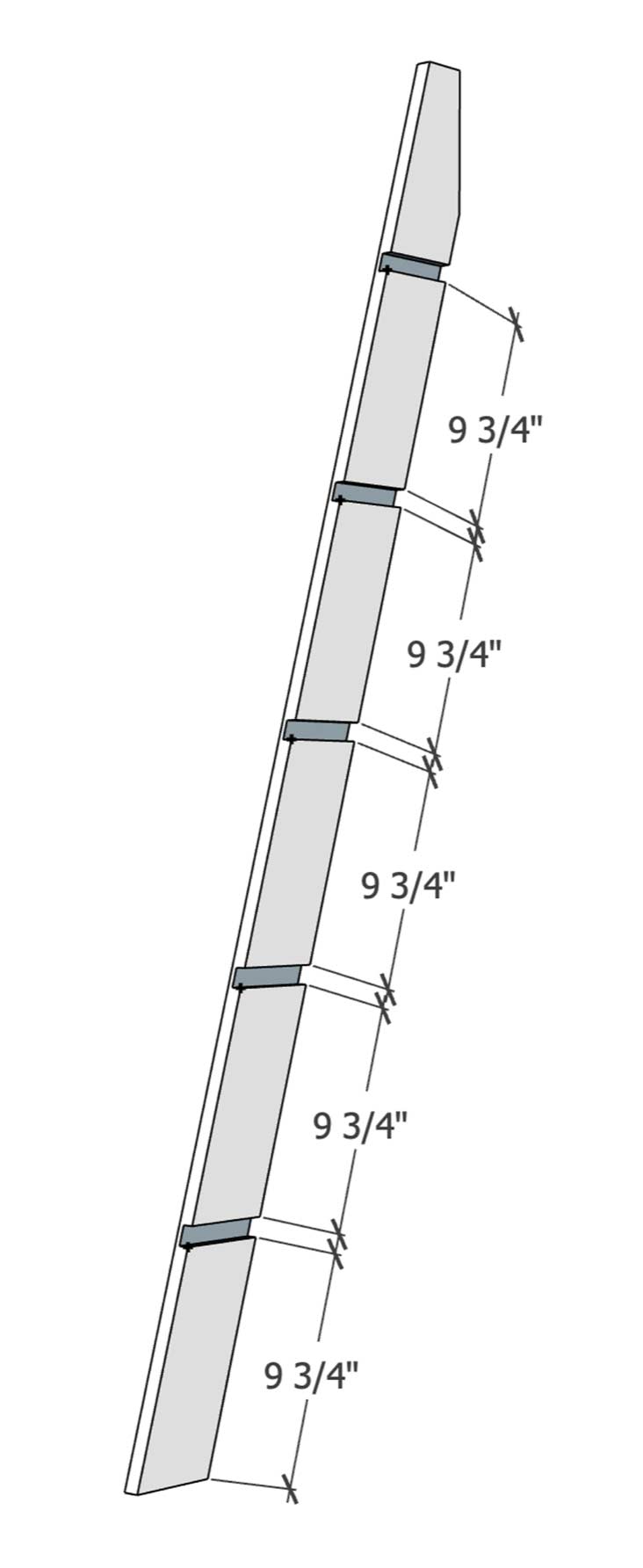
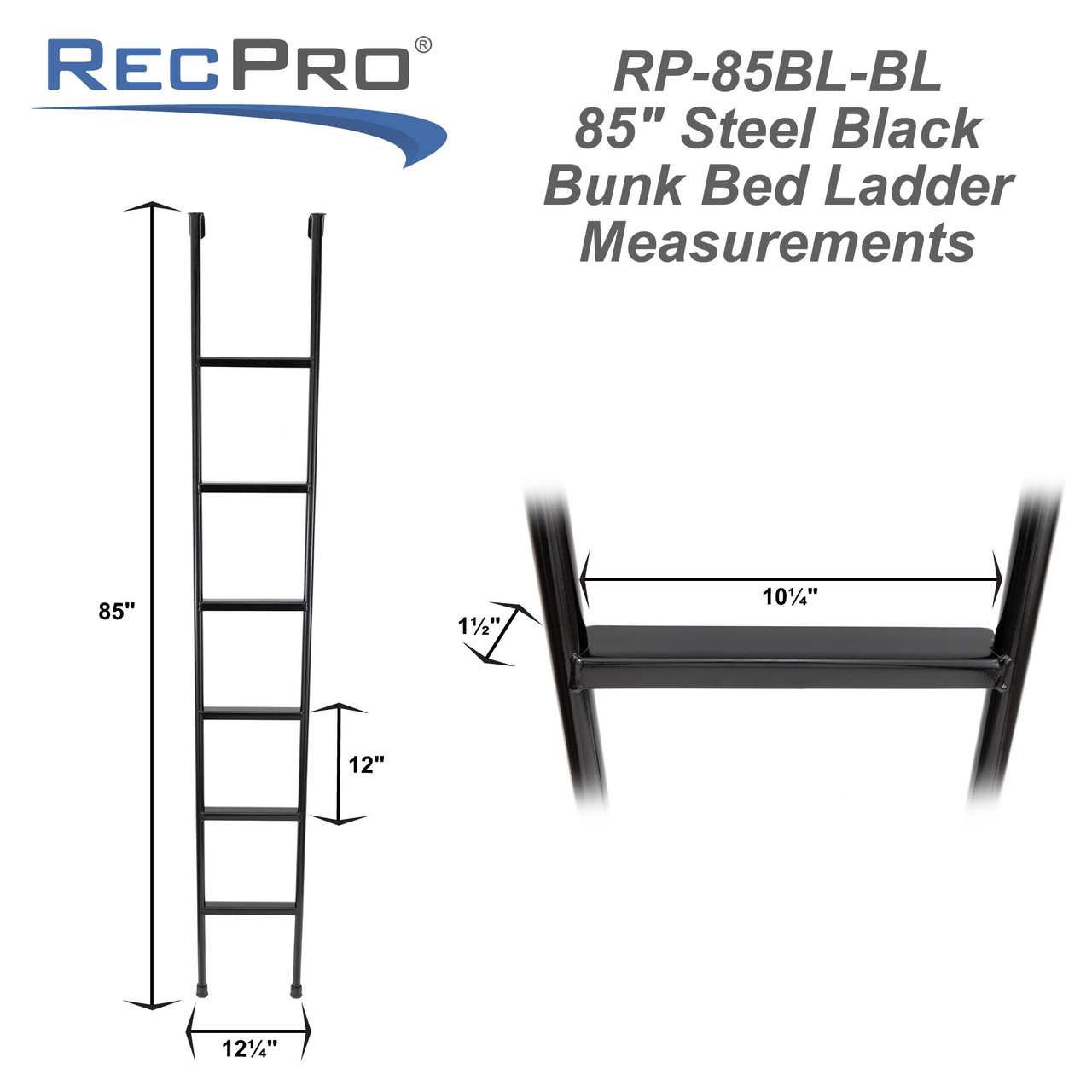
Most bunk bed ladders have a width between 12 and 16 inches. This size fits most users comfortably. A ladder 14 inches wide is common for children’s beds. Wider ladders up to 16 inches work better for adults or bigger spaces. Narrow ladders under 12 inches may feel tight and unstable. The width should allow enough room for feet and hands to grip firmly.
Factors Influencing Ladder Width
The ladder width depends on the age and size of users. Children need narrower ladders that match their smaller hands and feet. Adults need wider ladders for better balance and comfort. The space around the bed also affects the ladder size. Small rooms may need narrower ladders to save space. The ladder design and material can change the ideal width too. Stronger ladders may be slimmer but still safe. Choose a width that fits your needs and room size well.
Credit: precisionoptical.ca
Safety Standards And Regulations
Safety is the top priority when choosing the width of a bunk bed ladder. Following proper standards helps prevent accidents and injuries. Regulations guide the design and size of ladders to ensure they are safe for children and adults. Understanding these rules helps you pick the right ladder width for your bunk bed.
Building Codes For Ladder Dimensions
Building codes set rules for ladder sizes in bunk beds. They specify minimum and maximum ladder widths. These codes ensure ladders are wide enough for safe climbing. Narrow ladders can cause slips and falls. Most codes require ladders to be at least 12 inches wide. Some areas may have stricter rules. Always check local building codes before buying or building a ladder.
Recommendations From Safety Organizations
Safety groups also give advice on bunk bed ladder sizes. They suggest wider ladders for better stability and comfort. The American Academy of Pediatrics recommends ladders at least 12 inches wide. Wider ladders reduce the risk of falls. Handrails or side supports add extra safety. Following these tips helps keep children safe while climbing. Use ladders that meet these recommendations for peace of mind.
Material And Design Considerations
Choosing the right material and design for a bunk bed ladder is key to safety and comfort. The ladder must hold weight well and feel stable underfoot. Its width depends on the material used and how the ladder is shaped.
Choosing The Right Ladder Material
Wood and metal are popular choices for bunk bed ladders. Wood offers a warm look and feels sturdy. It often requires thicker steps for strength. Metal ladders can be slimmer but still strong. They resist damage from moisture better than wood. Plastic ladders are light but less durable. The material affects how wide the ladder needs to be for safety.
Impact Of Design On Ladder Width
The ladder’s design shapes its width needs. Straight ladders usually need more width for balance. Angled ladders can be narrower but must have a solid grip. Wide steps give more foot space and reduce slips. Narrow steps save space but feel less secure. Handrails also change the ladder’s width. Good design blends safety with fitting the room’s space.
Age And User Needs
Age and user needs play a key role in deciding the width of a bunk bed ladder. Different ages require different ladder sizes for safety and comfort. The ladder must be wide enough to support the user’s weight and size. This section explains how to adjust ladder width based on user age and size.
Adjusting Width For Children
Children need a ladder that feels safe and easy to climb. A narrow ladder can cause balance issues. A width of about 12 to 14 inches works well for most kids. This size fits small feet and allows a firm grip on the rungs. It also helps prevent slips during climbing. The ladder should not be too wide, or children might find it hard to reach the steps.
Accommodating Adults Or Larger Users
Adults and larger users need a wider ladder for comfort and safety. A ladder width of 16 to 18 inches suits most adults. This size offers enough space for bigger feet and steadier steps. Wider ladders reduce the risk of falling by providing more balance. It also makes climbing easier, especially for those who carry items up or down. Stronger materials often support heavier weights on wider ladders.
Installation Tips For Secure Ladders
Installing a bunk bed ladder safely is very important. A secure ladder prevents falls and injuries. Follow these simple tips for a strong and steady ladder. Focus on correct placement and firm support. These steps help keep the ladder in place and make climbing safe.
Proper Ladder Placement
Place the ladder at a slight angle for easy climbing. Avoid a ladder that is too steep or flat. Make sure the ladder base rests on a flat, hard surface. Keep the ladder close to the bunk bed frame. This reduces wobbling and keeps the ladder steady. Align the ladder rungs with the bed frame’s openings. Check that the ladder does not block room walkways.
Ensuring Stability And Support
Secure the ladder to the bunk bed frame using strong bolts or screws. Use metal brackets if the ladder is detachable. Tighten all fasteners to prevent movement. Add rubber pads under the ladder feet to stop slipping. Test the ladder by gently shaking it before use. Make sure the ladder does not wobble or shift. Regularly check the ladder for loose parts and fix them immediately.
Common Mistakes To Avoid
Choosing the right width for a bunk bed ladder is important for safety and comfort. Many people make mistakes that can cause problems later. These mistakes can make the ladder hard to use or unsafe. Avoiding these common errors helps you pick the best ladder width.
Paying attention to these details keeps the ladder strong and easy to climb. It also protects children and adults using the bunk bed every day.
Too Narrow Or Too Wide Ladders
A ladder that is too narrow feels unstable and hard to climb. It can make users lose balance easily. A ladder that is too wide takes up too much space. It can block the room or look awkward. Choose a ladder width that fits the bunk bed size well. This ensures safe and easy climbing.
Ignoring Weight Capacity
Every ladder has a weight limit. Ignoring this can cause accidents. A ladder that cannot hold enough weight may break or bend. Always check the weight capacity before buying or building a ladder. Make sure it can support the heaviest user. This keeps everyone safe and prevents damage.
Enhancing Ladder Safety
Safety is the top priority for any bunk bed ladder. A ladder that is too narrow or lacks safety features can cause falls and injuries. Enhancing ladder safety helps prevent accidents and gives peace of mind. Simple steps can make a big difference in how secure the ladder feels and works.
Adding Non-slip Features
Non-slip features stop feet from sliding off the ladder. Use rubber pads or textured tape on each step. These materials give better grip, especially with socks or bare feet. Non-slip steps reduce the risk of slipping during climbing or descending. This is important for children who may climb quickly or without care.
Using Handrails And Guardrails
Handrails give extra support for hands while climbing. They help balance and hold on tightly. Guardrails on the sides prevent falling off the ladder edges. Both handrails and guardrails add safety by giving secure points to hold. These rails are especially useful for younger kids or anyone with less confidence climbing.
Credit: minda.by
Frequently Asked Questions
How Wide Should A Bunk Bed Ladder Be?
A bunk bed ladder should be between 12 to 16 inches wide. This width offers a comfortable and safe grip for climbing without being too bulky or narrow.
Does Ladder Width Affect Bunk Bed Safety?
Yes, ladder width directly impacts safety. A wider ladder provides better stability and balance, reducing the risk of slips or falls during use.
What Is The Ideal Step Width For Bunk Bed Ladders?
The ideal step width is usually around 10 to 12 inches. This size allows enough space for feet to rest securely while climbing.
Can A Narrow Ladder Be Used For Bunk Beds?
Narrow ladders under 12 inches wide are not recommended. They can be uncomfortable and unsafe, increasing the chance of accidents.
Conclusion
Choosing the right width for a bunk bed ladder matters a lot. It keeps climbing safe and easy for everyone. Too narrow makes it hard to climb. Too wide wastes space and feels awkward. Aim for a ladder wide enough to fit feet comfortably.
Think about who will use the ladder most often. Kids need a different size than adults. Measure carefully before buying or building. This small step can make a big difference in safety and comfort. A good ladder width helps everyone enjoy the bunk bed better.