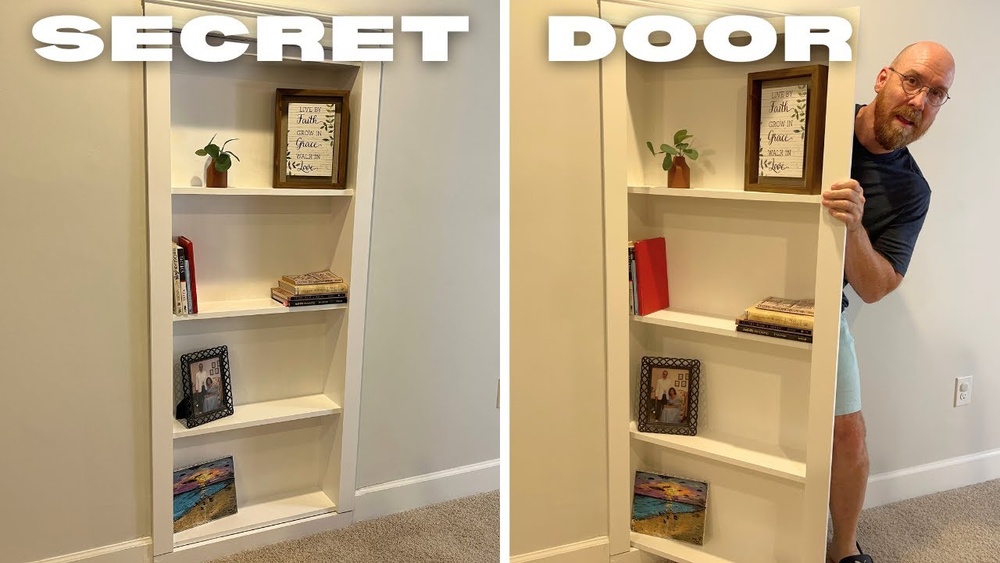
Are you tired of flimsy shelves that wobble and fail to hold your favorite books? Building a sturdy bookshelf can be easier than you think, and it gives you a reliable place to organize your collection.
Imagine having a shelf that not only looks great but also supports your books safely for years to come. In this guide, you’ll discover simple steps and smart tips to create a strong, durable bookshelf tailored to your space and style.
Ready to transform your room and keep your books secure? Let’s get started!
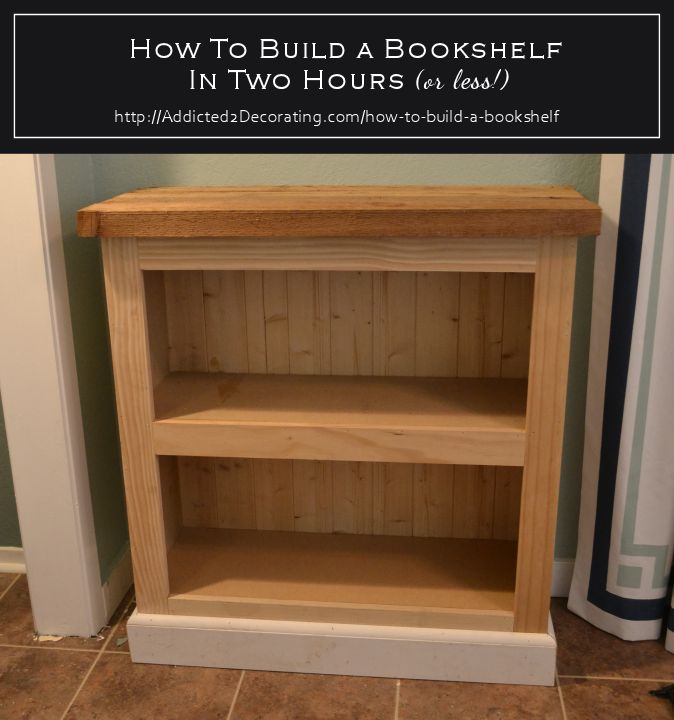
Credit: www.addicted2decorating.com
Choosing The Right Materials
Choosing the right materials is the first step in building a sturdy bookshelf. The strength and durability depend on the wood and hardware you pick. Using poor materials can lead to weak shelves that bend or break easily. This section helps you understand what wood and tools suit your project best.
Selecting Quality Wood
Wood type affects the strength and look of your bookshelf. Solid hardwoods like oak, maple, and cherry are strong and last long. Pine is softer but easier to work with and less expensive. Avoid particleboard or MDF for heavy shelves, as they can sag under weight.
Check the wood for cracks, knots, or warping. These flaws weaken the structure. Choose straight, smooth boards with consistent thickness. This ensures your shelves hold books without bending.
Recommended Tools And Hardware
Good tools make building easier and more precise. Use a saw that cuts cleanly and safely. A drill helps make strong screw holes. Sandpaper smooths edges to avoid splinters.
For hardware, select sturdy screws and brackets. Use screws long enough to hold pieces firmly together. Metal brackets add extra support to shelves that carry heavy books. Quality hardware prevents wobbling and extends shelf life.
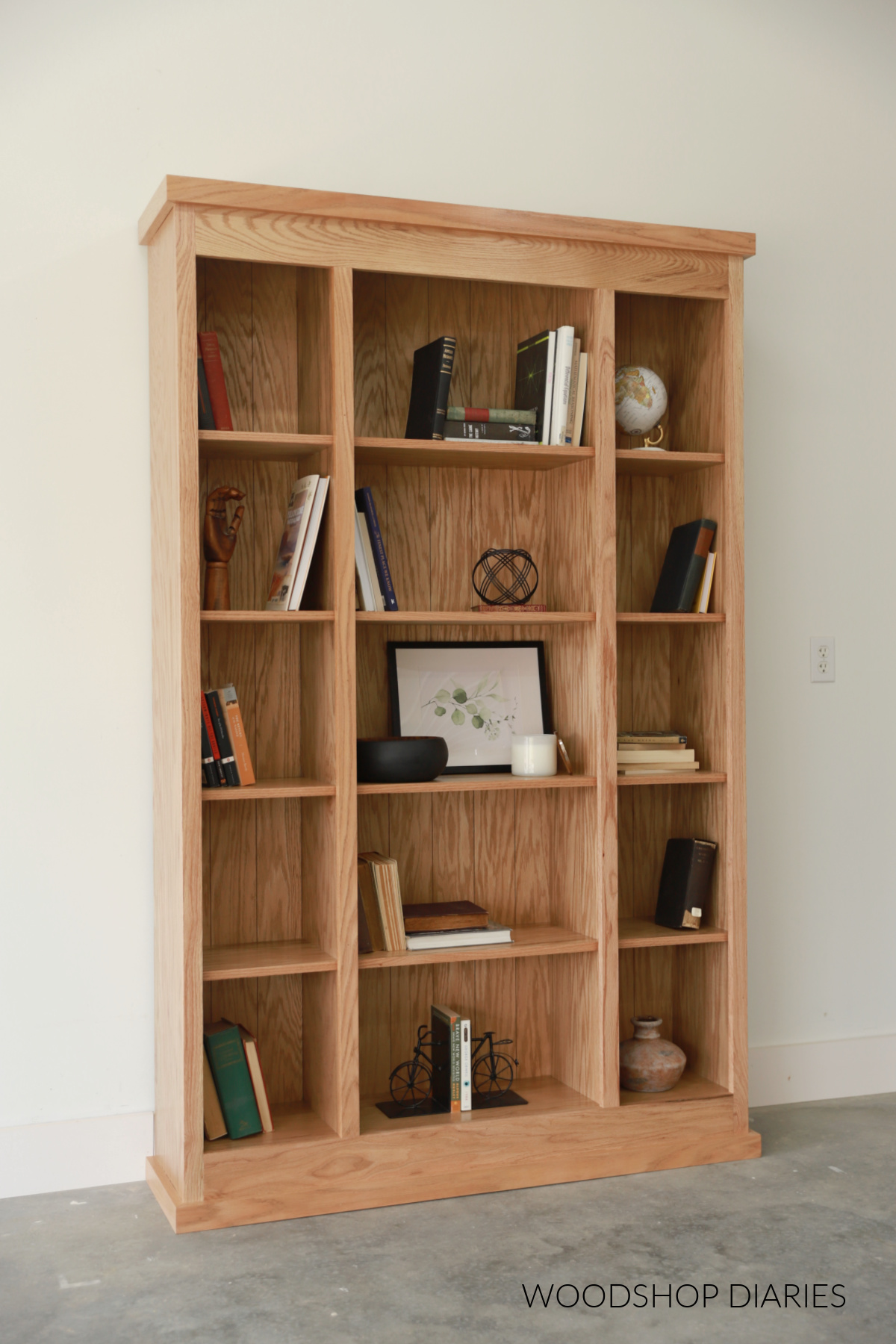
Credit: www.woodshopdiaries.com
Planning Your Bookshelf Design
Planning your bookshelf design is the first step in building a strong and useful piece. It helps you avoid mistakes and saves time. Good planning makes sure the bookshelf fits your space and holds all your books well.
Think about where you want to place the bookshelf and how much space it should take. Consider the height, width, and depth. Write down your ideas before starting the build.
Determining Size And Dimensions
Measure the wall or corner where the bookshelf will stand. Leave some space around it for easy access. Decide how tall the bookshelf should be. Make sure the shelves are deep enough for your largest books.
Think about how many shelves you need. Plan the distance between shelves based on the size of your books. Check that the overall size fits your room without blocking doors or windows.
Sketching A Simple Blueprint
Draw a basic sketch of your bookshelf on paper. Start with a rectangle for the frame. Add lines inside for shelves. Mark the height and width on your drawing.
Use the sketch to plan shelf spacing and support points. Keep the design simple to make building easier. This blueprint guides you through cutting and assembling parts.
Cutting And Preparing Wood
Cutting and preparing wood is an important step in building a sturdy bookshelf. This stage ensures the wood pieces fit well together and hold strong. Careful cutting helps avoid weak joints and uneven shelves.
Good preparation makes assembly easier and the final product more durable. It also saves time and reduces mistakes during construction.
Measuring And Marking
Start by measuring the wood pieces carefully. Use a tape measure for precise lengths. Mark each cut line clearly with a pencil. Double-check your marks before cutting. Accurate marks keep the shelves even and balanced.
Measure twice, cut once. This simple rule helps prevent waste and errors. Make sure to mark both sides of the wood for straight cuts.
Safe Cutting Techniques
Use the right saw for your wood type and thickness. Keep your hands away from the blade. Wear safety glasses to protect your eyes. Cut slowly and steadily to avoid splinters and mistakes.
Secure the wood firmly with clamps before cutting. This prevents movement and helps produce clean edges. Always follow safety instructions for your tools. Safety first keeps your project smooth and injury-free.
Assembling The Frame
Building a sturdy bookshelf starts with a strong frame. The frame holds all shelves and supports the weight of your books. Careful assembly ensures durability and stability.
Take your time to fit the parts correctly. A well-assembled frame lasts longer and stays steady on any floor.
Joining Side Panels And Shelves
Start by aligning the side panels with the shelves. Make sure all edges are flush and square. Use clamps to hold pieces in place while working. Check that shelves sit level and parallel to the floor. This step forms the basic shape of your bookshelf.
Using Screws And Wood Glue
Apply wood glue on the edges before joining. This creates a strong bond between parts. Next, drill pilot holes for screws to avoid wood splitting. Insert screws carefully and tighten them. Screws add extra strength and keep shelves secure. Let the glue dry fully for the best hold.
Reinforcing For Strength
Reinforcing a bookshelf is key to making it last long and hold heavy books. Strength comes from solid design and careful construction. Weak shelves bend or break easily. Adding extra support helps the bookshelf stay firm and safe.
Adding Braces And Supports
Braces add extra strength to the frame. Use metal or wooden braces at the back corners. They stop the shelf from wobbling side to side. Place braces on the top, bottom, and middle sections for best support. Angle braces work well for heavy loads. Simple L-shaped braces are easy to install with screws. They keep shelves straight and steady.
Securing Joints Firmly
Strong joints hold everything tightly together. Use screws instead of nails for better grip. Drill pilot holes to avoid splitting the wood. Glue the joints before screwing to add more hold. Tight joints stop the shelf from shaking or falling apart. Check all corners and shelves to make sure they fit snugly. Tightening loose parts keeps the bookshelf safe and sturdy.
Finishing Touches
Finishing touches make your bookshelf look polished and last longer. These steps protect the wood and highlight its natural beauty. Proper finishing also ensures your shelf stays strong and safe to use.
Sanding And Smoothing Surfaces
Start by sanding all surfaces with fine-grit sandpaper. This removes rough spots and splinters. Sand along the wood grain for the best results. Wipe away dust with a damp cloth after sanding. Smooth surfaces help paint or stain stick better. Take your time to create an even finish.
Applying Paint Or Stain
Choose paint or stain that matches your room style. Use a brush or cloth to apply thin, even coats. Let each coat dry fully before adding the next. Stain enhances wood grain and gives a natural look. Paint provides more color options and hides flaws. Seal with a clear topcoat for extra protection.
Maintaining Your Bookshelf
Maintaining your bookshelf helps it stay strong and last longer. A well-kept shelf holds books safely and looks nice in any room. Small efforts in cleaning and checking can stop big problems later. Regular care keeps the wood in good shape and prevents damage.
Regular Cleaning Tips
Dust the bookshelf every week with a soft cloth. Use a dry or slightly damp cloth to avoid water damage. Clean all corners and edges to remove hidden dust. Avoid harsh chemicals that can harm the wood finish. Wipe spills immediately to prevent stains.
Checking For Wear And Tear
Look for loose screws or nails and tighten them. Check shelves for cracks or bends under heavy weight. Inspect joints where pieces connect for any gaps or weakness. Replace or repair damaged parts to keep the shelf stable. Regular checks prevent accidents and keep your books safe.
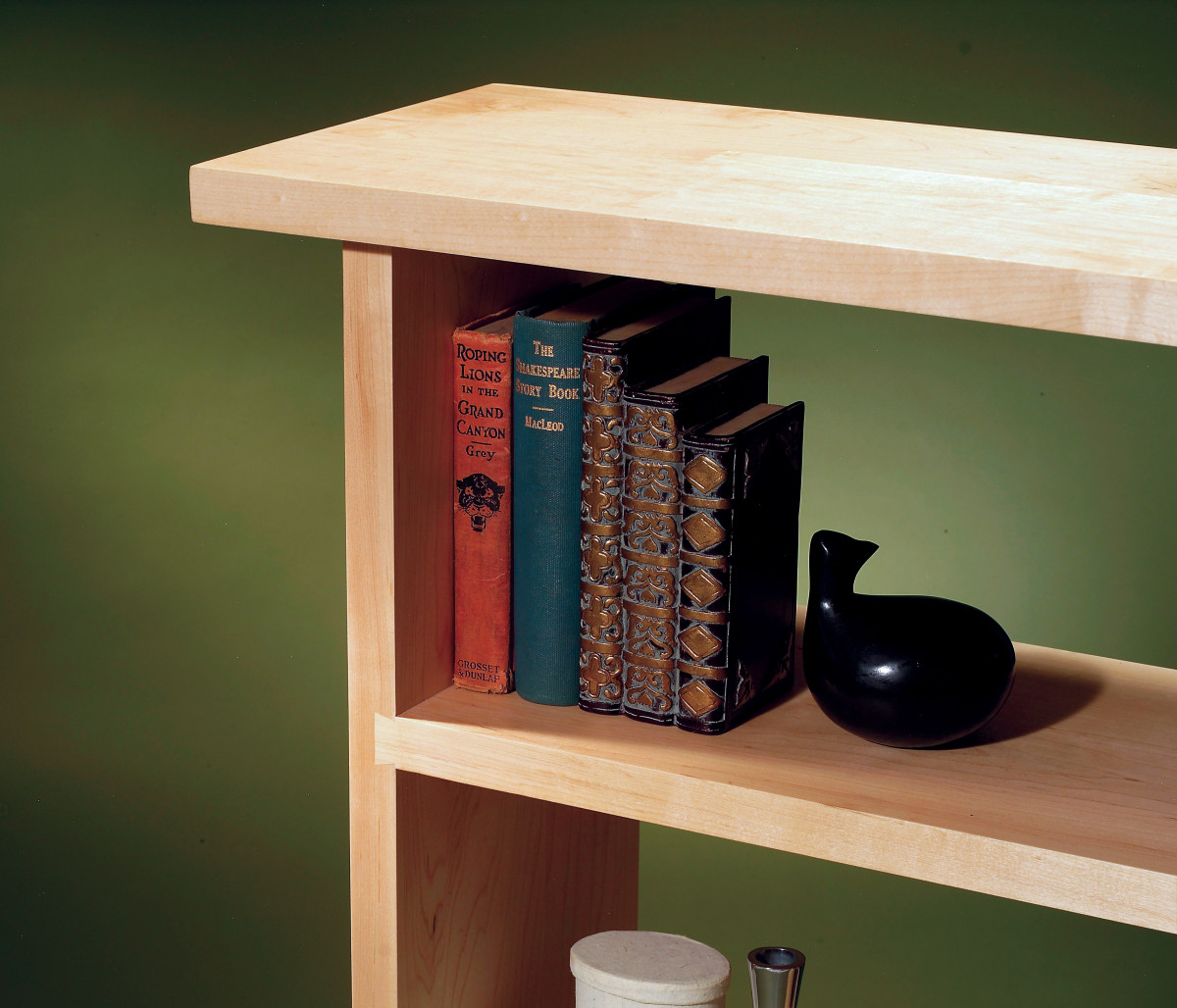
Credit: www.popularwoodworking.com
Frequently Asked Questions
What Materials Are Best For A Sturdy Bookshelf?
Using hardwood like oak or maple ensures durability. Plywood with a solid veneer also offers strength. Avoid softwoods that may warp or break under weight. Quality screws and wood glue enhance sturdiness further.
How Do I Prevent My Bookshelf From Wobbling?
Secure shelves firmly with brackets or screws. Use a level to ensure even assembly. Attach the bookshelf to the wall for extra stability. Proper weight distribution on shelves reduces wobbling risk.
What Tools Are Essential For Building A Bookshelf?
You need a drill, screwdriver, measuring tape, and level. Sandpaper smooths rough edges, while clamps hold pieces during assembly. A saw is necessary for cutting wood to size accurately.
How Much Weight Can A Homemade Bookshelf Hold?
Weight capacity depends on wood type and shelf thickness. A sturdy bookshelf can hold 50 to 100 pounds per shelf. Proper bracing and secure mounting increase the load capacity.
Conclusion
Building a sturdy bookshelf takes time and care. Choose strong materials and measure twice. Use the right tools to ensure each part fits well. Tighten screws firmly for better strength. Keep shelves level to avoid wobbling. Check your work often during assembly.
A solid bookshelf holds books safely and looks great. Enjoy the satisfaction of making something useful with your own hands. Simple steps lead to a durable and neat bookshelf. Now, your space feels more organized and stylish.