Do you ever open your bookshelf only to find your books tumbling over, creating a messy pile? It’s frustrating when your carefully arranged collection looks chaotic.
But what if you could keep every book standing tall and neat with just a few simple tricks? Imagine walking up to your shelf and seeing your books perfectly in place, making your space feel calm and organized. You’ll discover easy and effective ways to stop your books from falling over, so your shelf always looks its best.
Keep reading, and you’ll never have to deal with messy books again!
Credit: www.notjustahousewife.net
Choose The Right Shelf
Choosing the right shelf is key to keeping books upright and neat. A good shelf holds books firmly without crowding or leaving too much space. The right shelf size and style prevent books from tipping over and help your collection look tidy.
Consider the shelf’s height and depth carefully. These two factors affect how well your books fit and stay in place. A well-chosen shelf supports your books, making your space more organized and pleasant.
Adjust Shelf Height
Set the shelf height to match the size of your books. Tall books need taller shelves. Shorter shelves work well for paperbacks and small books. Adjusting height stops books from leaning or falling.
Some shelves allow easy height changes. Move them up or down to fit your collection perfectly. This keeps books snug and steady. Proper height adjustment keeps shelves neat and books safe.
Consider Shelf Depth
Choose shelves deep enough to hold books fully. Shallow shelves cause books to stick out or fall. Deep shelves give books a solid base to stand on.
Make sure the shelf depth matches your book sizes. Too deep can waste space, too shallow can cause instability. The right depth keeps books secure and easy to access.
Use Bookends Effectively
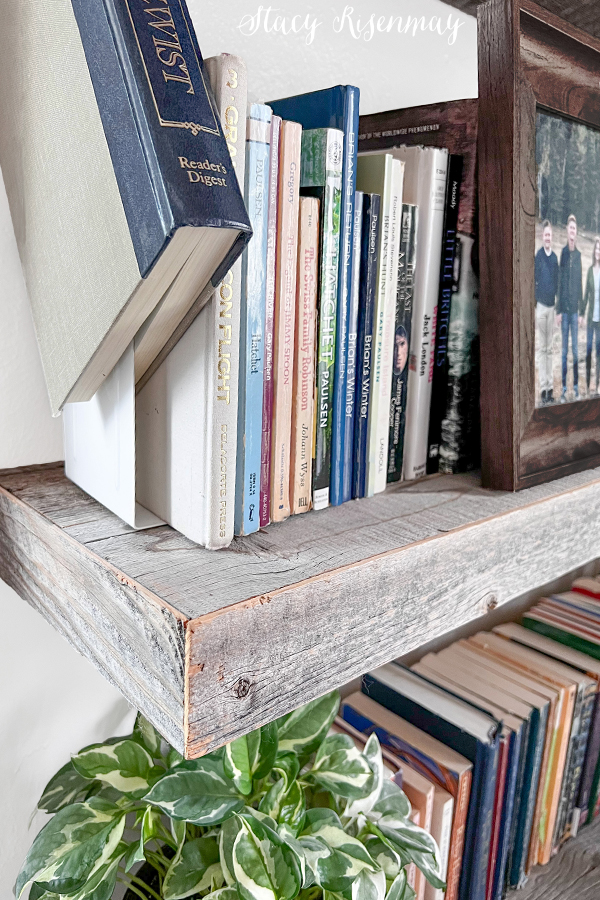
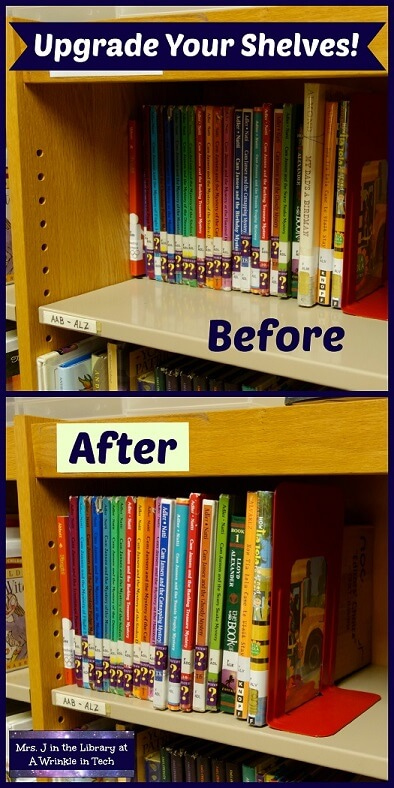
Using bookends is a simple and effective way to keep books upright on your shelf. They stop books from tipping over and create neat rows. Bookends also add style and personality to your bookshelf.
Types Of Bookends
Metal bookends are strong and often have a modern look. Wooden bookends offer a classic feel and can be painted or carved. Acrylic bookends are clear and subtle, blending well with any decor. Decorative bookends come in many shapes, like animals or geometric designs, making your shelf unique.
Placement Tips
Place bookends at the ends of your book rows to hold them steady. For long shelves, use multiple bookends along the row. Make sure bookends are heavy enough to support the weight of your books. Position bookends on a flat surface to avoid slipping. Adjust the books to lean slightly against the bookends for extra support.
Organize By Size And Weight
Organizing books by their size and weight helps keep shelves stable. This method stops books from leaning or falling over. It also makes your shelf look neat and tidy. Proper arrangement means you use space well and protect books from damage.
Arrange Tallest Books First
Place the tallest books on one side of the shelf. This creates a strong base to support other books. Tall books stand firm and prevent smaller books from tipping. Arrange books from tallest to shortest for a smooth look. This order helps keep the shelf balanced and neat.
Balance Heavy And Light Books
Mix heavy and light books evenly across the shelf. Avoid putting all heavy books in one spot. Spread weight to prevent the shelf from sagging or tipping. Light books fill gaps and keep the shelf stable. This balance protects your books and shelf frame.
Credit: mrsjinthelibrary.com
Add Support Between Books
Adding support between books helps keep them upright and neat. It stops books from leaning or falling over. This makes your bookshelf look tidy and organized. Small supports fill the gaps and hold books steady. You can use objects you already have or make your own supports.
Use Decorative Objects
Decorative objects make great book supports. Items like small statues, vases, or framed photos add style. They fit between books and hold them in place. Choose objects that are heavy enough to support books. This way, your shelf stays stable and looks nice. Decorative objects also add a personal touch to your space.
Diy Book Supports
Making your own book supports is easy and fun. Use materials like wood blocks, bricks, or heavy boxes. Paint or decorate them to match your room. DIY supports can be any size or shape you need. This keeps books from falling and adds unique charm to your shelf. It’s a budget-friendly way to organize your books.
Secure Shelves To Walls
Securing bookshelves to walls is an effective way to stop them from tipping over. This simple step keeps shelves steady and holds books safely in place. It also helps protect your walls and floors from damage caused by falling furniture.
Many shelves wobble or shift when bumped. Attaching shelves firmly to the wall prevents this movement. This method works well for tall and heavy bookcases, which are more likely to fall.
Prevent Shelf Movement
Use brackets or metal straps to fix shelves to wall studs. Choose hardware that matches the shelf weight and wall type. Tighten screws securely to avoid any looseness. Small shifts can cause books to fall. A stable shelf stays in place, protecting your books and room.
Safety Considerations
Always check for electrical wires and pipes before drilling. Use a stud finder to locate safe spots to attach shelves. Follow manufacturer instructions for brackets and anchors. Secure shelves at multiple points for extra strength. This reduces accident risks, especially in homes with children or pets.
Maintain Proper Book Placement
Proper book placement helps keep your books upright and neat. It stops books from leaning or falling over. Arranging books carefully makes your shelf look tidy and lasts longer.
Avoid Overpacking
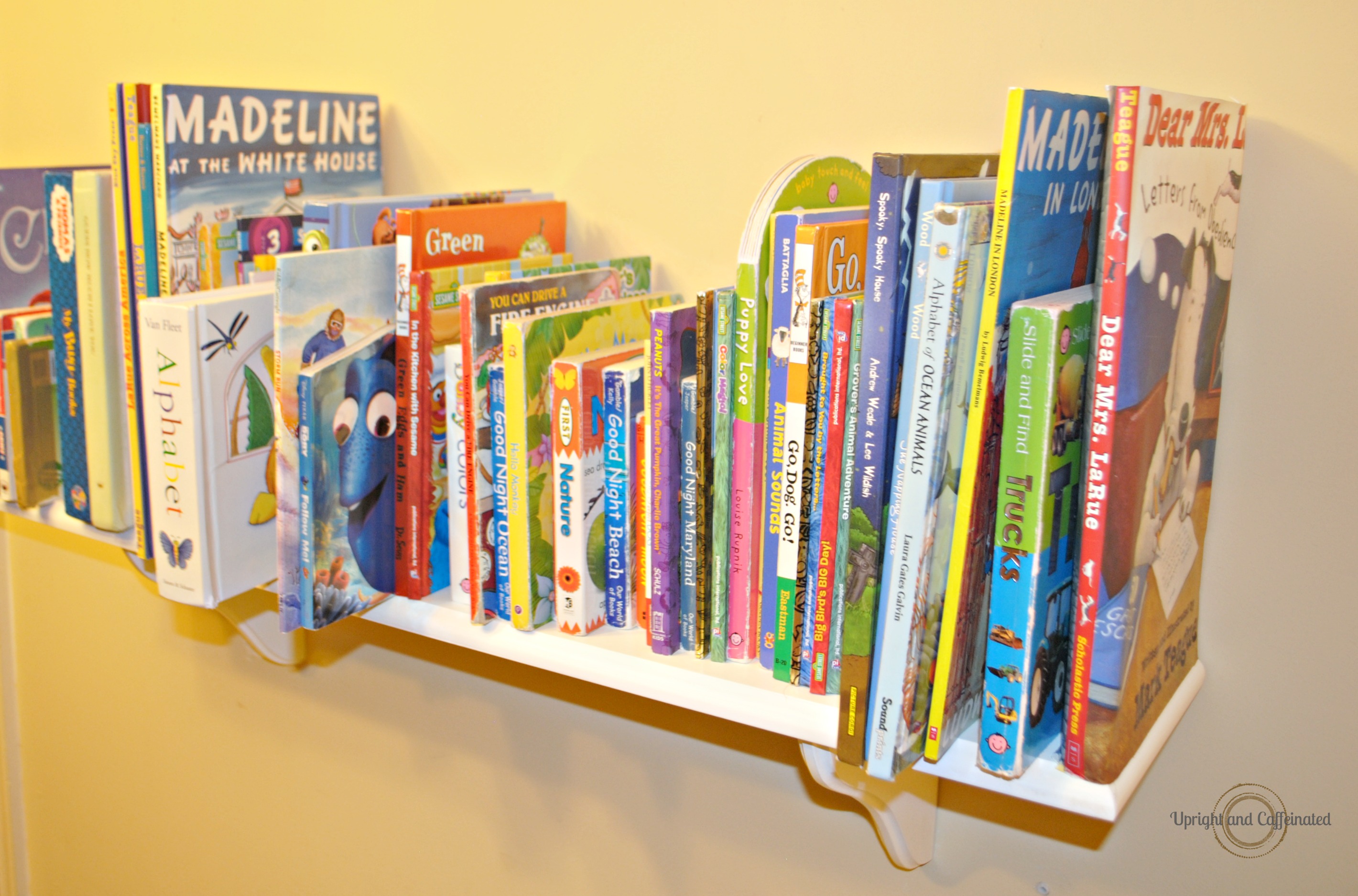
Do not stuff too many books on one shelf. Overpacking causes pressure and makes books fall. Keep some space between books for easy access. A less crowded shelf holds books better and looks good.
Leave Space For Airflow
Leave small gaps between books for air to flow. Airflow helps prevent moisture and mold on books. It also stops pages from sticking together. A well-ventilated shelf keeps books fresh and strong.
Credit: www.uprightandcaffeinated.com
Frequently Asked Questions
How Can I Prevent Books From Tipping On Shelves?
Use sturdy bookends or heavy objects to support books. Arrange books by size for better balance. Avoid overcrowding shelves to reduce tipping risks.
What Materials Work Best As Bookends?
Metal, wood, and acrylic bookends are durable and stable. Choose heavy materials that won’t slide easily. Decorative options add style and function.
How Should Books Be Arranged To Avoid Falling?
Place larger books on the ends for stability. Group books by height and weight. Avoid leaning books at sharp angles.
Can Shelf Liners Help Keep Books Upright?
Yes, non-slip shelf liners add friction to hold books in place. They prevent sliding and reduce accidental tipping.
Conclusion
Keeping books upright on your shelf is simple with the right steps. Use bookends or small objects to support books. Arrange books by size for better balance. Avoid overfilling shelves to prevent tipping. Regularly check and adjust your setup. A neat shelf looks nice and protects your books.
These easy tips help your books stay organized and safe. Try them today for a tidy bookshelf.