Choosing the right wood for your homemade painted coat rack can make all the difference between a sturdy, long-lasting piece and one that quickly falls apart. You want your coat rack to look great, hold up under daily use, and be easy to paint.
But with so many types of wood out there, how do you pick the best one for your project? You’ll discover simple tips to help you select the perfect wood that fits your style, budget, and skill level. Keep reading to make sure your coat rack turns out just the way you imagine.
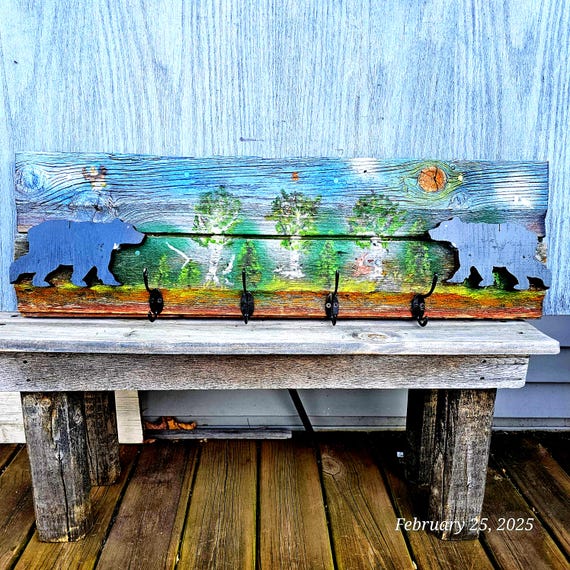
Credit: www.etsy.com
Choosing The Right Wood
Choosing the right wood is key to making a strong and beautiful painted coat rack. The type of wood affects how the rack looks, how long it lasts, and how easy it is to paint. Picking the best wood ensures your coat rack fits your style and use.
Factors To Consider
Think about the wood’s weight. Heavy wood can hold more coats but may be hard to hang. Soft wood is lighter but may dent easily. Check the wood grain and texture. Smooth grains paint better and look cleaner. Also, consider the cost and availability of the wood in your area.
Durability And Strength
Choose wood that can hold weight without bending. Hardwoods like oak and maple are very strong. Pine is softer but still durable for light use. Avoid very soft woods that may break or wear out fast. Strong wood keeps your coat rack safe and lasting.
Ease Of Painting
Wood with a smooth surface is easier to paint. Sand the wood before painting to get the best finish. Woods like poplar and birch have fine grains that hold paint well. Rough or porous woods may need extra paint and primer. Good paint adhesion means a neat, bright coat rack.

Credit: www.asadiyahpusat.org
Popular Wood Types For Coat Racks
Choosing the right wood is key for a homemade painted coat rack. The wood affects strength, look, and how easy it is to paint. Some woods work better than others for coat racks. Here are popular wood types you can pick.
Pine
Pine is soft and easy to cut. It has a light color that paints well. Pine is affordable and widely available. It is perfect for beginners making coat racks.
Oak
Oak is strong and durable. It has a beautiful grain that shows through paint. Oak holds screws and hooks firmly. It costs more but lasts a long time.
Maple
Maple is hard and smooth. It gives a clean finish after painting. Maple resists dents and scratches well. This wood is great for a sturdy coat rack.
Cedar
Cedar smells nice and resists moisture. It is light but strong enough for coats. Cedar has a natural color that can show under paint. It works well in humid areas.
Birch
Birch is fine-grained and stable. It sands smoothly for a nice paint surface. Birch is affordable and easy to find. It is a good choice for painted coat racks.
Pros And Cons Of Each Wood
Choosing the right wood for a homemade painted coat rack affects its look and strength. Each type of wood has unique features. Knowing the pros and cons helps in picking the best option. This guide covers pine, oak, maple, cedar, and birch. Learn what makes each wood good or not for your project.
Pine Advantages And Drawbacks
Pine is affordable and easy to find. It is soft, so cutting and painting is simple. The wood has a light color that takes paint well. Pine is lightweight, making the rack easy to move.
It dents and scratches easily. Pine can show knots that may affect the smooth finish. It may not last as long under heavy use. Pine is less resistant to moisture and may warp.
Oak Advantages And Drawbacks
Oak is strong and durable. It has a beautiful grain that adds character even under paint. Oak holds screws well, making the rack sturdy. The wood is resistant to wear and dents.
Oak is harder to cut and shape. It costs more than softer woods. The heavy weight can be a downside for wall racks. Oak may need more sanding before painting for smoothness.
Maple Advantages And Drawbacks
Maple is hard and smooth. It offers a clean surface that holds paint evenly. The wood resists scratches and dents. Maple looks great with a painted or natural finish.
Cutting maple requires sharp tools. It can be expensive compared to pine. The wood is heavy, which may affect hanging. Maple may have slight color variations that show through paint.
Cedar Advantages And Drawbacks
Cedar smells nice and resists insects. It is lightweight and easy to work with. The wood has natural oils that protect it from moisture. Cedar’s color adds warmth under paint.
Cedar is softer and can dent easily. It may bleed oils through paint if not sealed. The wood is pricier than pine. Cedar can fade or change color over time.
Birch Advantages And Drawbacks
Birch is strong and smooth. It takes paint well and has a fine grain. Birch is less expensive than oak or maple. The wood is stable and holds screws firmly.
Birch can be hard to sand evenly. It may yellow slightly with age. The wood is heavier than pine but lighter than oak. Birch can be prone to blotchy paint if not primed well.
Preparing Wood For Painting
Preparing wood for painting is a key step in making a homemade painted coat rack. Proper preparation helps paint stick well and last longer. It also makes the wood surface smooth and clean. This process includes sanding, priming, and picking the right paint. Each step matters for a great finish.
Sanding Techniques
Start with coarse sandpaper to remove rough spots and old finishes. Use 80 to 120 grit for this step. Next, switch to finer sandpaper like 220 grit for a smooth surface. Sand along the wood grain to avoid scratches. Clean dust with a damp cloth before painting.
Priming Tips
Apply a wood primer to seal the surface and improve paint adhesion. Use a brush or roller to spread primer evenly. Let it dry completely before painting. Choose a primer that matches your paint type for best results. Priming helps prevent peeling and gives a uniform look.
Choosing Paint Types
Pick paint designed for wood projects. Acrylic latex paint is easy to use and cleans with water. It dries fast and resists fading. Oil-based paint offers a harder finish but takes longer to dry. Use paint with a satin or semi-gloss finish for durability on a coat rack.
Design Ideas For Painted Coat Racks
Choosing the right design for a painted coat rack can brighten any space. A coat rack does more than hold jackets. It adds style and personality to your entryway or hallway. Simple paint and wood can transform a plain rack into a statement piece. Explore different styles to find one that fits your home.
Rustic Styles
Rustic coat racks use wood with natural knots and grains. Rough or reclaimed wood works well for this look. Paint in soft, earthy tones like beige, brown, or muted green. Distress the paint slightly for a worn, cozy feel. Add metal hooks with a vintage look to complete the style.
Modern Minimalist
Minimalist designs focus on clean lines and simple shapes. Use smooth, light-colored wood like birch or maple. Paint the rack in solid white, black, or grey for a sleek finish. Keep hooks simple and metal, avoiding extra decoration. This style fits small spaces and modern homes well.
Color Combinations
Using color can make your coat rack stand out. Pair bright paint colors with natural wood for contrast. Try blue with oak or red with pine. Soft pastel colors work well for a subtle look. Match hook colors to the paint for a cohesive design. Color combinations add fun and personality to any room.
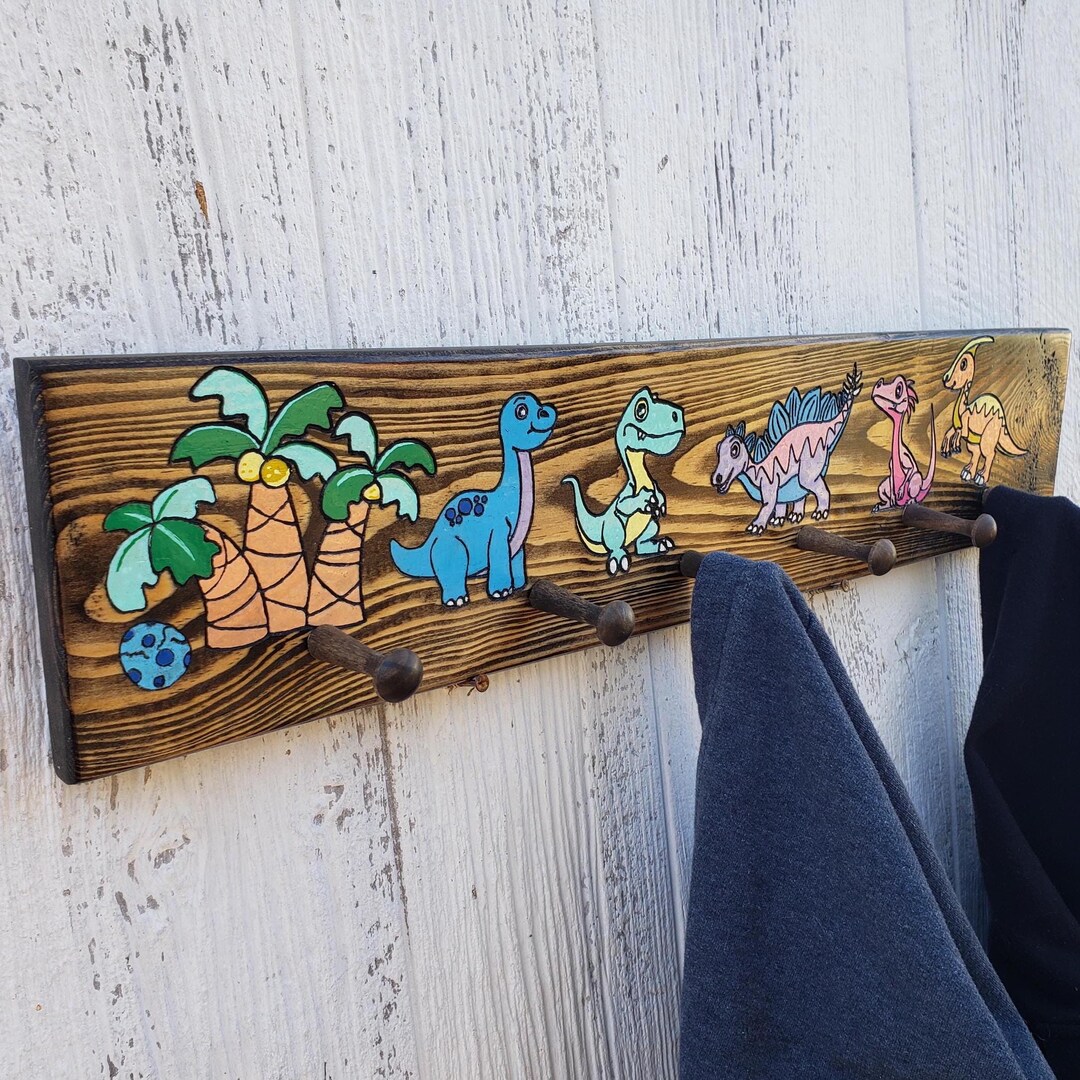
Credit: www.michaels.com
Frequently Asked Questions
What Is The Best Wood For A Painted Coat Rack?
Pine is ideal for painted coat racks due to its smooth surface and affordability. It holds paint well and is easy to work with, making it perfect for DIY projects.
Can Hardwood Be Used For A Painted Coat Rack?
Yes, hardwoods like oak and maple are durable and hold paint nicely. They offer strength for heavy coats but may require extra sanding for smooth painting.
How Does Wood Type Affect Paint Adhesion?
Smooth, softwoods like pine allow paint to adhere better. Rough or oily woods may need primer to ensure paint sticks evenly and lasts longer.
Is Untreated Wood Better For Painting Coat Racks?
Untreated wood is best because it absorbs primer and paint effectively. Treated wood may resist paint due to chemical coatings, causing peeling over time.
Conclusion
Choosing the right wood makes your painted coat rack strong and nice. Pine and cedar offer good balance of cost and look. Oak and maple last longer but cost more. Softwoods are easier to paint and shape. Think about your budget and style before picking.
A good wood choice helps your project last for years. Enjoy building a coat rack that fits your home perfectly. Simple wood can turn into a beautiful, useful item. Happy crafting!