Building a bunk bed can be a great way to save space and add style to your room. But if you don’t use the right body mechanics, you could end up with aches, pains, or even injuries.
This guide will show you how to make a bunk bed while protecting your body every step of the way. You’ll learn simple, practical tips to lift, carry, and assemble safely—so you can enjoy your new bed without any unnecessary strain.
Ready to build smart and strong? Let’s get started!
Choosing The Right Materials
Choosing the right materials for building a bunk bed is important for safety and durability. Good materials make the bed strong and last longer. Using proper materials also helps avoid injuries during construction.
Focus on wood that can hold weight well. Tools should be easy to use and fit the job. Safety gear protects your body and keeps you safe.
Selecting Durable Wood
Choose hardwood like oak or maple for strength. Softwoods like pine can work but are less durable. Check wood for cracks or knots that weaken it. Measure and cut wood pieces carefully to fit the design. Strong wood ensures the bed will not wobble or break.
Gathering Necessary Tools
Gather tools like a saw, drill, screws, and measuring tape. Use a screwdriver or drill for tight screws. Sandpaper smooths rough edges and prevents splinters. Having the right tools makes work easier and safer. Keep tools organized and within reach during work.
Safety Gear Essentials
Wear safety glasses to protect your eyes from dust. Use gloves to avoid splinters and cuts. A dust mask stops inhaling sawdust. Wear sturdy shoes to protect your feet. Safety gear helps prevent injuries and keeps you comfortable.
Planning Your Bunk Bed
Planning your bunk bed is the first step in building a safe and strong piece of furniture. Careful planning helps avoid mistakes and ensures the bed fits well in your space. Proper planning also keeps your body safe during construction by reducing awkward movements and heavy lifting.
Measuring Space Accurately
Start by measuring the room where the bunk bed will go. Measure the height, width, and length carefully. Leave extra space for walking around the bed. Check the ceiling height to allow enough room between the top bunk and ceiling. Use a tape measure and note all dimensions clearly.
Designing For Stability
Choose a strong design that supports weight evenly. Use thick wood or metal for the frame. Make sure the legs are sturdy and wide enough to hold the bed steady. Plan cross supports and braces to prevent wobbling. A stable bunk bed prevents accidents and lasts longer.
Incorporating Safety Features
Add guardrails on the top bunk to stop falls. Design a secure ladder with wide steps that are easy to climb. Avoid sharp corners or edges on all parts of the bed. Check that all screws and bolts are tight and safe. Safety features protect the users and give peace of mind.
Preparing The Workspace
Preparing the workspace is the first step in building a bunk bed safely and efficiently. A clean, well-lit, and ventilated area reduces the risk of accidents and helps you work faster. Proper body mechanics start with a good environment. It supports good posture and prevents strain while lifting heavy parts. Organizing your space also keeps tools and materials within easy reach. This section covers how to clear, light, and ventilate your workspace before you start.
Clearing And Organizing Area
Clear the workspace of any clutter or obstacles. Remove furniture, boxes, and other items that block movement. A wide open space helps you move freely and avoid tripping. Lay down a mat or soft surface to protect the floor and parts. Arrange your tools close by, so you don’t have to bend or stretch too much. Keep screws, bolts, and small parts in containers to avoid losing them. Organization saves time and energy during assembly.
Setting Up Proper Lighting
Good lighting is key to seeing small parts and reading instructions clearly. Use bright, white light to reduce eye strain. Position lamps to shine directly on your work area. Avoid shadows and glare by adjusting the angle of the lights. Natural daylight is best if available. Check your workspace at different times to ensure consistent lighting. Proper light helps prevent mistakes and keeps you alert.
Ensuring Ventilation
Ventilation keeps fresh air flowing while you work. Open windows or doors to create airflow. Use fans if the room feels stuffy or hot. Proper ventilation reduces dust and fumes from any finishes or adhesives. It also helps you stay cool and comfortable. A fresh environment supports focus and energy. Avoid working in closed, stagnant spaces to protect your health.

Credit: fanometalbunkbed.com
Lifting Techniques For Safety
Lifting heavy parts while building a bunk bed needs care. Using safe lifting techniques helps avoid injuries. Proper body mechanics protect your back and muscles. Follow simple steps to lift safely and work with ease.
Maintaining Neutral Spine
Keep your back straight and natural. Avoid bending or arching your spine. A neutral spine reduces pressure on your back. Stand close to the item you want to lift. This helps keep your spine aligned.
Using Leg Muscles Effectively
Bend your knees, not your waist. Use strong leg muscles to lift up. Legs have more power than your back. Push through your heels as you stand. This method lowers the risk of back strain.
Avoiding Twisting Movements
Turn your whole body instead of twisting your back. Twisting can cause muscle strain and pain. Move your feet to change direction. Keep your torso facing forward while lifting. This keeps your spine safe and stable.
Assembling The Bed Frame
Assembling the bed frame is an important step in making a safe and sturdy bunk bed. Proper body mechanics help you avoid injury and work more efficiently. Focus on lifting with your legs, not your back, and keep your movements smooth.
Work on a flat surface and keep all parts organized. Follow the instructions step by step. Take breaks if needed to stay steady and avoid strain.
Constructing The Base
Start by laying out the side rails and cross supports. Lift pieces carefully using your legs. Align the rails with the support bars evenly. Use clamps to hold the parts in place. Avoid twisting your body while positioning the pieces.
Check that the base is level before tightening any screws. This prevents wobbling and makes the bed stronger.
Building The Upper Bunk
Lift the upper bunk frame slowly and steadily. Use your legs to carry heavy parts. Ask for help if the frame is too heavy. Attach side rails and guardrails securely. Keep your back straight and bend your knees during this step.
Ensure the upper bunk fits perfectly on the base. Adjust parts gently to avoid damage.
Securing Joints And Fasteners
Use the correct screws and bolts as instructed. Tighten fasteners with steady pressure to avoid stripping. Check each joint for stability. Do not overtighten, which can crack the wood. Use a wrench or screwdriver that fits well.
Double-check all connections before finishing. A secure frame supports safety and durability.
Installing Support And Guardrails
Installing support and guardrails is a key step in building a safe bunk bed. Proper support holds the mattress firmly in place. Guardrails protect sleepers from falling out. Both must be strong and stable. Using good body mechanics helps to avoid injury during installation. Take your time and work carefully.
Adding Slats Or Boards
Start by placing slats or boards across the bed frame. Space them evenly for good mattress support. Use a drill to secure each slat firmly. Avoid bending or twisting your back. Bend your knees and keep your back straight. Hold the boards close to your body as you lift.
Attaching Guardrails Safely
Position guardrails along the upper bunk edges. Align the guardrails with the bed frame holes. Use screws and a screwdriver to fix them tightly. Keep your wrists straight and use your legs to lift. Work with a partner for better balance and safety.
Checking For Stability
After installation, press and shake the bed gently. Check if the slats and guardrails feel firm. Tighten any loose screws or bolts. Ensure no parts wobble or move. Test the bed by sitting on the top bunk carefully. A steady bed means a safer sleep.
Final Adjustments And Inspection
After assembling your bunk bed, the final adjustments and inspection are essential. These steps ensure safety and durability. A sturdy bunk bed protects the users and lasts for years. Pay close attention to every detail before use.
Tightening All Connections
Check every bolt, screw, and joint. Use the right tools to tighten them firmly. Loose parts can cause wobbling and accidents. Tight connections keep the bunk bed stable and secure. Recheck all fittings to avoid missing any loose spots.
Testing Weight Capacity
Test the bunk bed’s strength by applying weight evenly. Use safe and controlled pressure on both levels. This confirms the bed can hold the intended load. Avoid sudden or heavy impacts during testing. Testing ensures the bed is safe for daily use.
Ensuring Smooth Surfaces
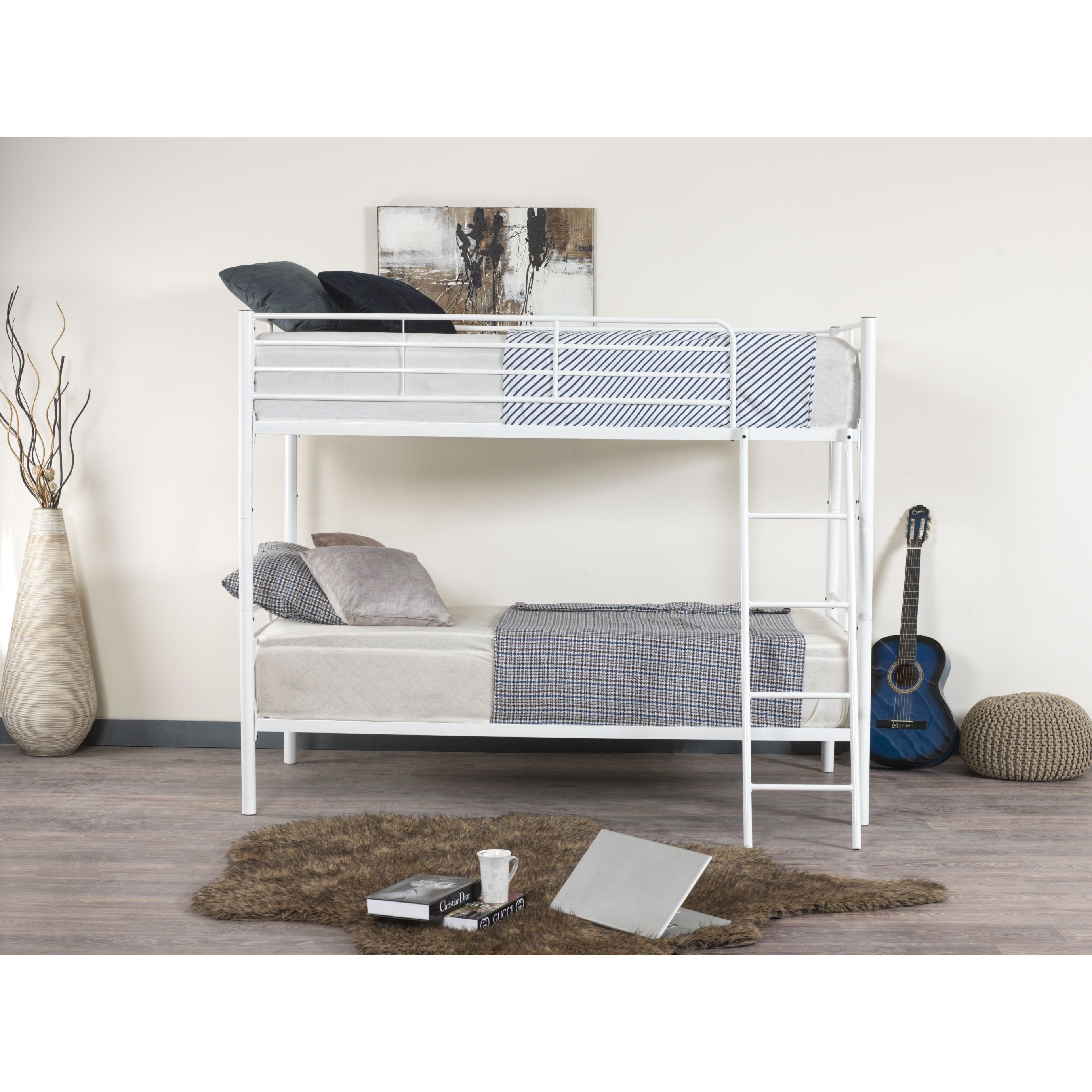
Run your hands along all edges and surfaces. Sand down any rough or sharp spots carefully. Smooth surfaces prevent cuts and scrapes. Check corners and ladder steps especially. A smooth finish adds comfort and safety for users.
Credit: www.alibaba.com
Maintenance Tips For Longevity
Maintaining a bunk bed properly helps it last longer and stay safe. Regular care keeps the bed strong and comfortable. This section shares simple tips to keep your bunk bed in great shape.
Regularly Checking Fasteners
Check screws, bolts, and nuts often. Tighten any loose parts to avoid accidents. Use the right tools for each fastener. Loose fasteners can make the bed unstable and risky.
Cleaning And Care Instructions
Clean the bunk bed with a soft cloth and mild soap. Avoid harsh chemicals that damage the finish. Wipe spills immediately to prevent stains and damage. Keep the bed dry to stop wood or metal from weakening.
Repairing Minor Damages
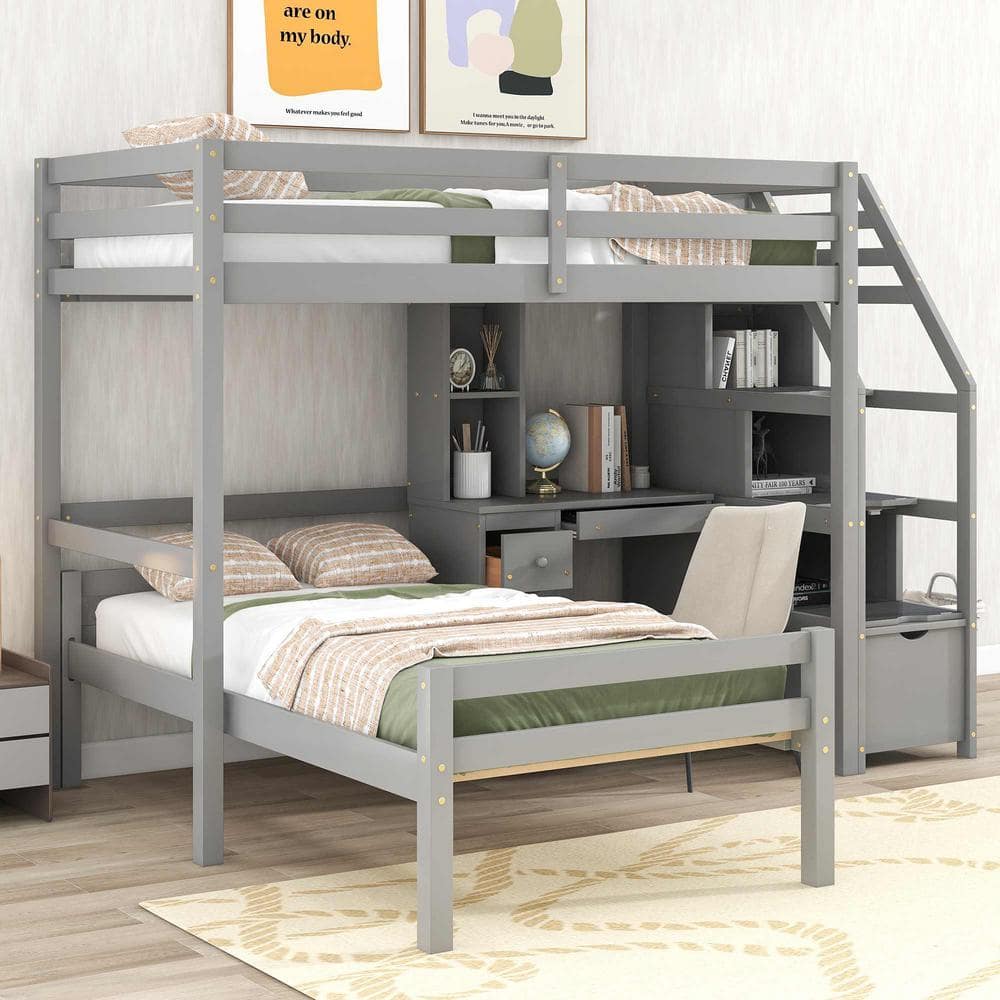
Fix small cracks or dents quickly. Use wood filler for wooden parts. Sand rough edges to avoid splinters. Replace broken parts without delay. Timely repairs keep the bed safe and extend its life.
Credit: www.homedepot.com
Frequently Asked Questions
What Are Proper Body Mechanics For Building A Bunk Bed?
Proper body mechanics involve bending your knees, keeping your back straight, and lifting with your legs. Avoid twisting your spine to prevent injury. Use tools and supports to reduce strain. This approach minimizes stress on muscles and joints during the bunk bed assembly.
How Can I Prevent Back Strain While Making A Bunk Bed?
To prevent back strain, lift heavy parts by bending knees and keeping the load close. Take breaks and stretch regularly. Use ergonomic tools and ask for help lifting bulky items. Good posture reduces the risk of injury and fatigue.
What Tools Help Maintain Body Mechanics In Bunk Bed Assembly?
Ergonomic tools like cordless drills and adjustable workbenches support proper posture. Use lifting aids or dollies for heavy components. These tools reduce bending and awkward movements, helping maintain safe body mechanics during the build.
Why Is Body Mechanics Important In Bunk Bed Construction?
Proper body mechanics prevent injuries, improve efficiency, and reduce fatigue. They help maintain spinal alignment and muscle balance. Safe techniques ensure a smoother assembly process and protect your long-term health during physical tasks.
Conclusion
Building a bunk bed with proper body mechanics keeps you safe and strong. Use your legs to lift, not your back. Keep your movements steady and avoid sudden twists. Take breaks if you feel tired or sore. Follow these steps to prevent injuries and finish your project with ease.
Enjoy your new bunk bed, made the smart way. Safety and care matter most in any DIY task.