Getting your toddler to sleep in their own bed can feel like a daily battle. You’ve tried everything, but bedtime still turns into a struggle.
Imagine if your little one could fall asleep peacefully, night after night, without tears or tantrums. You’re not alone, and the good news is, it’s possible. You’ll discover simple, proven tips to help your toddler feel safe, comfortable, and ready to sleep in their own bed.
Keep reading, because these easy steps could change your bedtime routine—and bring you the rest you both need.

Credit: newmodernmom.com
Create A Consistent Bedtime Routine
Creating a consistent bedtime routine helps toddlers feel safe and ready for sleep. It builds a clear signal that bedtime is near. Routines reduce fussiness and make the transition to bed easier. Toddlers thrive on predictability, so a steady routine works best. Start early and keep the routine simple and calm every night.
Set A Regular Sleep Schedule
Choose a bedtime and wake-up time for your toddler. Stick to these times every day, even on weekends. Consistent sleep times help regulate your child’s internal clock. This makes falling asleep easier and waking up less stressful. A steady schedule helps your toddler get enough rest each night.
Include Calming Activities
Calm activities prepare your toddler for sleep. Try reading a short story or singing a soft song. Gentle rocking or cuddling also helps your child relax. Avoid active play or loud noises before bed. These calming habits signal the body to slow down and get ready to sleep.
Limit Screen Time Before Bed
Screens can keep your toddler awake longer. Turn off TVs, tablets, and phones at least one hour before bedtime. The light from screens tricks the brain into thinking it is daytime. This makes it harder to fall asleep. Replace screen time with quiet, calming activities instead.

Credit: www.storybook-app.com
Design A Comfortable Sleep Environment
Creating a cozy and calm space helps your toddler feel safe and ready for sleep. A good sleep environment makes bedtime easier for both of you. Focus on comfort, calmness, and quietness in the room. Small changes can make a big difference in your child’s sleep quality.
Start with the basics. Make sure the bed and room suit your toddler’s needs. The right setting encourages deep and restful sleep every night.
Choose The Right Mattress And Bedding
Pick a mattress that is firm but soft enough for comfort. Avoid mattresses that are too hard or too soft. Use breathable bedding to keep your toddler cool and cozy. Choose soft sheets made from natural materials like cotton. Avoid heavy blankets that can cause overheating. A well-chosen mattress and bedding help your toddler relax and sleep longer.
Control Room Temperature And Lighting
Keep the room cool, around 65 to 70 degrees Fahrenheit. A cool room helps your toddler fall asleep faster. Use blackout curtains or shades to block outside light. Dim lighting before bedtime signals the body to prepare for sleep. Avoid bright lights or screens near bedtime. A calm, dark, and cool room supports your toddler’s natural sleep cycle.
Add Soothing Sounds Or White Noise
Soft sounds can help your toddler relax and stay asleep. Use white noise machines or gentle music to mask sudden noises. Sounds like rain, ocean waves, or soft lullabies work well. Keep volume low to avoid disturbing your child. Consistent background noise creates a peaceful sleep atmosphere. This simple trick often helps toddlers settle more easily.
Encourage Independent Sleep Habits
Encouraging independent sleep habits helps toddlers feel safe and confident at bedtime. It teaches them to fall asleep on their own. This skill reduces night waking and eases the bedtime routine for parents. Patience and consistency are key during this process.
Teach Self-soothing Techniques
Self-soothing means calming down without help from others. Show your toddler simple ways to relax, like deep breathing or hugging a pillow. Practice these skills during the day and at bedtime. This helps your child learn to manage feelings of fear or restlessness alone.
Use A Lovey Or Comfort Object
A soft toy or blanket can become a toddler’s special friend. These items provide comfort and familiarity in bed. Choose a safe and small object your child likes. The lovey helps your toddler feel secure and less afraid of sleeping alone.
Gradually Reduce Parental Presence
Start by sitting next to your child’s bed as they fall asleep. Slowly move farther away each night until you are outside the room. This gentle change helps your toddler adjust without feeling abandoned. It builds confidence and encourages falling asleep independently.
Address Common Sleep Challenges
Toddlers often face sleep challenges that stop them from resting well. These problems can be tough for both kids and parents. Understanding common sleep issues helps create better bedtime routines. It also makes sleeping in bed easier for toddlers.
Below are simple ways to handle common sleep troubles. These tips help toddlers feel safe and ready for sleep.
Manage Nighttime Fears
Nighttime fears are common in toddlers. Darkness and silence can feel scary. Use a soft nightlight to make the room less dark. Talk gently about their fears. Show them there is nothing to fear. A favorite toy can also bring comfort. Keep bedtime calm and quiet to reduce anxiety.
Handle Bedtime Resistance
Toddlers may say no at bedtime. They want to stay up and play. Set a clear, consistent bedtime routine. Use simple steps like brushing teeth and reading a story. Give choices, like picking pajamas or books. This helps toddlers feel in control. Praise them for following the routine. Stay patient and firm.
Deal With Night Wakings
Waking at night is normal for toddlers. They may feel hungry or need comfort. Avoid bright lights or loud sounds. Calmly soothe them without picking them up every time. Teach them to fall back asleep alone. Keep night visits short and quiet. This builds good sleep habits over time.
Promote Daytime Habits For Better Sleep
Good daytime habits help toddlers sleep better at night. A healthy routine during the day sets the stage for restful sleep. Focus on activities and habits that calm the body and mind. These habits make bedtime easier and improve sleep quality.
Ensure Adequate Physical Activity
Toddlers need plenty of movement each day. Running, jumping, and playing help use up energy. Physical activity makes children tired and ready for sleep. Aim for at least one hour of active play daily. Avoid vigorous exercise close to bedtime. This helps the body relax before sleep.
Monitor Napping Patterns
Daytime naps affect nighttime sleep. Too much daytime sleep can delay bedtime. Too little nap time can cause overtiredness. Find a balance by watching your toddler’s needs. Limit naps to 1-2 hours in the early afternoon. Keep naps consistent to support a regular sleep schedule.
Limit Sugar And Caffeine Intake
Sugar and caffeine can disrupt sleep patterns. Avoid sugary snacks and drinks late in the day. Caffeine hides in chocolate, soda, and some teas. These can cause restlessness and make it hard to fall asleep. Offer healthy, low-sugar snacks to keep energy steady.
Seek Professional Help When Needed
Sometimes, getting a toddler to sleep in bed can be very hard. Parents try many ways, but the child still struggles to sleep well. At this point, seeking professional help is a smart choice. Experts can find hidden problems and offer the right support. This step helps both parents and toddlers have better nights and less stress.
Recognize Signs Of Sleep Disorders
Not all sleep problems are normal. Some may be signs of sleep disorders. Watch for loud snoring, long pauses in breathing, or very restless sleep. If your toddler often wakes up crying or seems very tired during the day, these are warning signs. Sleep disorders can affect growth and mood. Early recognition is key to getting the right help.
Consult Pediatric Sleep Specialists
Pediatric sleep specialists understand children’s sleep needs well. They use tests and tools to check your toddler’s sleep patterns. These experts provide clear advice and treatment plans. They may suggest changes in routines or medical care if needed. Consulting a specialist can make a big difference in your child’s sleep quality. It gives parents peace of mind and better support.
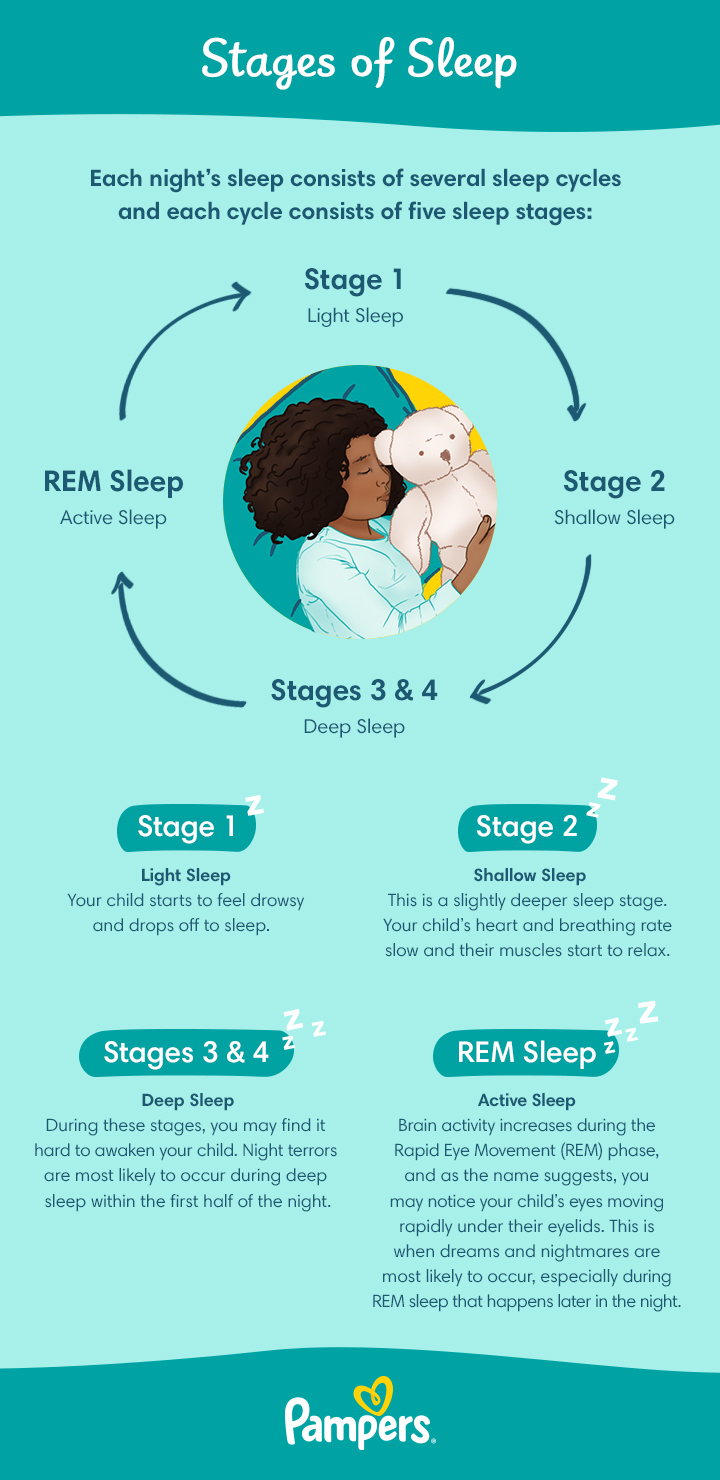
Credit: www.pampers.com
Frequently Asked Questions
How Can I Make Toddler’s Bedtime Routine Effective?
Create a consistent bedtime routine with calming activities. Include a warm bath, reading a story, and dim lighting. This helps your toddler associate these actions with sleep, making it easier to fall asleep in their bed.
What Are The Best Tips To Transition Toddler To Own Bed?
Start by placing the toddler’s bed in your room. Gradually move it to their room. Use comfort items like a favorite blanket or stuffed toy. Praise and encourage your toddler for sleeping in their bed.
How Do I Handle Toddler’s Fear Of Sleeping Alone?
Acknowledge their fears and offer reassurance. Use night lights and soft music for comfort. Gradually increase time spent alone in the bed. Consistent support helps your toddler build confidence and feel safe.
When Should I Start Putting Toddler To Sleep In Their Bed?
Most toddlers transition between 18 months to 3 years old. Begin when your child shows interest or resists crib sleep. Make sure the toddler’s room is safe and welcoming to encourage independent sleep.
Conclusion
Helping your toddler sleep in bed takes patience and routine. Keep bedtime calm and consistent every night. Use gentle words and comfort to ease fears. A cozy bed and favorite toy can help. Expect some fuss, but stay calm and kind.
Small steps lead to better sleep habits. Soon, your toddler will enjoy peaceful nights in bed. Keep trying, and success will come with time.