Is your tall bookshelf wobbling or leaning every time you walk by? That’s not just annoying—it can be dangerous.
You want your bookshelf to hold all your favorite books safely, without tipping over or shaking. You’ll discover simple and effective ways to make your tall bookshelf stable and secure. By following these easy tips, you’ll protect your books, your walls, and most importantly, yourself.
Keep reading to learn how to turn your shaky bookshelf into a steady, reliable storage solution you can trust.

Credit: www.amazon.com
Choose The Right Location
Choosing the right location for your tall bookshelf is crucial for its stability. The spot you pick affects how steady the bookshelf will be and how safe it remains over time. Pay attention to the environment and conditions around the bookshelf to keep it from tipping or wobbling.
Avoid High-traffic Areas
Place the bookshelf away from busy walkways or doorways. High-traffic areas increase the chance of bumps or knocks. These impacts can cause the bookshelf to shift or fall. A quiet corner or less-used room works better.
Find A Level Surface
Check the floor before setting up the bookshelf. An uneven surface can make the bookshelf lean and become unstable. Use a level tool or a smartphone app to find a flat spot. If needed, add small shims under the legs to balance it perfectly.
Keep Away From Heat Sources
Do not place the bookshelf near heaters or direct sunlight. Heat can warp the wood or damage the shelves. This warping affects how the bookshelf stands and holds weight. Choose a cool, shaded spot for longer shelf life and stability.
Anchor The Bookshelf Securely
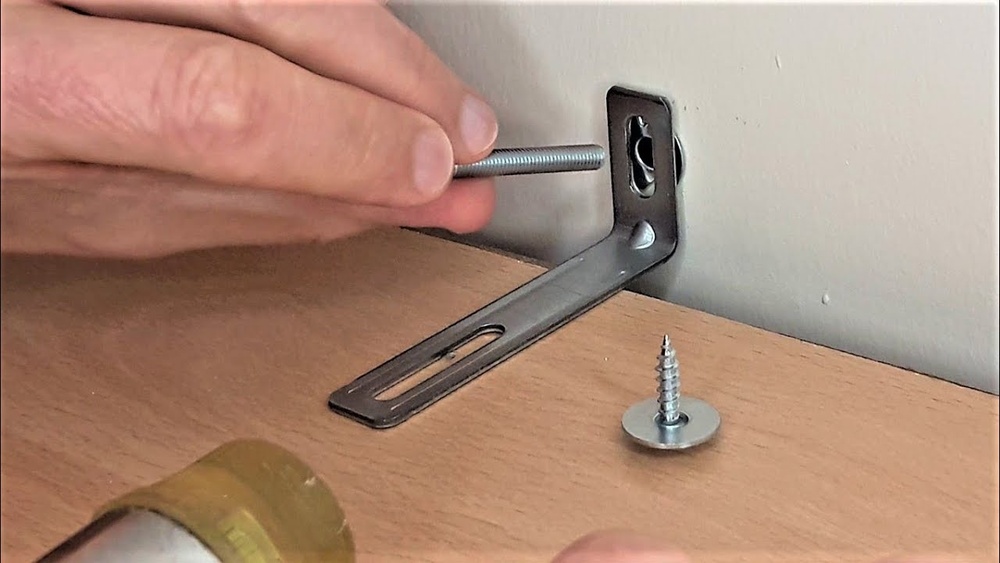
Anchoring a tall bookshelf is key to keeping it safe and steady. Without proper anchoring, the bookshelf may tip over, causing damage or injury. Secure anchoring stops accidents and keeps your books neatly in place. Follow these steps to anchor your bookshelf firmly to the wall.
Use Wall Brackets
Wall brackets help attach the bookshelf tightly to the wall. They are metal pieces that hold the top or sides of the shelf. Choose strong brackets made for heavy furniture. Screw the brackets to both the bookshelf and the wall. This connection prevents any wobbling or tipping.
Select Proper Anchors
Anchors hold screws firmly inside the wall. They stop screws from pulling out, especially in drywall. Choose anchors based on your wall type. Plastic anchors work for light loads. Metal or toggle anchors carry heavier weight. Pick the right anchor to keep the shelf secure.
Attach To Studs
Studs are vertical wood beams behind the wall. Screws fixed into studs hold the most weight. Use a stud finder to locate these beams. Mark the stud spots on the wall. Drill screws directly into the studs through the brackets. This offers the strongest hold for your bookshelf.
Distribute Weight Evenly
Distributing weight evenly is key to making a tall bookshelf stable. Proper weight distribution prevents tipping and helps the shelf last longer. It also keeps your items safe. Follow these tips to keep your tall bookshelf steady and secure.
Place Heavy Items At The Bottom
Put heavy books and objects on the lowest shelves. This lowers the center of gravity. A low center of gravity makes the shelf less likely to fall. Avoid placing heavy items on top shelves. Keep the base strong to support the whole structure.
Avoid Overloading Shelves
Do not put too many items on one shelf. Overloading can bend or break the shelf board. It also makes the shelf unstable. Spread your items across multiple shelves. Check the weight limits for each shelf and follow them closely.
Balance Books And Decor
Mix books with lighter decor pieces on each shelf. Balance the weight from side to side. Even small differences can cause tilting. Keep heavier items near the middle of the shelf. This helps the shelf stay level and steady.

Credit: www.amazon.com
Add Stability Enhancements
Adding stability enhancements is essential to keep a tall bookshelf safe and steady. These simple improvements help prevent tipping and protect your books and home. Small fixes can make a big difference in balance and security.
Install Anti-tip Straps
Anti-tip straps secure the bookshelf to the wall. They stop the shelf from falling forward. You only need a few screws and straps for this. Attach one end to the wall and the other to the bookshelf. It is an easy and effective way to increase stability.
Use Furniture Stabilizers
Furniture stabilizers are pads placed under the bookshelf legs. They fill gaps on uneven floors. This stops wobbling and shifting. Choose rubber or silicone pads for a strong grip. They help the bookshelf stand firm without scratching floors.
Add A Base Support
A base support is a wider platform under the bookshelf. It spreads the weight over a larger area. This makes the shelf less likely to tip. You can build a base from wood or buy a ready-made one. A solid base gives extra strength and balance.
Maintain And Inspect Regularly
Keeping a tall bookshelf stable needs regular care. Regular checks help spot small problems early. Fixing these problems keeps your bookshelf safe and strong. It also stops accidents before they happen. Spend a few minutes every month to inspect your shelf. A little effort goes a long way in safety.
Check For Loose Screws
Loose screws make shelves wobbly and unsafe. Use a screwdriver to check every screw. Tighten any screw that feels loose. Screws near corners and edges need extra attention. Regularly checking screws keeps the shelf firm and steady.
Tighten Brackets And Straps
Brackets and straps hold the bookshelf to the wall. Check them often to ensure they are tight. Use a wrench or screwdriver to tighten them. Loose brackets or straps can cause the shelf to tip over. Secure brackets and straps protect your shelf and your home.
Replace Damaged Parts
Damaged parts weaken the whole bookshelf. Look for cracks, broken shelves, or bent brackets. Replace these parts right away with new ones. Using damaged parts can cause the shelf to break. New parts keep your bookshelf safe and long-lasting.
Safety Tips For Kids
Keeping tall bookshelves stable is very important in homes with kids. Children love to explore and climb. This can make tall furniture risky. Safety tips help protect kids from accidents. They also keep your bookshelf steady and safe.
Teach Safe Climbing Habits
Explain to kids that climbing bookshelves is dangerous. Show them safe places to climb and play. Teach them to ask for help if they need something on a high shelf. Praise them when they follow these rules. Clear rules help prevent falls and injuries.
Keep Climbing Temptations Away
Do not place toys or treats on the bookshelf. These items can tempt children to climb. Store favorite items at kid-friendly heights. Make sure the floor area near the bookshelf is clear. This reduces the chance of accidents from falling objects.
Use Childproof Locks
Install childproof locks on lower cabinet doors or drawers. This stops kids from opening parts of the bookshelf they shouldn’t. Locks also prevent children from pulling heavy items down. Choose locks that are easy for adults to use but hard for kids.

Credit: www.ebay.com
Frequently Asked Questions
How Can I Prevent My Tall Bookshelf From Tipping?
Secure your tall bookshelf to the wall using brackets or straps. Place heavier items on lower shelves. Ensure the bookshelf is on a flat, stable surface to reduce tipping risk.
What Materials Improve Bookshelf Stability?
Use solid wood or metal for sturdier construction. Reinforce shelves with additional support brackets. Avoid particle board, as it can weaken over time and cause instability.
Should I Anchor My Tall Bookshelf To The Wall?
Yes, anchoring prevents accidents and enhances safety. Use appropriate wall anchors and brackets for your wall type. This method is essential, especially in homes with children or pets.
How Does Shelf Weight Distribution Affect Stability?
Distribute heavy items evenly and place them on lower shelves. Avoid overloading top shelves to maintain a low center of gravity. Proper weight distribution significantly reduces tipping hazards.
Conclusion
Making a tall bookshelf stable keeps your space safe and neat. Secure it to the wall to stop tipping. Use brackets or straps for strong support. Place heavy items on lower shelves for balance. Check stability regularly to avoid accidents.
A steady bookshelf lasts longer and looks better. Small steps make a big difference in safety. Keep your books and home safe with these tips. Stability matters for every tall bookshelf you own.