Are you tired of worrying that your bookshelf might tip over and cause damage or injury? Securing your bookshelf to the wall is a simple step that can save you from accidents and keep your space looking neat.
In this guide, you’ll learn exactly how to attach your bookshelf to the wall quickly and safely, even if you’re not a DIY expert. Keep reading, and you’ll gain the confidence to protect your home and create a more stable, organized environment with ease.

Credit: www.reddit.com
Choosing The Right Bookshelf
Choosing the right bookshelf is key before attaching it to the wall. The perfect shelf matches your room’s style and fits your needs. It must hold your books safely without damaging your walls. Careful choices prevent accidents and keep your space tidy.
Materials And Weight Considerations
Bookshelves come in many materials like wood, metal, or plastic. Wood shelves look classic and hold heavy books well. Metal shelves are strong and last long. Plastic shelves work for light items only.
Check how much weight the shelf can carry. Heavy books need strong shelves and sturdy wall anchors. Lightweight shelves suit small rooms and fewer books.
Size And Style Options
Measure your wall space before picking shelf size. Tall shelves fit big rooms and store many books. Short shelves work in small spaces or under windows.
Choose a style that fits your room’s look. Simple shelves suit modern rooms. Detailed shelves match traditional decor. The right style makes your room feel complete.
Tools And Materials Needed
Attaching a bookshelf to the wall needs the right tools and materials. These help keep the shelf safe and steady. Preparing all items first saves time and effort. The list below shows what you need for a strong wall mount.
Essential Tools
- Drill with drill bits
- Stud finder
- Level
- Measuring tape
- Screwdriver
- Pencil for marking
- Hammer (sometimes needed)
Each tool has a role in making the process smooth. The drill and drill bits create holes for screws or anchors. A stud finder locates wall studs for better support. The level ensures the shelf sits straight. Measuring tape and pencil help mark exact spots. The screwdriver tightens screws. A hammer may help with anchors.
Mounting Hardware Types
- Wall anchors
- Toggle bolts
- Screws
- Brackets
Choose hardware based on wall type and shelf weight. Wall anchors work for drywall but hold less weight. Toggle bolts offer stronger support in drywall. Screws fasten the shelf directly to studs. Brackets support the shelf from underneath for added strength. Match hardware to your wall and shelf needs.
Preparing The Wall
Preparing the wall is an important step before attaching a bookshelf. A strong and stable wall ensures your bookshelf stays safe and secure. This process helps avoid damage to your wall and prevents accidents.
Start by checking the wall’s surface. It should be clean, dry, and free of nails or screws. Smooth walls make it easier to find the right spots for mounting.
Finding Studs
Studs are the wooden or metal supports behind the wall. They provide the best support for heavy items like bookshelves. Use a stud finder tool to locate them easily. Move the tool slowly across the wall. It will beep or light up when it detects a stud. Mark each stud with a pencil. Studs usually sit 16 to 24 inches apart.
Marking Mounting Points
Marking the right points helps align the bookshelf perfectly. Measure the height and width of your bookshelf. Decide where on the wall you want it. Use a level to draw a straight, horizontal line. Mark the points where the screws will go. Make sure these marks match the stud locations. This step ensures a firm hold and balanced shelf.

Credit: www.amazon.com
Mounting Techniques
Mounting a bookshelf to the wall makes it safer and more stable. It prevents tipping and holds heavy books well. Choosing the right mounting technique depends on your wall type and bookshelf weight.
Using Wall Anchors
Wall anchors provide strong support in drywall or plaster. They spread the weight over a larger area. Start by marking where the screws will go. Drill holes that fit the anchors snugly. Push or tap the anchors into the holes. Then, screw the bracket or shelf directly into the anchors. This method holds well without hitting studs.
Securing With Screws And Brackets
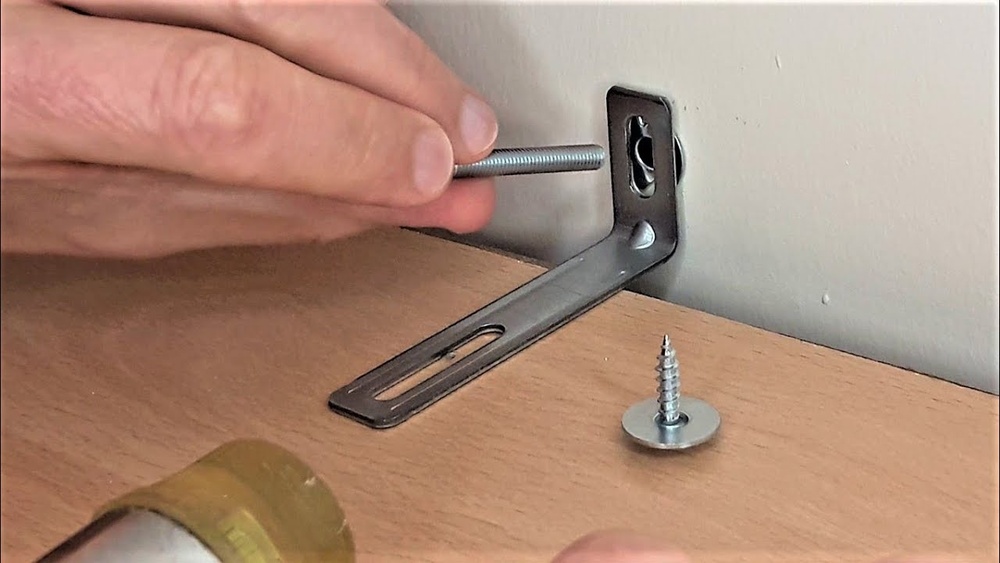
Screws and brackets offer the most secure attachment. Locate wall studs using a stud finder. Mark the spots for screws on the bookshelf and wall. Use long screws that go deep into the studs. Attach metal brackets to the shelf and wall firmly. This setup supports heavy loads and keeps the shelf level. Double-check all screws are tight before placing items.
Safety Tips
Attaching a bookshelf to the wall improves safety and prevents accidents. Proper safety tips help keep your shelf secure and stable. Follow these tips to protect your home and family.
Weight Limits
Check the weight limit of the bookshelf and wall anchors. Never overload the shelf with heavy items. Books and decorations should stay within the shelf’s capacity. Overloading can cause the shelf to fall and cause injury. Use strong anchors for heavier shelves. Always balance the weight evenly across the shelf.
Regular Maintenance Checks
Inspect the bookshelf and its attachments regularly. Look for loose screws or wall anchors. Tighten any loose parts immediately. Watch for cracks or damage in the shelf or wall. Early repairs prevent bigger problems later. Clean the shelf often to avoid dust buildup. Maintenance keeps the shelf safe and lasting longer.
Troubleshooting Common Issues
Attaching a bookshelf to the wall can sometimes come with challenges. Knowing how to fix common problems saves time and effort. This section covers simple solutions for typical issues you might face.
Dealing With Uneven Walls
Uneven walls make it hard to mount shelves straight. First, use a level to check the wall surface. Mark high and low spots with a pencil. Sand down small bumps or fill gaps with spackle. For bigger uneven areas, use shims behind the shelf bracket. Shims help create a flat surface for better support. Double-check with a level before drilling holes. This method keeps shelves stable and balanced.
Fixing Loose Shelves
Loose shelves can fall or tilt, risking damage. Tighten screws holding the brackets to the wall. If screws turn without gripping, switch to longer or thicker screws. Use wall anchors for drywall to improve hold. Check if brackets fit snugly against the wall. Replace damaged brackets if needed. Tightening these parts ensures your bookshelf stays secure and safe.

Credit: space-plug.com
Frequently Asked Questions
How Do I Secure A Bookshelf To A Wall Safely?
To secure a bookshelf safely, locate wall studs and use appropriate anchors or screws. This ensures stability and prevents tipping hazards. Always use a level to keep the shelf straight and double-check all fasteners are tight before loading books.
What Tools Do I Need To Attach A Bookshelf?
You will need a drill, stud finder, screwdriver, level, measuring tape, and wall anchors or screws. These tools help ensure accurate placement and secure attachment of the bookshelf to the wall studs for maximum support.
Can I Attach A Bookshelf To Drywall Only?
Attaching to drywall alone is not recommended. Use wall anchors rated for your shelf’s weight or locate studs behind the drywall for secure mounting. Drywall anchors prevent damage and provide better load support than screws alone.
What Type Of Wall Anchors Work Best For Bookshelves?
Heavy-duty toggle bolts or molly bolts are best for supporting bookshelf weight in drywall. They expand behind the wall, providing strong support. For brick or concrete walls, use masonry anchors designed for those surfaces.
Conclusion
Attaching a bookshelf to the wall keeps it stable and safe. Use the right tools and follow steps carefully. Find the wall studs to hold the weight well. Measure and mark spots before drilling. Secure brackets tightly to avoid wobbling.
Take your time to do it right. A well-fixed bookshelf looks neat and lasts longer. Enjoy your organized space with peace of mind. Simple steps make a big difference in safety. Now, your bookshelf stands firm and holds your books securely.