Are you worried that your bunk bed might wobble or feel unsafe? A shaky bunk bed can be stressful, especially when it’s where your kids or guests sleep.
You want to make sure it’s strong, steady, and built to last. The good news is, making your bunk bed sturdy doesn’t have to be complicated or expensive. You’ll discover simple, effective tips that will help you secure your bunk bed and sleep soundly every night.
Keep reading to learn how you can turn your bunk bed into a safe and solid piece of furniture you can trust.
Choosing The Right Materials
Choosing the right materials is key to making a bunk bed sturdy. The materials must hold weight and stay strong over time. Selecting good materials helps avoid wobbly or unsafe beds. This section explains which materials work best and what to check before buying.
Types Of Wood And Metal
Wood is popular for bunk beds because it looks nice and feels warm. Hardwoods like oak, maple, and cherry are strong and last long. Softwoods like pine are lighter but less durable.
Metal frames are also common. Steel is strong and resists bending. Aluminum is lighter but not as tough. Metal beds often have simple, clean designs.
Both wood and metal can create sturdy bunk beds. The choice depends on style and strength needs.
Quality And Durability Factors
Check for solid, thick wood pieces without cracks or knots. These parts hold weight better. Smooth finishes help prevent splinters.
For metal, look for thick tubes and strong joints. Welded connections last longer than bolts alone. Powder-coated metal resists rust and damage.
Good materials keep the bed stable and safe for kids. Avoid thin, weak parts that may break or bend easily.
Essential Tools And Hardware
Making a bunk bed sturdy needs the right tools and hardware. Using strong and proper items helps keep the bed safe and steady. This section explains what tools and fasteners you should have.
Must-have Tools
A few basic tools make building or fixing a bunk bed easier. A power drill speeds up screwing and drilling. A screwdriver fits many screws for tight fixing. A wrench or socket set helps with bolts and nuts. A measuring tape ensures parts fit perfectly. A level checks the bed is straight and balanced. These tools make the process smoother and the bed stronger.
Selecting Strong Fasteners
Strong fasteners hold the bed parts firmly together. Choose screws made of steel for better strength. Use bolts with nuts for parts that need extra support. Avoid nails since they can loosen over time. Wood screws with deep threads grip wood tightly. Pick the right length to avoid splitting wood. Using the best fasteners keeps the bed steady and safe.
Design Elements For Stability
Design plays a big role in making a bunk bed strong and safe. A well-thought design helps the bed hold weight without wobbling or breaking. Choosing the right parts and ways to build it makes a big difference. Focus on strong frame building and tight joints. These help the bed stay steady for years.
Good design also means the bed can handle movement and use. It keeps children safe during play or sleep. Let’s look at two key parts of design that keep a bunk bed stable.
Frame Construction Techniques
The frame is the skeleton of the bunk bed. Use thick, solid wood or metal for the best support. Join the pieces tightly using screws or bolts instead of nails. Nails can loosen over time. A box frame shape adds strength and stops the bed from shaking. Adding cross beams or slats supports the mattress and spreads weight evenly.
Reinforcing Joints And Connections
Joints are where the frame parts meet. These need to be very strong. Use corner brackets, metal plates, or wooden blocks to hold joints firmly. Tighten all screws and bolts regularly. Glue can add extra hold but should not be the main support. A well-reinforced joint stops wobbling and keeps the bed solid under pressure.

Credit: www.reinforcedbeds.co.uk
Assembly Best Practices
Building a bunk bed takes care and attention. Following best practices during assembly ensures the bed stays strong and safe. Proper steps prevent wobbling and increase durability. A sturdy bunk bed protects kids during sleep and play.
Keep tools ready and parts organized. Read instructions fully before starting. Work on a flat surface for balance. Teamwork helps, so ask for assistance if needed.
Step-by-step Building Tips
Begin by laying out all parts and hardware. Check each piece for damage or missing parts. Attach side rails to the headboard and footboard tightly. Use a level to keep the frame straight. Secure all bolts with a wrench, not just by hand. Add guardrails on the top bunk firmly. Install the ladder at a safe angle. Tighten every screw again after initial assembly. Test the bed’s stability by gently shaking it.
Common Mistakes To Avoid
Do not skip reading the instruction manual. Avoid using damaged or wrong screws. Do not overtighten bolts; it can damage wood. Avoid uneven floors or unstable surfaces for assembly. Do not ignore loose parts during use. Avoid placing the bed near ceiling fans or windows. Do not forget to check stability after assembly. Avoid rushing; take time to secure every part well.
Securing The Bunk Bed
Securing the bunk bed is essential for safety and stability. A loose bed can cause accidents and injuries. Proper securing keeps the bed steady during use. It also gives peace of mind to parents and users alike.
Focus on two key methods to secure your bunk bed. These are anchoring to walls and using safety rails and supports. Both methods improve the bed’s strength and prevent wobbling or tipping.
Anchoring To Walls
Anchoring the bunk bed to walls adds strong support. Use sturdy brackets or straps designed for furniture. Attach them to wall studs for the best hold. Avoid drywall only, as it cannot hold much weight. Secure both the top and bottom parts of the bed. This limits movement and keeps the bed in place. Check anchors regularly for tightness and wear.
Using Safety Rails And Supports
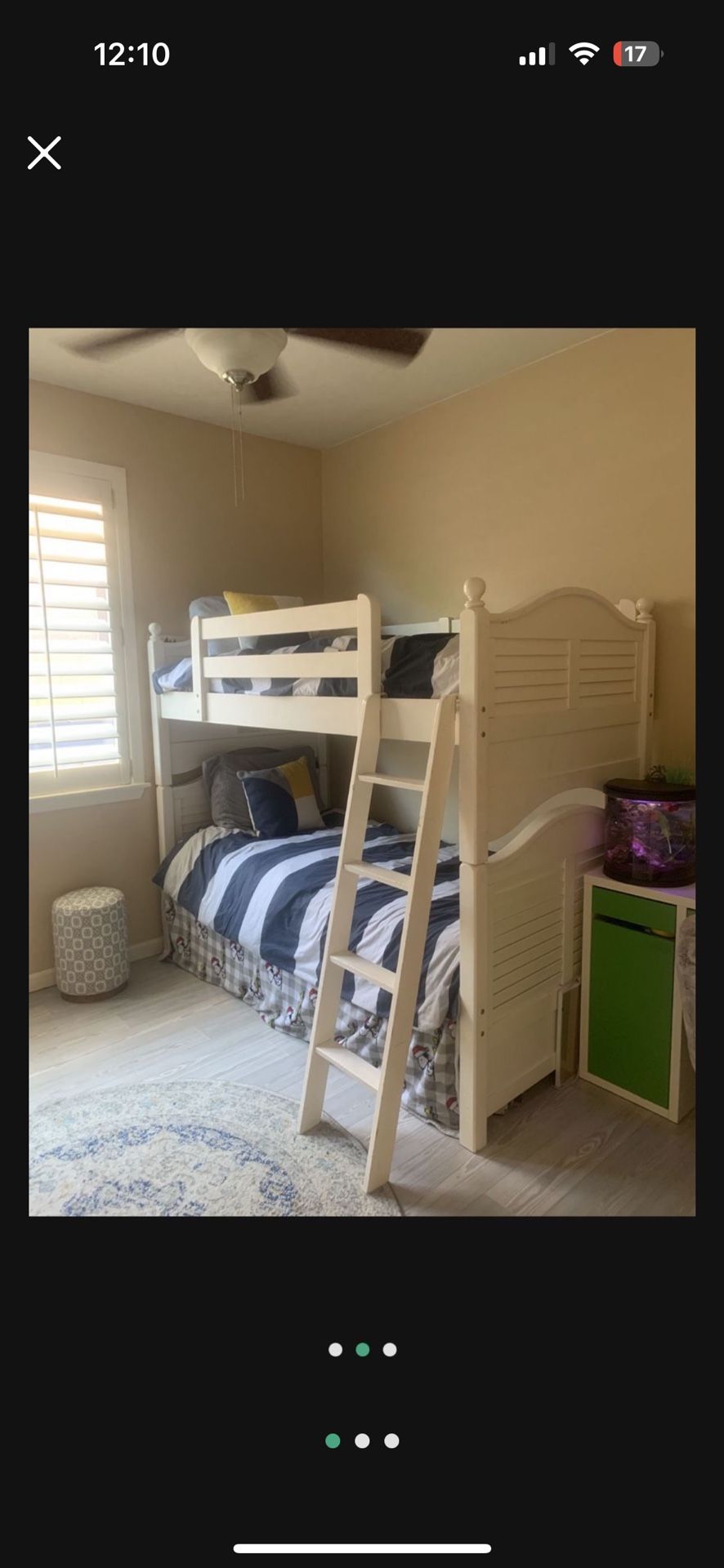
Safety rails prevent falls and add side support. Install rails on the top bunk on all open sides. Choose rails that fit snugly and are firmly attached. Use extra supports under the mattress slats. These supports help distribute weight evenly. Add corner braces to strengthen joints. Proper rails and supports make the bed feel solid and safe.
Credit: wearesuiters.com
Regular Maintenance Checks
Regular maintenance checks keep your bunk bed safe and strong. Small problems can grow fast if ignored. Checking your bed often helps catch issues early. This makes sure the bed stays steady for years.
Inspecting For Wear And Tear
Look closely at all parts of the bunk bed. Check the wood and metal for cracks or rust. Watch for loose screws or joints. See if the ladder steps feel weak or shaky. Worn parts can cause the bed to wobble or break.
Tightening And Replacing Parts
Use a screwdriver or wrench to tighten loose screws and bolts. Tight parts hold the bed firm and safe. Replace any broken or bent pieces right away. Use parts made for your specific bunk bed model. This keeps the bed strong and secure.
Credit: www.sleepadvisor.org
Frequently Asked Questions
How Can I Make A Bunk Bed More Stable?
To make a bunk bed more stable, tighten all bolts and screws regularly. Add corner braces for extra support. Use sturdy slats and avoid overloading the bed. Ensuring a flat floor surface also improves stability.
What Materials Enhance Bunk Bed Sturdiness?
Using solid hardwood or metal frames improves bunk bed sturdiness. Avoid particleboard or cheap plywood as they weaken over time. Strong materials provide better support and durability, ensuring safety for daily use.
How Often Should I Check Bunk Bed Joints?
Check bunk bed joints every three to six months. Frequent inspections prevent loosening and reduce safety risks. Tighten any loose screws or bolts immediately to maintain bed integrity and avoid accidents.
Are Additional Braces Necessary For Bunk Beds?
Yes, additional braces increase bunk bed strength and prevent wobbling. Installing metal corner braces or L-brackets reinforces joints. This simple upgrade adds safety, especially for heavier users or active children.
Conclusion
Making a bunk bed sturdy takes simple steps and careful checks. Tighten all bolts and screws often. Use strong materials and add extra support beams. Check the bed regularly for any loose parts. A stable bunk bed keeps everyone safe and comfortable.
Small efforts make a big difference in strength. Trust the process and keep safety first. Enjoy a secure and lasting bunk bed for years.