Are you wondering how far away your subwoofer should be from your bookshelf to get the best sound? Getting this right can transform your music or movie experience.
Place it too close, and the bass might sound muddy or overwhelming. Put it too far, and you could lose that deep, powerful punch. You’ll discover simple tips to find the perfect spot for your subwoofer. Keep reading, and soon your sound system will feel like it’s made just for you.
Ideal Subwoofer Placement
Place your subwoofer at least one to two feet away from your bookshelf to avoid sound distortion. This distance helps create clear bass without vibrations affecting the shelves or books. Experiment slightly to find the best spot for balanced sound in your room.
Placing your subwoofer correctly affects sound quality a lot. The right spot helps bass sound clear and balanced. Too close or too far from your bookshelf can cause sound issues. The goal is to find the best distance that fits your room and setup.
Subwoofers need space to spread low frequencies evenly. This space depends on many things. Knowing these factors helps you place the subwoofer for great sound without distortion or muddiness.
Factors Influencing Distance
Distance between the subwoofer and bookshelf changes bass response. Hard surfaces nearby can reflect or absorb sound waves. These reflections affect how you hear bass notes. Placing the subwoofer too close to furniture may cause unwanted vibrations.
Subwoofers work best with some space around them. Avoid tight spots or corners next to the bookshelf. These can boost bass too much or create echo effects. Testing different distances helps find a smooth bass sound.
Room Size And Shape Effects
Large rooms need more subwoofer power and careful placement. Bass waves travel longer in big spaces. This can cause weak bass if the subwoofer is too far. Smaller rooms may create strong bass if the subwoofer is too close to walls or shelves.
Room shape also changes how sound moves. Odd shapes can cause bass to bounce in strange ways. Rectangular rooms often give clearer bass with correct subwoofer distance. Understanding your room helps pick the best spot for your subwoofer.
Impact Of Bookshelf Location
The location of your bookshelf plays a big role in how your subwoofer sounds. Bookshelves can change the way sound waves move in a room. This affects bass clarity and quality. Placement near bookshelves can either help or hurt your listening experience.
Understanding the impact of bookshelf location helps you find the best spot for your subwoofer. Keep reading to learn how to avoid common sound problems caused by bookshelves.
Acoustic Interference
Bookshelves can cause acoustic interference by reflecting sound waves. These reflections mix with direct sound from the subwoofer. This mix creates uneven bass or “boomy” spots in your room. Dense books or objects on shelves absorb some sound, changing bass response.
Empty shelves can cause echoes and sound distortion. The shape and material of the bookshelf also change sound behavior. Placing a subwoofer too close increases interference and reduces sound clarity.
Vibration And Resonance Issues
Subwoofers produce strong vibrations. If placed near or on a bookshelf, these vibrations transfer to the furniture. This causes unwanted buzzing or rattling noises. Resonance in shelves can amplify these sounds, making bass unpleasant.
Vibrations may also damage books or shelf items over time. Using isolation pads or placing the subwoofer on the floor helps reduce these problems. Avoid direct contact with bookshelves for the cleanest sound.
Measuring Optimal Distance
Finding the right distance between your subwoofer and bookshelf is key for clear sound. Measuring optimal distance helps reduce sound distortion and unwanted vibrations. Small changes in placement can affect bass quality and room acoustics. Use simple tools and methods to find the best spot for your subwoofer.
Using Sound Meter Tools
Sound meter tools measure the loudness of your bass. Place the meter near your listening spot. Play a test tone or music with deep bass. Move the subwoofer and watch the meter readings. The goal is even, strong bass without spikes or drops. This helps find the distance where bass sounds best and feels balanced.
Trial And Error Techniques
Trial and error means moving the subwoofer step by step. Start close to the bookshelf and slowly move away. Listen to bass sounds at each spot. Notice changes in depth and clarity. Stop when bass sounds full and smooth. This method requires patience but often gives the best real-world result.

Credit: elac.com
Common Placement Mistakes
Placing a subwoofer near your bookshelf sounds simple. Many make common mistakes that harm sound quality. These errors can cause weak bass or uneven sound in the room. Understanding what to avoid helps get better audio from your setup.
Too Close To Walls
Putting a subwoofer too close to walls can cause boomy or muddy bass. Walls reflect sound waves, creating peaks and dips in bass response. This makes some notes too loud and others too soft. Keep some distance from walls to get cleaner, balanced bass.
Obstructed Sound Paths
Bookshelves or furniture can block the subwoofer’s sound waves. This reduces bass impact and clarity. Make sure the subwoofer has a clear path to the listening area. Avoid placing it behind objects that absorb or deflect sound. Open space helps the bass reach you better.
Enhancing Bass Performance
Bass performance depends on subwoofer placement near your bookshelf. Proper distance helps create clear and deep bass sounds. It prevents muddiness or vibrations that ruin sound quality. Small changes in position can affect the bass you hear. Try to find the best spot to enjoy rich, balanced sound.
Corner Placement Benefits
Placing your subwoofer in a corner boosts bass output naturally. Corners reflect sound waves, making bass louder and fuller. This spot uses room acoustics to improve bass power. Be careful, as it can cause some bass to sound boomy. Test different corners to find the best balance for your space.
Using Isolation Pads
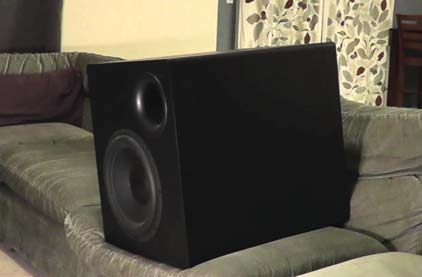
Isolation pads help reduce vibrations from your subwoofer. They stop sound from shaking the bookshelf and walls. This leads to cleaner bass with less noise and distortion. Pads also protect furniture from damage caused by vibrations. Place the pads under the subwoofer for best results.
Credit: www.svsound.com
Adjusting For Different Room Setups
Adjusting your subwoofer placement depends on your room setup. Different spaces affect how bass sounds. Finding the right spot helps balance sound with your bookshelf speakers. Small changes can improve audio quality and create a better listening experience.
Open Vs. Closed Spaces
Open rooms spread sound waves more. Bass may feel weak if the subwoofer is far from walls. Place the subwoofer closer to corners for stronger bass in open spaces. Closed rooms trap sound, making bass louder and more focused. Position the subwoofer a little away from walls to avoid boomy sound. Experiment with distance in both room types for best results.
Multi-subwoofer Arrangements
Using more than one subwoofer evens out bass in the room. Place subs in different corners or along walls for wider coverage. Avoid clustering subs too close together to reduce sound overlap. Multiple subs reduce dead spots and improve bass consistency. Test and adjust distances from shelves to keep sound clear and balanced.

Credit: totemacoustic.com
Frequently Asked Questions
How Close Should A Subwoofer Be To A Bookshelf?
Place your subwoofer at least 1 to 3 feet away from your bookshelf. This distance helps reduce vibrations and prevents sound distortion. It also avoids interference with bookshelf acoustics, ensuring clearer bass performance and better overall sound quality.
Does Subwoofer Placement Affect Bookshelf Sound Quality?
Yes, subwoofer placement impacts bookshelf sound quality. Proper distance prevents bass frequencies from overwhelming bookshelf speakers. It maintains sound balance and clarity. Incorrect placement causes muddled audio and vibrations that degrade listening experience.
Can Placing A Subwoofer Too Close Damage My Bookshelf?
Placing a subwoofer too close can cause vibrations. These vibrations might loosen shelf items or cause structural damage over time. Maintaining a safe distance protects your bookshelf and ensures optimal sound performance from both devices.
What Is The Ideal Distance For Subwoofer Bass Clarity?
The ideal distance is generally 1 to 3 feet away from the bookshelf. This spacing allows bass waves to blend naturally with other speakers. It prevents bass peaks and nulls, providing smooth, clear low-frequency sound.
Conclusion
Finding the right distance between your subwoofer and bookshelf is key. Too close can cause sound distortion. Too far may weaken the bass effect. Try placing the subwoofer a few inches from the bookshelf. Adjust the position and listen carefully.
Small changes can make a big difference. Trust your ears to guide you. This simple step improves your audio experience greatly. Enjoy richer, clearer bass every time.