Are you struggling with attaching the back of your bookshelf? You’re not alone.
Getting this step right is crucial for making your bookshelf sturdy and safe. Imagine your bookshelf wobbling or collapsing because the back isn’t secured properly—that’s a problem you want to avoid. In this guide, you’ll discover simple, clear steps to attach the back of your bookshelf confidently and quickly.
By the end, you’ll have a strong, reliable bookshelf ready to hold all your favorite books and decorations. Keep reading to learn how to make your bookshelf last.
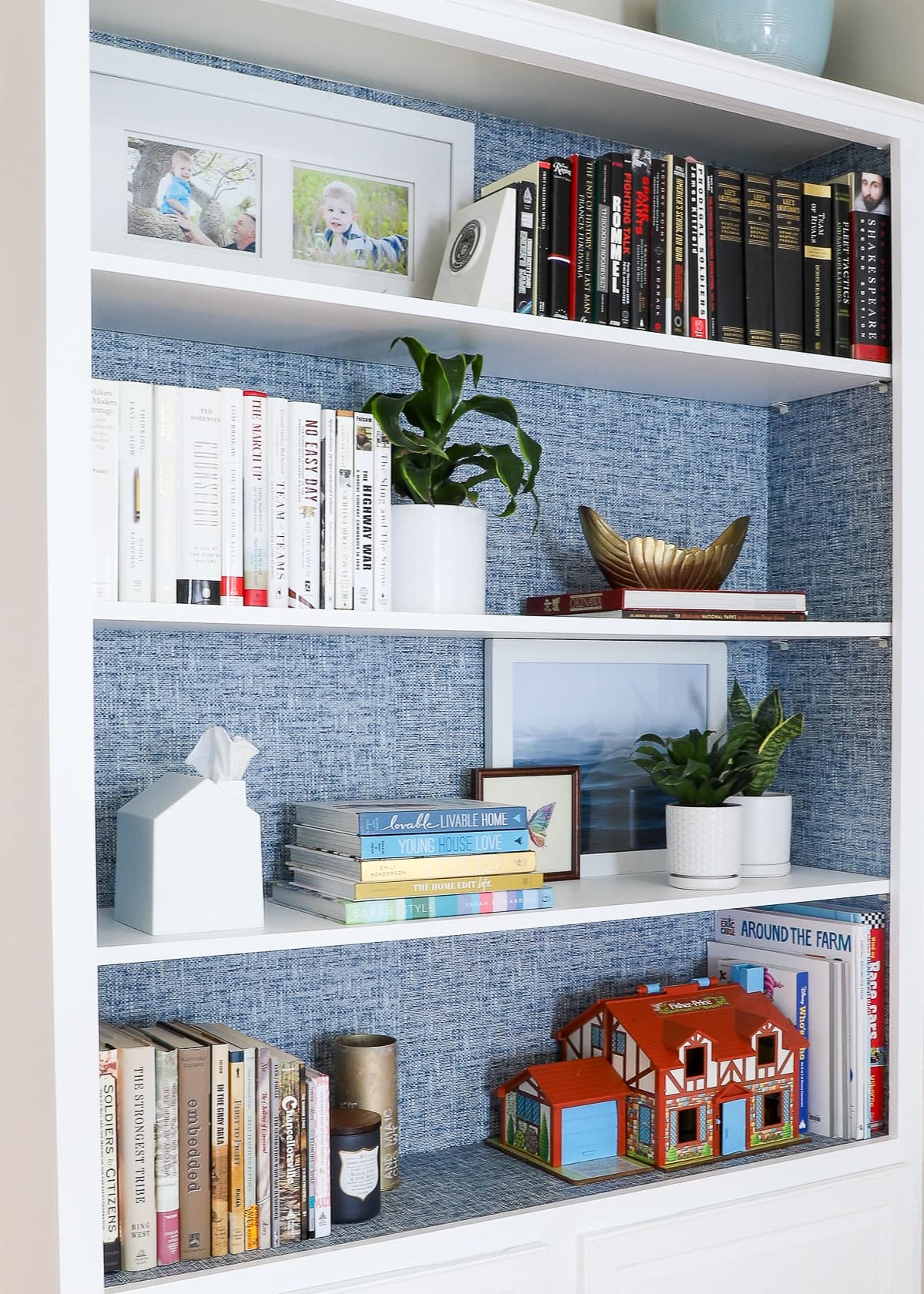
Credit: thehomesihavemade.com
Choosing The Right Materials
Choosing the right materials is key to attach the back of a bookshelf properly. The materials affect the strength, look, and durability of your shelf. Picking good materials helps your shelf stay stable and last longer. Focus on the back panel and fasteners. Both parts work together to secure the shelf.
Selecting Back Panel Options
The back panel keeps the bookshelf square and steady. Common choices include plywood, MDF, and hardboard. Plywood is strong and holds nails well. MDF is smooth and easy to paint. Hardboard is thin and lightweight. Choose a panel that fits your shelf size and budget. Thicker panels give more support but cost more. Think about the style too. A painted back panel can add color to your shelf.
Picking Appropriate Fasteners
Fasteners hold the back panel to the bookshelf frame. Nails and screws are the most used fasteners. Nails are quick to use but may loosen over time. Screws give a firmer hold and can be tightened if needed. Use small nails or screws to avoid splitting the wood. Choose galvanized or coated fasteners to prevent rust. The right length keeps the panel secure without poking through.
Preparing The Bookshelf Frame
Preparing the bookshelf frame is the first important step for attaching the back. This stage ensures the back fits well and stays secure. A well-prepared frame helps avoid mistakes and saves time during assembly.
Measuring And Marking
Start by measuring the height and width of the bookshelf frame. Use a tape measure for exact numbers. Mark the center points on the top and bottom edges with a pencil. These marks guide where to place the back panel. Double-check measurements to avoid errors. Clear, accurate marks make the next steps easier.
Cleaning The Surface
Remove dust and dirt from the frame edges using a dry cloth. Clean surfaces help glue and nails stick better. Wipe away any grease or sticky spots with a damp cloth. Let the wood dry completely before attaching the back. A clean, dry surface ensures a strong hold and a neat finish.
Attaching The Back Panel
Attaching the back panel is a key step in building a sturdy bookshelf. The back panel adds stability and keeps the frame square. It also prevents books from falling through the back. Taking time to attach it properly makes your bookshelf last longer and hold more weight.
Aligning The Panel
Start by placing the back panel flat against the bookshelf frame. Make sure the edges line up evenly with the sides and bottom. Check that the panel fits snugly without gaps. Use clamps or have someone hold it steady. Proper alignment ensures the bookshelf stays square and strong.
Securing With Nails Or Screws
Use small nails or screws to attach the panel securely. Space them about 6 to 8 inches apart along each edge. Drive nails or screws straight to avoid splitting the wood. Countersink screws slightly for a smooth finish. This holds the back panel tightly and adds strength to the bookshelf.

Credit: www.wikihow.com
Enhancing Shelf Stability
Enhancing the stability of your bookshelf ensures it holds weight safely and lasts longer. A strong back attachment prevents wobbling and keeps shelves level. Small steps during assembly make a big difference in durability and safety.
Adding Corner Braces
Corner braces give extra support at shelf joints. Attach metal braces inside each corner of the back panel. Use screws to fix braces tightly. This stops the shelf from shifting or twisting under weight. Corner braces are simple but improve shelf strength a lot.
Using Wood Glue For Extra Hold
Wood glue strengthens the bond between the back panel and shelf frame. Apply glue along the edges before screwing the back on. The glue fills tiny gaps and holds parts firmly together. This reduces movement and helps the shelf stay steady over time. Use a strong, fast-drying wood glue for best results.
Finishing Touches
After attaching the back of your bookshelf, the final step is the finishing touches. These small details make your bookshelf look neat and complete. Taking time here improves both the look and feel of your project.
Focus on smoothing edges and adding color or protection. This not only helps the wood last longer but also makes your bookshelf more pleasant to touch and see.
Sanding Rough Edges
Use fine-grit sandpaper to smooth any rough edges. Sand along the grain of the wood carefully. This prevents splinters and gives a clean, polished look.
Check all corners and edges for uneven spots. Sand until the surface feels smooth to your hand. Clean off dust with a soft cloth before moving on.
Painting Or Staining
Choose paint or stain that fits your room’s style. Paint covers the wood completely, offering many colors. Stain shows the wood grain while changing its shade.
Apply thin, even coats with a brush or cloth. Let each coat dry fully before adding more. This protects the wood and enhances its beauty.

Credit: www.reddit.com
Frequently Asked Questions
How Do I Attach The Back Panel To A Bookshelf?
To attach the back panel, align it with the bookshelf frame. Use nails or screws along the edges. Ensure it is flush and secure for stability and support.
What Tools Are Needed To Attach A Bookshelf Back?
You need a hammer or drill, nails or screws, and a measuring tape. A level can help ensure the back panel is straight and even.
Can I Use Glue Instead Of Nails For Bookshelf Backs?
Glue can be used but is less secure than nails or screws. For a sturdy bookshelf, use nails or screws to firmly attach the back panel.
Why Is Attaching The Back Important For Bookshelf Stability?
The back panel prevents the bookshelf from swaying sideways. It adds rigidity and keeps shelves aligned, ensuring the furniture remains stable and safe.
Conclusion
Attaching the back of a bookshelf is a simple task. It adds strength and keeps shelves steady. Use the right tools and follow steps carefully. Tighten screws or nails firmly for best results. A secure back prevents wobbling and damage.
Take your time and check your work often. Enjoy a strong and tidy bookshelf that lasts. This small effort improves your furniture greatly.