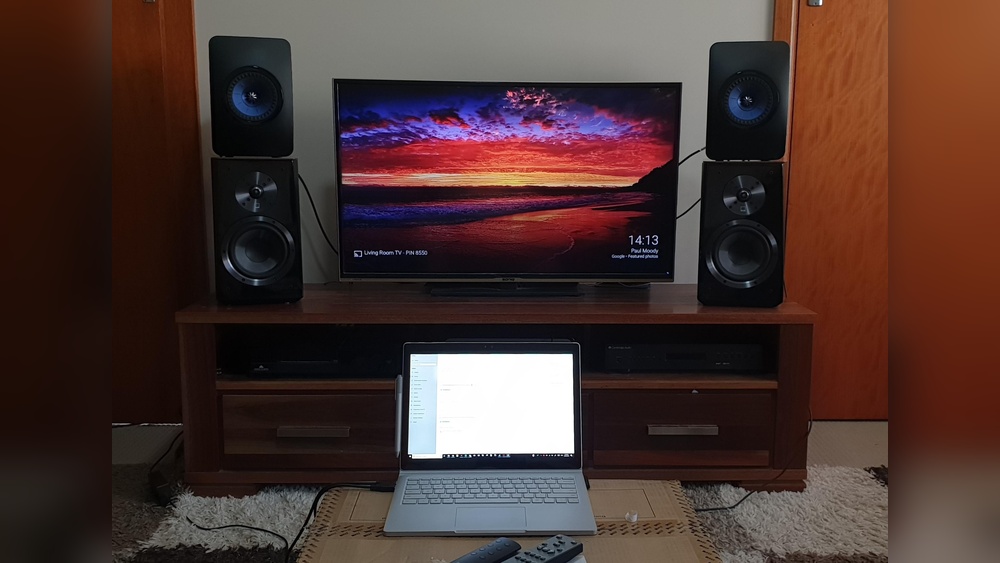
Do you love your bookshelf speakers but feel like they could sound better? You’re not alone.
Many people wonder how to get richer, clearer sound without buying a whole new system. The good news is, upgrading your speakers’ sound is easier than you think. You’ll discover simple, effective ways to boost your audio experience. Imagine hearing every note and beat with more depth and clarity—sounds amazing, right?
Keep reading, and you’ll learn how to make your favorite music and movies come alive like never before.

Credit: www.amazon.com
Assess Your Current Setup
Upgrading the speaker components is a smart way to improve your bookshelf speaker’s sound. Changing parts inside the speaker can make a big difference. Better components help produce clearer and richer audio. This approach lets you keep your speaker’s style while improving quality. Focus on the main parts: drivers, crossover networks, and cables.
Replace Speaker Drivers
Speaker drivers are the parts that create sound. Old or low-quality drivers can limit your speaker’s performance. Swapping them for better drivers can boost clarity and bass. Choose drivers that match your speaker size. Look for drivers with good materials like Kevlar or polypropylene. This upgrade makes your music sound fuller and more natural.
Add Quality Crossover Networks
Crossover networks send the right frequencies to each driver. Cheap crossovers can cause muddy or unclear sound. Installing high-quality crossovers improves the balance between highs and lows. This upgrade helps each driver work well on its own. The result is cleaner sound and less distortion. Quality crossovers bring out the true detail in your music.
Use Better Speaker Cables
Speaker cables carry the sound signal from your amplifier. Poor cables can weaken the signal and reduce sound quality. Using thicker, well-made cables ensures a strong connection. Look for cables with good shielding to avoid interference. This simple change can increase the clarity and depth of your sound. Good cables protect your investment in better drivers and crossovers.
Upgrade Speaker Components
Improving the sound of your bookshelf speaker starts with the audio source. Clear and high-quality audio files make a big difference. The better the source, the better your speakers will sound. Small upgrades here can lead to richer and more detailed music playback.
Choose High-resolution Audio Files
High-resolution audio files store more sound details than regular files. These files capture subtle sounds and nuances. Choose formats like FLAC or WAV for better clarity. Streaming services also offer high-res options. Using these files helps your speakers play music closer to the original recording.
Upgrade Your Amplifier
A good amplifier powers your speakers better. It delivers clean and strong signals. This reduces distortion and improves sound clarity. Match the amplifier’s power to your speakers’ needs. A proper amplifier can reveal hidden details in your music. It also enhances bass response and overall dynamics.
Use Dedicated Digital-to-analog Converters
Digital-to-Analog Converters (DACs) change digital music into sound. Built-in DACs in devices may lower sound quality. A dedicated DAC improves signal accuracy. It reduces noise and interference. Adding a DAC brings out more depth and warmth in music. This small device greatly refines your listening experience.
Enhance Audio Source Quality
Incorporating acoustic treatments can greatly improve your bookshelf speaker’s sound. These treatments manage sound reflections and reduce echoes. They create a cleaner and more balanced audio experience. Proper treatment helps your speakers perform at their best.
Add Absorptive Panels
Absorptive panels soak up sound waves that bounce around the room. They reduce echo and unwanted reverberation. Placing panels on walls near your speakers softens harsh sounds. This makes music clearer and vocals easier to understand. Use foam or fabric-covered panels for good absorption.
Use Bass Traps
Bass traps control low-frequency sounds that often cause muddiness. Corners of a room tend to build up bass energy. Adding bass traps in these spots balances the bass response. This results in tighter and cleaner low notes. Foam or fiberglass bass traps work well for this purpose.
Install Diffusers
Diffusers scatter sound waves evenly across the room. They prevent sound from bouncing back directly to your ears. This reduces harsh reflections without deadening the sound. Diffusers keep the room lively and natural sounding. Wood or plastic diffusers are common and effective choices.
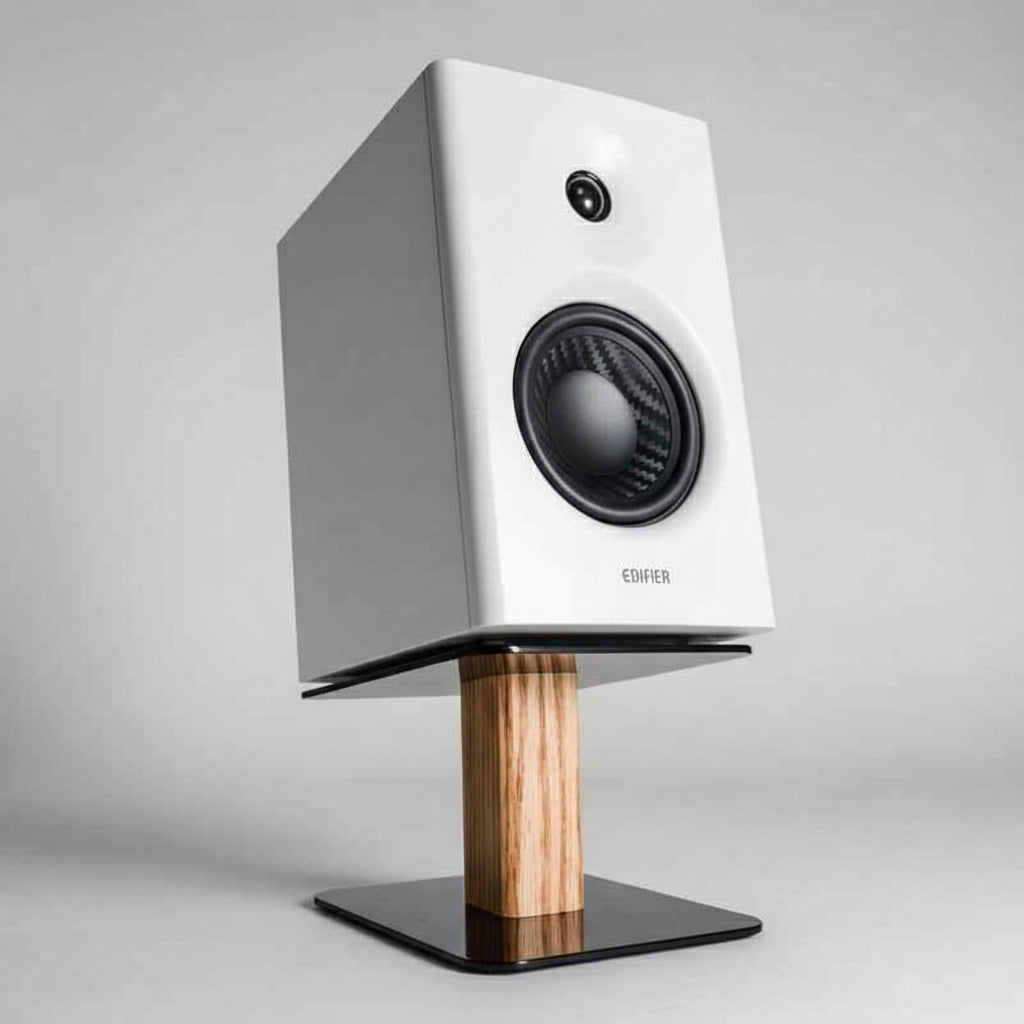
Credit: iwoodstore.com
Optimize Speaker Positioning
Improving your bookshelf speaker’s sound can be simple with external tools. These devices help your speakers perform better without replacing them. They can boost bass, clear sound, and add wireless convenience. Consider these easy upgrades to enjoy richer audio.
Add A Subwoofer
A subwoofer handles low bass frequencies your bookshelf speakers may miss. It makes music and movies feel full and deep. Adding a subwoofer brings powerful bass that small speakers cannot produce alone. Connect it to your system and feel the difference in sound quality.
Connect To A Sound Processor
A sound processor adjusts audio signals for clearer sound. It improves detail, balance, and volume control. Using one helps your speakers deliver smooth and natural audio. This device works well for fine-tuning sound for music or movies. It makes your listening experience more enjoyable.
Use Wireless Audio Transmitters
Wireless audio transmitters let you connect speakers without cables. They reduce clutter and offer more placement options. This device sends sound signals from your source to the speakers smoothly. Wireless connection keeps sound quality strong and stable. It adds freedom to your room setup.

Credit: www.bhphotovideo.com
Frequently Asked Questions
How Can I Improve Bookshelf Speaker Sound Quality?
Place speakers on sturdy stands away from walls. Use quality speaker cables and ensure proper amplifier matching for clear, balanced sound.
What Room Setup Enhances Bookshelf Speaker Performance?
Arrange speakers at ear level with equal distance. Minimize reflective surfaces and add soft furnishings to reduce echo and improve sound clarity.
Does Upgrading Speaker Wires Improve Sound?
Yes, high-quality speaker wires reduce signal loss. Use oxygen-free copper cables with proper gauge for better audio transmission.
Can Adding A Subwoofer Boost Bookshelf Speaker Bass?
Yes, a subwoofer complements bookshelf speakers by enhancing low frequencies. It provides deeper, richer bass for a fuller sound experience.
Conclusion
Upgrading your bookshelf speaker sound can be simple and fun. Try changing speaker placement or adding a quality amplifier. Using better cables also helps improve sound clarity. Small tweaks often bring noticeable differences in audio quality. Enjoy clearer music and richer tones from your speakers.
Keep experimenting to find the best setup for your room. Sound upgrades do not have to be expensive or hard. Start with easy steps and feel the improvement today.