Are you dreaming of a stylish bookshelf but worried about the cost? Building your own bookshelf doesn’t have to drain your wallet.
Imagine having a custom piece that fits your space perfectly and holds all your favorite books—all without spending a fortune. In this guide, you’ll discover simple, budget-friendly steps to create a sturdy bookshelf that looks great. Keep reading, and by the end, you’ll be ready to start building your own beautiful bookshelf for cheap.
Materials On A Budget
Building a bookshelf on a tight budget requires smart choices about materials. Picking the right supplies can save money and still create a sturdy shelf. It helps to know which woods are cheap and what other materials can work well. Also, having the right tools makes the job easier and faster.
Choosing Affordable Wood
Pine is a popular choice for budget bookshelves. It is soft, easy to cut, and costs less than hardwood. Plywood also works well and is often cheaper than solid wood. Look for wood at local lumberyards or home improvement stores. Sometimes, you can find leftover wood pieces at a discount. Avoid expensive hardwoods like oak or maple for this project.
Alternative Materials To Consider
Particleboard and MDF are great low-cost options. They are smooth and easy to paint. These materials hold screws well and can support books if built correctly. Recycled wood from old furniture or pallets can save money too. Just check for damage or pests before using them. Plastic crates or metal shelving units can also serve as book storage at low prices.
Essential Tools You Need
A basic set of tools is enough to build a simple bookshelf. A handsaw or circular saw will cut your wood. A drill helps to make holes and drive screws. Sandpaper smooths rough edges for a clean finish. Measuring tape and a pencil keep your cuts accurate. Clamps are useful to hold pieces together while working. These tools do not cost much and last for many projects.
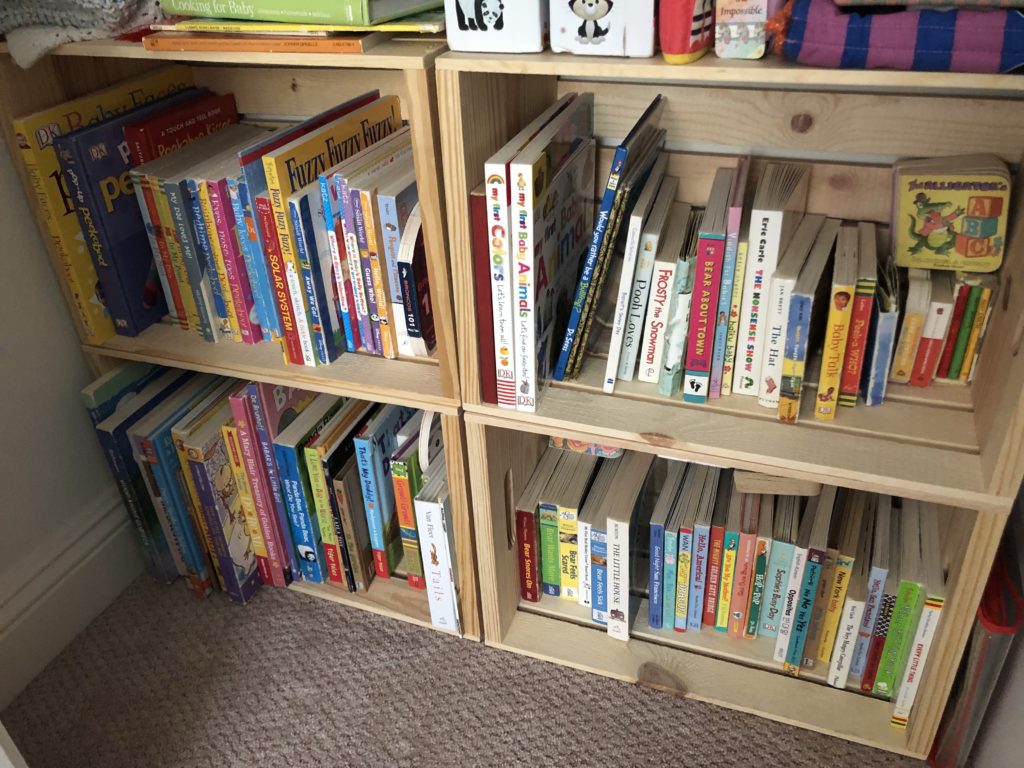
Credit: ecofriendlymama.com
Planning Your Bookshelf
Planning your bookshelf is the first step to build it cheaply and well. Good planning saves money and time. It helps you avoid mistakes. Think about where the bookshelf will go and what it will hold. This makes the whole project easier and more successful.
Measuring Your Space
Start by measuring the space for your bookshelf. Use a tape measure for width, height, and depth. Write down these numbers clearly. Check if there are any obstacles like power outlets or vents. Consider how much room you want around the bookshelf. This prevents buying too much or too little material.
Design Ideas For Small Budgets
Simple designs work best with small budgets. Open shelves cost less than closed ones. Use wood scraps or recycled materials for shelves. A basic frame with adjustable shelves can save money. Avoid complex shapes or fancy decorations. Focus on strength and usefulness. This keeps costs low and builds easy.
Sketching A Simple Blueprint
Draw your bookshelf plan on paper. Use your measurements to make a clear sketch. Include the number of shelves and their spacing. Mark where screws or nails will go. This blueprint guides your work and ordering materials. A simple drawing prevents mistakes and saves money.
Step-by-step Assembly
Building a bookshelf cheaply is easier than it seems. Follow clear steps to assemble your own shelf. This guide breaks down the process into simple parts. Each step helps you build a sturdy and useful bookshelf. Let’s start with the cutting of wood pieces.
Cutting The Wood Pieces
Measure the size you want for your bookshelf. Mark the wood clearly before cutting. Use a saw to cut the wood carefully. Cut the side panels, shelves, and back pieces. Make sure each piece is straight and smooth. Proper cuts help the bookshelf fit together well.
Assembling The Frame
Start by joining the two side panels with the top and bottom pieces. Use screws or nails to hold them firmly. Check that the frame is square and even. Tighten all fasteners to make the frame strong. This frame will support the entire bookshelf.
Adding Shelves And Supports
Place shelf supports inside the frame at equal distances. Attach the shelves on top of these supports. Use screws to secure shelves so they do not move. Add extra supports if shelves will hold heavy items. Proper support prevents sagging and breaks.
Sanding And Finishing Touches
Sand all surfaces to remove rough edges and splinters. Use fine sandpaper for a smooth finish. Wipe off dust with a clean cloth. Paint or stain your bookshelf for protection and style. Let it dry completely before use. This step makes the bookshelf safe and nice to look at.

Credit: www.youtube.com
Cost-saving Tips
Building a bookshelf on a budget is very possible with smart cost-saving tips. These ideas help lower expenses without losing quality. Small changes can make a big difference in your project’s cost.
Careful planning and resourcefulness stretch your budget further. Saving money allows you to create a sturdy and attractive bookshelf. Focus on using what you already have and finding deals.
Repurposing Old Materials
Use old wood, pallets, or furniture parts to build your bookshelf. These materials often need little work and cost nothing. Sand and paint old pieces to give them new life. Repurposing saves money and adds character to your shelf.
Buying Supplies In Bulk
Purchase nails, screws, and wood in larger quantities. Bulk buying lowers the price per item. Plan your project well to avoid waste. Share bulk materials with friends to split costs. This approach cuts expenses on common supplies.
Using Free Online Resources
Find free bookshelf plans and tutorials online. Videos and guides show step-by-step instructions. Use these to avoid paying for design help. Free resources give ideas and tips to build better shelves. Learn from experts without spending money.
Decorating Your Bookshelf
Decorating your bookshelf makes it more than just a place for books. It turns your shelf into a part of your room’s style. Simple touches can bring life and personality to your space. Decorating does not need to be costly. Small changes can create a big impact.
Budget-friendly Paint Options
Paint changes the look of your bookshelf fast and cheap. Choose colors that match your room’s theme. Use leftover paint from other projects to save money. Spray paint works well for a smooth finish. Chalk paint gives a matte, vintage feel. Both options are easy to apply and dry quickly.
Creative Storage Solutions
Use baskets or boxes to keep small items neat. Repurpose jars or tins to hold pens and tools. Stack books both vertically and horizontally for visual interest. Add shelf dividers made from cardboard or wood scraps. These ideas help organize without extra cost. They also make your shelf look tidy and stylish.
Personalizing With Accessories
Display small plants for a fresh, natural touch. Frame photos or artwork to show your personality. Add candles or decorative objects for warmth. Use bookends that reflect your hobbies or interests. Personal items make your bookshelf feel unique and special. They tell your story while keeping the space inviting.

Credit: southernyankeediy.com
Frequently Asked Questions
How Can I Build A Bookshelf On A Tight Budget?
Use affordable materials like plywood or reclaimed wood. Buy supplies from discount stores or reuse old furniture parts. Keep the design simple to save on costs and tools. Planning ahead reduces waste and extra expenses.
What Tools Do I Need To Build A Cheap Bookshelf?
Basic tools include a saw, drill, measuring tape, and screwdriver. Sandpaper and wood glue help with finishing. You can rent or borrow tools to avoid buying expensive equipment for a one-time project.
How Do I Choose Wood For An Inexpensive Bookshelf?
Opt for plywood, MDF, or reclaimed wood as budget-friendly options. These materials are durable and easy to work with. Avoid hardwoods, which are costly. Check for smooth surfaces to minimize sanding and finishing time.
How Long Does It Take To Build A Diy Bookshelf?
Building a simple bookshelf can take 2 to 4 hours. Time varies with design complexity and skill level. Preparing materials and drying time for glue or paint may add extra hours.
Conclusion
Building a bookshelf for cheap is easier than you think. Use simple materials and basic tools. Follow clear steps and take your time. You can create a strong, useful shelf without spending much. Enjoy organizing your books and saving money.
This project brings satisfaction and a neat space. Try it yourself and see the results. Crafting your own bookshelf feels rewarding and smart. Keep learning and improving your skills with each project. Simple projects like this make your home more personal and cozy.