Are you looking for a unique way to display your books and add character to your space? Building a pipe shelving bookshelf might be just what you need.
Not only does it give your room an industrial, stylish look, but it’s also strong and customizable to fit your style and space perfectly. Imagine having a bookshelf that stands out and holds all your favorite reads securely. In this guide, you’ll discover simple steps to create your own pipe shelving bookshelf, even if you’re new to DIY projects.
Ready to turn your ideas into a functional and eye-catching piece? Let’s get started!

Credit: sawdustsisters.com
Materials Needed
Building a pipe shelving bookshelf needs the right materials. These materials affect the shelf’s strength and look. Choosing quality items ensures your bookshelf lasts long and looks great.
Below are the main materials needed. Each part plays a key role in the project.
Types Of Pipes
Black steel pipes are common for pipe shelves. They are strong and have a classic look. Galvanized pipes resist rust and fit well in damp spaces. Threaded pipes help connect parts firmly. Choose pipes with the right diameter for your shelf size.
Wood Selection
Wood adds warmth and style to pipe shelves. Pine is affordable and easy to work with. Oak is tough and has a nice grain. Walnut offers a darker, rich finish. Pick wood that fits your style and space needs. Smooth the wood edges for safety and look.
Tools Required
Basic tools make building easier. A drill is needed to make holes in wood. A pipe wrench tightens pipe connections. A saw cuts wood to size. A level keeps your shelf straight. Sandpaper smooths wood surfaces. Have a measuring tape to get exact sizes.
Additional Supplies
Screws hold wood and pipes together tightly. Flanges help fix pipes to walls or floors. Wood stain or paint protects and colors wood. Pipe caps finish pipe ends for safety. Thread seal tape prevents leaks in pipe joints. Use gloves and goggles to stay safe.

Credit: www.reddit.com
Planning Your Bookshelf
Planning your pipe shelving bookshelf is the first step toward a successful project. Good planning helps save time and materials. It ensures the finished shelf fits well and holds your items safely.
Careful thought about size, style, and strength makes a big difference. Think about where you want the shelf and what it will hold. Clear plans reduce mistakes and make building easier.
Measuring Space
Measure the wall space where the shelf will stand. Use a tape measure and note width, height, and depth. Allow extra room for pipes and brackets. Check for obstacles like outlets or vents.
Mark these measurements on paper. This helps visualize the shelf size. Confirm the shelf will not block doors or windows.
Design Ideas
Decide the style of your pipe bookshelf. Choose between rustic, industrial, or modern looks. Think about the color of pipes and wood shelves. Sketch your idea or find pictures for inspiration.
Plan the number of shelves and their spacing. More shelves mean more storage but less space per shelf. Balance style with function to suit your needs.
Weight Considerations
Consider the weight of items you will store. Books and tools need strong support. Pipes and wood must hold weight without bending.
Choose thick pipes and sturdy wood for heavy loads. Plan to use extra brackets if needed. Proper weight support keeps your shelf safe and long-lasting.
Pipe Layout
Plan how the pipes will connect and support shelves. Decide the vertical and horizontal pipe positions. Pipes should hold shelves steady and evenly.
Think about pipe joints and flanges for stability. Sketch the pipe framework before buying materials. A clear pipe layout saves time during assembly.
Cutting And Preparing Materials
Preparing materials correctly is key to building a strong pipe shelving bookshelf. Careful cutting and finishing ensure all parts fit well and look great. This step saves time and effort during assembly. Follow clear measures and work safely.
Cutting Wood Shelves
Start by selecting good wood boards. Measure the shelf length carefully. Mark the wood with a pencil before cutting. Use a saw that suits your skill level. Cut straight to avoid uneven edges. Check each shelf piece after cutting.
Measuring And Cutting Pipes
Measure pipe lengths according to your design. Mark the pipes clearly with tape or marker. Use a pipe cutter or hacksaw for clean cuts. Cut slowly to prevent rough edges or bends. Test fit the pipes with wood shelves to check length.
Sanding And Finishing Wood
Sand the wood surfaces smoothly using sandpaper. Start with coarse grit, then use fine grit for a soft finish. Remove dust with a dry cloth after sanding. Apply a wood finish or paint to protect and enhance appearance. Let the finish dry completely before assembly.
Assembling The Frame
Assembling the frame is the first big step in building your pipe shelving bookshelf. It creates the strong skeleton that holds everything together. Take your time and work carefully to make sure every part fits well.
Start by organizing all your pipes and fittings. Check if you have all parts ready before you begin the assembly.
Connecting Pipes
Begin by joining the pipes that form the vertical and horizontal parts. Use pipe connectors to link the pipes tightly. Turn them slowly to avoid cross-threading. Keep the pipes aligned to ensure a straight frame.
Securing Pipe Joints
Once connected, tighten each joint firmly. Use a pipe wrench to make sure they do not move. Loose joints can weaken the structure and cause wobbling. Check every connection twice for a secure fit.
Attaching Base Supports
Next, attach the base supports to the bottom pipes. These parts keep the shelf stable on the floor. Screw the supports tightly into place. Make sure the frame stands level by adjusting the base if needed.
Installing The Shelves
Installing the shelves is a key step in building your pipe shelving bookshelf. This stage brings your project to life by holding the shelves firmly on the pipes. Careful installation ensures the shelves stay strong and steady for years.
Positioning Shelves On Pipes
Start by placing each shelf at the desired height on the pipe frame. Use a level to check that shelves are straight. Align the shelves so they fit evenly between pipes. Take your time to ensure perfect placement before securing.
Securing Shelves
Use screws or pipe clamps to fix shelves onto the pipes. Tighten screws well but avoid damaging the wood. Clamps provide a strong hold and can be adjusted later. Double-check each shelf to make sure it is firmly attached.
Adjusting For Stability
After securing, test each shelf for wobble or movement. Adjust screws or clamps if shelves feel loose. Add small rubber pads under shelves to reduce slipping. Confirm the entire bookshelf stands steady without rocking.
Finishing Touches
Finishing touches give your pipe shelving bookshelf a polished look. These small steps protect the wood and metal. They also add style to your piece. Taking time here makes your shelf last longer and look better.
Painting Or Staining
Choose paint or stain based on your room’s style. Paint adds color and hides wood grain. Stain shows natural wood patterns and adds warmth. Apply thin coats for smooth, even coverage. Let each coat dry completely before next application.
Adding Protective Coating
Protective coating keeps your shelf safe from scratches and moisture. Use clear polyurethane or varnish for wood surfaces. For pipes, consider a clear spray to prevent rust. Apply coatings in a well-ventilated area. Multiple thin layers work better than one thick layer.
Decorative Elements
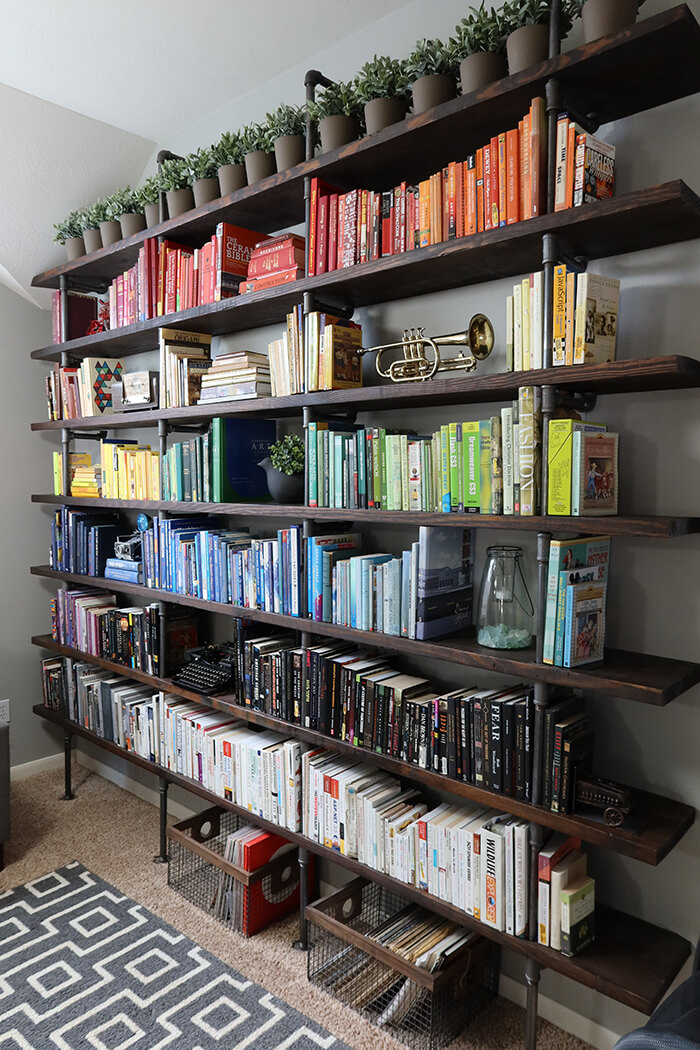
Decorate your shelf to fit your space. Add small plants, books, or art pieces. Use baskets or boxes to organize items neatly. Consider attaching LED strips under shelves for soft lighting. These elements make your shelf both useful and beautiful.
Maintenance Tips
Maintaining your pipe shelving bookshelf keeps it strong and looking good. Regular care stops problems before they start. Follow simple steps to ensure your shelf lasts a long time.
Cleaning Guidelines
Dust your pipe shelving weekly using a soft cloth. Avoid harsh chemicals that can damage the metal and wood. Use a mild soap solution to clean tough spots. Wipe dry immediately to prevent water marks and rust.
Checking For Loose Fittings
Inspect all joints and fittings every few months. Tighten screws and bolts with a wrench or screwdriver. Loose parts can cause instability and damage. Secure fittings keep your shelf safe and sturdy.
Preventing Rust And Damage
Keep the shelf away from damp or humid places. Apply a rust-resistant spray or paint to metal pipes. Use felt pads under wooden shelves to avoid scratches. Regular care protects your pipe shelving from wear and tear.
Credit: grayhousestudio.com
Frequently Asked Questions
What Materials Are Needed For Pipe Shelving Bookshelf?
You need metal pipes, pipe flanges, wooden boards, screws, and a drill. These materials ensure sturdy and stylish shelving.
How Do I Measure For Pipe Shelving Installation?
Measure your wall space and shelf dimensions carefully. Accurate measurements ensure proper pipe length and shelf fit.
Can I Customize Pipe Shelving To Fit My Space?
Yes, pipe shelving is highly customizable. You can adjust pipe length, shelf size, and configuration to suit your needs.
Is Pipe Shelving Suitable For Heavy Books?
Yes, metal pipes provide strong support. Use thick wooden boards to safely hold heavy books without sagging.
Conclusion
Building a pipe shelving bookshelf is simple and fun. You only need some basic tools and materials. Follow each step carefully for the best result. This type of shelf is strong and looks great in any room. You can change its size to fit your space.
It also holds many books and items easily. Try making one yourself to add style and storage at home. Enjoy your new, handmade bookshelf every day.
