Have you ever wondered how a floating bookshelf holds your favorite books without any visible support? It almost feels like magic, doesn’t it?
Understanding how a floating bookshelf works can change the way you see your space and inspire you to add a sleek, modern touch to your home. By the end of this article, you’ll know exactly what makes these shelves stay firmly on your wall—and how you can use that knowledge to organize your books in style.
Ready to uncover the secret behind this clever design? Let’s dive in.

Credit: www.instructables.com
Design Of Floating Bookshelves
Floating bookshelves create a clean, modern look on any wall. Their design hides supports, making the shelf appear to hover. Understanding their design helps to appreciate how they hold weight safely. Each part works together to provide strength and style.
Hidden Mounting Systems
Floating shelves use hidden brackets or rods inside the shelf. These mounts attach directly to the wall studs. The shelf slides over or fits onto these mounts. This method keeps the support invisible. It creates a smooth, seamless look.
Materials And Construction
Wood is a common material for floating shelves. It offers strength and natural beauty. Some shelves use metal or engineered wood. The construction must be sturdy to hold books safely. Edges are often finished to look clean and smooth.
Weight Distribution
The shelf spreads the weight evenly across the mounting points. Proper design prevents sagging or falling. Mounts must be strong enough to hold heavy books. Shelves often have extra support inside to help carry the load.
Installation Process
Installing a floating bookshelf requires careful steps to ensure it holds your books safely. The process starts with selecting the right wall. Next, use proper anchoring techniques. Finally, check the shelf’s stability before use. Each step matters for a strong and neat finish.
Choosing The Right Wall
Pick a wall that can carry weight. Drywall alone may not be enough. Look for studs behind the wall for better support. Use a stud finder to locate these wooden beams. Avoid walls with pipes or wires inside. A solid wall keeps the shelf secure and safe.
Anchoring Techniques
Use strong anchors designed for your wall type. Screw the brackets into the studs for best results. If studs are not available, use heavy-duty wall anchors. These spread the load and prevent damage. Tighten screws firmly but do not overtighten. Proper anchoring prevents the shelf from falling.
Ensuring Stability
After installation, test the shelf’s strength. Place a few books and check for movement. The shelf should not wobble or tilt. Adjust screws or anchors if needed. A stable shelf protects your books and wall. Regularly check stability to keep it safe over time.
Benefits Of Floating Bookshelves
Floating bookshelves offer many benefits beyond just holding books. They bring practical and visual improvements to any room. These shelves make spaces look neat and stylish. They also fit well in different areas of the home.
Here are some key benefits of floating bookshelves that make them popular choices for many homes.
Space-saving Advantages
Floating bookshelves do not take up floor space. They mount directly on the wall, freeing up room below. This creates a cleaner and more open space. Small rooms or apartments gain extra space for other uses. They help keep floors clear and easy to clean.
Aesthetic Appeal
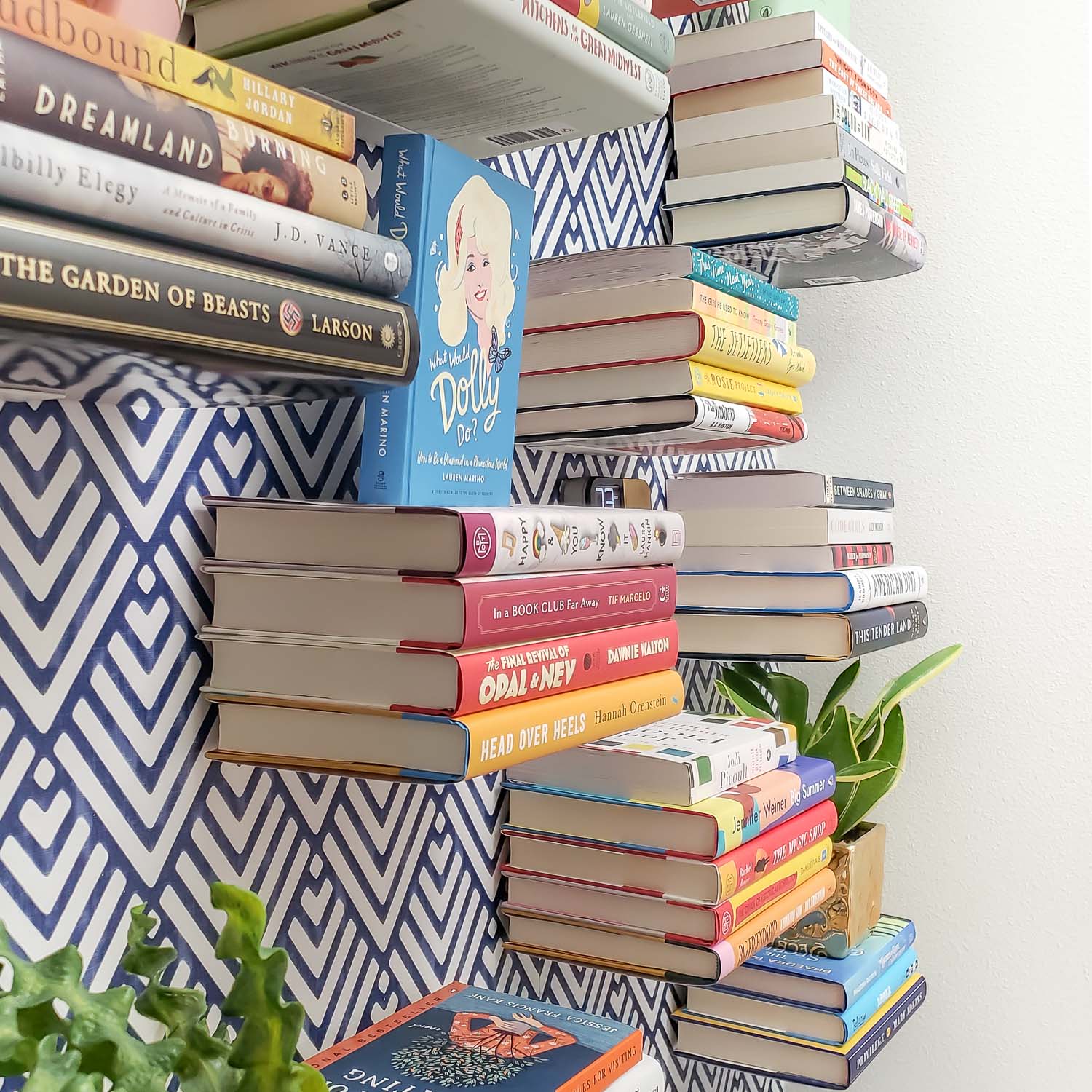
These shelves have a modern and simple look. They create a clean, uncluttered wall display. Books and decorative items seem to float in midair. This adds a unique and elegant touch to any room. They suit many décor styles, from minimalist to cozy.
Versatility In Placement
Floating bookshelves can be placed almost anywhere on the wall. Use them in living rooms, bedrooms, kitchens, or offices. They fit above desks, beds, or seating areas without crowding. Their flexible placement helps organize items neatly in any space.

Credit: www.techeblog.com
Styling Tips For Floating Shelves
Styling floating shelves can change the look of any room. These shelves offer a clean, modern way to show books and decor. Simple ideas can make them stand out. Keep the style neat and eye-catching.
Arranging Books Creatively
Place books both upright and flat for variety. Stack some books horizontally to break the line. Use colors to create a pattern or rainbow effect. Mix tall and short books to add interest. Avoid overcrowding the shelf to keep it tidy.
Incorporating Decor Items
Add small plants for a fresh, natural touch. Use photo frames with simple designs. Place candles or small sculptures to add charm. Combine different textures like wood and metal. Change items often to keep the look new.
Balancing Function And Style
Keep enough space for easy book access. Use shelves to store daily reading favorites. Balance decorative pieces with practical items. Make sure the shelf does not look too heavy. Let the shelf blend well with the room’s style.
Common Mistakes To Avoid
Floating bookshelves are stylish and practical. Many people make avoidable mistakes that reduce their strength and look. Knowing common errors helps keep shelves safe and neat. Avoid these pitfalls to enjoy your floating bookshelf fully.
Overloading Shelves
Each floating shelf has a weight limit. Putting too many books or heavy items causes bending or falling. Spread items evenly. Use lighter objects on smaller shelves. Check the manufacturer’s weight recommendation before filling your shelf.
Improper Installation
Incorrect mounting weakens the shelf’s hold. Skipping steps or using wrong tools causes problems. Use a level to keep shelves straight. Tighten screws properly but avoid over-tightening. Follow all instructions carefully for secure installation.
Ignoring Wall Type
Different walls need different anchors. Drywall alone cannot hold heavy shelves well. Studs, concrete, or brick require specific anchors or screws. Identify your wall type before installation. Using the wrong hardware risks shelf damage or collapse.
Credit: www.polishedhabitat.com
Frequently Asked Questions
How Does A Floating Bookshelf Support Weight Without Brackets?
A floating bookshelf uses hidden internal brackets or mounting plates inside the shelf. These brackets attach securely to wall studs. This design evenly distributes weight, allowing the shelf to hold books without visible supports, creating a clean, modern look.
What Materials Are Best For Floating Bookshelves?
Wood, metal, and MDF are common materials for floating bookshelves. Wood offers strength and aesthetic appeal. Metal provides durability and a sleek look. MDF is cost-effective and easy to paint. Material choice affects weight capacity and design style.
How Do You Install A Floating Bookshelf Securely?
To install securely, locate wall studs with a stud finder. Use appropriate anchors or screws for the wall type. Attach the hidden bracket firmly to the studs, then slide the shelf onto the bracket. Proper installation ensures safety and stability.
Can Floating Bookshelves Hold Heavy Books Safely?
Yes, floating bookshelves can hold heavy books if properly installed. The key is using strong wall anchors and mounting to studs. Shelves made from sturdy materials also improve weight capacity. Always check the manufacturer’s weight limit before loading.
Conclusion
Floating bookshelves hold books without visible supports. They use strong brackets hidden inside the shelf. This design creates a clean, modern look. You save floor space and keep walls neat. Installation is simple with basic tools and instructions. These shelves fit well in any room style.
They offer both style and function in small spaces. Try one to add charm and order to your home. A floating bookshelf is a smart choice for neat storage.
