Choosing the right mattress thickness for your bunk bed can feel tricky. You want something comfortable, but it also needs to be safe and fit perfectly.
If your mattress is too thick, it could make the bed unsafe. Too thin, and it won’t be comfortable to sleep on. You’ll discover exactly how thick a mattress should be to fit your bunk bed just right. Keep reading to find out what experts recommend and how to make sure your bunk bed is both cozy and secure.
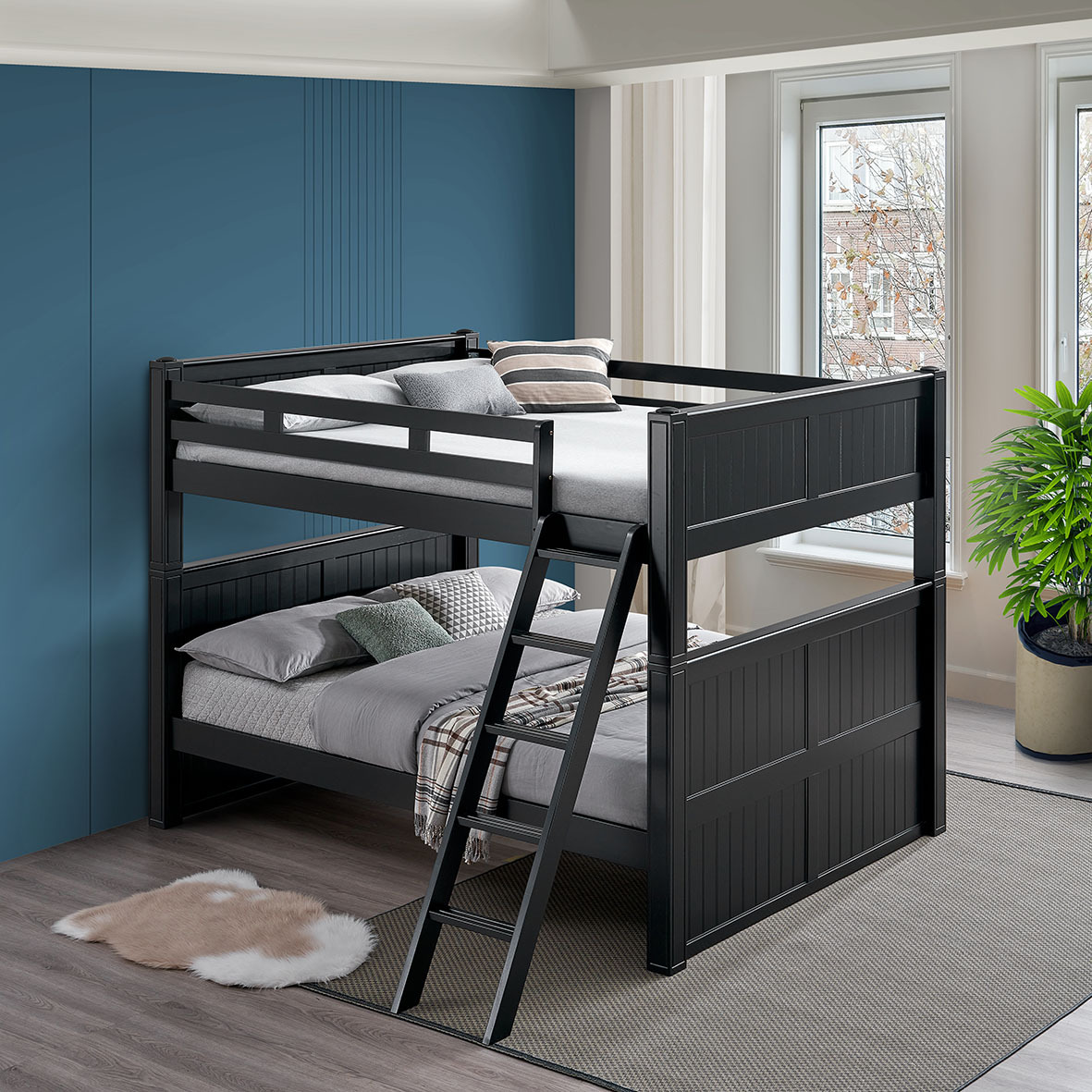
Credit: www.justbunkbeds.com
Bunk Bed Mattress Basics
Bunk beds save space and create a fun sleeping spot. Choosing the right mattress is key for safety and comfort. Mattresses for bunk beds differ from regular ones. This section covers the basics to help you pick the best fit.
Understanding the sizes and thickness of mattresses helps avoid problems. Too thick or too thin can cause discomfort or safety risks. Let’s explore the common sizes and thickness options available.
Standard Bunk Bed Sizes
Bunk beds usually come in twin or twin XL sizes. The most common mattress size is 39 inches wide and 75 inches long. Some bunk beds use full-size mattresses, which are wider and longer. Always check your bunk bed frame size before buying a mattress.
Knowing the size ensures the mattress fits well without gaps. A mattress that is too large may not fit the frame. A mattress that is too small can be unsafe for sleepers.
Common Mattress Thicknesses
Mattress thickness for bunk beds typically ranges from 6 to 8 inches. This thickness is ideal for safety rails to work properly. Thicker mattresses can raise the sleeper too high, increasing fall risk.
Thinner mattresses might not provide enough comfort or support. Choose a mattress with firm support to keep the sleeper safe. Foam and innerspring options both work well in these thicknesses.
Factors Affecting Mattress Thickness
Choosing the right mattress thickness for a bunk bed depends on several key factors. These factors ensure the mattress fits well and stays safe for users. Understanding these points helps pick the best mattress size for comfort and security.
Safety Considerations
Safety is the top priority for bunk beds. The mattress should not be too thick to prevent falling out. Guardrails need to rise above the mattress by at least 5 inches. A thick mattress can reduce this gap and increase risk. Thin mattresses keep the sleeper secure and safe.
Frame And Rail Clearance
The bunk bed frame limits mattress thickness. The mattress must fit inside the rails without pressing against them. Too thick a mattress can cause damage to the frame or create pressure points. Check the bed’s specifications for maximum mattress thickness allowed.
User Age And Weight
The mattress thickness may change based on who uses the bed. Children usually need thinner mattresses for safety and support. Adults or heavier users might need thicker, firmer mattresses for comfort. Balance thickness with safety to suit the user’s needs.
Recommended Mattress Thickness For Bunk Beds
Choosing the right mattress thickness for bunk beds is very important. The mattress must fit well to keep the bed safe and comfortable. Too thick a mattress can make the top bunk unsafe. Too thin a mattress can be uncomfortable to sleep on.
Knowing the recommended mattress thickness helps keep the bunk bed sturdy and secure. It also ensures the sleeper has enough support and comfort. Different rules apply for the top and bottom bunks because of safety and design.
Top Bunk Mattress Thickness
The mattress on the top bunk should not be too thick. Most experts suggest a mattress thickness of 6 to 8 inches for the top bunk. This thickness keeps the sleeper safe under the guardrails. It also prevents falling out of bed during sleep.
A mattress thicker than 8 inches can raise the sleeping surface too high. This can reduce the guardrail’s protection and increase the risk of injury. A thinner mattress may not offer enough comfort or support. Choose a mattress that fits snugly without gaps.
Bottom Bunk Mattress Thickness
The bottom bunk mattress can be thicker than the top bunk mattress. It usually fits in a frame with more clearance. A mattress thickness of 8 to 10 inches is often recommended for the bottom bunk.
This thickness provides good comfort and support for the sleeper. It still fits well inside the frame without affecting the top bunk’s safety. Avoid mattresses that are too thick as they can change the bed’s structure.
Choosing the right mattress thickness for each bunk keeps the bed safe and cozy. It helps create a better sleeping space for children or guests.

Credit: wiggaskateboards.com
Materials And Comfort
Choosing the right mattress material affects comfort and safety in a bunk bed. The mattress must be thin enough to fit the bed frame but still soft and supportive. Different materials offer various benefits. Let’s explore foam, innerspring, and hybrid mattresses.
Foam Mattresses
Foam mattresses are lightweight and flexible. They fit well in bunk beds because of their slim profile. Memory foam molds to the body, giving good support. Foam also absorbs movement, so the sleeper feels less bounce. These mattresses usually come in 6 to 8 inches thick, ideal for bunk beds.
Innerspring Mattresses
Innerspring mattresses use coils for support. They are firmer and provide good airflow. These mattresses tend to be thicker, often 8 to 10 inches. For bunk beds, choose a thinner option to keep safety rails effective. Innerspring mattresses offer a traditional feel and steady support.
Hybrid Options
Hybrid mattresses combine foam and innerspring layers. They balance softness and firmness well. Hybrid models often have a thinner foam top with a coil base. These mattresses provide good comfort and support in a compact size. A 7 to 8-inch hybrid mattress fits most bunk beds nicely.
Tips For Choosing The Right Mattress
Choosing the right mattress for a bunk bed takes care and thought. The mattress must fit well and be safe for use. It also needs to be comfortable for a good night’s rest. Here are some simple tips to help you pick the best mattress.
Measuring Your Bunk Bed
Start by measuring the bunk bed frame. Measure the length and width inside the bed rails. This ensures the mattress fits snugly without gaps. A mattress too thick might not fit under the guardrails. Measure carefully to avoid buying the wrong size.
Checking Weight Limits
Check the bunk bed’s weight capacity before choosing a mattress. The bed has a limit for safety reasons. Pick a mattress that is light enough to stay within this limit. Heavy mattresses can strain the bed frame and cause damage. A good mattress balances comfort and weight.
Considering Mattress Firmness
The mattress should feel firm enough to support the body. A soft mattress may cause discomfort or poor sleep. Too firm, and it might be hard to sleep on. Think about who will use the bunk bed. Kids may need softer mattresses than adults. Find a mattress that suits both comfort and safety.
Safety Tips For Bunk Bed Mattresses
Choosing the right mattress thickness for a bunk bed is key to safety. The mattress should fit well and not be too thick, especially on the top bunk. Proper mattress size and regular checks help prevent accidents and keep children safe.
Avoiding Thick Mattresses On Top Bunk
Thick mattresses on the top bunk can reduce guardrail height. This raises the risk of falling out during sleep. Always select a mattress that keeps guardrails visible and effective. A thinner mattress is safer and still comfortable.
Ensuring Proper Fit
A mattress that fits tightly avoids gaps where a child could get stuck. Check mattress dimensions against the bed frame size before buying. The mattress should not slide or shift on the bunk bed. Secure fit means better safety and comfort.
Regular Mattress Inspection
Inspect the mattress and bed frame often. Look for signs of wear, sagging, or damage. Replace mattresses that lose shape or support. A well-maintained mattress keeps the bunk bed safe for every night’s sleep.
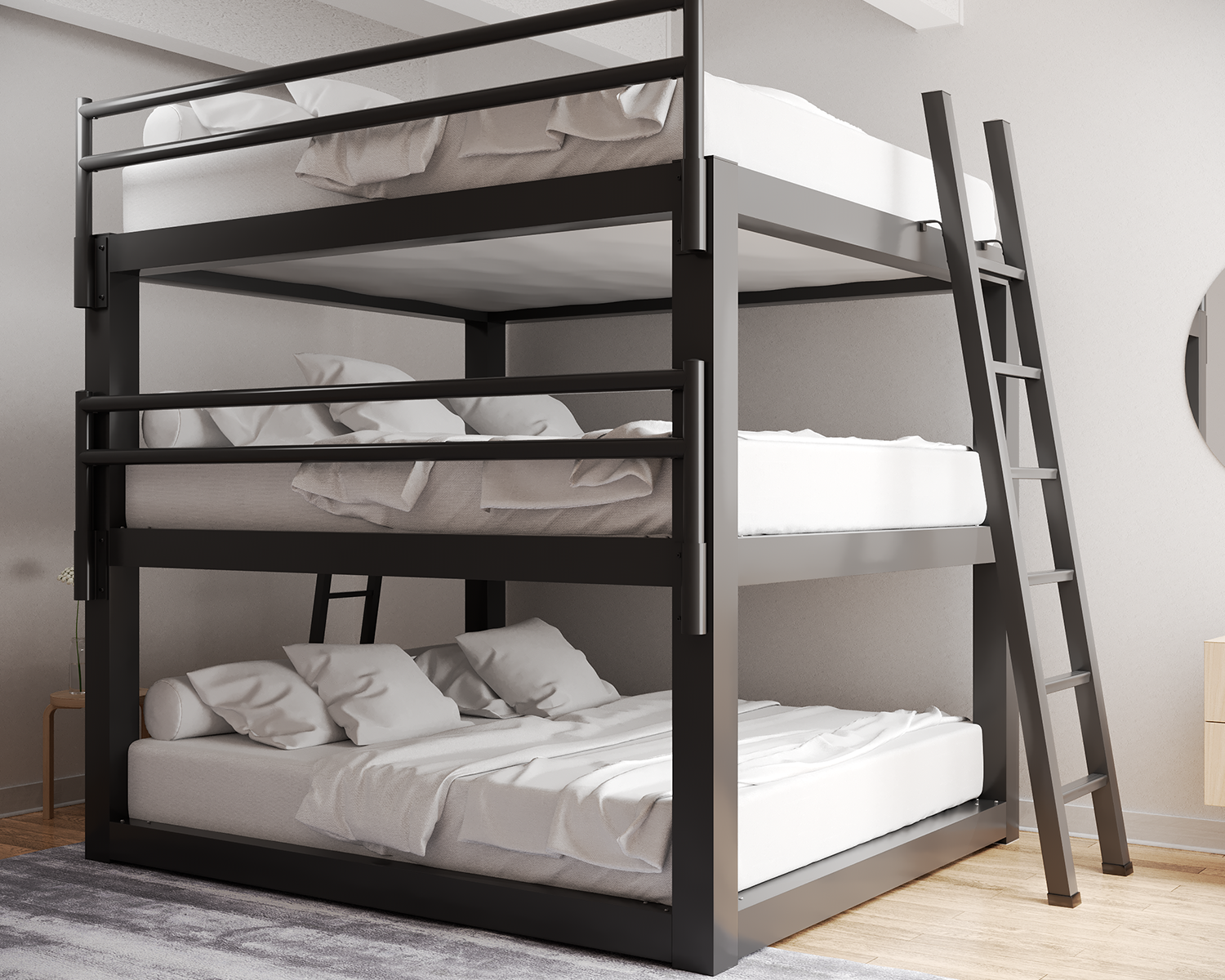
Credit: adultbunkbeds.com
Frequently Asked Questions
What Is The Ideal Mattress Thickness For Bunk Beds?
The ideal mattress thickness for bunk beds is 6 to 8 inches. This thickness ensures safety and comfort while fitting well within the bunk bed frame.
Can A Mattress Thicker Than 8 Inches Fit A Bunk Bed?
Mattresses thicker than 8 inches may not fit safely in most bunk beds. They can reduce guardrail effectiveness and increase fall risk.
Why Is Mattress Thickness Important For Bunk Beds?
Mattress thickness affects safety and comfort. Proper thickness prevents falls and ensures the bed’s structural integrity is maintained.
Are Memory Foam Mattresses Suitable For Bunk Beds?
Yes, memory foam mattresses are suitable if they are 6 to 8 inches thick. They provide comfort without compromising safety.
Conclusion
Choosing the right mattress thickness keeps bunk beds safe and comfortable. Most bunk beds work well with mattresses between 6 and 8 inches thick. This size fits properly and leaves enough space for guardrails. A mattress too thick can be unsafe.
Too thin, and it may not be comfy. Always check the bunk bed’s guidelines before buying. This helps avoid problems later. A good mattress makes sleeping better and keeps kids safe. Remember, the right thickness matters for both comfort and safety.
Simple choices make a big difference.