Are you ready to find the perfect spot for your bookshelf but unsure how to measure it right? Getting the measurements wrong can lead to a shelf that doesn’t fit or looks out of place.
You want your bookshelf to hold your favorite books and add style to your room without any hassle. You’ll discover simple, step-by-step tips to measure your bookshelf accurately—no confusion, no stress. Keep reading, and by the end, you’ll feel confident about measuring your bookshelf like a pro.

Credit: www.dimensions.com
Choosing The Right Tools
Choosing the right tools is the first step to measure a bookshelf correctly. Using proper tools helps you get exact measurements. This saves time and prevents mistakes. It is important to pick tools that are easy to use and reliable. Simple tools often work best for most people.
Essential Measuring Tools
A tape measure is a must-have tool. It can measure length, width, and height easily. A ruler or a yardstick works well for small or short shelves. A pencil helps mark points on the shelf or wall. A level ensures the shelf will be straight after installation. These basic tools cover most measuring needs for bookshelves.
Optional Accessories For Accuracy
A laser measure provides quick and precise length readings. It is useful for larger or hard-to-reach areas. Clamps can hold the tape or ruler in place, freeing both hands. A carpenter’s square helps check right angles. These accessories improve accuracy but are not necessary for simple projects.
Preparing Your Space
Preparing your space is a key step before measuring a bookshelf. It helps you get accurate dimensions and avoid mistakes. Organizing the area ensures clear access to walls and floors. This step saves time and effort during the measuring process.
Clearing The Area
Remove all items near the wall where the bookshelf will go. Clear furniture, decorations, and other obstacles. A clean space gives you room to move freely. It also prevents damage to your belongings. Clearing the area helps you focus on measuring without distractions.
Checking Wall And Floor Conditions
Look at the wall and floor for any damage or uneven surfaces. Cracks, bumps, or holes can affect the bookshelf’s fit. Use a level to check if the wall is straight. A flat, stable floor ensures the bookshelf will stand safely. Fix any issues before measuring to get the best results.
Measuring The Bookshelf Dimensions
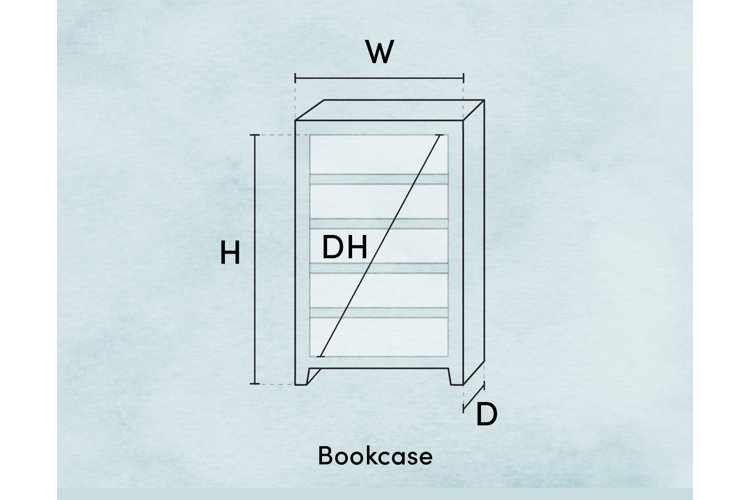
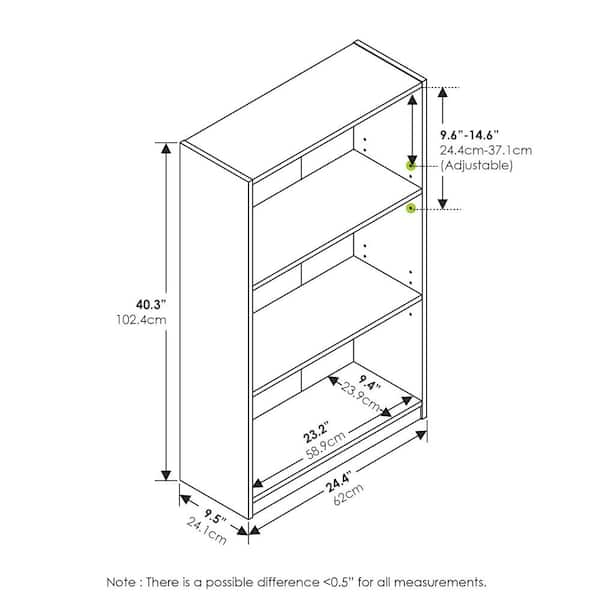
Measuring the dimensions of a bookshelf is key to fitting it perfectly in your space. Accurate measurements help avoid buying a shelf that is too big or too small. Focus on three main dimensions: height, width, and depth. These numbers guide you to the right size and style for your room.
Measuring Height
Start by measuring the bookshelf’s height from the floor to the top edge. Use a tape measure and hold it straight. Record the tallest point if the shelf has a decorative top. This measurement ensures the shelf fits under low ceilings or shelves above.
Measuring Width
Measure the width across the front of the bookshelf. Stretch the tape from one side to the other. Measure the widest part, including any side panels or trim. This dimension helps you know how much wall space the bookshelf will cover.
Measuring Depth
Measure the depth from the front edge to the back. Place the tape at the outermost front and pull it to the back panel. Depth determines how far the shelf will stick out from the wall. It also affects how many books or items fit on each shelf.
Considering Shelf Clearance
Measuring shelf clearance helps ensure your books fit well. Measure the height between each shelf carefully. Allow extra space for book thickness and easy access.
Account For Book Sizes
Books come in many shapes and sizes. Measure the tallest book you have. Add a few inches to this height for comfortable space. This space helps you take books out easily. Also, consider the width of large books. Make sure each shelf can hold your biggest books without crowding.
Allowing Space For Decorations
Shelves often hold more than just books. Many people place plants, photos, or small items on shelves. Leave extra room above books to fit these decorations. This space adds style and breaks the shelf’s monotony. Plan for decorations to avoid clutter and keep your shelf neat.
Measuring For Built-in Or Wall-mounted Shelves
Measuring for built-in or wall-mounted shelves requires careful attention. Accurate measurements ensure the shelves fit perfectly and remain secure. It involves more than just width and height. Consider the wall structure and any obstacles that may affect installation.
Assessing Wall Studs And Anchors
Wall studs provide strong support for shelves. Use a stud finder to locate them. Measure the distance between studs to match your shelf brackets. Anchors are necessary if studs are not in the right spot. Choose anchors that support the shelf weight. Mark stud locations clearly before drilling. Proper support prevents shelves from falling.
Checking For Obstacles
Obstacles like electrical outlets, switches, or pipes can block shelf placement. Measure the space carefully to avoid these. Check for light fixtures or vents too. Use a small level to mark straight lines. Avoid spots with hidden wires or plumbing. Planning around obstacles keeps shelves safe and functional.
Credit: www.wayfair.com
Recording And Double-checking Measurements
Recording and double-checking measurements is a key step in building or buying the right bookshelf. Accurate measurements avoid mistakes and save time. Write down every number clearly. Check each measurement twice to confirm accuracy. This helps prevent errors that might cause the bookshelf to not fit or look uneven.
Using A Measurement Log
A measurement log is a simple tool to keep track of your numbers. Use a notebook or a digital app to write down every dimension. Include height, width, and depth. Note the units, like inches or centimeters. Keep all measurements in one place for easy reference. This log helps you stay organized and reduces confusion.
Tips To Avoid Errors
Measure twice, cut once. This classic advice works well. Use a sturdy tape measure for accuracy. Avoid stretching the tape too much. Write down measurements immediately after taking them. Read the tape measure at eye level to avoid mistakes. Double-check by measuring in different ways. For example, measure both from left to right and right to left.
Selecting The Perfect Bookshelf Size
Choosing the right size bookshelf is very important. It affects how your books and items fit. A too-small shelf means less space. A too-large shelf can crowd your room. Measuring carefully helps you find the best match. It also makes your space look neat and balanced.
Start by measuring the wall or area where the shelf will go. Note the width, height, and depth. Think about how many books or items you want to store. This helps decide the shelf size you need. Keep these points in mind for a perfect fit.
Matching Measurements To Shelf Options
Bookshelves come in many sizes and shapes. Use your measurements to find options that fit well. Check the width first to avoid crowding the wall. Measure height so the shelf fits under windows or ceilings. Depth matters for book sizes and display space. Choose shelves that match your space and needs.
Remember, some shelves have adjustable heights. These can hold tall or short books. Others have fixed shelves for a specific look. Think about the type of books or items you have. Match the shelf design to your collection for the best use.
Custom Vs. Ready-made Choices
Ready-made shelves are quick and easy to buy. They come in common sizes and styles. These work if your space fits standard measurements. They are usually less expensive than custom shelves. Find a ready-made shelf that matches your space closely.
Custom shelves are made to your exact size. They fit perfectly in odd or small spaces. Custom options let you choose materials and styles. These can be more costly but offer a tailored look. Custom shelves work best for unique rooms or collections.
Credit: www.homedepot.com
Frequently Asked Questions
How Do You Measure The Height Of A Bookshelf?
Measure from the bookshelf’s base to its top edge. Use a tape measure for accuracy. Record the height in inches or centimeters.
What Is The Best Way To Measure Bookshelf Depth?
Measure from the front edge to the back edge of one shelf. Ensure the tape measure is straight for an exact depth.
How Can I Measure Bookshelf Width Accurately?
Measure the distance from one side of the bookshelf to the other. Keep the tape measure level and note the measurement.
Why Is Measuring Bookshelf Dimensions Important?
Knowing exact dimensions helps find the right space and fit. It also assists in buying compatible storage and accessories.
Conclusion
Measuring a bookshelf is simple and helpful. Start with the height, width, and depth. Use a tape measure for best results. Write down each number carefully. These steps help you find the right fit for your space. You can avoid buying a shelf that is too big or too small.
Take your time and measure twice to be sure. Good measurements make your room look neat and organized. Now, you feel ready to measure any bookshelf with ease.
