Is bedtime a constant battle in your home? You’re not alone.
When your toddler refuses to go to bed, it can feel exhausting and frustrating. You want peaceful nights and well-rested mornings, but getting your little one to sleep can seem impossible. The good news is, there are simple, proven steps you can take to turn bedtime struggles into calm, restful routines.
Keep reading to discover effective strategies that will help your toddler settle down and sleep better—so you both get the rest you deserve.
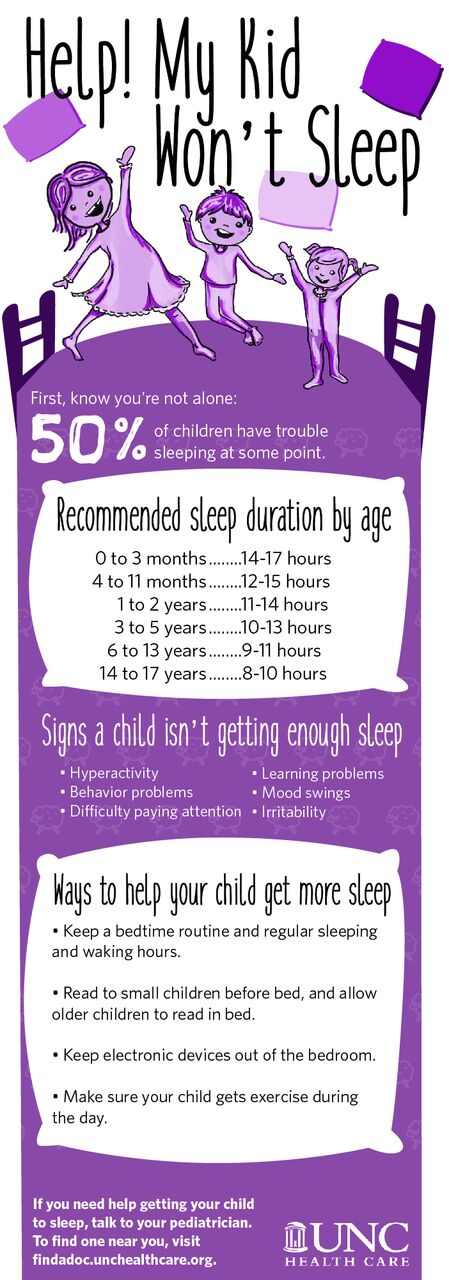
Credit: healthtalk.unchealthcare.org
Common Reasons Toddlers Resist Bedtime
Creating a calming bedtime routine helps toddlers feel safe and ready for sleep. A quiet and steady routine signals the brain to relax. It also reduces resistance and fussiness. Sticking to simple steps every night makes bedtime smoother and faster. Toddlers learn what to expect and start to enjoy the routine.
Consistent Timing
Set the same bedtime every night. This helps the child’s body clock adjust. Consistent timing makes falling asleep easier. Avoid letting the bedtime shift by more than 15 minutes. Predictability brings comfort and calm to toddlers.
Soothing Activities
Choose calm activities before bed. Reading a story or singing softly works well. Gentle play or cuddling also helps. Avoid exciting or loud games. These activities prepare the mind and body for rest.
Limiting Screen Time
Turn off screens at least one hour before bed. Screens can make the brain alert. This makes falling asleep harder. Replace screen time with quiet play or reading. This change supports better sleep habits.
Preparing The Sleep Environment
Make the bedroom dark and cool. Use soft blankets and comfortable pajamas. Keep noise low or use white noise if needed. A cozy and quiet room invites relaxation. A good sleep space helps toddlers drift off easily.

Credit: www.sleeperteachers.com
Creating A Calming Bedtime Routine
Managing night wakings in toddlers can be tough for parents. Toddlers often wake up during the night and struggle to fall back asleep. This interrupts their rest and can make bedtime stressful for everyone. A calm, steady approach helps your child feel safe while learning to sleep through the night.
Comfort and clear routines work best. Balancing soothing care with gentle limits teaches your toddler healthy sleep habits. Small tools like favorite toys also ease the process. These steps support better sleep for your child and peace for your family.
Comfort Without Stimulating
Comfort your toddler with soft words and gentle touch. Avoid turning on bright lights or playing loud sounds. Keep the room quiet and calm. This helps your child relax without waking up more. Stay close but do not pick them up unless needed. Simple comfort soothes without causing more energy.
Setting Clear Boundaries
Set clear rules about bedtime and night wakings. Tell your toddler it is time to sleep and stay in bed. Use a calm voice and repeat the rules each night. If your child gets up, gently guide them back to bed. Consistency builds trust and helps your toddler learn limits.
Using Transitional Objects
Give your toddler a soft toy or blanket to hold. These objects provide comfort when alone in bed. Choose items that smell like home or parents. A favorite stuffed animal can make your child feel safe. Transitional objects ease anxiety and support falling back asleep.
Effective Sleep Training Techniques
Adjusting daytime habits plays a big role in helping toddlers sleep better at night. Small changes during the day can make bedtime easier. Focus on three key areas: nap timing, physical activity, and diet. These habits shape your toddler’s sleep patterns and mood.
Nap Timing And Duration
Toddlers need naps but not too late in the day. A nap too close to bedtime can make falling asleep hard. Keep naps early afternoon and limit them to about one hour. Short, well-timed naps prevent overtiredness and restlessness at night.
Physical Activity During The Day
Active play helps toddlers use their energy. Outdoor time, running, or simple games boost tiredness naturally. Avoid very intense activity right before bedtime. Physical activity calms their body and mind, making sleep easier.
Balanced Diet And Hydration
What toddlers eat affects their sleep. Offer balanced meals with fruits, veggies, and protein. Avoid sugary snacks and drinks near bedtime. Keep water available but limit large drinks late in the day. Proper nutrition and hydration support calm and steady sleep cycles.
Managing Night Wakings
Sometimes toddlers resist bedtime due to simple habits. Other times, deeper issues affect their sleep. Knowing when to seek professional help protects your child’s health. Early support can improve sleep and daily life.
Signs Of Sleep Disorders
Watch for loud snoring or gasping during sleep. Notice if your toddler struggles to breathe at night. Frequent night waking and extreme tiredness during the day are red flags. Restlessness and difficulty falling asleep may signal a problem. These signs suggest a sleep disorder needing expert care.
Consulting Pediatricians
Pediatricians understand children’s health and development. They can assess your toddler’s sleep patterns and overall well-being. Expect questions about daily routines, naps, and bedtime habits. They may suggest simple changes or tests to find causes. Early pediatric advice helps guide the next steps.
Sleep Specialists And Therapists
Sleep specialists diagnose and treat complex sleep problems. They use tests like sleep studies to observe nighttime behavior. Therapists support children with behavioral sleep issues. They teach calming techniques and consistent routines. These experts provide tailored plans to improve your toddler’s sleep quality.

Credit: alphamom.com
Frequently Asked Questions
Why Won’t My Toddler Go To Bed At Night?
Toddlers resist bedtime due to fear, energy, or disrupted routines. Consistent schedules and calming rituals help ease this struggle effectively.
How Can I Create A Bedtime Routine For Toddlers?
Establish a predictable sequence: bath, story, lullaby, and lights out. This routine signals sleep time and comforts toddlers consistently.
What Are Common Reasons Toddlers Resist Bedtime?
Toddlers may resist due to separation anxiety, fear of darkness, or overstimulation. Identifying causes helps tailor calming strategies.
How To Calm A Toddler Who Refuses Sleep?
Use gentle reassurance, soft music, and a cozy environment. Avoid screens and energetic play before bedtime for better calmness.
Conclusion
Helping a toddler sleep can be tough but patience helps. Set a calm bedtime routine every night. Keep the room quiet and cozy. Offer comfort but stay firm with rules. Small steps lead to better sleep habits. Remember, consistency is key for lasting change.
Stay calm and give your child time. Soon, bedtime will become easier and peaceful. Every family finds its own rhythm. Keep trying, and rest will come.