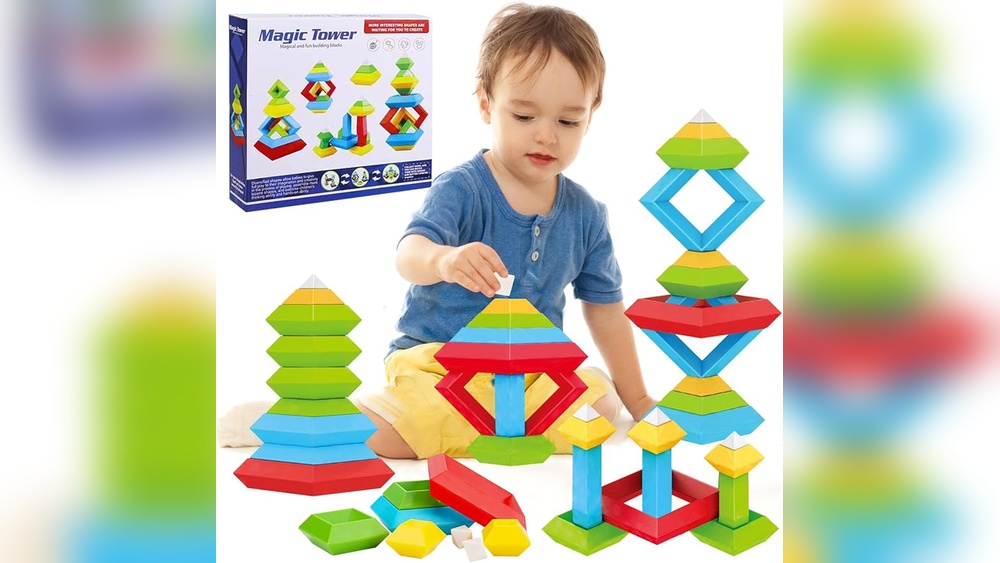
When it comes to keeping your kids safe at home, preventing furniture from tipping over is a top priority you can’t ignore. You want your little ones to explore and play freely, but you also need to protect them from hidden dangers lurking in everyday furniture.
That’s where a clear and engaging “Don’t Knock Over Furniture” visual for kids comes in. It helps you teach your children the importance of staying safe around furniture without sounding like a strict lecture. You’ll discover simple, effective ways to use visuals and smart strategies to keep your home safe while encouraging your kids to enjoy their space.
Keep reading, and you’ll find out how to turn safety into a fun and memorable lesson for your child.
Furniture Tip-over Risks
Furniture tip-over risks pose serious dangers to children at home. Unstable furniture can fall and cause harm. Young kids often climb or pull on furniture, increasing the risk. Awareness of these risks helps prevent accidents and injuries.
Common Causes
Children climbing on drawers or shelves can cause furniture to tip. Pulling on handles or leaning on unstable pieces also leads to falls. Furniture placed on uneven floors or without proper anchors is risky. Heavy items placed on top increase the chance of tipping.
Potential Injuries
Tip-over incidents can cause bruises, cuts, or broken bones. Head injuries are common and can be very serious. Furniture falling on a child may lead to suffocation or internal damage. Early prevention is key to keeping kids safe from harm.
Safe Furniture Setup
Creating a safe furniture setup is key to protecting children from accidents. Kids love to explore and climb, which can lead to furniture tipping over. A secure environment helps prevent injuries and gives parents peace of mind. Simple steps can make your home safer for little ones.
Anchoring Heavy Items
Heavy furniture like bookshelves and dressers must be anchored to the wall. Use strong brackets or straps designed for this purpose. Anchoring stops furniture from tipping if a child tries to climb it. Check anchors regularly to ensure they stay tight and secure.
Removing Climbing Temptations
Keep tempting items off furniture tops and shelves. Toys, remote controls, or snacks can lure kids to climb. Clear these items and store them out of reach. This reduces the chances of children using furniture as a ladder.
Childproof Locks And Alarms
Install childproof locks on drawers and cabinets to keep kids out. These locks prevent access to dangerous items and stop climbing attempts. Alarms can alert you if a child opens a door or drawer. Choose simple locks that are easy for adults to use.
Redirecting Climbing Behavior
Redirecting climbing behavior in children helps keep them safe and protects furniture. Kids often climb to explore or have fun. Teaching them safer ways to satisfy this urge prevents accidents and damage.
Redirecting means guiding children gently away from unsafe climbing spots. It takes patience and clear strategies. Using consistent methods helps children learn faster and builds good habits.
Consistent Redirection
Children need clear and steady guidance. Each time they climb on furniture, calmly tell them to stop. Then, show the right place to climb. Repeating this helps them understand rules better. Avoid yelling or punishment. Keep your tone friendly but firm. Consistency creates trust and clarity for kids.
Positive Reinforcement
Praise children when they choose safe climbing spots. Say things like, “Great job climbing on the play set!” Rewards encourage good behavior. Stickers or small treats work well. Positive words boost their confidence. Children repeat actions that make them feel proud and happy.
Distraction Techniques
Offer fun alternatives to climbing on furniture. Bring out toys or games that use energy safely. Suggest jumping on a soft mat or playing outside. Shifting focus stops unsafe behavior quickly. Distractions also keep children engaged and calm. Keep the environment full of safe options to explore.

Credit: www.amazon.com
Safe Climbing Alternatives
Children love to climb and explore. Furniture can be tempting but unsafe for climbing. Providing safe climbing alternatives helps keep kids active and safe. These options satisfy their curiosity without risking injury or damage.
Indoor Climbing Toys
Indoor climbing toys offer fun and secure ways to climb. Soft foam blocks and small climbing walls are great choices. These toys are designed for children to practice balance and strength. They are easy to set up and move around the house. Kids enjoy climbing without the risk of falling on hard floors or sharp edges.
Obstacle Courses
Create simple obstacle courses at home using pillows, blankets, and cushions. This soft setup encourages climbing, crawling, and jumping safely. It keeps children engaged and helps develop coordination. Obstacle courses can be changed often to keep playtime interesting. This indoor activity prevents kids from climbing on furniture for fun.
Outdoor Playgrounds
Outdoor playgrounds provide excellent climbing opportunities with proper equipment. Slides, ladders, and climbing frames are made for children’s play. These structures offer a safe environment to climb and explore. Fresh air and open space add to the benefits. Regular visits to playgrounds reduce the urge to climb on home furniture.
Soft Landing Strategies
Creating a safe space for children means planning for soft landings around furniture. Soft landing strategies reduce injury risks from accidental bumps or falls. These methods focus on cushioning areas where kids often play or move quickly. The right setup makes a big difference in keeping children safe and comfortable.
Rugs And Mats Placement
Place rugs or mats near furniture corners and edges. Soft floor coverings absorb shocks from falls. Use non-slip mats to stop slipping and sliding. Choose rugs with bright colors or fun patterns to catch kids’ attention. This helps children notice furniture edges and avoid running into them. Rugs also add warmth and comfort to play areas.
Cushioning High-risk Areas
Identify spots where kids are most likely to bump or fall. Add foam padding or corner guards on sharp furniture edges. Cushioning softens impacts and lowers the chance of injuries. Cover hard surfaces like wooden chairs and tables with protective material. Use cushions on stairs or near heavy furniture that might tip over. This creates a safer environment for active play.

Credit: www.chalkbeat.org
Visual Safety Aids
Visual safety aids help children understand risks around furniture. They use images and colors to catch kids’ attention quickly. These aids teach children to avoid tipping or climbing on furniture. Using clear visuals can reduce accidents at home and in schools. Kids learn safety rules better when they see them in pictures.
Warning Signs For Kids
Warning signs use simple pictures to show danger. They often include symbols like a falling cabinet or a crossed-out climbing figure. Kids recognize these signs easily and know to stay away. Placing signs near dressers, bookshelves, and TVs reminds children to be careful. These signs make safety clear without many words.
Colorful Safety Decals
Colorful decals attract kids with bright colors and fun shapes. They stick to furniture corners and edges to mark danger spots. Decals can show smiling or serious faces to signal safe or risky actions. Children respond well to these visual cues. Decals help kids remember to be cautious near furniture.
Teaching Kids Safety Rules
Teaching kids safety rules helps protect them from accidents at home. Clear, simple lessons make it easier for children to understand risks. Using visuals like “Don’t Knock Over Furniture” signs can support learning. Kids remember rules better when they are easy to say and practice.
Simple Safety Phrases
Short, clear phrases stick in children’s minds. Use sentences like “Stay seated,” “No climbing,” or “Hands off furniture.” Repeat these often during daily routines. Keep phrases positive and direct to encourage good habits. Visual aids with these phrases add extra support for kids who learn by seeing.
Role-playing Exercises
Role-playing helps children practice safety rules in a fun way. Act out scenarios where kids must avoid knocking over furniture. Use toys or small furniture pieces for demonstrations. Praise their correct actions to build confidence. This hands-on method makes learning interactive and memorable.
Credit: www.albatrosmedia.eu
Organizing Kid-friendly Spaces
Creating safe and fun areas for children starts with organizing kid-friendly spaces. A well-organized space helps reduce accidents and keeps children happy. It also makes cleaning easier for parents and caregivers. Simple changes can make a big difference in safety and playtime quality.
Focus on arranging furniture and toys in ways that children can use safely. Consider their height and abilities when planning the room layout. This approach supports independence and prevents accidents like furniture tipping over.
Decluttering Playrooms
Clear playrooms of unnecessary items to avoid tripping hazards. Keep only toys and materials that children use often. Rotate toys regularly to maintain interest and reduce clutter. A tidy space helps children find what they want quickly. It also reduces the risk of furniture being knocked over during play.
Accessible Toy Storage
Use low shelves and bins that children can reach easily. Label containers with pictures or words to help kids identify contents. This encourages them to put toys away by themselves. Avoid tall or unstable storage units that may fall over. Secure furniture to walls for extra safety. Organized storage keeps the room neat and prevents accidents.
Frequently Asked Questions
How To Stop Kids From Drawing On Furniture?
Supervise kids during art time and redirect them to paper. Store art supplies out of reach. Provide designated drawing areas to protect furniture.
How To Keep Kids From Climbing On Furniture?
Provide safe climbing alternatives like play structures or obstacle courses. Consistently redirect children from furniture to these options. Secure furniture to prevent tipping. Set clear rules and praise appropriate play to encourage good habits. Remove hazards to create a safer environment.
How Can We Create A Safe Space For Children?
Create a safe space by securing furniture, removing hazards, and providing child-friendly climbing alternatives. Set clear rules and consistently redirect unsafe behavior. Praise positive actions and supervise play to prevent accidents. Maintain a clutter-free environment to reduce risks and encourage safe exploration.
What Current Supervision Strategies Are You Using That Prevent Injuries And Allow Children The Freedom To Engage And Explore?
We actively supervise children by providing safe play areas and redirecting risky behavior immediately. We secure furniture and remove hazards to prevent injuries. Encouraging exploration through safe climbing toys and outdoor play allows freedom while maintaining safety. Positive reinforcement teaches boundaries effectively.
Conclusion
Keeping kids safe from furniture tip-overs matters a lot. Teach children gently not to climb on unstable furniture. Use fun, safe alternatives like play structures or soft obstacle courses. Secure heavy items firmly to prevent accidents. Clear rules and positive praise help kids learn better habits.
A safer home means happier children and peace of mind for parents. Small steps make a big difference in child safety every day.