When you’re about to store your furniture, protecting it should be your top priority. You don’t want to open your storage unit later and find scratches, dust, or worse—mold ruining your favorite pieces.
So, what exactly do you need to buy to keep your furniture safe and sound? From the right covers to padding materials, choosing the best protection can save you time, money, and headaches down the road. Keep reading to discover simple, effective items that will shield your furniture while it’s in storage and ensure it looks as good as new when you bring it back home.
Furniture Cleaning
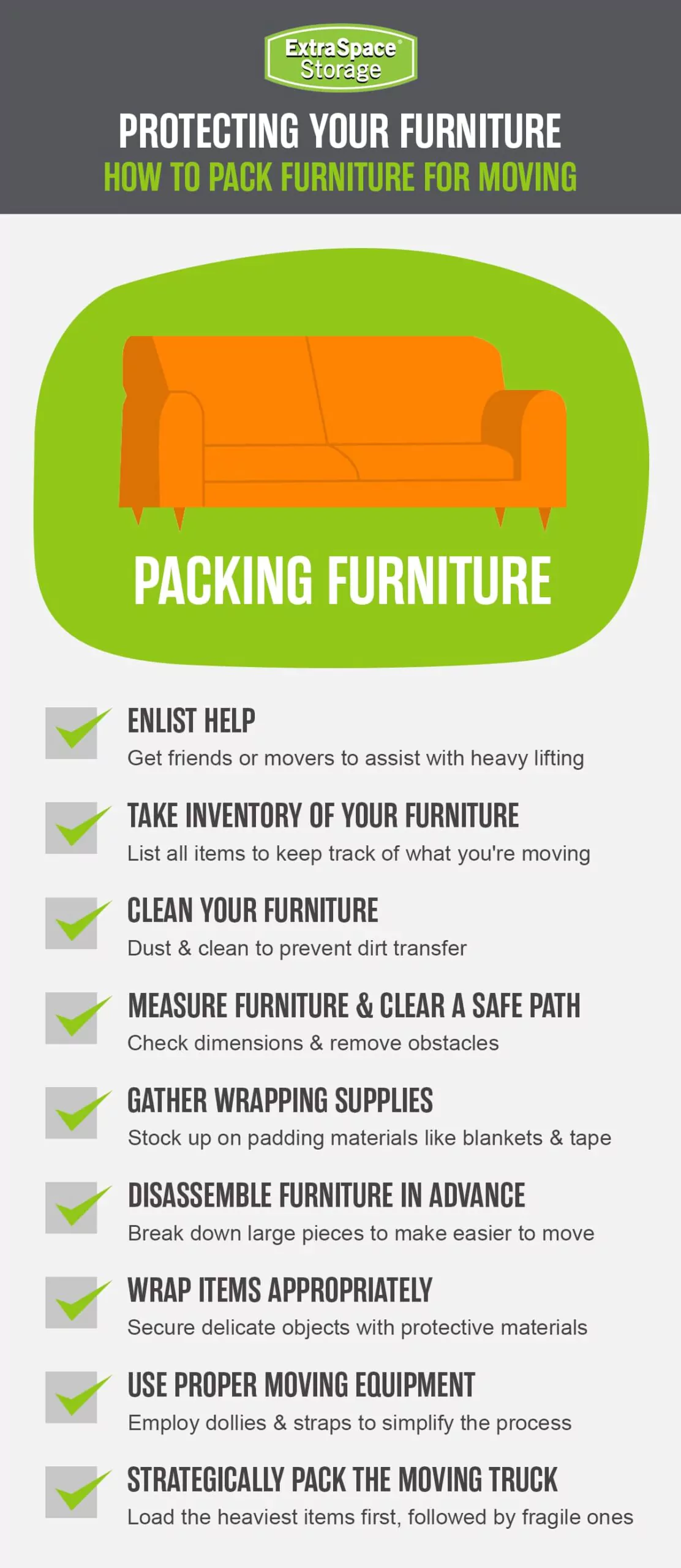
Cleaning furniture before storage is key to keeping it safe and in good shape. Dust, dirt, and grime can damage surfaces over time. Proper cleaning prevents stains and pests from settling in. A clean piece of furniture will last longer and look better when you take it out of storage.
Remove Dust And Dirt
Start by wiping all surfaces with a soft cloth. Use a vacuum with a brush attachment for fabric or upholstery. Avoid harsh chemicals that may harm finishes. Dust and dirt left on furniture attract moisture and pests. Thorough cleaning keeps your furniture fresh and ready for storage.
Dry Completely Before Storage
Make sure furniture is fully dry before storing it. Moisture causes mold, mildew, and wood warping. Use a dry towel to wipe surfaces after cleaning. Air dry in a well-ventilated space if possible. Never store damp furniture as it will lead to damage.
Breathable Covers
Breathable covers are essential for protecting furniture in storage. They allow air to circulate, preventing moisture buildup. Moisture can cause mold, mildew, and damage to wood and fabric. Using breathable materials keeps furniture dry and safe. Avoiding trapped moisture is key for long-term storage success.
Use Old Sheets And Blankets
Old sheets and blankets work well as breathable covers. They are soft and protect furniture from dust and scratches. Cotton sheets allow air to pass through, reducing moisture buildup. Blankets add padding and extra protection. These materials are affordable and easy to find. They also fit well over different furniture shapes.
Avoid Plastic For Long-term Storage
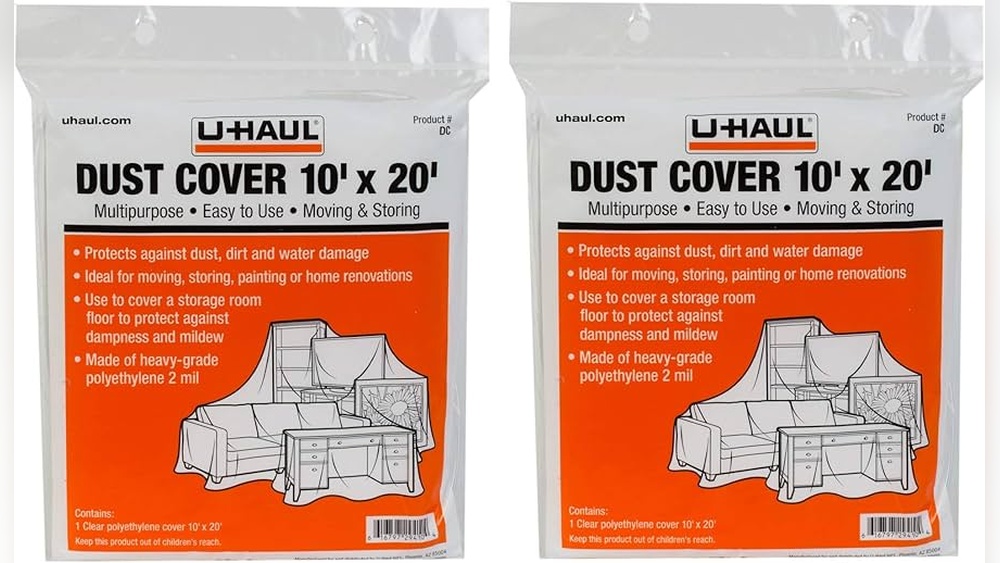
Plastic covers trap moisture, which harms furniture over time. Condensation forms inside plastic, encouraging mold growth. Plastic also prevents air circulation, increasing humidity around furniture. Use plastic only for short-term protection or moving. For long-term storage, choose breathable fabrics instead. This choice helps keep your furniture fresh and damage-free.
Plastic Wrap And Protective Film
Plastic wrap and protective film provide a simple way to shield furniture during storage. These materials form a tight barrier that keeps out dust, moisture, and dirt. They help maintain your furniture’s condition and appearance over time.
Plastic wrap is flexible and clings well to different shapes. Protective film adds an extra layer of defense against scratches and minor impacts. Both are lightweight and easy to use, making them ideal choices for storage protection.
Benefits Of Plastic Wrapping
Plastic wrap protects furniture from dust and dirt. It blocks moisture, reducing the risk of water damage. The wrap keeps cushions and fabric clean and fresh. It also prevents scratches on wood and glass surfaces. Plastic wrap is clear, so you can see the furniture without unwrapping. It helps keep small parts and drawers secure during storage. Using plastic wrap reduces the need for heavy covers or pads.
When To Use Plastic Wrap
Use plastic wrap when storing furniture indoors or in a climate-controlled space. It works well for protecting sofas, chairs, and tables. Wrap plastic tightly around delicate wood or glass pieces to prevent scratches. Use it on upholstered furniture to keep dust and pet hair away. Avoid plastic wrap on leather or antique pieces that need air circulation. For long-term outdoor storage, use heavier waterproof covers instead.
Credit: www.extraspace.com
Moving Blankets And Pads
Protecting furniture during storage is essential to keep it safe from scratches, dents, and dust. Moving blankets and pads provide a soft, durable layer to shield your items. They cushion furniture and prevent damage caused by bumps or friction. Choosing the right blankets and pads helps maintain your furniture’s condition over time.
Quilted Furniture Pads
Quilted furniture pads offer thick, soft protection for delicate surfaces. Their padded layers absorb shocks and prevent scratches. These pads wrap tightly around furniture corners and edges. They also help stop dust and dirt from settling on surfaces. Reusable and easy to clean, quilted pads work well for long storage periods.
Heavy-duty Moving Blankets
Heavy-duty moving blankets are strong and resistant to tears. They protect large furniture pieces from heavy impacts. The thick material blocks dust, moisture, and dirt effectively. These blankets stay in place during moves or storage. Ideal for sofas, tables, and cabinets, they keep furniture safe and secure.
Furniture Covers
Furniture covers provide a simple and effective way to protect your items during storage. They shield furniture from dust, dirt, moisture, and scratches. Choosing the right cover helps keep your pieces in excellent condition.
Sofa And Loveseat Covers
Sofa and loveseat covers fit snugly over large cushions and frames. They prevent dust buildup and avoid fabric damage. Many covers are made from durable materials like polyester or plastic. These materials resist moisture and stains. Covers with elastic edges hold tight and stay in place. Using a cover keeps sofas fresh and clean for long storage periods.
Chair And Small Item Covers
Smaller covers protect chairs and other small furniture pieces. They are lightweight and easy to handle. Covers for chairs often come with drawstrings or zippers for a secure fit. These covers guard against scratches and spills. Using covers saves time by avoiding frequent cleaning. They also reduce the risk of pests reaching your furniture.
Credit: www.extraspace.com
Raising Furniture Off The Ground
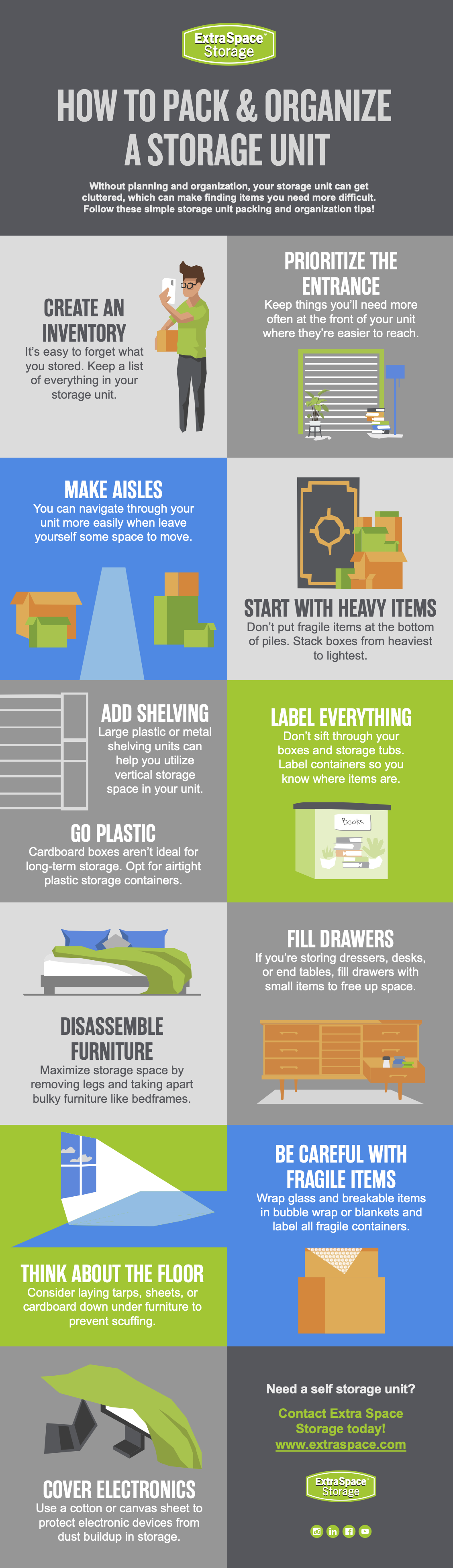
Raising furniture off the ground is a smart way to protect it during storage. Keeping pieces elevated stops direct contact with the floor. This helps avoid damage from dirt, dust, and moisture. Elevation also improves air circulation. This prevents mold and mildew growth on wood and fabric. Simple tools can lift furniture safely and securely.
Use Of Pallets And Blocks
Pallets are a popular option for raising furniture. They provide a stable and flat surface. Place pallets under large items like sofas or tables. Wooden blocks work well for smaller pieces. Arrange blocks at each corner of the furniture. Make sure the furniture is balanced. Pallets and blocks keep furniture steady and off damp floors. This reduces the risk of water damage and warping.
Prevent Moisture And Mold
Elevating furniture helps prevent moisture buildup underneath. Moisture causes wood to swell and fabric to rot. Mold thrives in damp, dark areas. By raising furniture, air flows freely below. This dries out any moisture quickly. Use moisture absorbers or silica gel packs near the furniture. These absorb excess humidity in storage units. Clean the storage area regularly to keep it dry. Avoid placing furniture directly on concrete floors without protection.
Climate Control Options
Protecting furniture in storage requires attention to the environment. Climate control options help keep furniture safe from damage caused by heat, cold, or moisture. Choosing the right climate control tools prevents warping, cracking, and mold growth. These tools maintain stable conditions that preserve your furniture’s quality.
Climate-controlled Storage Units
Climate-controlled storage units keep temperature and humidity steady. These units stop extreme heat or cold from harming wood and fabric. They reduce the risk of mold and mildew by controlling moisture levels. Renting such a unit adds a layer of protection to your valuable furniture. It is ideal for sensitive items like antiques or leather pieces.
Dehumidifiers And Moisture Absorbers
Dehumidifiers remove excess moisture from the air inside storage spaces. They lower humidity to safe levels, protecting wood and metal parts. Moisture absorbers like silica gel or charcoal bags absorb dampness and prevent mold. These are affordable options for small storage areas without climate control. Using them helps keep furniture dry and mold-free during storage.
Additional Protective Gear
Protecting furniture in storage means more than just wrapping it up. Additional protective gear helps shield your items from bumps, scratches, and dirt. These tools add extra layers of safety. They keep your furniture in great shape through the storage period.
Drop Cloths And Tarps
Drop cloths and tarps create a strong barrier against dust and spills. Use them to cover large surfaces or floors beneath your furniture. Tarps made of plastic or canvas resist moisture and dirt. They prevent unwanted stains and keep items dry. Drop cloths are lightweight and easy to handle. They protect delicate finishes from scratches and dust buildup.
Corner Protectors And Edge Guards
Corner protectors and edge guards shield vulnerable parts of furniture. Corners and edges often get damaged during moves or storage. These guards cushion impacts and prevent chips or dents. Made from foam, rubber, or plastic, they fit snugly around corners. Edge guards wrap around table tops or cabinet edges for added safety. This gear reduces wear and tear, extending furniture life.
Tips To Avoid Mold And Mildew
Mold and mildew can ruin furniture stored for long periods. These fungi grow in damp, poorly ventilated places. Protecting your furniture starts with stopping moisture buildup. Follow these tips to keep mold and mildew away and preserve your valuable pieces.
Proper Ventilation
Airflow reduces moisture and stops mold growth. Store furniture in a well-ventilated space. Avoid airtight plastic covers that trap humidity. Use breathable furniture covers made from cotton or fabric. If possible, open storage unit doors or windows occasionally. Use fans or dehumidifiers to maintain dry air. Proper ventilation keeps furniture dry and mold-free.
Regular Inspection And Maintenance
Check stored furniture often for signs of mold. Look under cushions and inside drawers. Wipe away any moisture with a dry cloth immediately. Clean surfaces with mild soap and water if needed. Treat wood with anti-mold sprays before storage. Fix leaks and spills quickly to avoid dampness. Regular care prevents mold from taking hold.

Credit: www.amazon.sa
Frequently Asked Questions
What To Cover Furniture With In Storage?
Cover furniture in breathable materials like old sheets or blankets to prevent dust and mold. Use plastic wrap for extra moisture protection.
What Is The 2/3 Rule Furniture?
The 2/3 rule in furniture design suggests arranging two-thirds of a room’s furniture on one side and one-third on the other. This balances space visually and improves flow. It helps create harmony and prevents overcrowding, enhancing both comfort and style in living areas.
How Do You Protect Furniture From Mold In Storage?
Keep furniture dry by storing it off the floor on pallets. Wrap pieces in breathable covers or plastic sheets. Use moisture absorbers and ensure good ventilation to prevent mold growth. Regularly check for dampness and clean surfaces before storage.
What Is The Best Thing To Wrap Furniture In For Storage?
Wrap furniture in moving blankets or old sheets for breathability. Use plastic wrap to protect from moisture and dust during storage.
Conclusion
Protecting furniture in storage needs the right supplies. Use breathable covers to stop mold and dust. Furniture pads and blankets add extra cushion and prevent scratches. Plastic covers work well but only if stored in dry places. Don’t forget to wrap fragile parts carefully.
Choosing good protection keeps your furniture safe and clean. Simple steps save money on repairs later. Take time to prepare before storing. Your furniture will thank you with lasting quality.