Are you wondering when your little one is ready to make the big switch from a crib to a toddler bed? It’s a big step for both you and your child, filled with excitement and questions.
Knowing the right age can make this transition smooth and safe, helping your baby feel comfortable and secure. You’ll discover clear signs to watch for and expert advice to guide you through this important milestone. Keep reading to find out exactly when your baby can move into a toddler bed—and how to make it a positive experience for your whole family.

Credit: casakids.com
Signs Baby Is Ready For Toddler Bed
Knowing when your baby is ready for a toddler bed helps make the transition smooth. Watch for clear signs that show your child is ready. These signs come in different forms: physical, behavioral, and sleep-related. Paying attention to these hints can ease your worries and prepare you for this new stage.
Physical Growth Indicators
Your baby may be ready if they can climb out of the crib. This shows they need a safer space to sleep. Also, toddlers grow taller and may feel cramped in their crib. When your child’s feet can touch the floor while sitting, it may be time. These growth signs help decide when to switch beds.
Behavioral Changes
Look for signs like your toddler showing interest in a big bed. They may ask to sleep with blankets or pillows. Your child might start wanting more freedom at bedtime. If they seem restless or unhappy in the crib, these are clues. Such behaviors suggest your baby is ready for change.
Sleeping Patterns
Watch if your toddler wakes up often at night. They might resist going to sleep in the crib. Sleep patterns that include frequent waking or restlessness can mean it’s time. A toddler bed can help them feel more comfortable. Changes in sleep show readiness for a new bed.
Ideal Age Range For Transition
Choosing the right time to move your baby to a toddler bed is important. The ideal age range for this change helps keep your child safe and comfortable. It also supports better sleep habits as they grow.
This transition usually happens around a certain age, but every child is different. Understanding common milestones and individual differences makes the process smoother.
Common Age Milestones
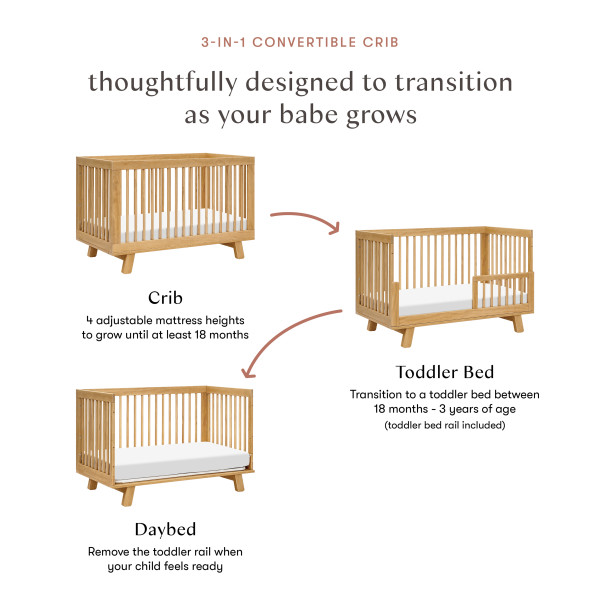
Most children start using a toddler bed between 18 months and 3 years old. At this age, they begin to show signs of readiness. These signs include climbing out of the crib or asking to sleep in a big bed.
Many toddlers develop more independence around this time. They can get in and out of bed safely. This age also matches with growth spurts and new sleep patterns.
Variations Among Children
Every child grows at their own pace. Some may be ready earlier, while others need more time in their crib. Factors like temperament, physical skills, and comfort affect readiness.
Parents should watch their child’s behavior and safety needs. Moving too soon or too late can cause stress for both child and parents. Patience and careful observation are key during this change.
Benefits Of Toddler Beds
Toddler beds offer many benefits for young children and their parents. They provide a safe and comfortable space for kids to sleep. Moving to a toddler bed helps children grow and develop new skills. These beds are designed to suit a toddler’s size and needs. They create a smooth change from a crib to a regular bed.
Enhanced Safety
Toddler beds have low frames to prevent falls. Guardrails keep children from rolling out. The bed’s design reduces sharp edges and hard corners. This creates a safer sleeping space for toddlers. Parents feel more secure knowing their child is protected.
Encouraging Independence
Toddler beds help children learn to sleep alone. Kids can get in and out by themselves. This builds confidence and a sense of freedom. It also supports healthy sleep habits early on. Children feel proud of their new bed.
Comfort And Size Considerations
Toddler beds match a child’s size better than cribs. They provide enough room to move during sleep. The mattress is softer than crib mattresses but still firm. This balance helps toddlers sleep well and stay comfortable. Parents can choose beds with fun themes to make bedtime exciting.
Choosing The Right Toddler Bed
Choosing the right toddler bed is an important step for your child’s comfort and safety. The bed should suit your child’s needs and fit well in your home. It helps your toddler feel secure during sleep and makes bedtime easier for parents. Consider different styles, safety features, and your budget to find the best bed.
Types Of Toddler Beds
Toddler beds come in several styles. The most common are low-to-the-ground frames with guardrails. These help prevent falls during sleep. Some beds convert from cribs to toddler beds, saving money in the long run. Others have fun themes or shapes to excite your child. Choose a bed that matches your child’s personality and your space.
Safety Features To Look For
Safety is the top priority when picking a toddler bed. Look for sturdy guardrails on both sides. These protect your child from rolling out. Check that the bed frame has no sharp edges or small parts. The mattress should fit snugly to avoid gaps. Confirm the bed meets current safety standards for children’s furniture.
Budget And Durability
Consider your budget before buying a toddler bed. Durable beds cost more but last longer. Cheaper beds may wear out quickly or break. Think about how long your child will use the bed. A strong bed that grows with your child offers better value. Balance quality and price to find the best fit for your family.
Preparing Your Baby For The Transition
Preparing your baby for the transition to a toddler bed requires care and patience. This change can feel big for your child. Helping them adjust makes the move smooth and safe. Start by making the new bed inviting and familiar. Let your child feel involved and secure. Create habits that support good sleep. These steps ease the change and build confidence.
Creating A Comfortable Sleep Environment
Choose soft bedding that feels nice to touch. Keep the room quiet and dim. Use a nightlight if your child feels scared in the dark. Make sure the bed is safe with guardrails. Remove toys that might distract from sleep. A calm room helps your child relax and fall asleep fast.
Involving Your Child In The Process
Let your child pick their favorite blanket or pillow. Talk about the new bed as an exciting place. Show them how to get in and out safely. Praise small steps and celebrate progress. This makes your child feel special and ready. They learn to enjoy this new change.
Establishing A Consistent Bedtime Routine
Set a regular bedtime and stick to it every night. Include quiet activities like reading a story. Avoid screens or loud play before bed. Use the same calming words or songs. A steady routine signals it is time to sleep. This helps your child feel calm and ready for bed.
Common Challenges And Solutions
Moving a baby to a toddler bed is a big step. It can bring some common challenges. Parents often face resistance, nighttime wandering, and sleep regression. These issues can make bedtime tricky. Understanding each challenge helps find simple solutions. This makes the transition smoother and safer for your child.
Dealing With Resistance
Many toddlers resist leaving their crib. They feel safe in the small space. To ease this, create a cozy bed area. Let your child choose a blanket or stuffed toy. Praise them for sleeping in their new bed. Keep bedtime routines the same as before. This helps your toddler feel secure and ready.
Managing Nighttime Wandering
Toddlers may get out of bed and wander at night. This can worry parents. Use a baby gate to block stairs or unsafe rooms. A nightlight helps toddlers see and feel calm. Teach your child to stay in bed after waking. Consistent reminders and gentle guidance work best here.
Handling Sleep Regression
Sleep regression can happen during this change. Toddlers may wake more often or resist sleep. Keep a calm and quiet environment at bedtime. Stick to regular nap and sleep times. Offer comfort but avoid turning on bright lights or playing. Patience and routine help your toddler adjust.
When To Consider Delaying The Move
Moving a baby to a toddler bed is a big step. Sometimes, waiting a little longer is better. Some children need extra time to feel safe and comfortable. This helps avoid stress and makes bedtime easier for everyone.
Signs Your Child Needs More Time
Watch how your child acts around bedtime. If they seem scared or confused, they might not be ready. Frequent night waking or asking to sleep in your bed can show anxiety. Clinging to the crib bars or refusing to stay in the bed also means delay is wise. These signs suggest your child needs more time to adjust.
Alternative Sleep Arrangements
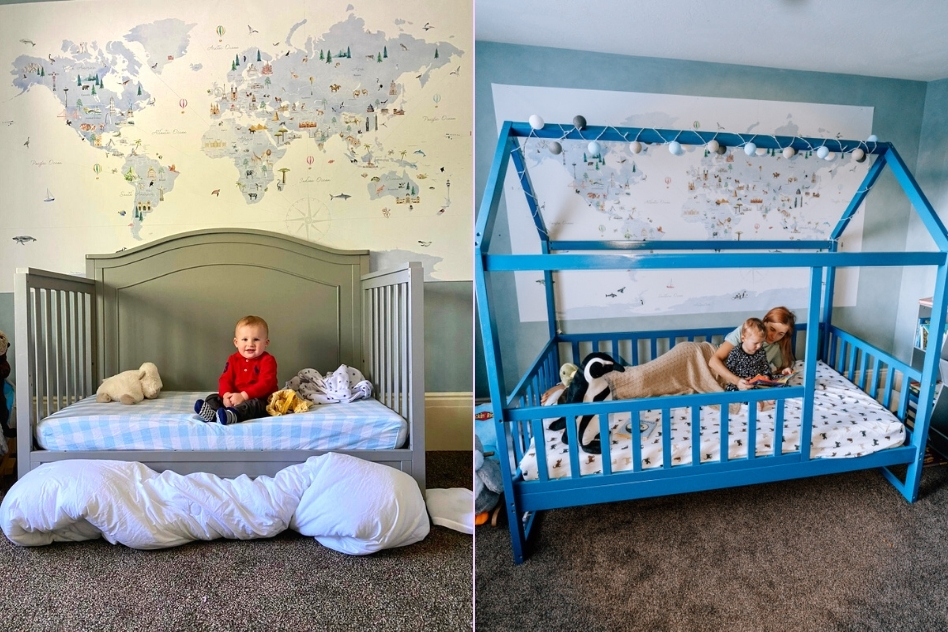
Try small steps before the big change. Use a crib mattress on the floor next to the bed. This keeps your child close but lets them practice sleeping outside the crib. A toddler bed with guardrails can feel safer than a big bed. Night lights or favorite toys nearby help create a calm space. These options ease the move and build confidence.
Credit: annainthehouse.com
Credit: babyletto.com
Frequently Asked Questions
At What Age Can A Baby Transition To A Toddler Bed?
Most babies transition to a toddler bed between 18 months and 3 years. This depends on their size, mobility, and readiness to climb in and out safely.
How Do I Know If My Baby Is Ready For A Toddler Bed?
Signs include climbing out of the crib, showing interest in a bed, and improved motor skills. Safety and comfort are key readiness indicators.
What Are The Benefits Of Moving To A Toddler Bed Early?
Early transition promotes independence and reduces crib climbing risks. It also helps kids adjust to a bigger bed before preschool age.
Should I Keep Using Crib Bedding In A Toddler Bed?
Using familiar crib bedding can provide comfort. However, toddler beds require fitted sheets sized for their mattress for safety and better fit.
Conclusion
Choosing the right time for a toddler bed helps your child feel safe. Most babies switch between 18 months and 3 years old. Watch your child’s behavior for signs of readiness. A toddler bed offers more freedom but keeps safety in mind.
Every child grows at their own pace. Trust your instincts and keep comfort as a priority. This change can make bedtime smoother for both of you. Small steps lead to big progress in your child’s growth.