Are you wondering when your little one is ready to move from a crib to a toddler bed? Choosing the right age for this big step can feel tricky.
You want your child to be safe, comfortable, and excited about their new bed. But how do you know the perfect time? You’ll discover the key signs to look for and expert tips to make the transition smooth and stress-free.
Keep reading to find out what age is good for a toddler bed and how to make this change easy for both you and your child.

Credit: busytoddler.com
Signs Your Toddler Is Ready
Choosing the right age for a toddler bed is important for your child’s safety and comfort. The ideal age range helps ensure a smooth change from a crib to a bigger bed. This change supports your toddler’s growing need for space and freedom during sleep.
Every child is different, so the ideal age can vary. Understanding typical ages and factors affecting this transition can guide your decision.
Typical Transition Ages
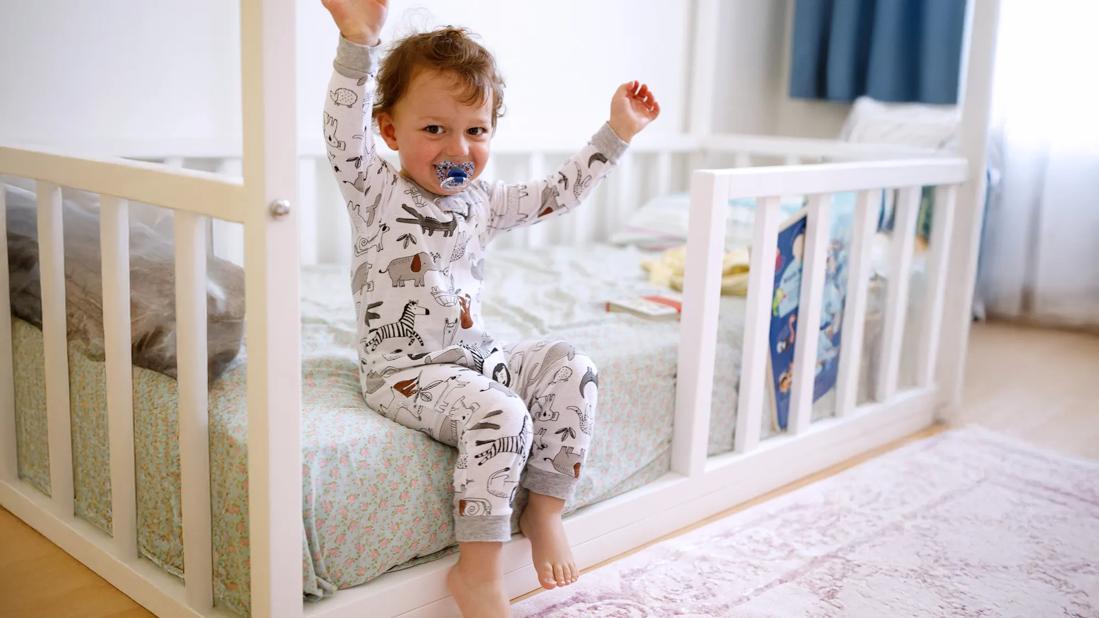
Most children switch to a toddler bed between 18 months and 3 years old. Around 2 years is common for many families. Some toddlers may move earlier if they try to climb out of the crib. Others may stay longer if they feel safe and secure in their crib.
Factors Influencing Timing
Safety is the top factor. If your toddler climbs out of the crib, it’s time for a bed. Your child’s size also matters. Larger toddlers may need more space sooner. Your toddler’s sleep habits can affect timing. Some children sleep better with a familiar crib. Family routines and your child’s readiness play a role too.
Credit: health.clevelandclinic.org
Ideal Age Range
Choosing the right time for a toddler bed is important for your child’s safety. Toddlers need a bed that supports their growth and keeps them safe during sleep. Safety means more than just the bed itself. The room and how the bed is set up matter a lot. Falls and injuries can be avoided with simple steps. Read on to learn key safety tips for your toddler’s bed.
Choosing The Right Bed
Pick a bed designed specifically for toddlers. It should have low sides to stop your child from rolling off. The bed frame must be sturdy and strong. Avoid beds with sharp edges or loose parts. Look for beds that meet safety standards. A bed with guardrails on all sides is best for active sleepers. The mattress should fit snugly with no gaps.
Room Setup Tips
Place the bed away from windows and cords. Keep the floor clear of toys and objects that cause tripping. Use soft rugs to cushion any falls. Make sure night lights are safe and not too bright. Keep heavy furniture secured to the wall. This helps prevent tipping if your toddler climbs on them. The room should be easy to navigate in the dark.
Preventing Falls
Use guardrails to reduce fall risk. Teach your toddler to stay in bed while sleeping. Avoid high beds or bunk beds for toddlers. A bed close to the floor lowers the chance of injury. Use non-slip pads under rugs and mattresses. Check the bed every few months for loose screws or parts. This keeps the bed safe and secure for your child.
Safety Considerations
Making the transition to a toddler bed can be a big step for your child. It takes time and patience to help them feel safe and happy in their new bed. A smooth change helps your toddler adjust quickly and sleep better. Small actions can make a big difference during this time.
Involving Your Toddler
Let your child help choose the bed or bedding. This gives them a sense of control. Talk about the new bed as a fun place to sleep. Show excitement to make them curious. Let your toddler touch and explore the bed before sleeping in it.
Establishing Bedtime Routines
Keep a simple and calm routine every night. Read a story or sing a song before bed. A steady routine helps your toddler feel safe. Try to start bedtime at the same time each night. Avoid bright screens or loud noises before sleep.
Using Comfort Objects
Offer a favorite toy or blanket in the new bed. These objects bring comfort and reduce fear. Let your toddler hold the item while falling asleep. Comfort objects can help your child feel secure and calm. Replace old sleeping habits with these new comforting items.
Making The Transition Smooth
Moving a toddler to a new bed can bring many challenges. Children may feel unsure about sleeping in a bigger bed. Parents often face struggles at bedtime and during the night. Understanding these common issues helps ease the transition. Simple solutions can make the change smoother and less stressful.
Nighttime Resistance
Toddlers may refuse to go to bed in their new bed. They might want to stay with parents or sleep on the floor. This resistance is normal as they seek comfort and security. Try setting a calm bedtime routine to help them relax. Let them bring a favorite toy or blanket to the new bed. Praise and gentle encouragement can build positive feelings about bedtime.
Fear Of The Dark
Fear of the dark often grows when children switch beds. The new room or bigger bed may seem scary. Use a nightlight to keep the room softly lit. Avoid scary stories or shows before sleep. Talk calmly about their fears and offer reassurance. A small, soft toy can also provide comfort in the dark.
Adjusting To New Sleep Patterns
Sleeping in a toddler bed may change a child’s sleep habits. They might wake up more or nap less. Keep consistent sleep and wake times every day. Offer quiet activities if they wake early or during the night. Be patient as their body adjusts. Soon, new patterns will feel natural and easy to follow.
Common Challenges And Solutions
Deciding when to move your child to a toddler bed is not always simple. Some toddlers may not be ready at the usual age. Parents should watch for signs that suggest waiting is better. Delaying the move can help avoid stress and bedtime struggles. Understanding your child’s needs in different areas guides this choice.
Emotional Readiness
Your toddler must feel safe and secure before moving. Some children cling to their crib for comfort. Fear of falling or being alone can stop progress. Watch for signs of anxiety or resistance at bedtime. If your child cries or resists strongly, wait a little longer.
Physical Development
Physical skills matter for a smooth transition. Toddlers should be able to climb in and out safely. Strong motor skills reduce the risk of falls or injuries. If your child is still unsteady or clumsy, the crib might be safer. Waiting helps build strength and balance first.
Family Dynamics
Changes at home can affect readiness for a toddler bed. Moving houses, new siblings, or changes in routine cause stress. During these times, sticking to the crib helps maintain stability. Your child needs consistency and comfort before big changes. Postpone the move until family life calms down.
Credit: health.clevelandclinic.org
Frequently Asked Questions
At What Age Should Toddlers Switch To A Toddler Bed?
Toddlers typically switch between 18 months and 3 years old. This depends on their size, mobility, and readiness for a bed. Signs include climbing out of the crib or expressing interest in a bigger bed. Safety and comfort are key factors to consider.
How To Know If My Toddler Is Ready For A Bed?
Look for signs like climbing out of the crib or showing interest in a bed. Your child should be able to follow simple instructions and feel secure sleeping outside the crib. Readiness varies, so observe your toddler’s behavior closely.
What Are The Benefits Of Using A Toddler Bed?
Toddler beds provide safety rails and a lower height, reducing fall risks. They offer a smooth transition from crib to bed, promoting independence. These beds are designed for toddler-sized mattresses, ensuring comfort and security during sleep.
How To Make Toddler Bed Transition Easier?
Introduce the bed gradually with positive reinforcement. Use familiar bedding and keep a consistent bedtime routine. Allow your toddler to explore the bed during the day. Patience and encouragement help build confidence and comfort in the new sleeping space.
Conclusion
Choosing the right age for a toddler bed helps your child feel safe and comfortable. Most kids switch between 18 months and 3 years old. Watch for signs like climbing out of the crib or needing more space. A toddler bed offers freedom but keeps safety in mind.
Every child is different, so trust your instincts. This change can make bedtime easier for both of you. Keep the room cozy and secure for a smooth transition. Your child will enjoy more independence while still feeling cared for.