Are you trying to find a mattress that’s just a little smaller than a bunk bed mattress? Maybe you want something that fits perfectly in a tight space or offers just the right amount of comfort without being too big.
Understanding what size is “a little smaller” can help you make the best choice for your room and sleep needs. You’ll discover exactly what that means and how to pick the perfect mattress size that feels just right for you.
Keep reading to find the mattress that fits your space and lifestyle perfectly.
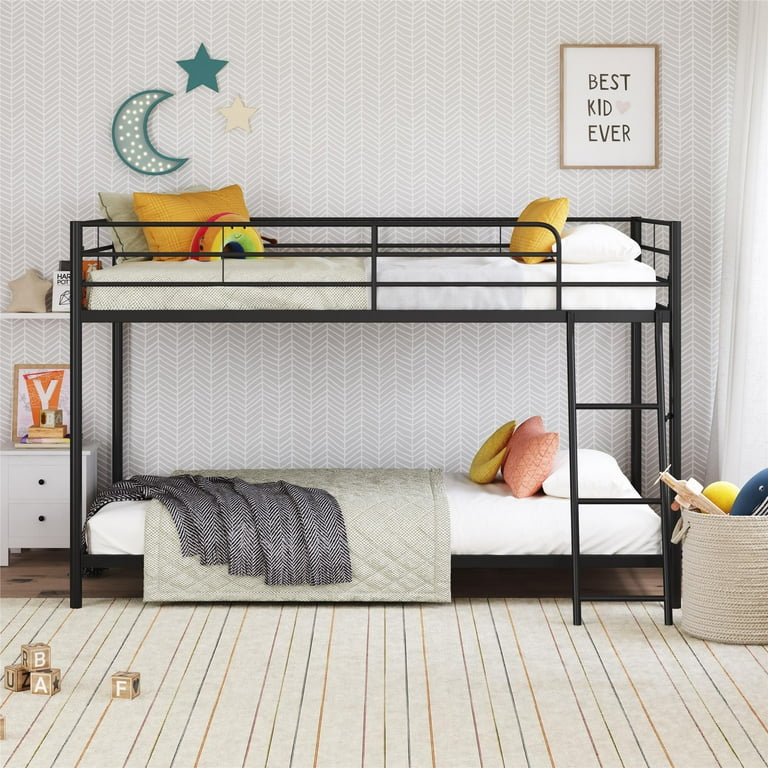
Bunk Bed Mattress Sizes
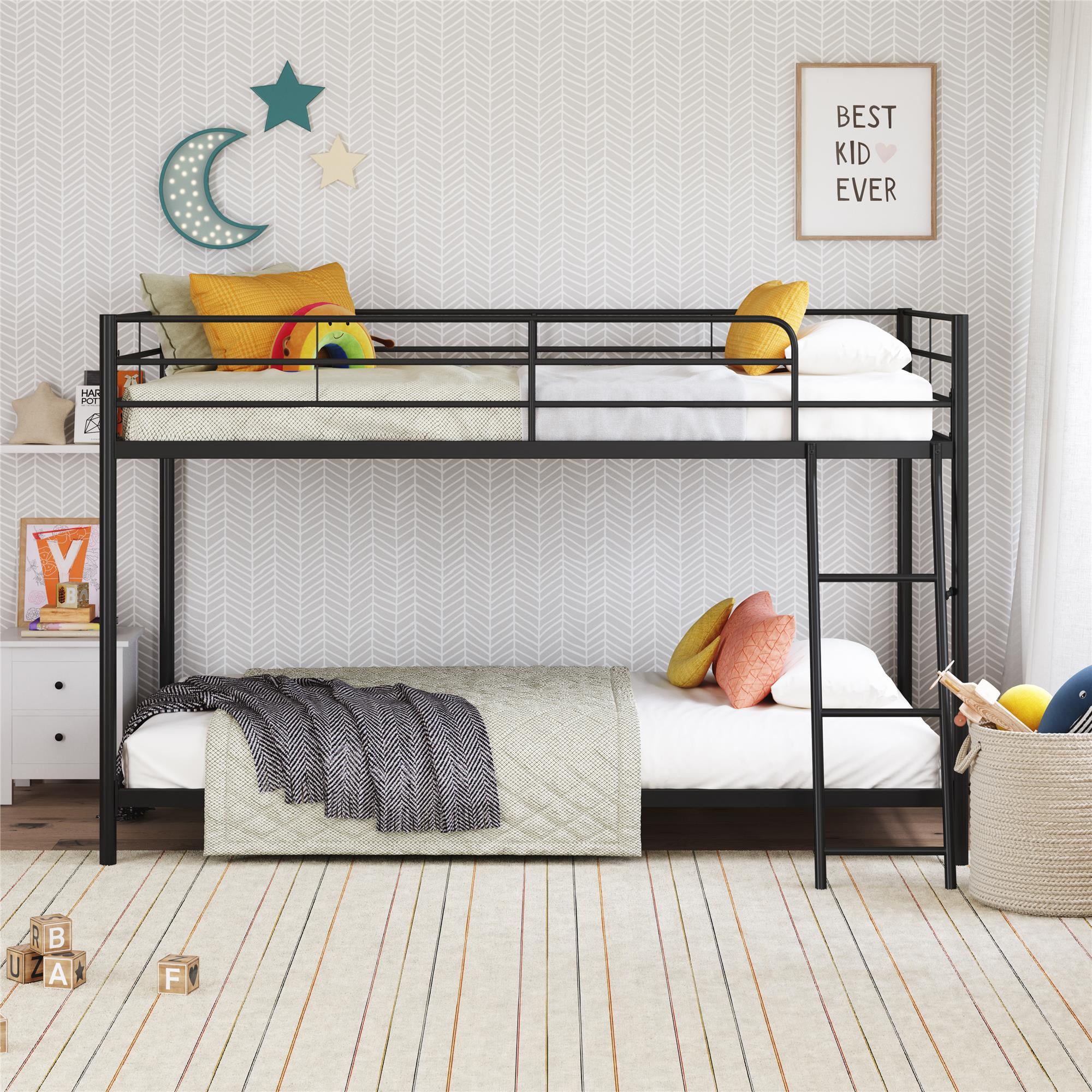
Bunk beds save space and are great for kids or guests. Choosing the right mattress size is important for comfort and safety. Mattress sizes for bunk beds can differ slightly. Knowing the common sizes helps you pick the perfect fit.
Standard Dimensions
The most common bunk bed mattress size is twin. A typical twin mattress measures 39 inches wide by 75 inches long. This size fits most bunk bed frames perfectly. Some bunk beds use a twin XL mattress, which is 5 inches longer. This size is 39 inches wide and 80 inches long. It suits taller sleepers well. Standard sizes keep your mattress secure and stable on the bed frame.
Common Variations
Some bunk beds use smaller mattresses than the standard twin. These are often called “short twin” or “bunkie” mattresses. They measure about 30 to 35 inches wide and 75 inches long. These mattresses fit compact bunk beds or loft beds. Other variations include full-size bunk mattresses. A full mattress is 54 inches wide by 75 inches long. This size offers more sleeping space but needs a larger frame.
Credit: www.walmart.com
Options Slightly Smaller Than Bunk Mattresses
Finding a mattress slightly smaller than a bunk bed mattress can be helpful for tight spaces. These options save room while still offering comfort and support. They fit well in small bedrooms or compact living areas.
Two common mattress sizes are just a bit smaller than standard bunk bed mattresses. Each has unique dimensions and benefits. These choices help you maximize space without sacrificing sleep quality.
Twin Xl Mattresses
Twin XL mattresses measure 38 inches wide and 80 inches long. They are the same width as a standard twin mattress but longer by 5 inches. This extra length suits taller sleepers.
Though longer, Twin XL mattresses are slightly smaller in width than bunk mattresses. They fit well on bunk bed frames made for standard twins. These mattresses offer more legroom while keeping a compact width.
Narrow Twin Mattresses
Narrow twin mattresses, also called cot-size mattresses, are 30 inches wide. They are narrower than standard bunk mattresses, which usually measure 38 inches wide. This saves valuable floor space.
These mattresses are shorter, too, often around 75 inches long. They work well in very small rooms or for children. Narrow twin mattresses fit in tight spaces where a standard bunk mattress might be too large.
Benefits Of Choosing Smaller Mattresses
Choosing a mattress smaller than a bunk bed mattress offers many benefits. These mattresses fit well in tight spaces and bring ease to daily use. They suit rooms with limited space and provide flexibility in arranging furniture. Small mattresses also make moving and cleaning easier. These benefits make them practical for many homes and lifestyles.
Space Efficiency
Smaller mattresses save a lot of space in a room. They fit into corners or narrow areas easily. This frees up room for other furniture or activities. Rooms look less crowded and feel more open. This mattress size is ideal for small bedrooms or shared spaces.
Ease Of Handling
Smaller mattresses are lighter and easier to carry. Moving them around is less tiring and quicker. Changing sheets or flipping the mattress takes less effort. This makes cleaning and maintenance simple. People of all ages find smaller mattresses easier to manage.

Credit: www.amazon.com
Considerations For Mattress Thickness
Choosing the right mattress thickness is key for comfort and safety. This is especially true for mattresses that are a little smaller than a bunk bed mattress. Thickness affects how well the mattress fits and performs. It also impacts the overall sleeping experience. Below are important points to consider about mattress thickness.
Comfort And Support
Mattress thickness plays a big role in comfort. A mattress too thin may not support the body properly. This can cause aches and poor sleep. A thicker mattress offers better cushioning and pressure relief. It helps keep the spine aligned. The right thickness depends on personal preference and body weight. It must balance softness with firm support for restful sleep.
Safety For Bunk Beds
Safety is crucial for bunk beds. The mattress should not be too thick. A thick mattress can raise the sleeper too high. This increases the risk of falling out. Most bunk beds require a mattress thickness of 6 to 8 inches. This keeps the bed rails effective for protection. A slightly smaller mattress also fits better inside the bunk frame. This reduces gaps where a child could get stuck.
Materials And Firmness Levels
Choosing a mattress a little smaller than a bunk bed mattress means understanding materials and firmness levels. These two factors affect comfort and support. The right choice helps improve sleep quality. Mattresses come in different materials and firmness, making it easy to find one that fits your needs.
Foam Options
Foam mattresses offer great comfort and pressure relief. Memory foam molds to your body shape. It reduces pressure points and supports your spine. Polyfoam is lighter and less dense. It gives a softer feel and good bounce. Some foam mattresses combine layers for better support and comfort. Foam mattresses are quiet and work well for people who move a lot at night.
Innerspring Choices
Innerspring mattresses use metal coils for support. They provide strong support and good airflow. Pocket coils move independently, reducing motion transfer. Bonnell coils are firmer and more traditional. Innerspring mattresses usually feel bouncier than foam. They are a good choice for people who like a firmer mattress. These mattresses often have a pillow top for extra softness.
Measuring Your Bed Frame
Measuring your bed frame is the first step to find a mattress that fits perfectly. A mattress slightly smaller than a bunk bed mattress can fit well if you measure carefully. Accurate measurements prevent buying the wrong size mattress. Follow simple steps to measure your bed frame correctly.
Accurate Width And Length
Start by measuring the inside edges of the bed frame. Use a tape measure to check the width from one side rail to the other. Write down this number. Next, measure the length from the head to the foot of the bed frame. Measure twice to avoid mistakes. These numbers help you pick a mattress that fits well.
Checking Bed Rails
Look at the bed rails for any extra space or gaps. Some bed frames have thick rails that reduce mattress space. Measure the thickness of each rail and subtract it from the total width. This step ensures the mattress does not get stuck or slide around. A good fit means the mattress stays in place and feels comfortable.
Tips For Buying The Perfect Sized Mattress
Choosing the right mattress size is important for comfort and space. A mattress a little smaller than a bunk bed mattress fits well in small rooms. It offers enough sleeping space without crowding the area. Follow these tips to find the perfect size mattress that suits your needs.
Testing In Store
Visit a mattress store to try different sizes. Lie down for a few minutes to check comfort. Move around to see if the mattress supports your body well. Measure the mattress to ensure it fits your room. Ask the staff about sizes smaller than bunk bed mattresses. This helps you understand options before buying.
Online Purchase Guidelines
Check detailed size information on product pages. Compare mattress dimensions with your room space. Read customer reviews about mattress size and comfort. Look for return policies in case the mattress is too big or small. Buy from trusted sellers who offer clear size descriptions. Use online size charts to confirm measurements.
Credit: www.walmart.com
Frequently Asked Questions
What Size Is Smaller Than A Bunk Bed Mattress?
A mattress smaller than a bunk bed mattress is often a twin or twin XL. Bunk bed mattresses usually measure 39″ x 75″. Smaller options include a crib mattress or custom sizes, which are shorter or narrower than standard bunk bed mattresses.
Why Choose A Smaller Mattress Than A Bunk Bed?
Choosing a smaller mattress saves space and fits unique bed frames. It suits children or compact rooms. Smaller mattresses also reduce cost and improve mobility. They provide comfort without overwhelming limited room dimensions.
How To Measure For A Mattress Smaller Than A Bunk Bed?
Measure the bed frame’s interior length and width. Compare with standard bunk mattress sizes (39″ x 75″). Choose a mattress slightly smaller for easy fitting. Always check manufacturer guidelines for compatibility and safety.
Are Smaller Mattresses Comfortable For Bunk Beds?
Yes, smaller mattresses can be comfortable if they fit well. Comfort depends on mattress thickness and material quality. Ensure the mattress supports the body adequately to avoid discomfort or safety issues during sleep.
Conclusion
A mattress slightly smaller than a bunk bed mattress fits well in tight spaces. It offers comfort without taking too much room. Many choose these mattresses for kids’ rooms or guest areas. These sizes provide a cozy sleep spot while saving space.
Choosing the right size matters for good rest and room layout. Small adjustments can make a big difference in comfort. Consider your space and needs before buying. This way, you get a mattress that fits just right. Simple and smart choices bring better sleep every night.
