Are you wondering when your child is ready to sleep in a bunk bed? You want to make sure it’s safe and comfortable for them.
Choosing the right age can help prevent accidents and give you peace of mind. You’ll discover the key factors to consider before making the switch. Keep reading to find out exactly when your kids can start enjoying the fun and space-saving benefits of a bunk bed—safely.
Ideal Age For Bunk Beds
Bunk beds are a fun and space-saving option for kids’ bedrooms. Choosing the right age for a child to sleep in a bunk bed is important for safety. Parents should think about the child’s physical and mental readiness before making this decision.
The ideal age is not the same for every child. It depends on several factors like height, coordination, and fear of heights. Understanding these points helps keep kids safe and comfortable.
Recommended Minimum Age
Experts often suggest children should be at least six years old before using a bunk bed. At this age, most kids have better balance and motor skills. They also understand safety rules more clearly. The top bunk is where most accidents happen, so waiting until the child is older reduces risk.
Developmental Factors To Consider
Think about your child’s climbing ability and confidence. Some kids are ready earlier, while others need more time. Nighttime fears can cause restlessness on the top bunk. Check if your child can safely climb a ladder and get in and out without help. Also, consider if they can follow safety rules without reminders.
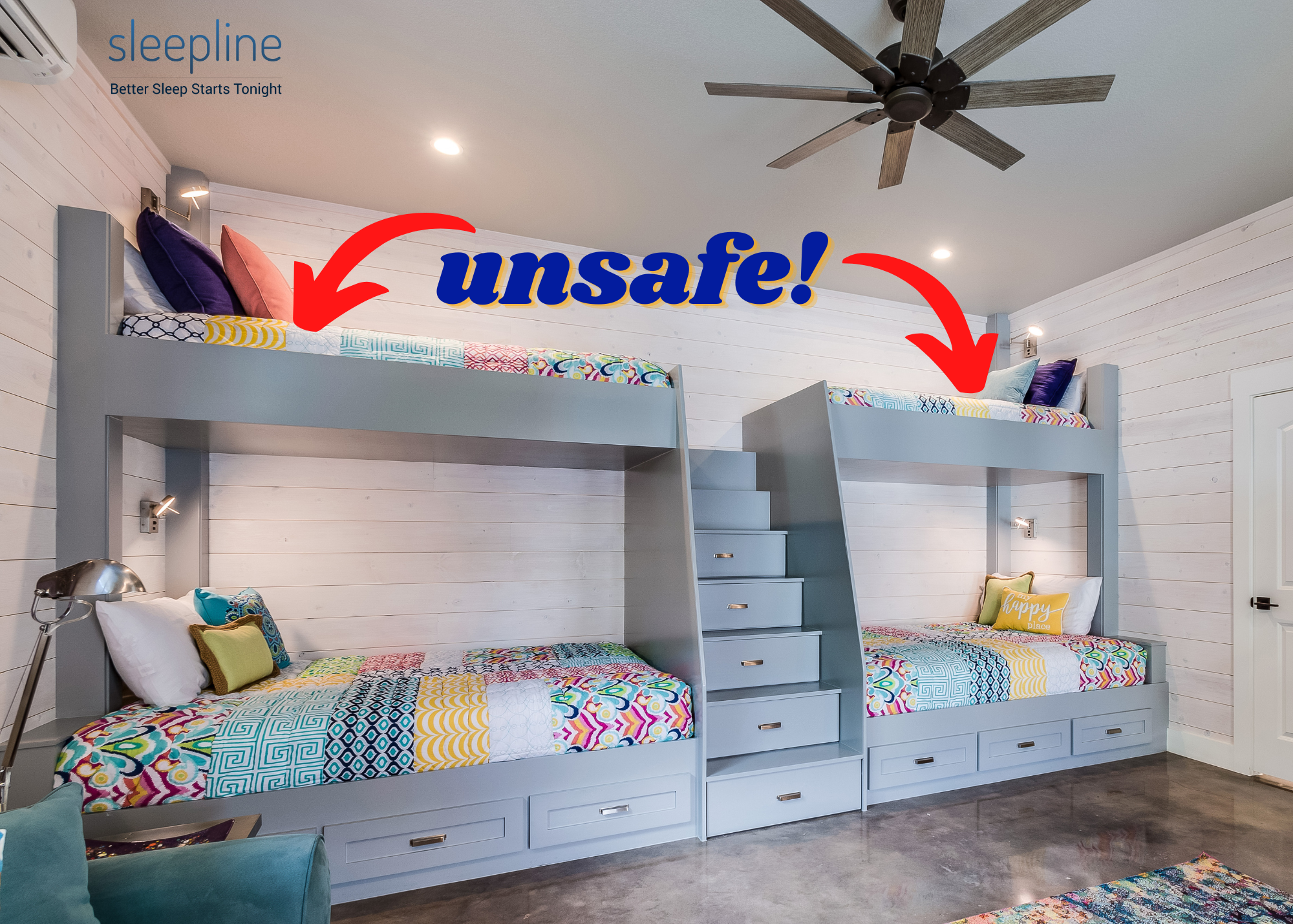
Credit: www.sleepline.com
Safety Standards For Bunk Beds
Safety is the top priority for kids sleeping in bunk beds. Parents must check important features. These features help prevent falls and injuries. Meeting safety standards keeps children safe and sound.
Understanding key safety points helps parents choose the right bunk bed. These include guardrails, ladder design, and weight limits. Each factor plays a role in protecting children during sleep and play.
Guardrails And Bed Height
Guardrails stop children from rolling out of bed. The top bunk must have guardrails on all sides. The rails should be at least 5 inches above the mattress. This height keeps kids safe while they move in sleep.
The distance between the guardrail and mattress should be small. This prevents children from slipping through gaps. Bed height also matters. The space between the top bunk and ceiling should allow sitting up safely.
Sturdy Ladder Design
Ladders must be strong and steady. Children climb the ladder many times daily. The steps should be wide and non-slip. Handrails or side rails add extra support for climbing. A fixed ladder is safer than a detachable one.
The ladder should be easy to reach from the floor. It must not wobble or bend under weight. Proper ladder design reduces the risk of falls and accidents.
Weight Limits
Each bunk bed has a maximum weight limit. Exceeding this limit can cause the bed to break. Parents should check the manufacturer’s weight guidelines. These limits include the child’s weight plus mattress weight.
Following weight limits ensures the bed stays safe and strong. It also extends the life of the bunk bed. Choosing a bed with a higher weight capacity is wise for growing kids.
Choosing The Right Bunk Bed
Choosing the right bunk bed is important for your child’s safety and comfort. Not all bunk beds suit every age or room size. It helps to consider the materials and mattress size before buying. This way, you ensure the bed fits well and lasts long. The right bunk bed makes bedtime fun and safe for kids.
Materials And Construction
Strong materials make bunk beds safe and sturdy. Look for solid wood or metal frames. These materials hold weight well and resist damage. Check that all parts are well connected. Screws and bolts should be tight, not loose. Smooth edges and rounded corners reduce injury risks. A well-built bunk bed offers stability for active kids.
Mattress Size Compatibility
Match the mattress size to the bunk bed frame. Common sizes include twin, full, and twin XL. Using the correct mattress size prevents gaps and falling risks. Measure the bed frame before buying a mattress. Choose a mattress with moderate thickness for safety. Too thick or thin mattresses can cause discomfort or danger. Proper mattress fit keeps kids cozy and secure.
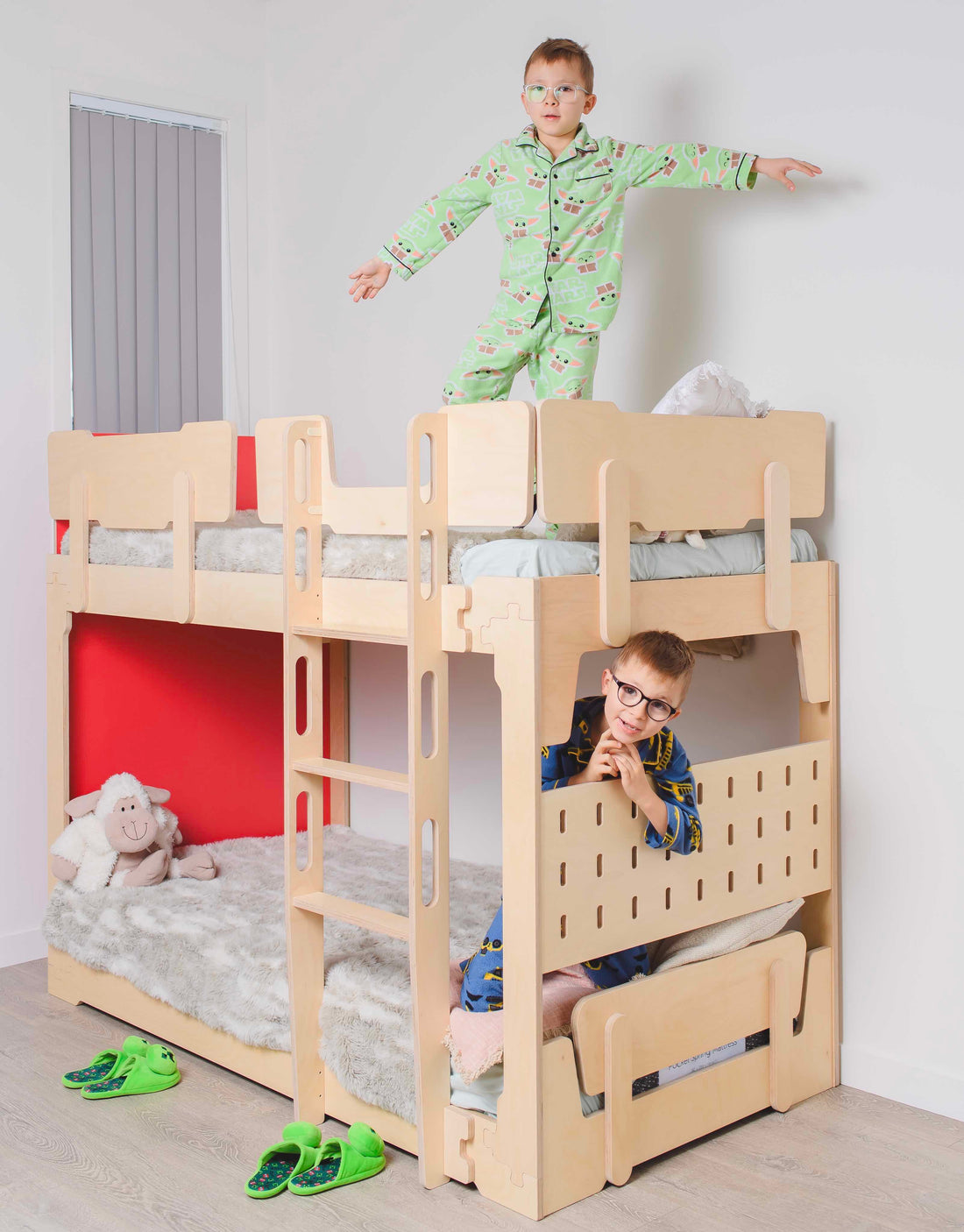
Credit: kitsmart.co.nz
Setting Up A Safe Bunk Bed Environment
Setting up a safe bunk bed environment is crucial for your child’s safety and comfort. A well-arranged space helps prevent accidents and makes bedtime more pleasant. Careful planning of the room layout and lighting can create a secure and cozy atmosphere. These steps protect your child and give you peace of mind.
Proper Room Placement
Place the bunk bed away from windows and doors. This reduces the risk of falls or injuries from glass or sudden drafts. Choose a spot with enough space around the bed for easy movement. Avoid crowded corners or areas near heaters and electrical outlets. Keep the bed on a flat, sturdy floor to prevent wobbling.
Clearance And Lighting
Ensure there is enough space between the top bunk and the ceiling. This prevents your child from hitting their head. Install soft, dimmable lights near the bed for nighttime safety. Night lights help children see the stairs or ladder clearly. Avoid harsh lights that may disturb their sleep. Clear pathways and good lighting reduce accidents during night trips to the bathroom.
Tips To Prevent Accidents
Bunk beds can be fun for kids but also risky. Safety comes first to stop accidents. Simple steps can help keep children safe. Teach kids how to use bunk beds correctly. Keep an eye on them especially at the start.
Use these tips to make bunk bed use safe. Create clear rules and watch your child closely. These actions reduce the chance of falls or injuries.
Rules For Using Bunk Beds
Make simple rules for bunk bed use. No jumping on the bed or climbing the frame. Only use the ladder to get up or down. Do not allow rough play on or near the bed. Always keep the guardrails in place on the top bunk. Set a rule that only one child sleeps on the top bunk.
Supervision And Monitoring
Watch your child closely when they start using a bunk bed. Check the bed regularly for loose screws or weak parts. Make sure the mattress fits well and guardrails are secure. Talk with your child about safe bed use often. Be alert for signs of fear or discomfort about the bed. Adjust rules or supervision if your child grows or changes habits.
When To Transition From Bunk Beds
Deciding when to move your child out of bunk beds is important for safety and comfort. Kids grow fast, and their needs change. Watching your child closely helps you know the right time to transition. This change can improve their sleep quality and reduce risks.
Signs Your Child Is Ready
Look for changes in your child’s behavior and physical growth. If they start climbing out of bed alone or seem uncomfortable in the top bunk, it may be time. Frequent bumps or fear of heights are clear signs. Also, if your child is taller than the bed or struggles to climb up safely, consider switching. Listen to their feelings about the bunk bed. Their safety and comfort come first.
Alternatives To Bunk Beds
After moving from bunk beds, explore other sleeping options. A single bed or a toddler bed can be good choices. Loft beds with a desk or play area underneath save space. Floor beds also offer safety and ease. Choose beds that suit your child’s room size and personality. Comfort and safety remain top priorities in any new bed.

Credit: www.customkidsfurniture.com
Frequently Asked Questions
What Is The Recommended Minimum Age For Bunk Beds?
Experts suggest kids should be at least 6 years old before using bunk beds. This helps reduce injury risks.
Why Are Bunk Beds Unsafe For Toddlers?
Toddlers lack the coordination and awareness needed to safely climb and sleep in bunk beds. Falls are common.
How To Make Bunk Beds Safer For Kids?
Use guardrails on all sides, ensure sturdy ladders, and supervise young kids to prevent accidents.
Can Younger Kids Share A Bunk Bed Safely?
It’s best if only one child sleeps on the top bunk. Younger kids should use the bottom bunk.
Conclusion
Kids should start sleeping in a bunk bed around age six. Safety is the main concern for parents. Always choose bunk beds with guardrails and sturdy frames. Teach children to climb up and down carefully. Regularly check the bed for loose parts or damage.
Each child is different, so trust your judgment. Bunk beds can save space and add fun to a room. Keep safety first to ensure happy, restful nights for your kids.