Wondering when your little one is ready to move from a crib to a toddler bed? You’re not alone.
This transition is a big step for both you and your child, and knowing the right age can make all the difference. If you move too early, your child might feel unsafe; wait too long, and they could feel cramped or frustrated.
You’ll discover the signs to watch for, the ideal age range, and expert tips to make the switch smooth and stress-free. Keep reading to find out exactly when your child is ready to take this important step.

Credit: www.candokiddo.com
Signs Your Child Is Ready
Knowing when your child is ready for a toddler bed helps make the move smooth. Watch for clear signs. These signs show your child can handle a bigger bed safely and comfortably.
Observe your child’s behavior and physical changes. This helps you decide the right time to switch from a crib to a toddler bed.
Climbing Out Of The Crib
Climbing out of the crib is a common sign your child is ready for a toddler bed. It can be dangerous if they try to climb over the crib sides. A toddler bed offers easier and safer access in and out.
Try to watch if your child climbs during the day or at night. Frequent climbing shows they want more freedom in their sleep space.
Showing Interest In A Big Bed
Your child might ask about a “big bed” or want to sleep with older siblings. This shows curiosity about growing up. Their interest means they may feel ready to leave the crib behind.
Let your child explore the idea. Talk about the toddler bed as a new step. This can make them excited and more willing to switch.
Physical Growth And Development
When your child grows taller or heavier, the crib might feel small. Check if their legs stick out or if they look cramped. Physical comfort is important for good sleep.
Also, children develop better balance and coordination around age 18-24 months. This helps them get in and out of a toddler bed safely.
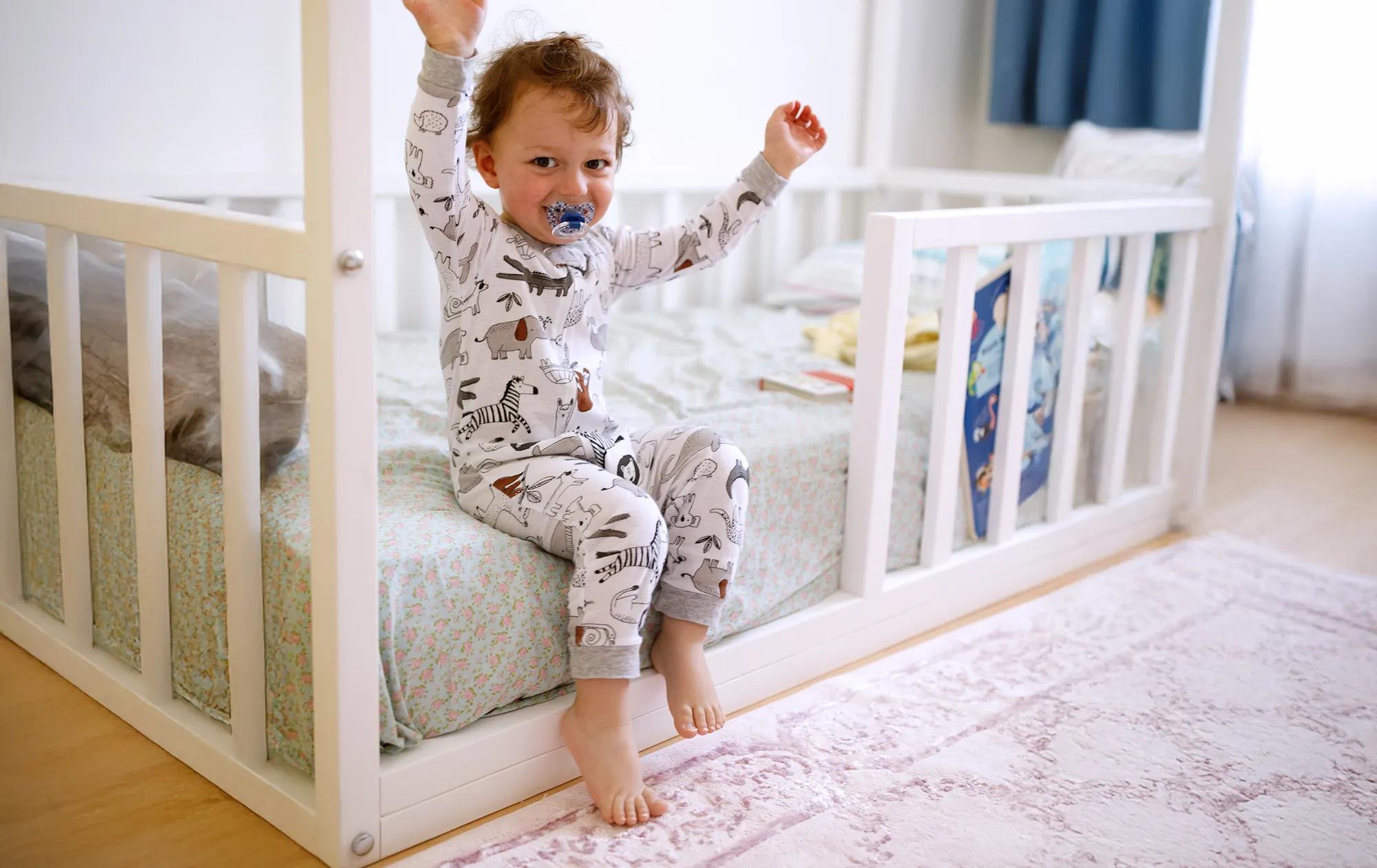
Credit: health.clevelandclinic.org
Ideal Age Range
Choosing the right time for your child to move into a toddler bed is important. The ideal age range helps ensure a smooth change. This transition supports your child’s comfort and safety during sleep. Understanding common ages and individual differences guides parents in making the best choice.
Typical Transition Ages
Most children switch to a toddler bed between 18 months and 3 years old. This period matches their growth and new skills. Toddlers become more active and curious about their surroundings. A toddler bed offers more freedom than a crib but still feels secure.
Many parents move their child around the 2-year mark. At this age, children often start climbing out of cribs. Transitioning to a toddler bed reduces the risk of falls. It also helps with potty training and independence.
Variations By Child
Every child grows at their own pace. Some may be ready earlier or later than typical ages. Look for signs like climbing out of the crib or needing more space. Some children feel secure longer in a crib and may delay the move.
Consider your child’s personality and habits. Children who resist change might need more time. Others may enjoy the new bed right away. Adjust the timing based on your child’s comfort and safety.
Safety Considerations
Safety is the top priority when moving your child to a toddler bed. Toddlers are curious and active. They need a secure space to sleep and play. Creating a safe sleeping area helps prevent falls and injuries. Parents should focus on key safety features and room setup.
Bed Rails And Guards
Bed rails keep your child from rolling out of bed during sleep. Choose rails that fit the bed firmly. Check that gaps between rails and mattress are small. This prevents children from getting stuck. Soft rails with padding add extra protection. Make sure rails are sturdy and easy to install. Remove the rails only when your child can safely sleep without them.
Room Childproofing Tips
Secure furniture to the wall to stop tipping hazards. Cover electrical outlets with safety plugs. Keep cords from blinds or curtains out of reach. Use door stoppers to avoid finger pinches. Remove small toys or objects that could cause choking. Make the floor clutter-free to prevent trips and falls. Keep night lights on to help your child see in the dark.
Choosing The Right Toddler Bed
Choosing the right toddler bed is an important step for your child’s comfort and safety. The bed should fit your child’s size and match your home style. Think about how long your child will use the bed. Pick a bed that grows with your child or can be used for years. Safety features are key to avoid accidents. Look for beds with guardrails and low height for easy access.
Consider your child’s needs and preferences. Some kids like fun designs, while others prefer simple styles. The bed should feel inviting and cozy. The right bed can help your child sleep better and feel more independent.
Size And Design Options
Toddler beds come in many sizes. Most fit a standard crib mattress for easy transition. Choose a size that leaves space in the room for play. A bed too big might feel scary for some toddlers.
Designs vary from simple frames to themed beds with cars or animals. Pick a style your child will enjoy. Keep the room’s look in mind for a nice match. Rounded edges and low beds help keep your child safe.
Material And Durability
Materials affect the bed’s safety and how long it lasts. Wood is strong and classic. It can handle rough play and last many years. Metal beds are sturdy but might be cold to touch.
Check the paint and finish. Non-toxic paints protect your child’s health. Avoid beds with sharp corners or loose parts. A well-made bed stands up to daily use and keeps your child safe.
Making The Transition Smooth
Moving your child from a crib to a toddler bed is a big step. A smooth transition helps your child feel safe and happy. It also makes bedtime easier for the whole family. Simple changes can make a big difference during this time.
Start by making bedtime calm and clear. A routine that your child knows will help them adjust faster. Also, let your child take part in this change. Their excitement will grow if they feel involved.
Creating A Bedtime Routine
Set a regular bedtime and stick to it every night. This helps your child’s body know when to sleep. Include quiet activities before bed, like reading or gentle talking. Avoid screens or loud play close to bedtime. A warm bath can relax your child. Dim the lights to signal that sleep is near. Consistency is key for comfort and security.
Involving Your Child In The Process
Let your child pick their new bed sheets or a special blanket. Talk about the new bed as a fun and safe place. Show your child how to get in and out of the bed. Praise their efforts to use the bed by themselves. This builds confidence and excitement. Keep conversations positive and simple. Your child’s participation makes the change less scary.

Credit: busytoddler.com
Common Challenges And Solutions
Moving your child to a toddler bed brings new challenges. Many kids feel unsure about this change. Parents often face resistance and worries from their little ones. Understanding these common issues helps parents find practical solutions. This section covers typical problems and ways to ease the transition.
Nighttime Resistance
Many children say no to the toddler bed at night. They want to stay in the familiar crib. Some cry or try to come back to your room. This is normal behavior. Set clear bedtime rules and stick to them. Use a calm voice to explain it is time to sleep in their bed. A bedtime routine helps build comfort and security. Praise your child when they stay in bed all night.
Fear Of Falling Or The Dark
Kids often fear falling out of bed or the dark. This fear makes them avoid the toddler bed. Use bed rails to keep your child safe. A nightlight gives soft light and comfort. Talk about these fears calmly and listen carefully. Let your child bring a favorite toy or blanket. This helps them feel safe and brave.
Frequently Asked Questions
At What Age Is A Toddler Bed Suitable?
Toddlers typically transition to a toddler bed between 18 months and 3 years old. This depends on their size and readiness to move from a crib safely.
How To Know If My Child Is Ready For A Toddler Bed?
Signs include climbing out of the crib, showing interest in a bed, and ability to follow bedtime rules. Safety and comfort are key indicators.
What Are The Benefits Of Switching To A Toddler Bed?
A toddler bed offers more freedom and safety compared to a crib. It supports independence and reduces risks from climbing out of the crib.
Should I Wait For My Child’s Birthday To Switch Beds?
Switching doesn’t need to align with birthdays. It’s best to consider your child’s development and safety rather than a specific age.
Conclusion
Choosing the right time for a toddler bed depends on your child’s readiness. Most children move between 18 months and 3 years old. Watch for signs like climbing out of the crib or asking for a big bed. Safety matters—make sure the room is safe for their new independence.
Every child is different. Trust your instincts and your child’s comfort. A smooth transition helps your toddler feel secure and happy. This step supports their growth and sleep habits. Keep it calm and positive. Your child will adjust well in time.