Imagine transforming your bedroom into a cozy, fun space where comfort meets creativity. Building a hammock bunk bed is a unique way to save space and add a playful touch to your room.
You might think it’s complicated, but with the right steps, you can create this amazing piece yourself. In this guide, you’ll discover how to build a sturdy, stylish hammock bunk bed that fits your style and needs. Ready to impress your friends and enjoy ultimate relaxation?
Keep reading, and let’s make your dream bunk bed a reality.
Choosing The Right Materials
Choosing the right materials is key to building a strong hammock bunk bed. Materials affect safety, comfort, and durability. Select sturdy wood, tough hammocks, and the right tools for the job. This ensures your bunk bed lasts long and holds weight safely.
Selecting Strong Wood
Choose hardwood like oak, maple, or walnut. These woods are strong and resist bending. Avoid soft woods like pine; they may crack under pressure. Look for wood with no knots or splits. Smooth surfaces prevent splinters and make finishing easier. Cut wood pieces to fit your design exactly.
Picking Durable Hammocks
Pick hammocks made of cotton or polyester. Cotton is soft and breathable but less weather-resistant. Polyester dries quickly and resists mold. Check weight limits on hammocks. Choose ones that hold at least 250 pounds. Strong stitching and thick fabric increase safety. Pick sizes that fit your bunk bed frame.
Necessary Tools And Hardware
Gather essential tools like saws, drills, and sandpaper. Use screws and bolts for secure joints. Metal brackets add extra support. Get heavy-duty hooks to hang hammocks safely. Use measuring tape and level to keep everything straight. Proper tools make the build easier and safer.
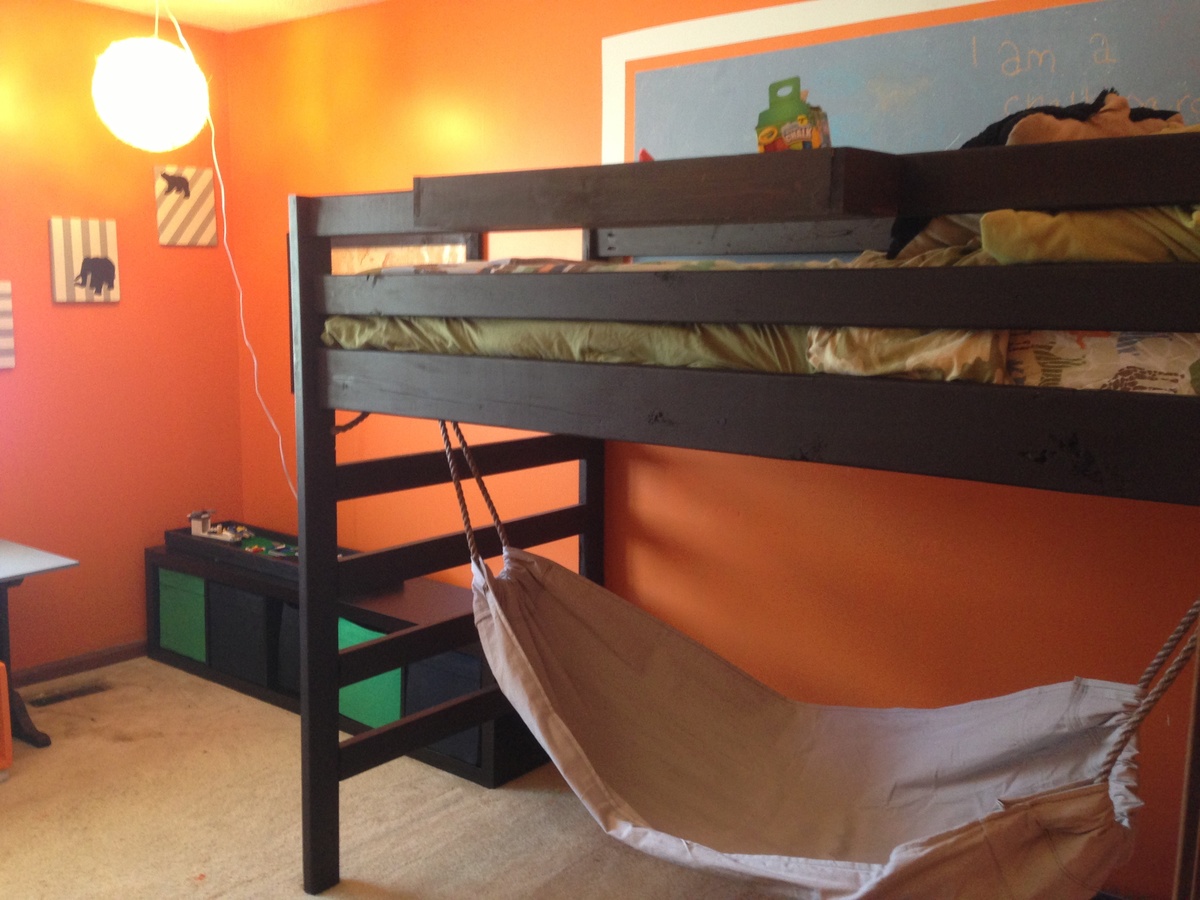
Credit: www.ana-white.com
Designing Your Hammock Bunk Bed
Designing your hammock bunk bed sets the foundation for a safe and comfortable setup. It needs clear planning to fit your space and needs. Proper design helps avoid problems later and ensures lasting use.
Focus on key aspects like size, structure, and safety. These parts work together to create a functional and cozy bunk bed with hammocks. Start with careful measurements and thoughtful frame planning.
Measuring Space And Dimensions
Measure the room where you want the hammock bunk bed. Note the height, width, and length of the available space. Leave extra room for easy access and movement around the bed. Consider the height between the floor and ceiling carefully. Check the hammock size you plan to use. Match the bed frame size to your hammock for a good fit. Accurate measurements prevent tight or unsafe setups.
Planning Frame Structure
Choose strong materials like solid wood or metal for the frame. Plan a sturdy base that can hold weight safely. Think about how to attach the hammocks securely to the frame. Decide if you want a fixed or removable frame design. Include support beams to keep the frame stable. Sketch your design on paper or use simple software. A clear plan guides you through the building process.
Safety Considerations
Safety is the top priority in your design. Use heavy-duty hardware to fasten hammocks and frame parts. Check that all connections are tight and secure. Avoid sharp edges or splinters by sanding wood surfaces smooth. Make sure the frame can hold more than the expected weight. Add guardrails on the upper bunk to prevent falls. Test the bunk bed carefully before regular use.
Building The Frame
Building the frame is the first big step in creating your hammock bunk bed. A strong, well-built frame gives the bed safety and durability. Focus on solid materials and precise measurements. The frame holds the entire structure and supports weight evenly. Take time to prepare and assemble it carefully.
Cutting And Preparing Wood
Choose sturdy wood like pine or oak for the frame. Measure all parts twice before cutting. Cut the wood into pieces for the base, supports, and cross beams. Sand the edges to avoid splinters and rough spots. Smooth wood helps with easy assembly and better finish.
Assembling The Base And Supports
Start by building the rectangular base. Join the cut wood pieces using wood screws or bolts. Use a drill for clean holes and tight connections. Attach vertical supports at each corner of the base. These supports will hold the upper bunk and hammock securely.
Ensuring Stability
Check every joint to make sure it is tight and strong. Add corner braces or metal brackets for extra support. Test the frame by applying pressure to each part. The frame should not wobble or creak. Stability is key for safety and comfort in your hammock bunk bed.

Credit: www.jordanianschoolqatar.com
Installing The Hammocks
Installing the hammocks is a key step in building your hammock bunk bed. It needs care and focus to ensure safety and comfort. The hammocks must be hung securely so they hold weight well and stay firm.
Follow clear steps to attach hooks, secure hammocks, and test them. This will make your bunk bed strong and cozy.
Attaching Hammock Hooks
Start by choosing strong spots on the bed frame for hooks. Use a drill to make small pilot holes. This helps the hooks screw in easily and hold tightly. Screw the hooks in fully until they feel solid. Make sure hooks face the right direction for hanging the hammock straight.
Securing Hammocks Properly
Attach the hammock ends to the hooks with sturdy knots or carabiners. Double-check the knots to avoid slipping. Pull the hammock slightly to test its hold. The hammock should hang flat without much sag. Adjust the length if needed to keep it comfortable and safe.
Testing Weight And Comfort
Before using the bunk bed, test the hammocks with weight. Sit gently and increase pressure slowly. Check for any movement or looseness in hooks and knots. Lie down and feel if the hammock supports you evenly. Make small changes until it feels safe and comfortable.
Finishing Touches
Adding the final details to your hammock bunk bed makes it both beautiful and comfortable. These finishing touches protect the wood and create a cozy space for rest. Small steps here improve the bed’s look and lifespan.
Sanding And Painting
Sanding smooths the wood, removing rough spots and splinters. Use fine-grit sandpaper for a soft finish. After sanding, wipe dust away with a clean cloth. Choose paint or stain that suits your room’s style. Apply thin coats for even color. Let each coat dry fully before adding the next. This step protects the wood from moisture and wear.
Adding Pillows And Accessories
Soft pillows make your hammock bed inviting. Pick pillows that match your room’s color. Add blankets for extra warmth and comfort. Consider small shelves or hooks nearby for books and lights. These extras make the space more useful and cozy. Keep accessories light to avoid stressing the hammock.
Maintenance Tips
Check the hammock bed regularly for wear and tear. Tighten screws and knots to keep it safe. Clean the fabric and wood gently with mild soap. Avoid harsh chemicals that could damage materials. Store pillows and blankets in dry places to prevent mold. These steps keep your hammock bunk bed fresh and sturdy for years.
:max_bytes(150000):strip_icc()/hammock-corner_sharee.designs-cc1f745ecb154184898beee50ffdbb69.jpg)
Credit: www.woolyyarn.com
Frequently Asked Questions
What Materials Are Needed To Build A Hammock Bunk Bed?
You need sturdy wood, strong ropes, hammock fabric, screws, and hooks. Quality materials ensure safety and durability. Choose weather-resistant wood for outdoor use. Proper tools like drills and measuring tape are essential for precise assembly.
How Do I Ensure Safety When Building A Hammock Bunk Bed?
Securely anchor the bed frame to walls or ceiling. Use strong ropes rated for weight support. Check all knots and fasteners regularly. Avoid sharp edges and ensure the hammock fabric is tear-resistant. Test weight limits before regular use.
Can A Hammock Bunk Bed Fit In Small Bedrooms?
Yes, hammock bunk beds save floor space and fit small rooms. Hanging designs free up room underneath for storage or play. Measure ceiling height and room dimensions before building. Choose compact hammock sizes for optimal space use.
How Long Does It Take To Build A Hammock Bunk Bed?
Building typically takes 4 to 6 hours depending on skill level. Preparation and measuring may add extra time. Having all materials ready speeds up the process. Follow step-by-step guides for efficient assembly.
Conclusion
Building a hammock bunk bed is fun and useful. It saves space and adds comfort. You can enjoy relaxing or sleeping in it. Use strong materials and check safety often. Follow steps carefully for best results. A handmade bunk bed brings joy and style.
Try this project to change your room simply. It’s a great way to add a cozy spot. Start building today and enjoy your new hammock bunk bed!