Are you looking for a smart way to add extra storage and style to your room? Imagine turning your closet doors into hidden bookshelves that save space and keep your favorite reads within reach.
Making bookshelf closet doors is easier than you think, and it can completely transform your space. In this guide, you’ll discover simple steps to create doors that are both functional and eye-catching. Ready to impress your guests and enjoy a clutter-free room?
Let’s dive in and start building your perfect bookshelf closet doors!
Choosing Materials
Choosing the right materials is key to making strong and beautiful bookshelf closet doors. The materials affect how the doors look and how long they last. Pick materials that fit your style and budget. Think about wood, hardware, and finishes. Each part plays a big role in the final product.
Wood Types For Durability
Choose wood that is strong and lasts long. Hardwoods like oak, maple, and cherry are great. They resist dents and scratches well. Pine is softer but costs less. It works if you want a painted finish. Avoid soft woods if the doors will get heavy use. Solid wood also helps the doors hold their shape over time.
Selecting Hardware
Good hardware makes doors open and close smoothly. Look for sturdy hinges that can hold the door’s weight. Soft-close hinges prevent slamming and noise. Choose handles or knobs that feel comfortable to use. Metals like brass, stainless steel, and bronze last longer. Make sure the hardware matches your door style.
Paints And Finishes
Finishes protect the wood and enhance its beauty. Use paint if you want a clean, modern look. Choose high-quality paint for a smooth surface. Clear finishes like varnish or polyurethane show the wood grain. They also protect against moisture and scratches. Apply several coats for the best protection. Let each coat dry fully before adding the next.
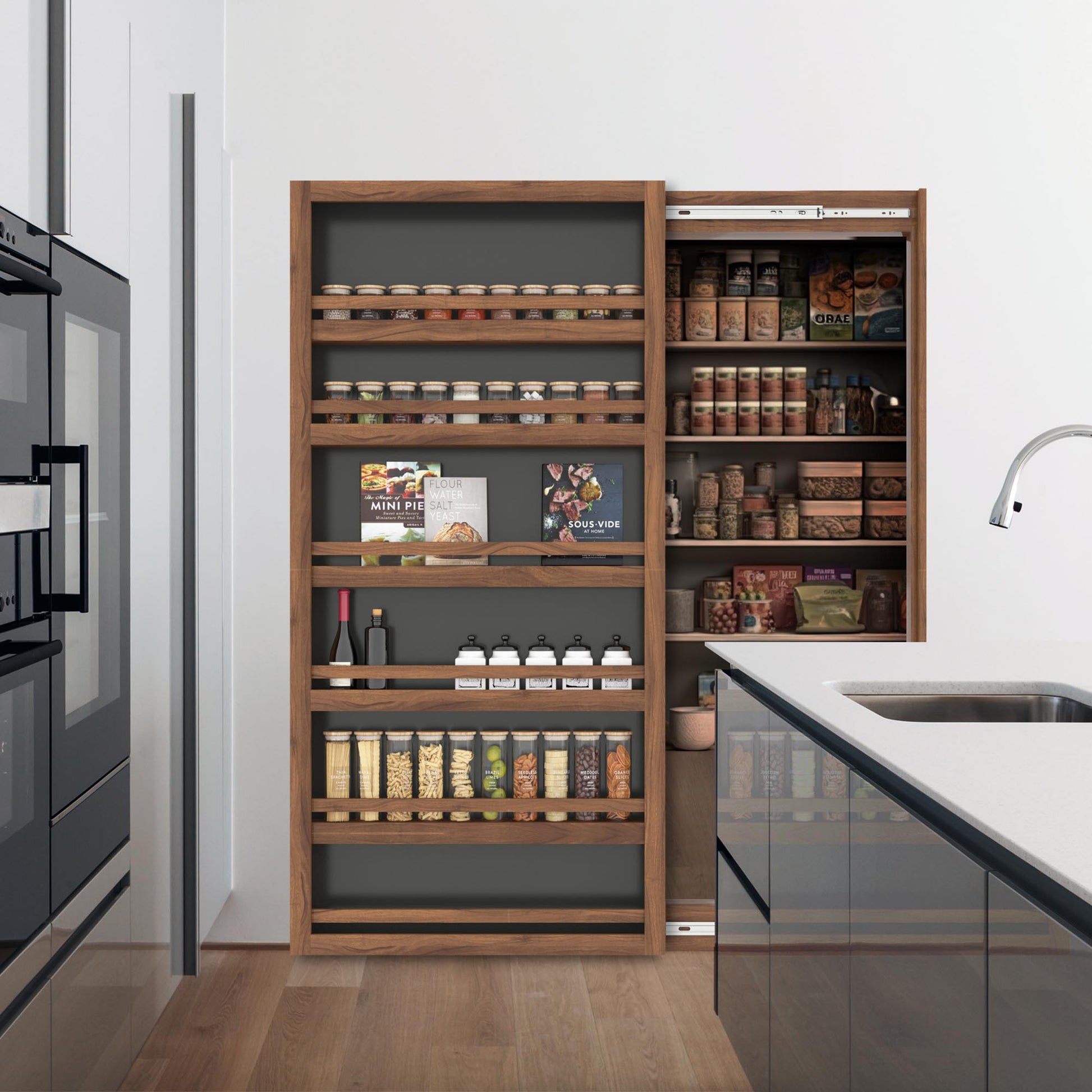
Credit: murphydoor.com
Measuring And Planning
Measuring and planning are the first steps to build bookshelf closet doors. These steps help ensure the doors fit perfectly and look great. Taking time here saves effort later. Careful measurement and clear plans guide the whole project. Follow these simple steps to get started.
Taking Accurate Measurements
Start by measuring the closet opening. Use a tape measure and write down the width and height. Measure at the top, middle, and bottom for width. Measure both sides and the center for height. Note the smallest width and height to avoid tight fits. Double-check all numbers before moving on.
Measure the depth of the closet frame too. This helps design doors that fit flush. Record these numbers carefully. Good measurements make building easier and prevent mistakes.
Designing The Bookshelf Doors
Decide how many doors you want. Single or double doors change the design. Think about the style: modern, classic, or simple shelves. Choose the shelf height and spacing. Shelves should hold your books without sagging.
Sketch your design on paper. Mark the door size and shelf positions. Include space for hinges and handles. This plan helps see the final look and guides cutting and assembly.
Creating A Cutting List
List all wood pieces needed for the doors. Include side panels, shelves, top, and bottom pieces. Write down each piece’s length, width, and thickness. Add extra pieces for supports if needed.
Check the list twice. Make sure it matches your design and measurements. A clear cutting list helps avoid mistakes and saves time in the workshop.
Cutting And Preparing Wood
Cutting and preparing wood is a key step in making bookshelf closet doors. It shapes the wood pieces for a perfect fit. Careful preparation ensures strong, durable doors that look great. Follow safe and precise methods to get smooth edges and solid frames.
Safe Cutting Techniques
Always wear safety glasses and gloves before cutting wood. Use a sharp saw blade for clean cuts. Measure twice, cut once to avoid mistakes. Secure the wood firmly with clamps to stop slipping. Cut slowly and steadily along the marked line. Keep fingers away from the blade at all times.
Sanding And Smoothing Edges
After cutting, sand the wood edges to remove splinters. Use medium-grit sandpaper first for rough spots. Then switch to fine-grit for a smooth finish. Sand along the wood grain, not across it. Check edges with your hand to feel for roughness. Smooth edges prevent injuries and help paint stick better.
Assembling The Frame
Lay out all wood pieces on a flat surface. Match corners carefully for tight joints. Use wood glue on edges before screwing them together. Clamp the frame until the glue dries. Check for square angles with a carpenter’s square. This ensures the frame fits well in the closet opening.
Installing Shelves
Installing shelves inside your bookshelf closet doors is a key step. It creates extra space for books and decor. Proper shelf installation ensures durability and a neat look. Follow clear steps for best results.
Shelf Placement Tips
Measure the inside height of your closet doors first. Decide the number of shelves you need. Keep enough space between shelves for tall books or items. Mark the spots on both sides evenly. Use a level to keep shelves straight.
Securing Shelves Properly
Choose strong brackets or shelf pins for support. Drill pilot holes before adding screws to avoid splitting wood. Attach brackets firmly to hold heavy books. Check stability by pressing gently on each shelf. Tighten screws if shelves wobble.
Adjustable Vs Fixed Shelves
Fixed shelves offer strong, permanent support. They suit heavy items or frequent use. Adjustable shelves give flexible space for changing needs. Use shelf pins or tracks to move shelves up or down. Pick the style that fits your storage plan best.
Attaching Doors To Closet
Attaching doors to your bookshelf closet is a key step. It gives your closet a neat, finished look. Proper attachment also makes doors easy to open and close. This part of the project needs care and attention. Follow clear steps to get strong, smooth doors.
Choosing Hinges
Select hinges that fit your door and frame size. Standard butt hinges work well for most closet doors. For a cleaner look, try concealed hinges. Check the weight of your doors to pick strong hinges. Use screws that hold well in your closet frame material.
Aligning Doors
Place doors in the frame before fixing hinges. Use a level to keep doors straight and even. Mark hinge positions with a pencil for accurate placement. Attach hinges to the door first, then to the frame. Check gaps between doors; they should be even all around.
Ensuring Smooth Operation
Test doors by opening and closing them several times. Tighten screws if the doors feel loose or wobble. Add lubricant to hinges for quiet, smooth movement. Adjust hinges if doors don’t close properly or rub the frame. Proper care keeps doors working well for years.

Credit: www.instructables.com
Finishing Touches
Finishing touches make your bookshelf closet doors look complete and polished. These small details bring out the best in your project. They also protect the wood and add style to match your room.
Focus on painting or staining, adding decorative elements, and installing handles or knobs. Each step helps create a beautiful and functional door.
Painting Or Staining
Choose paint or stain based on the wood type and your room’s style. Paint offers bold colors and hides imperfections. Stain shows the wood’s natural grain and adds warmth.
Apply a primer before painting to help the paint stick. Use thin, even coats for smooth results. Let each coat dry before applying the next one.
For staining, clean the surface well. Apply the stain with a cloth or brush. Wipe off extra stain to avoid blotches. Finish with a clear sealant to protect the wood.
Adding Decorative Elements
Add moldings or trim to give your doors a classic look. Attach thin strips of wood around the edges or create patterns. Use wood glue and small nails to secure these pieces.
Consider decorative panels or overlays for a modern touch. These can be wood or MDF and come in many designs. Paint or stain them to match or contrast with the door.
Make sure all added parts are smooth. Sand any rough edges before finishing.
Installing Handles Or Knobs
Pick handles or knobs that fit your room’s style. Simple metal knobs work well for modern spaces. Decorative handles add charm to traditional rooms.
Measure and mark the door where you want to place the hardware. Drill holes carefully to avoid splitting the wood. Attach the handles or knobs with screws and tighten securely.
Test the doors to ensure the handles feel comfortable and work smoothly.
Maintaining Your Bookshelf Doors
Maintaining your bookshelf closet doors keeps them looking great and working well. Simple care helps avoid damage and keeps the wood strong. Regular attention makes sure the doors last for many years.
Cleaning Tips
Dust the doors often with a soft cloth. Use a gentle cleaner made for wood to remove dirt. Avoid wetting the wood too much. Dry the surface quickly to stop damage.
Repairing Scratches
Minor scratches can be fixed with a wood marker or crayon. Match the color to your door for a neat look. For deeper scratches, use wood filler and sand lightly. Finish by applying a small amount of varnish.
Regular Hardware Checks
Check hinges and handles every few months. Tighten any loose screws to keep doors secure. Replace rusty or broken parts to avoid bigger problems. Smooth moving doors show well-maintained hardware.
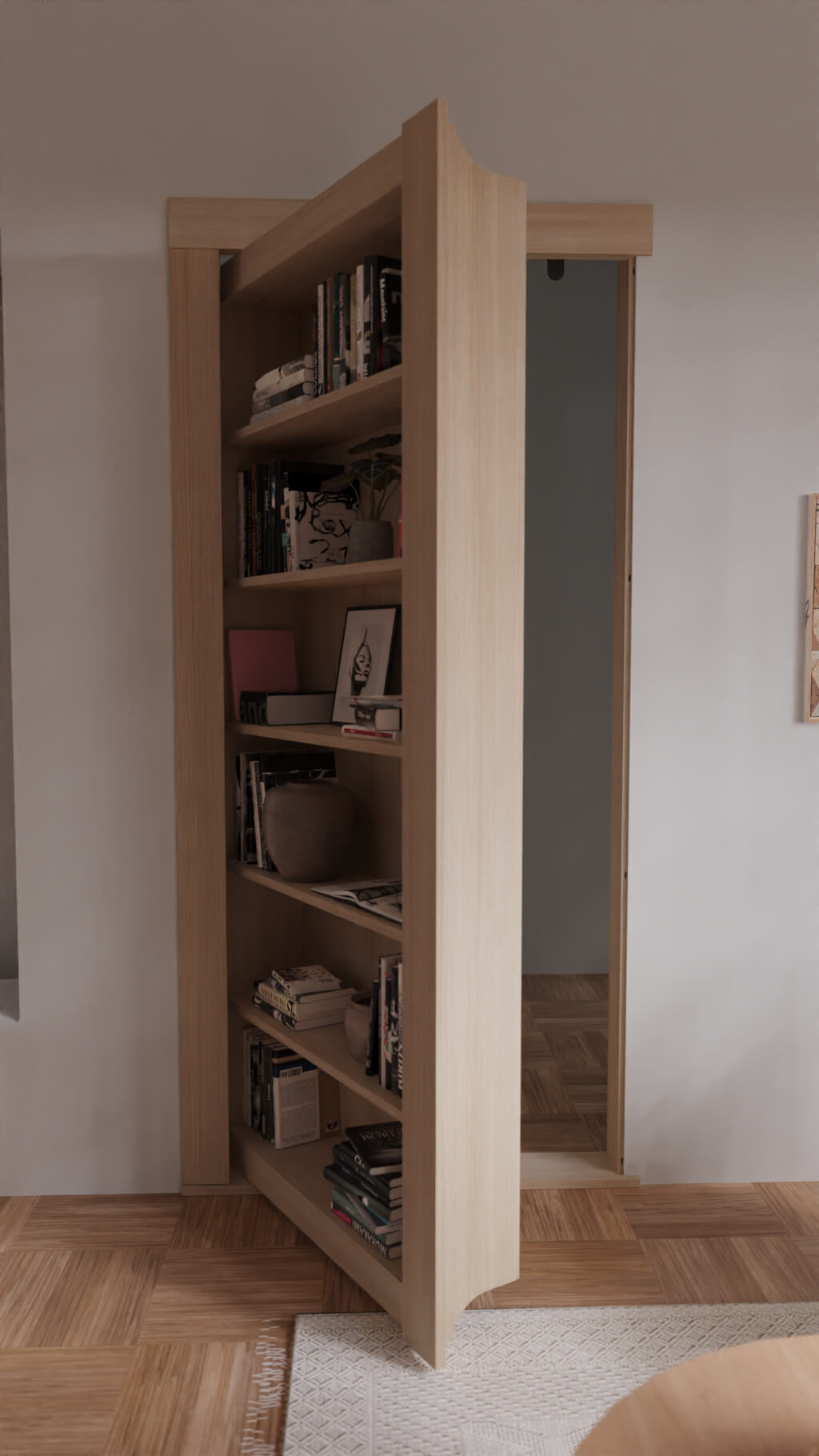
Credit: hiddendoorstore.com
Frequently Asked Questions
How Do I Start Making Bookshelf Closet Doors?
Begin by measuring your closet opening accurately. Choose suitable materials like plywood or MDF. Cut the wood to size and assemble the frame. Attach shelves and finish with paint or stain for durability and style.
What Tools Are Needed For Bookshelf Closet Doors?
Essential tools include a saw, drill, screwdriver, measuring tape, level, and clamps. Sandpaper and paintbrushes or rollers are also needed. These tools help in precise cutting, assembling, and finishing the doors effectively.
Can I Customize Bookshelf Closet Doors Design?
Yes, you can customize shelf height, door style, and finish. Add decorative molding or glass inserts for a unique look. Custom designs improve functionality and match your room’s decor perfectly.
How Much Does It Cost To Make Bookshelf Closet Doors?
Costs vary based on materials and size. Basic plywood doors may cost $50-$150. Adding paint, hardware, or custom features increases expenses. Budget carefully to balance quality and price.
Conclusion
Building bookshelf closet doors can save space and add style. Start with clear plans and measure carefully. Choose materials that fit your budget and taste. Take your time cutting and assembling for a neat look. Painting or staining adds a nice finish.
These doors help keep your room tidy and unique. Try this project to improve your home easily. Enjoy your new, functional bookshelf closet doors every day.