Choosing the right mattress size for your bunk bed can feel confusing. You want your mattress to fit perfectly—too big or too small, and it could be unsafe or uncomfortable.
If you’re wondering, “What size mattress does a bunk bed take? ” you’re in the right place. This guide will help you find the perfect mattress size quickly and easily, so your bunk bed is cozy, safe, and just right for you or your kids.
Keep reading to avoid costly mistakes and get the best fit every time.
Common Bunk Bed Mattress Sizes
Bunk beds are a smart choice for saving space. Choosing the right mattress size matters a lot. The mattress must fit well for comfort and safety. Several mattress sizes commonly fit bunk beds. These sizes suit different bed frames and needs.
Twin Mattresses
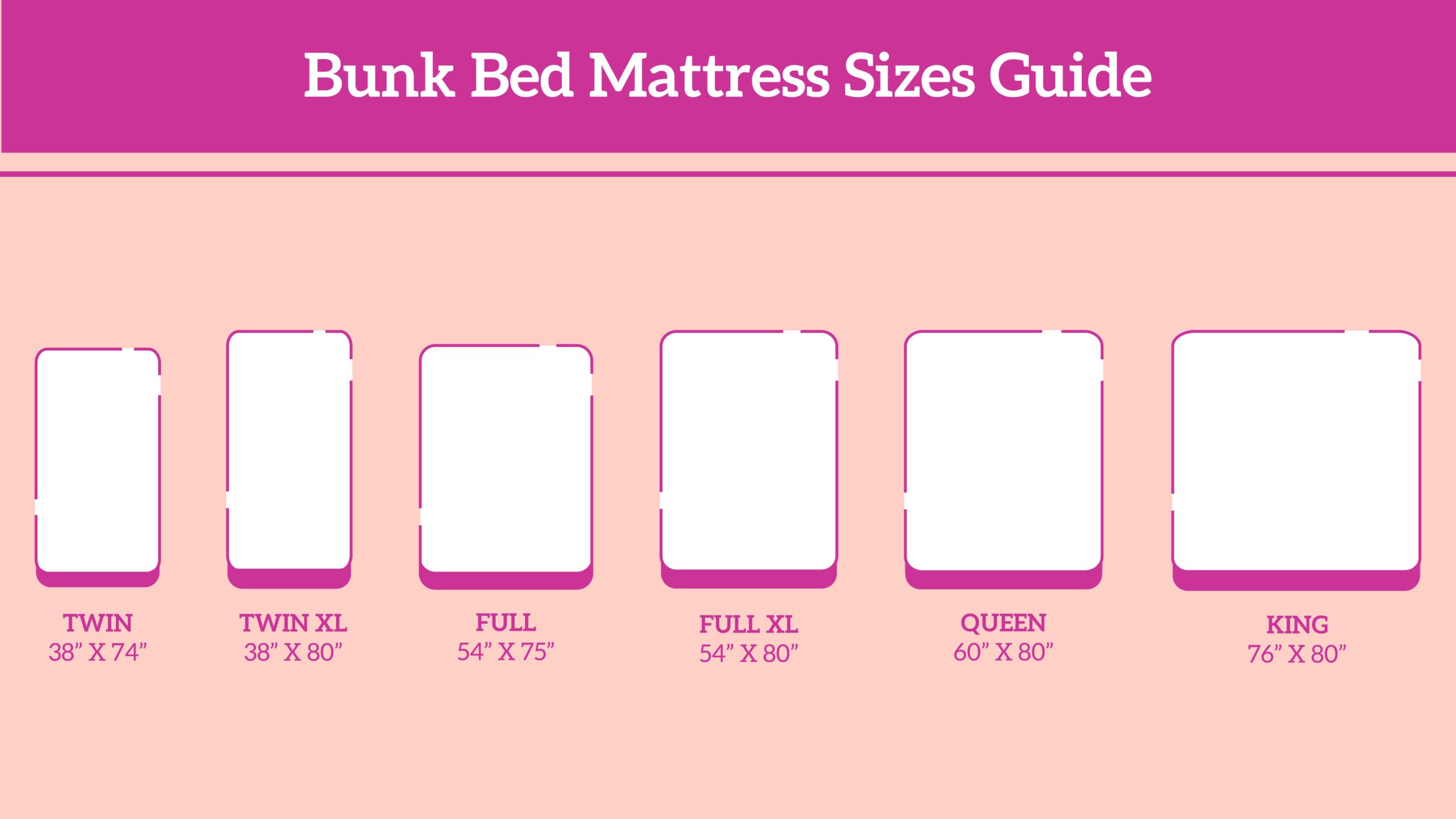
Twin mattresses are the most common for bunk beds. They measure about 38 inches wide and 75 inches long. This size fits most standard bunk frames. Twin mattresses keep the bed compact and easy to use. They work well for kids and teens. Also, twin mattresses are often affordable and easy to find.
Twin Xl Mattresses
Twin XL mattresses are a bit longer than standard twins. They measure 38 inches wide and 80 inches long. This extra length suits taller sleepers. Twin XL mattresses fit some bunk beds made for adults. They provide more legroom without extra width. Not all bunk frames support this size, so check first.
Full Mattresses
Full mattresses are wider and longer than twin sizes. Their dimensions are about 54 inches wide and 75 inches long. Full mattresses give more space for sleepers. They fit some bunk beds designed for bigger rooms. These beds offer more comfort for adults or two kids. Make sure your bunk frame can hold a full mattress.
Measuring Your Bunk Bed Frame
Measuring your bunk bed frame is the first step in choosing the right mattress size. Accurate measurements help avoid buying a mattress that does not fit. It also ensures safety and comfort for the sleeper. Take your time and measure carefully.
How To Measure Length And Width
Start by measuring the inside length of the bunk bed frame. Use a tape measure from the headboard to the footboard. Then, measure the inside width between the side rails. Write down both numbers. These measurements tell you the mattress size needed.
Checking Bed Frame Depth
Measure the depth of the bed frame from top to bottom. This helps to find a mattress that fits snugly. The mattress should not be too thick or too thin. Proper depth keeps the mattress stable and safe.
Considering Guardrails And Slats
Look at the guardrails and slats on the bunk bed. Measure the space between them if the mattress rests on slats. Guardrails can affect mattress size too. Make sure the mattress fits well without gaps or pressure on the rails.
Choosing The Right Mattress Thickness
Choosing the right mattress thickness is important for bunk beds. It affects safety, comfort, and how the bed fits in the room. The mattress must be thick enough to be comfortable. It should not be too thick to make the bed unsafe. Understanding the right thickness helps you pick a mattress that works well with your bunk bed frame.
Recommended Thickness For Safety
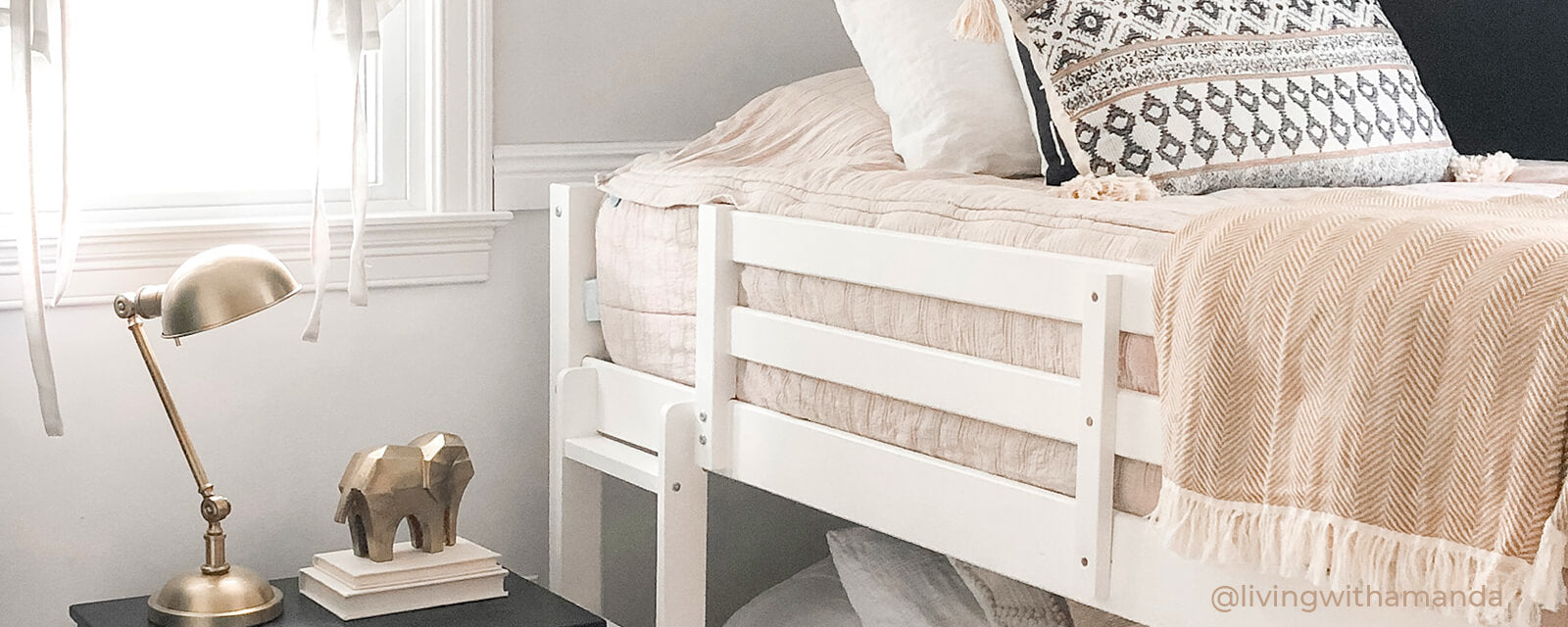
The mattress thickness should be no more than 6 to 8 inches. This limit helps keep the top bunk safe. A thick mattress can raise the sleeper too high. It increases the risk of falling out of bed. Safety rails may not protect well if the mattress is too thick. Follow the bed manufacturer’s guidelines for mattress thickness.
Mattress Thickness For Comfort
Comfort needs a mattress that supports the body well. Mattresses between 6 and 8 inches often provide good support. Too thin can feel hard and uncomfortable. Too thick can reduce safety and stability. Choose a mattress that balances comfort and safety for a good sleep.
Impact On Bed Height And Stability
Thicker mattresses raise the bed height. This can make climbing the ladder harder. It can also make the bed less stable. Thicker mattresses add weight, which may affect the frame. Keep the mattress thickness within the recommended range. It helps maintain the bed’s stability and ease of use.
Credit: www.bedinabox.com
Types Of Mattresses Suitable For Bunk Beds
Choosing the right mattress for a bunk bed matters a lot. The mattress must fit well and be safe. It also needs to be comfortable for a good night’s sleep. Several types of mattresses work well with bunk beds. Each type has its own benefits and features. Knowing these can help you pick the best mattress.
Below are common mattress types suitable for bunk beds. These mattresses balance comfort, size, and safety.
Foam Mattresses
Foam mattresses are light and easy to move. They fit snugly in bunk beds. These mattresses offer good support and cushion. They are also quiet, which means no squeaks or noise. Foam mattresses come in different thicknesses. This makes them flexible for top or bottom bunks.
Innerspring Mattresses
Innerspring mattresses have coils inside for support. They are firmer than foam mattresses. These mattresses provide strong support for growing kids. They breathe well, keeping the mattress cool. The coils can add some weight, so check the bunk bed’s weight limit.
Hybrid Mattresses
Hybrid mattresses combine foam and innerspring layers. They offer both comfort and support. These mattresses adjust to body shape while providing firmness. Hybrids are durable and last long. They suit kids who want a mix of softness and support.
Latex Mattresses
Latex mattresses are made from natural or synthetic rubber. They are bouncy and firm, yet soft to touch. These mattresses resist dust mites and mold. Latex mattresses are good for allergy sufferers. They provide strong support without feeling too hard.
Safety Tips For Bunk Bed Mattresses
Safety is the top priority when choosing a mattress for a bunk bed. The wrong mattress can cause accidents or discomfort. This section explains simple tips to keep the mattress safe and secure on a bunk bed. Follow these guidelines to protect sleepers and ensure a good fit.
Avoiding Overly Thick Mattresses
Thick mattresses can reduce the space between the mattress and guardrails. This increases the risk of falls from the top bunk. Choose a mattress that is not too thick. Most bunk beds work best with mattresses 6 to 8 inches thick. This height keeps sleepers safe and comfortable.
Proper Mattress Fit To Prevent Gaps
Gaps between the mattress and bed frame create dangerous spaces. Children can get stuck or fall through these gaps. Select a mattress that fits snugly inside the frame. Measure the bed’s length and width before buying. A tight fit prevents accidents and keeps the mattress stable.
Ensuring Mattress Meets Safety Standards
Mattresses designed for bunk beds must meet safety rules. Look for certifications that show the mattress is fire-resistant and non-toxic. These standards protect health and reduce hazards. Choose mattresses tested for durability and safety. This step helps create a secure sleep environment.
Credit: eachnight.com
Special Considerations For Kids’ Bunk Beds
Bunk beds for kids need special care. Safety and comfort are very important. Choosing the right mattress size helps protect your child. It also fits the bed frame well. Parents want mattresses that are safe, clean, and comfy. This section explains what to consider when buying a mattress for kids’ bunk beds.
Mattress Size For Toddlers And Kids
Toddler bunk beds usually take crib or small twin mattresses. These sizes fit the frame snugly. Kids’ bunk beds often use twin or twin XL mattresses. The mattress must not be too thick. Too thick can be unsafe for the top bunk. A mattress 6 to 8 inches thick works best for kids. Always check the bed’s size guide before buying.
Hypoallergenic Mattress Options
Kids can have allergies or sensitive skin. A hypoallergenic mattress can help reduce allergies. These mattresses resist dust mites, mold, and bacteria. Look for materials like memory foam or latex with allergy protection. Hypoallergenic mattresses keep the sleep area clean and safe. This choice helps kids sleep better and stay healthy.
Easy-to-clean Mattress Materials
Kids can make messes while sleeping. A mattress with a removable, washable cover is helpful. Waterproof mattress covers protect against spills and accidents. Materials like vinyl or tightly woven fabric clean easily. Choose mattresses that dry quickly and do not hold odors. Easy cleaning saves time and keeps the bed fresh.
Custom And Non-standard Mattress Sizes
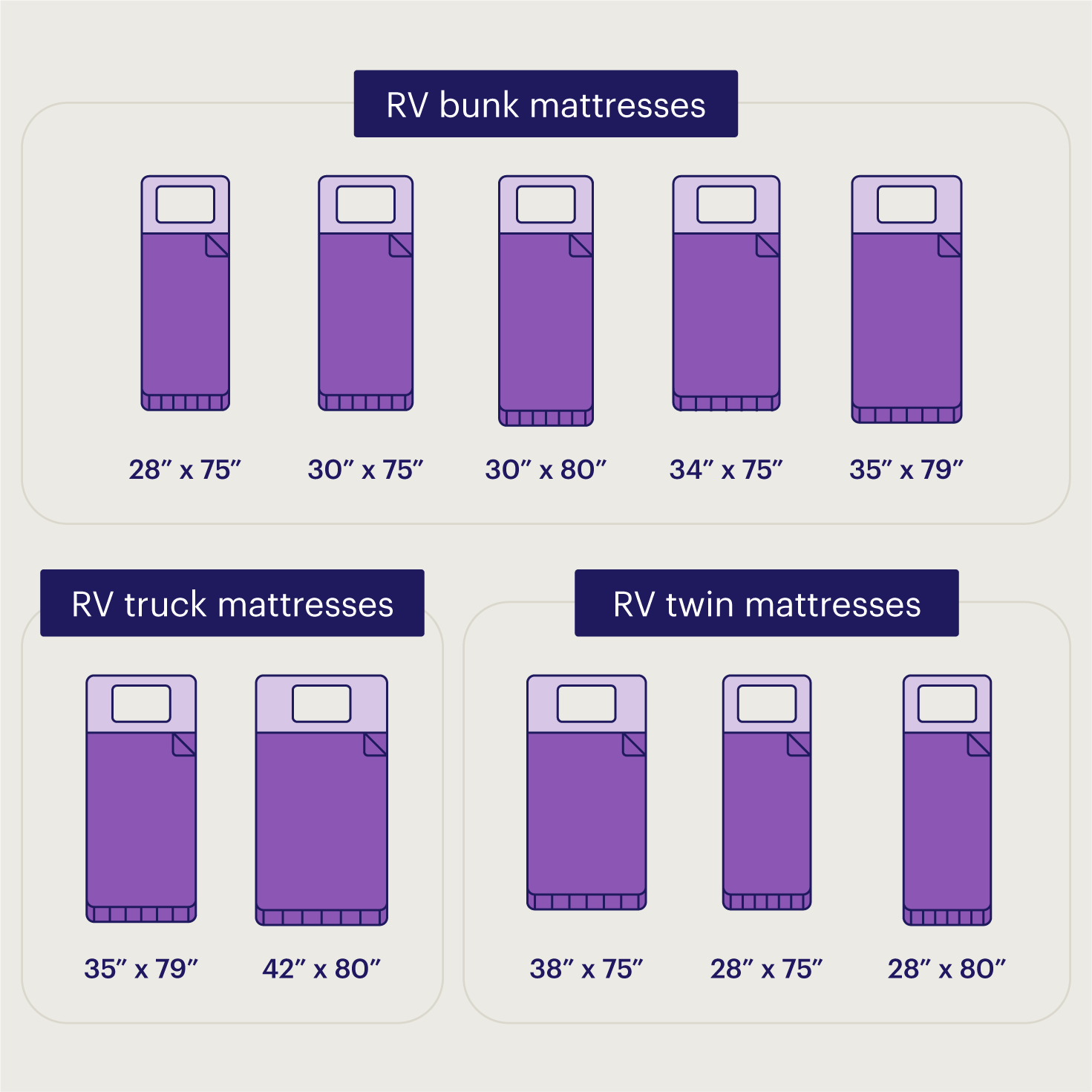
Custom and non-standard mattress sizes offer flexibility for unique bunk bed designs. Many bunk beds do not fit standard mattress sizes exactly. Custom mattresses can match unusual bed frame dimensions perfectly.
This option helps maximize comfort and safety for users. It also allows creative designs without being limited by mattress sizes.
When To Consider Custom Mattresses
Choose custom mattresses when your bunk bed has odd measurements. Some beds may be longer, shorter, or wider than standard sizes. Custom mattresses fit tight spaces or unusual shapes better. They also work well for built-in bunk beds or lofts.
Finding Specialty Mattress Retailers
Specialty mattress stores often offer custom size options. Many online retailers accept custom size orders too. Some local stores can craft mattresses to your exact measurements. Check customer reviews and return policies before buying custom mattresses.
Cost Implications Of Custom Sizes
Custom mattresses usually cost more than standard ones. The price depends on size, materials, and craftsmanship. Custom orders may take longer to deliver. Budget extra for custom mattress purchases to avoid surprises.
Credit: purple.com
Maintaining Bunk Bed Mattresses
Maintaining bunk bed mattresses is key for comfort and safety. Clean, well-kept mattresses support good sleep. They also last longer, saving money. Simple care steps make a big difference. Focus on cleaning, rotating, and protecting the mattress.
Regular Cleaning Tips
Vacuum the mattress weekly to remove dust and dirt. Use a soft brush attachment to avoid damage. Spot clean stains with mild soap and water. Avoid soaking the mattress; use a damp cloth instead. Let the mattress air out by keeping windows open. This prevents moisture and odors.
Rotating And Flipping Mattresses
Rotate the mattress every three months. Turn it 180 degrees to even out wear. Flip the mattress if it is double-sided. This helps prevent sagging and body impressions. Check the mattress type to know if flipping is safe. Regular rotation keeps the mattress firm and comfortable.
Extending Mattress Lifespan
Use a mattress protector to guard against spills and stains. Avoid jumping on bunk bed mattresses to prevent damage. Keep the bunk bed frame sturdy and tight. Replace the mattress every 5 to 7 years for best support. Proper care keeps mattresses fresh and safe for kids.
Frequently Asked Questions
What Mattress Size Fits A Standard Bunk Bed?
A standard bunk bed typically fits a twin mattress. The size is usually 38 inches wide by 75 inches long. Always check the bed frame specifications before purchasing a mattress to ensure a perfect fit and safety.
Can A Full-size Mattress Be Used On Bunk Beds?
Most bunk beds are not designed for full-size mattresses. Full mattresses are 54 inches wide and may not fit securely. Using the wrong size can cause safety issues and instability.
What Thickness Mattress Suits A Bunk Bed Best?
Mattresses for bunk beds should be 6 to 8 inches thick. Thicker mattresses may reduce the safety rail height. Always prioritize mattress thickness to maintain safety and comfort.
Are Twin Xl Mattresses Compatible With Bunk Beds?
Twin XL mattresses are longer than standard twins, measuring 80 inches. Some bunk beds can accommodate twin XL, but verify frame size first. Using the correct length mattress ensures comfort and safety.
Conclusion
Choosing the right mattress size for a bunk bed matters a lot. Twin mattresses fit most bunk beds perfectly. Some bunk beds need twin XL or full mattresses. Always check your bunk bed’s measurements before buying. The right mattress keeps sleepers safe and comfortable.
Sleep quality depends on a good mattress fit. Picking the correct size saves money and effort later. Sleep tight with a mattress that fits just right.