Are you struggling with your toddler wanting to sleep in your bed every night? You’re not alone, and it can be exhausting.
But breaking the bed-sharing habit doesn’t have to be stressful or overwhelming. Imagine finally getting a full night’s sleep while helping your little one feel safe and comfortable in their own bed. You’ll discover simple, effective steps to gently guide your toddler toward independent sleep.
Keep reading—you’re just moments away from peaceful nights for both of you.
Reasons To Transition From Bed Sharing
Transitioning a toddler from bed sharing to their own bed can feel challenging. Many parents wonder why this step is important. Understanding the reasons helps make the process smoother. It supports your child’s growth and well-being in several ways.
Benefits For Toddler’s Independence
Sleeping alone helps toddlers learn independence. It builds confidence and self-reliance. They start to feel safe and secure without needing a parent close by. This skill grows as they develop new routines and habits. It also encourages better emotional control and comfort with being alone.
Safety Considerations
Bed sharing can increase risks during sleep. Toddlers may get trapped or suffocate accidentally. Parents also risk rolling over or disturbing the child. Using a separate bed reduces these dangers. It creates a safer sleeping space for both child and parent.
Improving Sleep Quality
Both toddlers and parents sleep better with separate beds. Toddlers learn to fall asleep on their own. Parents avoid frequent waking caused by toddler movements. This leads to more restful nights for everyone. Better sleep helps toddlers grow and stay healthy.

Credit: www.idealhome.co.uk
Signs Your Toddler Is Ready
Knowing when your toddler is ready to stop bed sharing helps make the transition smooth. Watch for clear signs that show your child can handle sleeping alone. These clues come from their emotions, body growth, and sleep habits. Understanding these areas guides you to the right moment for change.
Emotional Readiness
Your toddler should feel safe and less anxious about sleeping alone. Notice if they can stay calm when you leave the room. They might show interest in their own space. Signs include less fear of separation and more confidence at bedtime.
Physical Development
Your child’s body needs to support sleeping independently. They should be able to get in and out of bed safely. Look for skills like walking steadily and climbing stairs without help. These show they can handle their own sleeping area.
Consistent Sleep Patterns
Stable sleep routines mean your toddler is ready to sleep alone. They fall asleep without much fuss and stay asleep for longer times. Regular sleep and wake times also signal readiness. This stability makes moving out of your bed easier.
Preparing The Toddler’s Sleep Space
Preparing your toddler’s sleep space is a key step to end bed sharing. A safe, comfy area helps toddlers feel secure. It also encourages them to sleep alone. This space should invite rest and comfort. Careful choices make the transition smoother. Focus on comfort, safety, and a touch of fun.
Choosing The Right Bed
Select a bed that suits your toddler’s size and age. A toddler bed or a small twin works well. Make sure it is low to the ground for safety. Guardrails prevent falls during sleep. The bed should feel like a special place, just for your child.
Creating A Cozy Environment
Soft bedding makes the bed inviting. Use gentle colors and soft textures. Keep the room quiet and dim at bedtime. A nightlight can ease fear of the dark. Maintain a comfortable room temperature. These details help your toddler relax and sleep better.
Personalizing The Space
Let your toddler choose some bedding or toys. Favorite stuffed animals or blankets create comfort. Add wall decals or pictures your child likes. Personal touches build a sense of ownership. This makes the new sleep space feel like home.
Establishing A Consistent Bedtime Routine
Establishing a consistent bedtime routine helps toddlers feel safe and ready for sleep. It creates a clear pattern that signals bedtime is near. This routine reduces anxiety and makes the transition from bed sharing easier. A steady routine also improves sleep quality for both parents and toddlers. Keep the routine calm and predictable to encourage your child to sleep alone.
Calming Activities Before Bed
Choose quiet, soothing activities before bedtime. Reading a short story or singing a soft lullaby works well. Avoid screens and loud play, which can excite your toddler. Gentle massage or quiet cuddles can help relax muscles and mind. These calming steps prepare your toddler’s body for rest.
Setting Clear Expectations
Explain bedtime rules in simple words your toddler understands. Tell them where they will sleep and why it is important. Repeat this message each night for consistency. Use positive language to encourage good sleep habits. Be firm but kind, showing patience during the change.
Involving Your Toddler
Let your toddler help with bedtime tasks. Picking pajamas or choosing a bedtime book gives them control. Involvement makes the routine feel special and less scary. Praise their efforts to sleep independently. This builds confidence and supports the new habit.
Gentle Transition Techniques
Helping a toddler move from bed sharing to their own bed takes patience. Gentle transition techniques make this change smoother. These methods reduce stress for both parent and child. They build comfort and security during bedtime changes.
Gradual Separation Methods
Start by staying close to your toddler’s bed. Sit beside them until they fall asleep. Move a little farther each night. This slow change helps your child feel safe. It lessens anxiety about sleeping alone.
Using Comfort Objects
Introduce a soft toy or blanket for comfort. Let your toddler choose the item. This object becomes a friend during bedtime. It gives a sense of security. The comfort item helps ease the transition.
Positive Reinforcement
Praise your toddler for sleeping in their own bed. Use kind words and smiles to encourage them. Small rewards can also motivate your child. Celebrate each night they stay in their bed. This builds good bedtime habits gently.
Managing Nighttime Challenges
Managing nighttime challenges is a key part of helping your toddler stop bed sharing. Nights can be tough with sudden wake-ups and feelings of fear. Staying calm and knowing how to handle these moments makes the process smoother.
Patience is needed. Your child is learning to feel safe alone in their own bed. This takes time and gentle support.
Handling Night Wakings
Night wakings are common during this change. Your toddler may call for you or come to your bed. Respond softly but firmly. Guide them back to their bed each time. Use a calm voice and gentle touch. Avoid long talks or play. This helps them learn the new routine.
Dealing With Separation Anxiety
Separation anxiety can cause tears and clinginess at night. Offer comfort by staying close for a few minutes. Use a favorite toy or blanket for extra security. Explain that you are nearby and they are safe. Repeat this support every night until anxiety lessens. Keep your promises to build trust.
Maintaining Patience And Consistency
Consistency is very important. Follow the same bedtime steps every night. Be patient if your toddler resists or wakes often. Avoid giving in to demands to return to bed sharing. Gentle firmness teaches them what to expect. Celebrate small progress to stay motivated.
When To Seek Additional Help
Breaking a toddler from bed sharing can be tough. Sometimes, extra help is needed to make the process smoother. Knowing when to seek help can save stress and improve sleep for both parents and child. Watch for signs that suggest professional advice or support might be necessary.
Signs Of Persistent Sleep Issues
Look for repeated night waking or trouble falling asleep alone. If your toddler cries for long periods or shows anxiety at bedtime, these are warning signs. Difficulty adjusting after weeks of trying may mean a deeper issue. Poor sleep affects your child’s mood and energy during the day. Don’t ignore ongoing sleep struggles that disrupt your family’s routine.
Consulting Pediatric Sleep Experts
Experts specialize in children’s sleep problems. They offer guidance tailored to your toddler’s needs. A pediatric sleep consultant can suggest gentle methods to ease separation anxiety. Doctors can check for medical reasons behind sleep problems. Professional help provides structure and support beyond basic advice. Seeking expert care can lead to better rest for everyone.
Support Resources For Parents
Parent groups and online forums share helpful tips and experiences. Books on toddler sleep offer step-by-step plans. Some communities have local meetups for families facing similar challenges. Emotional support helps parents stay calm and patient. Using resources makes the journey less lonely and more manageable.
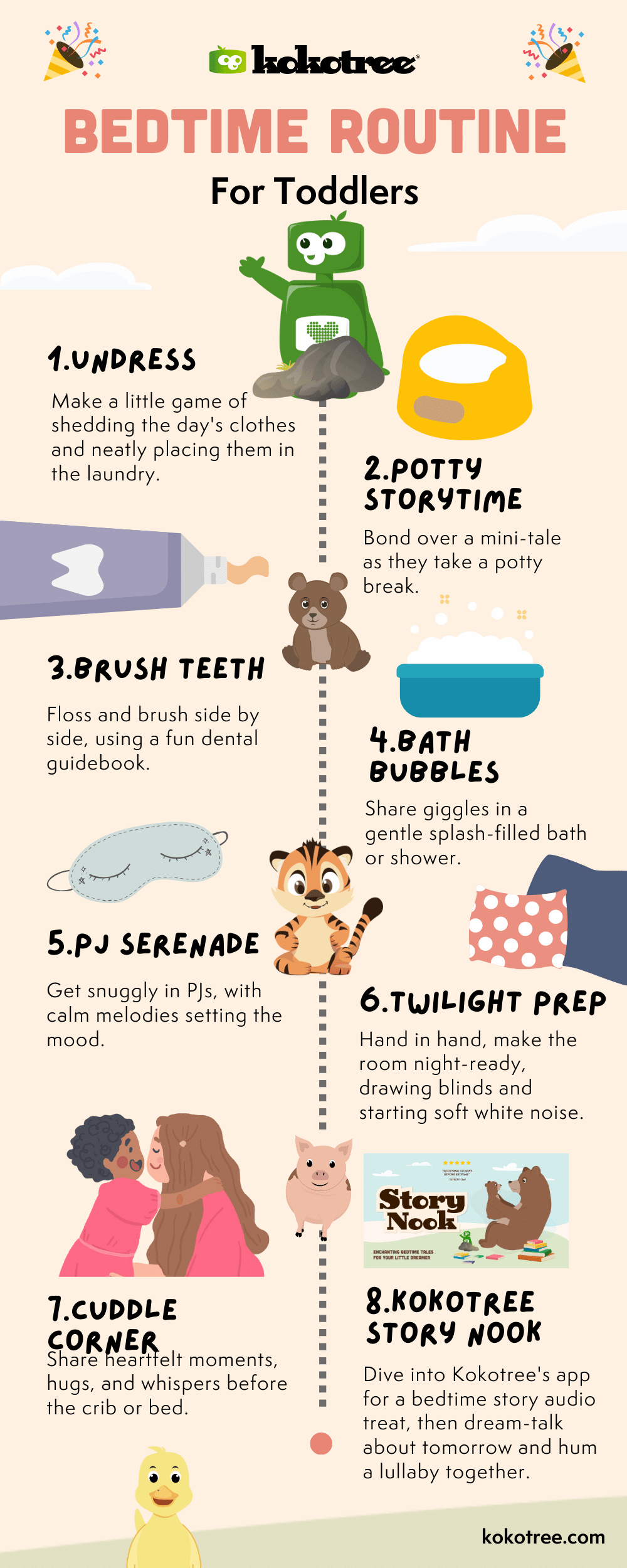
Credit: kokotree.com

Credit: www.healthline.com
Frequently Asked Questions
How To Start Weaning A Toddler Off Bed Sharing?
Begin by creating a consistent bedtime routine. Gradually move your toddler’s sleeping space closer to their own bed. Use positive reinforcement and comfort items like a favorite toy to ease the transition. Be patient as it may take several weeks for adjustment.
When Is The Best Age To Stop Bed Sharing?
Most experts recommend transitioning toddlers to their own bed between 1 and 3 years old. This helps promote independence and better sleep habits. However, every child is different, so consider your toddler’s readiness and family preferences when making the switch.
What Are Common Challenges In Breaking Bed Sharing?
Toddlers may resist due to separation anxiety or comfort needs. Nighttime waking and crying are common. Parents might feel guilty or worried. Consistency, patience, and reassurance help overcome these challenges. Seek support if difficulties persist beyond a few weeks.
How Can I Comfort My Toddler Without Bed Sharing?
Offer a special blanket or stuffed animal for security. Use gentle words and a calm tone at bedtime. Establish a soothing routine like reading or soft music. Respond promptly but calmly to nighttime cries to reassure without encouraging bed sharing.
Conclusion
Breaking a toddler from bed sharing takes time and patience. Stay calm and consistent with your routine. Offer comfort in their own bed to help them feel safe. Celebrate small wins to keep motivation high. Remember, every child is different and may need extra support.
Trust yourself and keep trying each night. Soon, your toddler will enjoy sleeping independently and peacefully.