Is your bookshelf a jumble of titles that makes finding your favorite book a challenge? Imagine opening your shelf and instantly spotting exactly what you want, without any hassle.
Alphabetising your bookshelf can transform chaos into calm, saving you time and making your space look neat and inviting. You’ll discover simple, practical steps to organise your books in alphabetical order. By the end, your collection will be easier to navigate, and you’ll enjoy every moment spent browsing through your books.
Ready to bring order to your shelf? Let’s dive in!

Credit: www.theguardian.com
Benefits Of Alphabetising
Alphabetising your bookshelf offers many clear benefits. It helps you find books fast. It also makes your space look neat and tidy. Organizing books this way reduces stress and saves time.
Easier Book Retrieval
Finding a book becomes simple with alphabetical order. You know exactly where each title goes. No more searching through piles or random stacks. This system speeds up your reading or study time. It lets you enjoy books without hassle.
Enhanced Visual Appeal
An alphabetised shelf looks clean and balanced. Books arranged by title create a smooth flow. This order adds a calm, inviting vibe to your room. Visitors can easily scan and admire your collection. A tidy shelf also encourages better book care.
Improved Organization
Alphabetising brings clear structure to your bookshelf. It groups books logically by author or title. This method helps track your collection growth over time. It stops clutter and misplaced books. A well-organized shelf feels more manageable and pleasant.

Credit: www.ted.com
Preparing Your Bookshelf
Preparing your bookshelf for alphabetising is the first step to an organized space. It helps to create a clear, neat area. This makes sorting books easier and faster. Preparation saves time and avoids confusion.
Clearing The Shelf
Start by removing all books from the shelf. Take off any decorations or items too. Wipe the shelves clean with a damp cloth. This clears dust and dirt. A clean shelf looks better and protects your books.
Sorting Books By Type
Sort your books into groups. Separate fiction from non-fiction. Keep magazines and notebooks apart. Grouping makes alphabetising simpler. It also helps you find books more quickly later.
Gathering Necessary Tools
Gather items needed for the task. Use a soft cloth for cleaning. Have labels or sticky notes ready. A notebook helps to write down book titles. A measuring tape can check shelf space. These tools keep the process smooth and organized.
Choosing An Alphabetising Method
Choosing how to alphabetise your bookshelf makes a big difference in finding books fast. It depends on your reading habits and what feels easiest. You want a system that saves time and keeps your collection tidy.
Think about what you use the most: authors, titles, or genres. Each method has its benefits. Pick the one that fits your style and makes your shelf look neat.
By Author’s Last Name
Sorting by the author’s last name is a classic way. It works well if you remember who wrote the book. This method groups all books by the same author together.
It is simple and helps find books quickly if you know the author. Organize from A to Z by the last name. This is common in libraries and bookstores.
By Book Title
Alphabetising by book title works if you recall book names more than authors. It puts the books in order from A to Z by the first letter of the title.
This method is great for popular or well-known titles. Ignore words like “a,” “an,” or “the” at the start for better order. It also helps if you collect series or standalone books.
By Genre And Author
This way groups books by their genre first. Then, within each genre, arrange books by the author’s last name. It helps if you like reading specific types of books.
Genres like fiction, history, or science keep your shelf organized by interest. It makes browsing easier and finds books by mood or topic fast.
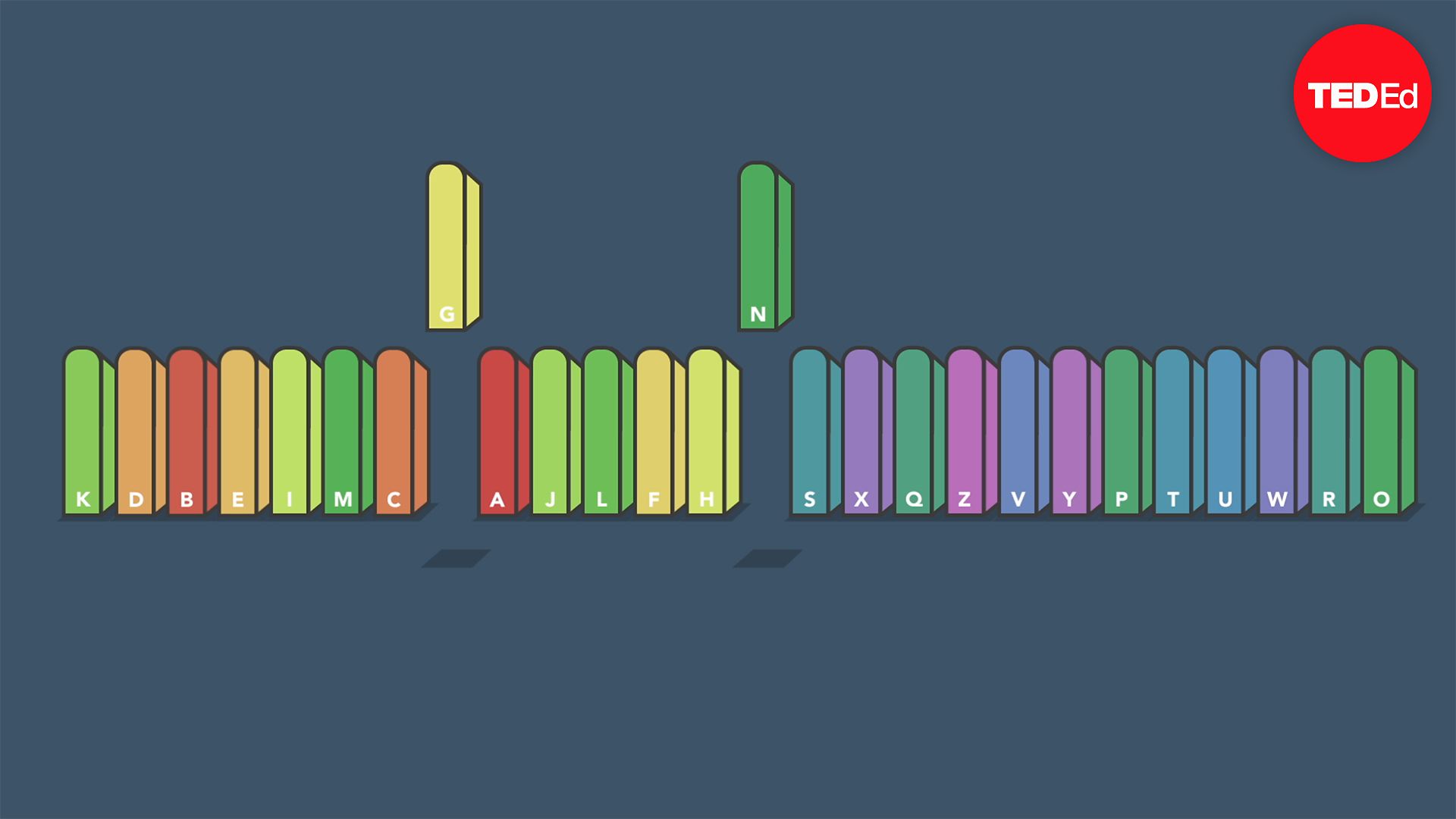
Credit: www.ted.com
Step-by-step Alphabetising Process
Organizing your bookshelf by alphabet is simple and effective. It helps you find books fast. Follow these clear steps to set up your shelf in alphabetical order. This process breaks down the task into easy parts. You will list, arrange, and label your books. Each step makes the job less overwhelming.
Listing Your Books
Start by taking all your books off the shelf. Place them on a clean surface. Write down each book’s title and author’s name. Use a notebook or a digital list. This list is your guide for sorting. It helps avoid missing any book.
Arranging Books In Order
Look at your list carefully. Sort the books by the author’s last name. If two authors share the same last name, use the first name next. Place the books in alphabetical order on the shelf. Keep the spine facing out, so titles are easy to read.
Labeling Sections
Create labels for each letter or group of letters. Use sticky notes or small cards. Attach these labels to the shelf edges or bookends. Labels help you keep the order over time. They make adding new books easier. Your shelf stays neat and organized.
Maintaining Alphabetical Order
Keeping your bookshelf in alphabetical order makes finding books simple and fast. It also keeps your space neat and pleasing to the eye. This order needs care to stay correct over time. Small habits help maintain the system without stress.
Adding New Books
Place new books in their correct spot immediately. Check the author’s last name and match it to your shelf order. Avoid piling new books on top or at random spots. This keeps your order intact and easy to follow.
Regular Shelf Checks
Look over your shelf often. Check for books out of place or shifted. Fix any mistakes right away to stop disorder from growing. A quick weekly glance is enough to keep things tidy.
Dealing With Exceptions
Some books may not fit the usual pattern. Series or books by the same author need special care. Group them together but keep the order by title or volume number. This way, exceptions do not break your system.
Tips For A Stylish Bookshelf
A stylish bookshelf is more than just a place to store books. It can add personality and charm to any room. With a few simple ideas, you can create a beautiful display that looks neat and inviting.
Organizing books alphabetically is a great start, but styling takes it further. Small touches make your shelf stand out and feel unique. Here are some easy tips to help you design a bookshelf that looks great and stays functional.
Mixing Colors And Sizes
Mix book colors to create a lively and balanced look. Arrange bright and neutral tones to catch the eye. Vary book heights and widths for visual interest. Stacking some books horizontally breaks the rows. This mix keeps your shelf from looking too uniform or dull.
Using Bookends
Bookends hold books neatly and add style. Choose simple or bold designs that match your room. Metal, wood, or stone bookends bring different vibes. Use them to separate sections or highlight special books. They keep your shelf tidy and add a creative touch.
Incorporating Decorations
Decorations give your shelf personality and warmth. Small plants, photo frames, or candles work well. Place decor items between books or on top. Keep decorations balanced but not crowded. This adds charm and breaks the rows of books nicely.
Frequently Asked Questions
How Do I Start Alphabetising My Bookshelf?
Begin by removing all books and cleaning your shelves. Sort books by author’s last name or title, depending on your preference. Use alphabetical order from A to Z to arrange them neatly.
Should I Alphabetise By Author Or Title?
Alphabetising by author is common for fiction and non-fiction. Use the author’s last name for consistency. For series or children’s books, sorting by title may work better.
What Tools Help Alphabetise Books Effectively?
Use labels, sticky notes, or bookends to mark sections. Alphabetical dividers can also assist in easy navigation. A simple spreadsheet helps track your collection digitally.
How Often Should I Reorganise My Alphabetised Bookshelf?
Reorganise every time you add new books or notice disorder. Regular maintenance keeps your collection tidy and easy to browse. A quick check every few months is ideal.
Conclusion
Alphabetising your bookshelf keeps your books neat and easy to find. It saves time when searching for a favorite read. Sorting by author or title works well for most collections. Start small and organise step by step. Your bookshelf will look tidy and feel inviting.
Enjoy the simple pleasure of a well-ordered space. Give it a try and see the difference yourself.