When winter nights get colder, you want to make sure your toddler stays cozy and safe while sleeping. But what exactly should your little one wear to bed to keep warm without overheating?
Choosing the right sleepwear can be tricky, and getting it wrong might lead to restless nights for both you and your child. You’ll discover simple, effective tips to help your toddler sleep comfortably all night long. Keep reading to find out how to make bedtime a warm and peaceful experience this winter.
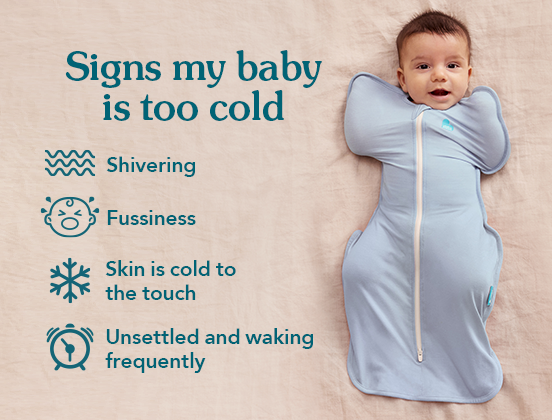
Credit: lovetodream.com
Choosing Winter Sleepwear
Keeping your toddler safe during winter sleep is very important. Cold weather makes dressing for bed tricky. Too much warmth can cause overheating. Too little can leave your child cold and restless. The right balance helps your toddler sleep well and stay safe. Understanding key safety points makes bedtime easier for parents and toddlers.
Avoiding Overheating
Overheating can be dangerous for toddlers. It raises the risk of sudden infant death syndrome (SIDS) and discomfort. Use light layers instead of thick clothes. Dress your toddler in breathable pajamas. Check their neck or back to see if they feel hot or sweaty. Keep the room temperature between 68 and 72 degrees Fahrenheit. Avoid heavy blankets or quilts in the crib. A wearable blanket or sleep sack is a safer option.
Safe Sleepwear Fabrics
Choose soft, breathable fabrics for sleepwear. Cotton is a great choice because it absorbs sweat and allows air flow. Avoid synthetic fabrics that trap heat and irritate the skin. Look for pajamas labeled as flame-resistant or snug-fitting. Loose pajamas can catch on crib bars or cover the face. Make sure sleepwear fits well but allows movement. Keep sleepwear clean and dry every night.
Proper Sleep Environment
Arrange your toddler’s sleep space carefully. Use a firm mattress with a fitted sheet. Remove pillows, toys, and loose blankets from the crib. These can cause suffocation or choking hazards. Keep the room quiet and dim to help your toddler relax. Use a night light if needed. Maintain good air circulation but avoid cold drafts. Regularly check the room temperature and adjust clothing accordingly.
Ensuring Safety While Sleeping
Keeping your toddler warm and comfortable at bedtime during winter is essential. Cozy accessories help maintain body heat and create a snug sleeping environment. These items are easy to use and add an extra layer of warmth without bulk.
Choosing the right accessories can prevent chills and restless nights. Soft fabrics and proper fit make a big difference. Let’s explore some key cozy accessories for your toddler’s winter bedtime.
Warm Hats And Mittens
Toddlers lose heat quickly through their heads and hands. Soft, warm hats help keep their heads cozy all night. Mittens protect little hands from cold air, especially if your toddler tends to kick off blankets. Choose breathable materials to avoid overheating.
Sleep Sacks And Blankets
Sleep sacks are safe alternatives to loose blankets. They keep toddlers warm without the risk of suffocation. Look for sleep sacks made of fleece or cotton for softness and warmth. If using blankets, opt for lightweight, warm fabrics and tuck them securely around your child.
Moisture-wicking Socks
Cold feet can disturb a toddler’s sleep. Moisture-wicking socks keep feet dry and warm by pulling sweat away from the skin. Avoid cotton socks that trap moisture. Instead, select wool or synthetic blends to maintain comfort throughout the night.
Cozy Accessories For Bedtime
Choosing the right sleepwear for your toddler in winter can be tricky. Mistakes in bedtime clothing can affect their sleep and safety. Knowing common errors helps you avoid discomfort and risks.
Keep these points in mind to ensure your toddler stays warm, safe, and happy at night.
Overbundling Risks
Putting too many layers on your toddler can cause overheating. Overbundling may lead to sweating and skin irritation. It also raises the risk of sudden infant death syndrome (SIDS) in younger toddlers. Use just enough clothing to keep your child warm without making them too hot.
Using Unsafe Materials
Some fabrics can irritate delicate skin or cause allergies. Avoid clothes made from rough or synthetic materials. Choose soft, breathable fabrics like cotton or bamboo. These fabrics help regulate body temperature and keep your toddler comfortable all night.
Ignoring Comfort Preferences
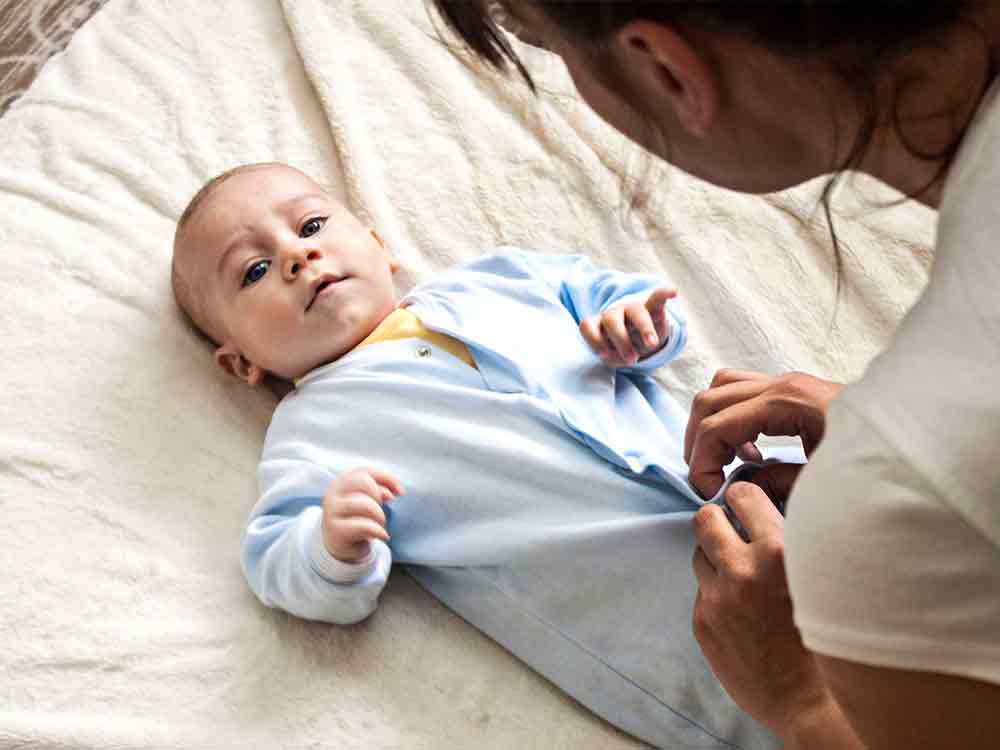
Your toddler’s comfort matters. Some children dislike tight or scratchy clothes. Others may prefer pajamas with feet or without. Pay attention to how your child reacts to different fabrics and styles. Choosing sleepwear your toddler likes helps them sleep better and feel secure.
Credit: raisingchildren.net.au

Credit: www.woolino.com
Frequently Asked Questions
What Is The Best Fabric For Toddler Winter Sleepwear?
Choose soft, breathable fabrics like cotton or bamboo for winter sleepwear. These materials keep your toddler warm without overheating. Avoid synthetic fabrics that trap sweat and cause discomfort. Layering with a wearable blanket can add extra warmth safely.
How Many Layers Should Toddlers Wear To Bed In Winter?
Typically, dress your toddler in one or two layers. A snug cotton onesie plus a fleece sleep sack works well. Avoid bulky clothing that restricts movement or causes overheating. Adjust layers based on your home’s temperature.
Is It Safe To Use Blankets For Toddlers In Winter?
Blankets can pose a safety risk for toddlers under two years. Instead, use wearable blankets or sleep sacks designed for safe warmth. These options prevent suffocation and keep your toddler cozy throughout the night.
Should Toddlers Wear Socks To Bed During Winter?
Socks can help keep your toddler’s feet warm but choose breathable, snug-fitting pairs. Avoid thick or loose socks that may cause overheating or discomfort. If your toddler’s feet feel cold, socks are a good winter bedtime addition.
Conclusion
Choosing the right clothes keeps your toddler warm and cozy all night. Soft pajamas or sleep sacks made from natural fabrics work best. Avoid heavy blankets that might cause overheating or risk safety. Layering helps adjust warmth during cold nights.
Always check your child’s comfort and adjust clothes as needed. A good night’s sleep supports healthy growth and happy mornings. Keep your toddler safe, warm, and comfortable this winter. Simple steps make bedtime easier for both of you.