Are you looking to create more space in your room without sacrificing style or comfort? Building a low loft bunk bed might be the perfect solution for you.
It’s a smart way to maximize your space while keeping everything within easy reach. Imagine having a cozy sleeping area above and plenty of room below for a desk, storage, or play. In this guide, you’ll find simple steps and practical tips to help you build your own low loft bunk bed, even if you’re not an expert.
Ready to transform your space and add a unique touch to your room? Let’s get started!
Planning Your Bunk Bed
Planning your low loft bunk bed is a crucial step. It sets the foundation for a sturdy and safe bed. Careful thought during planning saves time and effort later. This section guides you through important points to consider before building.
Choosing The Right Materials
Select strong, durable wood like pine or oak. Avoid soft woods that can break easily. Use screws and bolts instead of nails for better strength. Sand all surfaces smooth to prevent splinters. Choose non-toxic paint or finish for safety.
Measuring Your Space
Measure the room carefully to fit the bed perfectly. Check ceiling height to ensure enough space above the top bunk. Leave room for ladders and movement around the bed. Make sure the bed fits without crowding the room. Accurate measurements prevent costly mistakes.
Designing For Safety
Include guardrails on the top bunk to stop falls. Make the ladder sturdy and easy to climb. Leave enough space between the bunks to avoid bumping heads. Use strong joints and supports to keep the bed stable. Safety is the top priority in your design.

Credit: www.youtube.com
Gathering Tools And Supplies
Before starting to build a low loft bunk bed, gathering all tools and supplies is important. This step saves time and keeps the work smooth. Having the right items helps in creating a safe and sturdy bed. It also makes the process easier for beginners and experts alike.
Essential Tools List
Start with basic tools. A measuring tape is necessary for accurate cuts. A power drill helps in quick assembly. A saw is needed to cut wood pieces to size. Sandpaper smooths rough edges. A screwdriver is useful for tightening screws. A level ensures the bed is even and safe.
Recommended Hardware
Choose strong screws and bolts for stability. Wood screws of 2 to 3 inches work well. Use corner brackets for extra support. L-brackets add strength to joints. Include washers to protect wood from damage. Quality hardware makes the bed last longer and hold weight safely.
Selecting Comfortable Bedding
Pick a mattress that fits the bed frame perfectly. A firm mattress supports the body and prevents sinking. Choose soft sheets with breathable fabric for comfort. Pillows should match the user’s sleeping style. Adding a cozy blanket makes the bed inviting. Comfortable bedding improves sleep quality and enjoyment.
Cutting And Preparing Wood
Cutting and preparing wood is a key step in building a low loft bunk bed. Proper preparation ensures all pieces fit well. It also keeps the bed strong and safe. Taking time here helps avoid problems later.
Measuring And Marking
Start by measuring the wood carefully. Use a tape measure for accuracy. Mark the cutting lines clearly with a pencil. Double-check all measurements before cutting. Precise marks make cutting easier and more exact.
Cutting Techniques
Use a saw suitable for the wood type and thickness. A circular saw or handsaw works well. Cut along the marked lines slowly and steadily. Keep your hands away from the blade. Clean, straight cuts help the pieces fit together tightly.
Sanding For Smooth Edges
Sand all cut edges to remove splinters. Use medium-grit sandpaper first, then fine grit. Smooth edges prevent injuries and give a neat look. Sand evenly for a consistent finish. This step makes the wood ready for assembly and painting.

Credit: www.amazon.com
Assembling The Frame
Assembling the frame is the first step to build your low loft bunk bed. A strong frame keeps the bed safe and steady. Take your time to follow each step carefully. Use the right tools and parts for best results.
Building The Base
Start by laying out the bed’s base pieces on a flat surface. Connect the four corner posts using sturdy screws. Make sure the base is square and level. Tighten all screws firmly to avoid wobbling. The base supports the whole structure, so it must be solid.
Constructing Side Rails
Attach the side rails to the base posts next. These rails hold the mattress frame in place. Use a drill to fix the rails securely. Check that each rail sits evenly on both sides. Properly installed rails prevent the mattress from slipping.
Adding Support Slats
Lay the support slats across the side rails. Space the slats evenly for strong mattress support. Fix each slat with screws or nails for stability. These slats stop the mattress from sagging. Double-check that all slats are tight and straight.
Installing The Ladder And Guardrails
Installing the ladder and guardrails is a key step in building a low loft bunk bed. These parts keep the bed safe and easy to use. Proper placement and secure fixing help avoid accidents. Follow simple steps for strong and stable results.
Ladder Placement Tips
Place the ladder where it is easy to reach. Choose a side with enough space for climbing. Make sure the ladder angle is not too steep. Check the ladder height matches the bed frame. This makes climbing safe and comfortable.
Securing Guardrails
Attach guardrails on all open sides of the bed. Use strong screws to fix the rails tightly. The guardrails should be high enough to prevent falls. Check for any gaps where a child might slip. Tighten all bolts after installation to avoid movement.
Ensuring Stability
Test the ladder and guardrails for firmness. Push and pull gently to check for wobble. Use extra brackets if parts feel loose. Make sure all screws are flush with the wood. A stable bed protects against accidents and injury.
Finishing Touches
Finishing touches make your low loft bunk bed look complete and inviting. These final steps protect the wood and add comfort. They also help your bunk bed last longer and stay safe for use.
Applying Paint Or Stain
Choose paint or stain that suits the room’s style. Use a brush or roller to apply it evenly. Let the first coat dry before adding a second one. Paint protects the wood from scratches and moisture. Stain highlights the natural beauty of the wood grain. Always work in a well-ventilated space to avoid fumes.
Adding Cushions And Accessories
Soft cushions make the bed more comfortable. Pick cushions that fit the size of the bed well. Add pillows for extra support and a cozy feel. Consider fun accessories like small shelves or clip lights. These details make the bunk bed more useful and personal. Keep the accessories light and safe to avoid accidents.
Maintaining Your Bunk Bed
Check the bed regularly for loose screws or parts. Tighten them to keep the bed sturdy. Clean the bed with a soft cloth and mild cleaner. Avoid harsh chemicals that can damage the finish. Inspect the cushions and replace them if worn out. Proper care ensures your bunk bed stays safe and looks good for years.
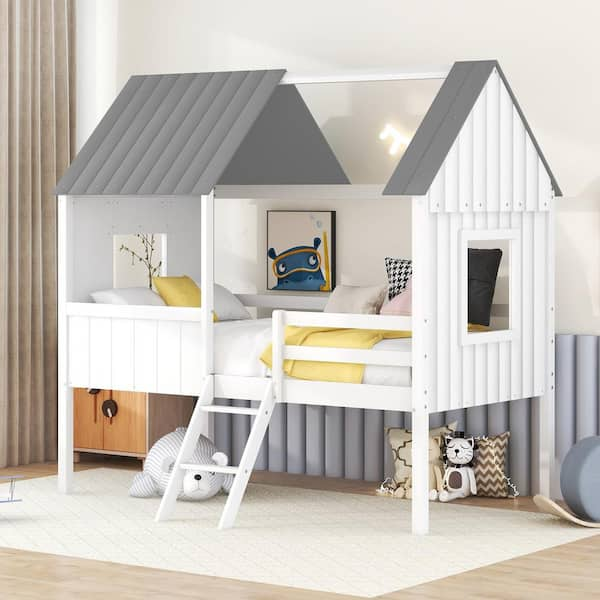
Credit: www.homedepot.com
Frequently Asked Questions
What Materials Are Needed To Build A Low Loft Bunk Bed?
You need sturdy wood, screws, a drill, measuring tape, sandpaper, and safety gear. Choose quality wood like pine or oak for durability. Proper tools ensure precise cuts and safe assembly.
How Do I Ensure Safety When Building A Low Loft Bunk Bed?
Use secure joints, sturdy guardrails, and non-toxic finishes. Double-check all screws and bolts for tightness. Ensure the bed height allows safe access and prevents falls.
What Are The Best Dimensions For A Low Loft Bunk Bed?
Typically, the bed height ranges from 30 to 48 inches. Choose mattress size based on room space and user needs. Ensure enough clearance under the bed for comfort and usability.
Can I Customize A Low Loft Bunk Bed Design?
Yes, customize height, storage options, and finish colors. Add shelves or drawers to maximize space. Personalizing makes the bed fit your room and style perfectly.
Conclusion
Building a low loft bunk bed can save space and add style. Start with a clear plan and gather all materials first. Follow each step carefully to ensure safety and strength. Take your time assembling parts to avoid mistakes. A well-built bunk bed lasts for years and fits many rooms.
Enjoy the satisfaction of creating something useful by yourself. This project suits both beginners and those with some DIY experience. Try this simple project to make your home more functional.