Are you struggling to get your Bose bookshelf speakers working with your laptop? You’re not alone.
Connecting high-quality speakers like Bose can seem tricky if you’re not sure where to start. But don’t worry—this guide will walk you through every step, making it simple and stress-free. By the end, you’ll be enjoying rich, clear sound from your laptop in no time.
Keep reading to unlock the full potential of your Bose bookshelf speakers!
Credit: spencertified.com
Check Bose Bookshelf Compatibility
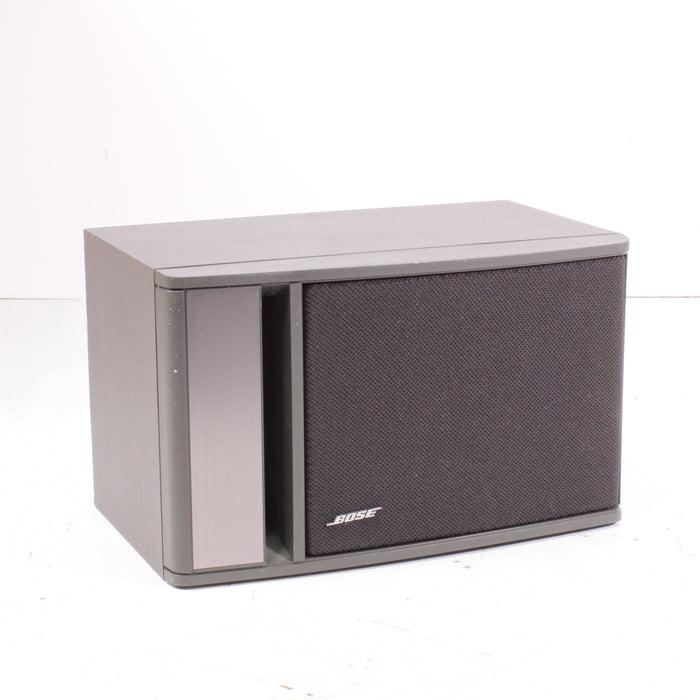
Before connecting your Bose bookshelf speakers to a laptop, check their compatibility. Compatibility ensures the best sound quality and a smooth setup.
Some Bose bookshelf models work with specific connection types. Knowing these details saves time and avoids frustration.
Identify Your Bose Bookshelf Model
Start by finding the model number of your Bose bookshelf speakers. This number is usually on the back or bottom of the speaker.
Search for the model online to learn its connection options and features.
Check Laptop Audio Output Options
Look at your laptop’s audio output ports. Common ports include headphone jack, USB, and Bluetooth.
Match these ports with the speaker’s input options for a proper connection.
Understand Wired And Wireless Connections
Bose bookshelf speakers may connect via wires or wirelessly. Wired options include AUX, RCA, or optical cables.
Wireless options often use Bluetooth or Wi-Fi. Confirm your speaker supports these methods.
Verify Power Requirements
Some Bose bookshelf speakers need external power sources. Check if your model requires a power adapter.
Ensure you have the correct power supply to avoid damage or poor performance.
Gather Necessary Cables And Adapters
Before connecting your Bose bookshelf speakers to a laptop, gather the right cables and adapters. The correct tools ensure clear sound and a smooth setup. Different laptops and speakers need different connections. Knowing what to use saves time and frustration.
Identify Your Laptop’s Audio Output
Look at your laptop’s ports. Most laptops have a 3.5mm headphone jack. Some newer models have USB-C or Bluetooth only. Check your laptop manual if unsure.
Check The Bose Bookshelf Speaker Inputs
Bose speakers often use RCA inputs or a 3.5mm input. Some models offer Bluetooth. Match your speaker’s input type with a suitable cable or adapter.
Choose The Right Cable
For a 3.5mm headphone jack on your laptop, use a 3.5mm to RCA cable. If your laptop has USB-C only, get a USB-C to 3.5mm adapter first. This adapter connects your laptop to the speaker cable.
Consider Bluetooth As An Alternative
If cables are hard to manage, check if your Bose speaker supports Bluetooth. Pairing wirelessly removes the need for cables and adapters. This method works well for laptops with Bluetooth built-in.
Identify Laptop Audio Output Options
Before connecting your Bose bookshelf speakers to a laptop, identify the laptop’s audio output options. This step helps ensure a clear and proper connection. Different laptops have various audio ports and settings. Knowing what your laptop offers makes the process smooth and quick.
Audio output options can vary by laptop brand and model. Common types include headphone jacks, USB ports, and Bluetooth. Each option needs a different connection method to your Bose speakers.
3.5mm Headphone Jack
The 3.5mm headphone jack is the most common audio output. It looks like a small round hole on the side or front of your laptop. This jack sends analog audio signals. You can use a 3.5mm audio cable to connect directly to your Bose speakers. Most Bose bookshelf speakers have an auxiliary input for this cable.
Usb Audio Output
Some laptops send audio through USB ports. USB audio can offer better sound quality. You may need a USB audio adapter or a digital-to-analog converter (DAC). This device connects the laptop’s USB port to your Bose speakers. Check your laptop’s USB type, such as USB-A or USB-C, before buying cables or adapters.
Bluetooth Audio Output
Modern laptops often support Bluetooth audio output. This wireless option connects your laptop to Bose speakers without cables. Bose bookshelf speakers with Bluetooth can pair easily with laptops. Ensure Bluetooth is enabled on your laptop. Then search and connect to your Bose speakers from the Bluetooth settings.

Credit: spencertified.com
Connect Using Bluetooth Wireless Method
Connecting your Bose Bookshelf speakers to a laptop using Bluetooth is simple and wireless. This method lets you enjoy clear, powerful sound without any cables. Follow these steps to set up the connection easily.
Enable Bluetooth On Laptop
First, turn on Bluetooth on your laptop. Go to the settings menu and find the Bluetooth option. Switch Bluetooth to “On.” Your laptop will start searching for nearby devices automatically.
Pair With Bose Bookshelf Speakers
Next, put your Bose Bookshelf speakers into pairing mode. Press and hold the Bluetooth button until the light blinks. On your laptop, select the Bose device name from the list. Click “Pair” to connect. Wait for confirmation that the devices are linked.
Troubleshoot Bluetooth Issues
If the connection fails, try turning Bluetooth off and on again on both devices. Make sure the speakers are close to the laptop. Remove other paired devices that might interfere. Restart the laptop and speakers if needed. Check for updates to your laptop’s Bluetooth drivers.
Connect Using Wired Method
Connecting your Bose Bookshelf speakers to a laptop using a wired method is simple and reliable. This approach often gives better sound quality and reduces lag. It uses physical cables to link the laptop and the speakers directly. Here are some easy ways to do this.
Use 3.5mm To Rca Cable
Most laptops have a headphone jack with a 3.5mm output. Bose Bookshelf speakers usually have RCA inputs, which are red and white ports. A 3.5mm to RCA cable connects these two ports easily. Plug the 3.5mm end into your laptop’s headphone jack. Then, connect the RCA ends to the red and white inputs on the Bose speakers.
This method is straightforward and works with almost any laptop. The sound quality depends on the cable’s quality and the speaker settings.
Use Usb Audio Interface
A USB audio interface is a small device that converts digital sound from your laptop to analog signals. It connects to your laptop’s USB port. Then, you use RCA cables to link the interface to the Bose Bookshelf speakers. This setup often improves sound clarity and reduces noise.
USB audio interfaces come in many models. Choose one with RCA output ports for easy connection. This method is great for laptops without a headphone jack.
Adjust Laptop Audio Settings
After connecting the speakers, check your laptop’s audio settings. Open the sound control panel or settings menu. Select the correct output device, like “Speakers” or the USB audio interface. Adjust the volume to a moderate level first.
Test the sound by playing music or a video. If the sound is low or distorted, check the cable connections. Also, update your laptop’s audio drivers if needed. Proper settings ensure the best sound from your Bose Bookshelf speakers.
Optimize Sound Settings For Best Quality
Optimizing sound settings improves your Bose bookshelf speaker experience. It helps deliver clear, balanced audio from your laptop. Small changes make a big difference in sound quality.
Adjusting volume and equalizer settings tailors the sound to your preferences. It ensures you hear music, movies, and calls as they should be heard. Let’s explore how to set up these options.
Adjust Volume Levels
Start by setting the laptop volume to a medium level. Avoid maxing out the volume to prevent distortion.
Next, adjust the Bose speaker volume using its controls or remote. Find a balance where sound is loud but clear.
Test with different types of audio to check for clarity. Lower the volume if the sound feels harsh or muffled.
Configure Equalizer Settings
Open your laptop’s sound settings or audio software. Look for the equalizer or sound enhancement section.
Adjust bass, mid, and treble sliders to match your taste. Boost bass for richer lows or increase treble for clearer highs.
Keep changes subtle to avoid unnatural sound. Test with music or videos and tweak settings as needed.
Maintain Your Bose Bookshelf Speakers
Maintaining your Bose bookshelf speakers helps them perform well for years. Clean speakers look good and sound clear. Small care steps protect your investment and keep music enjoyable. Follow simple routines to keep dust and dirt away. Check for updates to improve sound and fix bugs.
Regular Cleaning Tips
Turn off and unplug your speakers before cleaning. Use a soft, dry cloth to wipe the surface gently. Avoid using water or liquid cleaners directly on the speakers. Dust can block sound and cause damage over time. Clean speaker grills carefully with a small brush or vacuum with a brush attachment. Keep the area around the speakers clean and free of dust.
Firmware Updates
Check Bose’s website or app for firmware updates regularly. Updates improve sound quality and add new features. Connect your speakers to the internet or your laptop for updates. Follow the instructions carefully to avoid interrupting the update. Do not turn off the speakers during the update process. Updated firmware keeps your speakers running smoothly and efficiently.

Credit: www.ebay.com
Frequently Asked Questions
How Do I Connect Bose Bookshelf Speakers To A Laptop?
Use a 3. 5mm audio cable or Bluetooth to connect Bose Bookshelf speakers to your laptop. For wired, plug the cable into the laptop’s headphone jack and speaker input. For Bluetooth, enable pairing mode on the speaker and connect via your laptop’s Bluetooth settings.
Can I Use Bluetooth To Link Bose Bookshelf With A Laptop?
Yes, if your Bose Bookshelf speakers support Bluetooth, enable pairing mode on the speakers. On your laptop, open Bluetooth settings, find the speakers, and connect. This wireless connection offers convenience and good sound quality without cables.
What Cable Is Needed For Bose Bookshelf To Laptop Connection?
A 3. 5mm AUX audio cable or RCA to 3. 5mm cable is typically used. Connect the cable from the laptop’s headphone jack to the speaker’s AUX input. This ensures a stable wired connection and high-quality audio output.
Why Won’t My Laptop Detect Bose Bookshelf Speakers?
Ensure the speakers are powered on and set to the correct input mode. Check your laptop’s Bluetooth or audio output settings. Try restarting both devices or reconnecting cables. Update your laptop’s audio drivers if necessary.
Conclusion
Connecting your Bose bookshelf speakers to your laptop is simple and quick. Follow the steps carefully, and you will enjoy clear sound. Make sure your laptop settings match the speaker input. Check cables or Bluetooth connection for any issues. Good sound makes watching videos and listening to music better.
Now, you can easily use your Bose speakers with your laptop anytime. Keep this guide handy for future use. Enjoy your improved audio experience without any hassle.