Are you worried that bed bugs might be hiding in your bunk beds? These tiny pests can turn your cozy sleeping space into a nightmare.
But don’t panic—treating bed bugs on bunk beds is easier than you think when you know the right steps. You’ll discover simple, effective ways to get rid of bed bugs for good. Keep reading to protect your family and reclaim your peaceful nights.
Identifying Bed Bugs On Bunk Beds
Identifying bed bugs on bunk beds is the first step to solving the problem. These pests are small but can cause big trouble. Early detection helps stop the infestation from growing. Knowing what signs to watch for and where bed bugs hide makes the process easier. This guide helps you find bed bugs quickly and clearly.
Common Signs Of Infestation
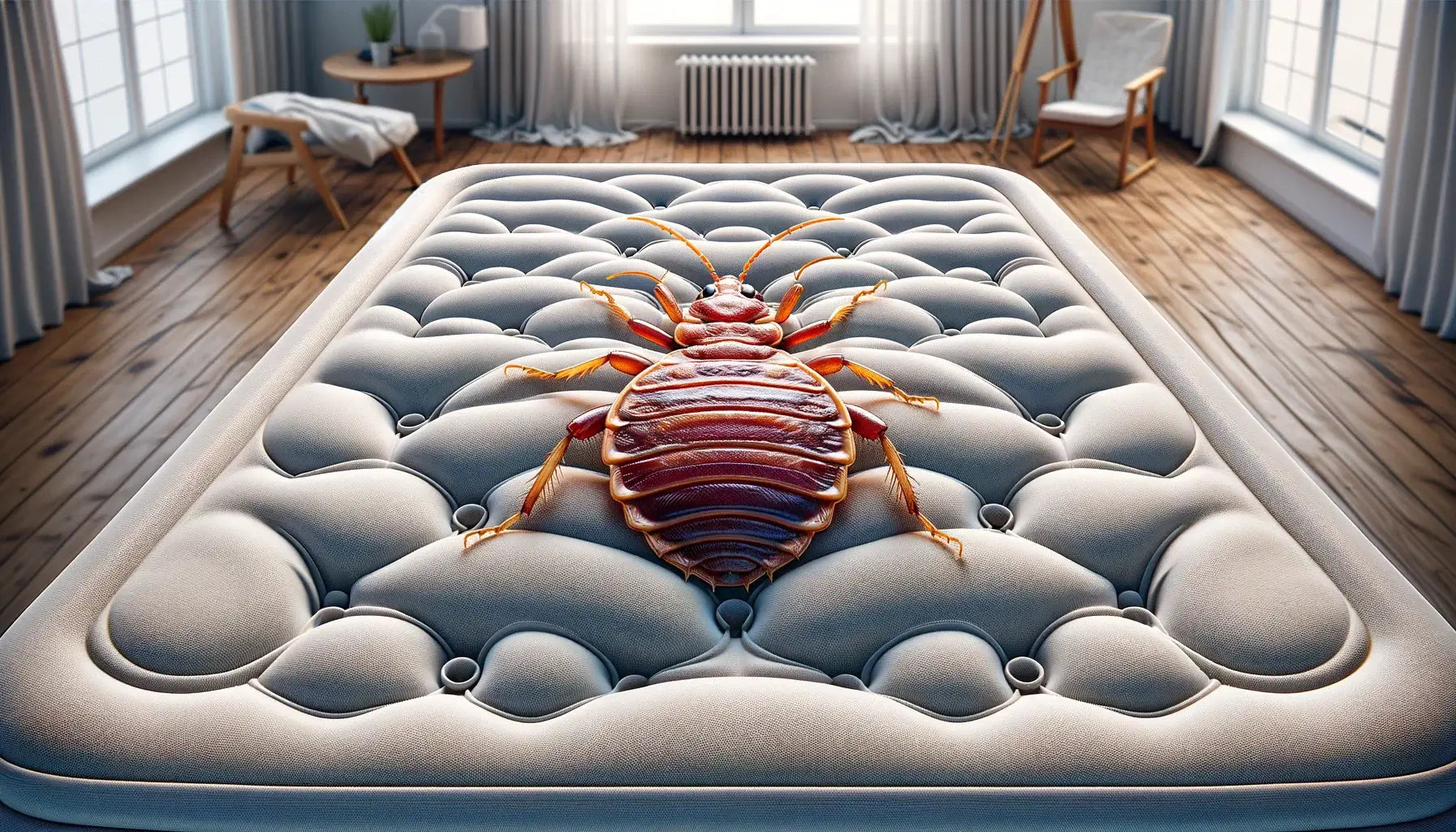
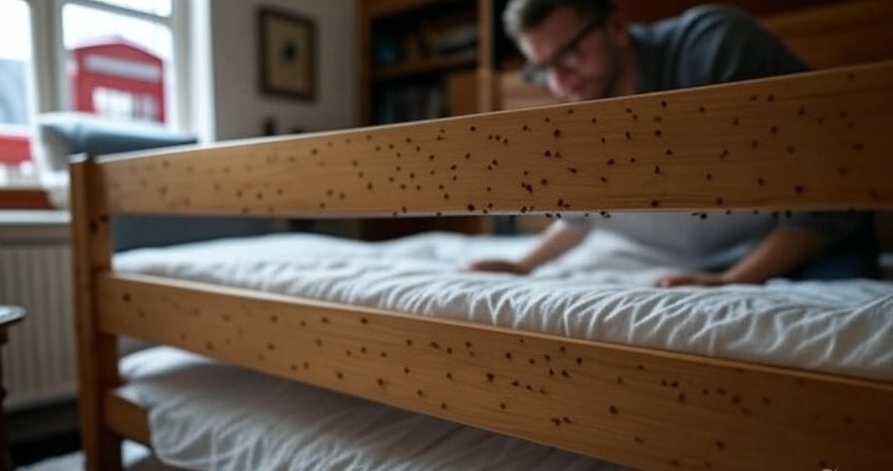
Look for small, reddish-brown spots on the bedding or mattress. These spots are often bed bug droppings or crushed bugs. Tiny blood stains may appear on sheets from bites. You might notice itchy, red bite marks on the skin after sleeping. A musty, sweet odor can come from large infestations. Shed skins and eggshells may be found near sleeping areas.
Where Bed Bugs Hide On Bunk Beds
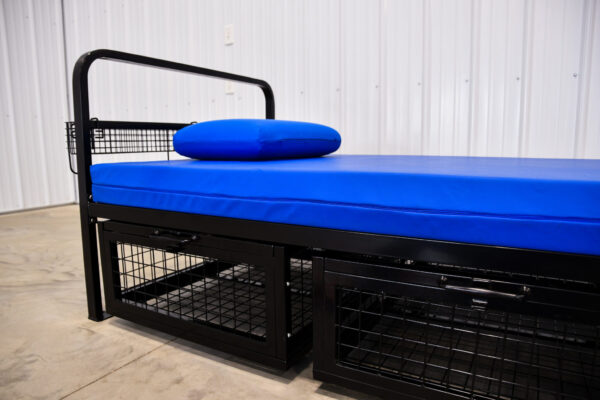
Bed bugs like tight, dark places close to humans. They hide in mattress seams and folds. Check the crevices of the bed frame and joints. Look under the mattress and box spring carefully. Bed bugs often hide behind headboards and footboards. Inspect cracks in wooden parts and screw holes. The bottom bunk may hide bugs better due to less light.
Credit: heavydutybunkbeds.com
Preparing The Bunk Bed For Treatment
Preparing the bunk bed for bed bug treatment is a crucial step. It helps make the treatment more effective and prevents bugs from spreading. Careful preparation ensures the bed bugs have fewer places to hide. Follow these simple steps to get the bunk bed ready.
Clearing Bedding And Personal Items
Remove all sheets, blankets, pillows, and mattress covers. Place these items in sealed plastic bags to stop bugs from escaping. Wash all bedding in hot water. Use the highest heat setting in the dryer for at least 30 minutes. This heat kills bed bugs and their eggs. Remove toys, clothes, and other personal items from the bunk bed area. Store them safely away from the bed until treatment finishes.
Vacuuming And Cleaning The Frame
Use a vacuum cleaner with a hose attachment for the bunk bed frame. Focus on joints, crevices, and corners where bed bugs hide. Vacuum slowly to pick up eggs and bugs. After vacuuming, wipe the frame with a damp cloth. Use mild soap and water to clean the surface. Avoid harsh chemicals that can damage the bed. Dispose of the vacuum bag or empty the canister outside immediately. This stops bed bugs from coming back into your home.
Effective Bed Bug Treatment Methods
Treating bed bugs on bunk beds requires clear and effective methods. These pests hide in tight spaces and multiply quickly. Using the right treatment helps remove them fast and keeps your family safe.
Choose a method that fits your situation. Some treatments need professional help, while others you can do at home. The key is to act quickly and follow each step carefully.
Using Heat Treatment
Heat treatment kills bed bugs by raising the temperature above 120°F (49°C). This method reaches deep into cracks and fabric where bugs hide. Professionals use special heaters to warm the entire room or bunk bed.
Heat treatment is chemical-free and safe for most materials. It kills bed bugs at all life stages, including eggs. After treatment, bugs cannot survive, and you avoid repeated bites.
Applying Insecticides Safely
Insecticides help control bed bugs but require careful use. Choose products labeled for bed bugs and follow instructions strictly. Spray cracks, seams, and legs of bunk beds where bugs hide.
Wear gloves and avoid breathing in sprays. Keep children and pets away during application. Repeat treatment as directed to catch new bugs hatching from eggs. Proper use prevents resistance and ensures effectiveness.
Natural Remedies To Try
Natural options include diatomaceous earth, essential oils, and steam cleaning. Diatomaceous earth dries out bed bugs and damages their shells. Sprinkle it lightly on bunk bed frames and floors.
Essential oils like tea tree and lavender may repel bugs but work best combined with other treatments. Steam cleaning kills bugs on contact and works well on mattresses and wood surfaces. Use natural remedies to support other methods, not as the sole treatment.
Credit: mattressstoreslosangeles.com
Preventing Future Infestations
Stopping bed bugs before they return keeps your bunk beds safe and comfortable. Prevention saves time and effort. It also protects your home from future problems.
Regular Inspection Routine
Check your bunk beds often for signs of bed bugs. Look in corners, seams, and cracks. Use a flashlight to spot small bugs or dark spots. Early detection helps remove bugs fast. Set a schedule to inspect weekly or monthly. Catching bugs early stops big infestations.
Protective Covers And Barriers
Use special mattress and box spring covers made for bed bugs. These covers trap bugs inside and stop new ones from entering. Seal all openings on the bed frame with tape or barriers. This blocks bugs from hiding in hard-to-reach places. Protective covers reduce hiding spots and limit bug movement.
Maintaining Cleanliness
Keep the bunk beds and surrounding area clean. Wash bedding regularly in hot water to kill bugs. Vacuum the mattress, bed frame, and floor often. Remove clutter near the beds to reduce hiding places. Cleanliness lowers the chance of bed bugs settling in your space.
When To Call A Professional Exterminator
Dealing with bed bugs on bunk beds can be tough. Sometimes, home methods do not work well. In such cases, calling a professional exterminator is the best choice. Experts have tools and skills to remove bed bugs safely and quickly. Knowing when to get help can save time and stress.
Signs You Need Expert Help
Bed bugs spread fast and hide deep in bunk beds. Check for bites that itch a lot. Look for small blood spots on sheets. Dark spots or shed skins near mattress seams also show bugs. If these signs appear in many places, call a pro.
When bites grow worse or bugs return after treatment, experts must step in. Professionals find and treat hidden nests. They use stronger, safe solutions that work better than store sprays.
Choosing The Right Pest Control Service
Pick a pest control company with experience in bed bug removal. Ask if they treat bunk beds specifically. Check reviews and ratings from other customers. Confirm they use safe products for children and pets.
Make sure the service offers inspection and follow-up visits. Good companies explain their process clearly. They help prevent future infestations with advice and tips.
Credit: pest.co.uk
Frequently Asked Questions
How Do I Identify Bed Bugs On Bunk Beds?
Look for small reddish-brown bugs, tiny white eggs, and dark spots on the mattress seams. Bites may also indicate an infestation.
What Is The Best Way To Clean Bunk Beds From Bed Bugs?
Vacuum all surfaces thoroughly, including mattress seams and crevices. Use a steam cleaner for heat treatment to kill bed bugs and eggs.
Can I Use Diy Treatments For Bed Bugs On Bunk Beds?
Yes, options like diatomaceous earth and essential oils can help but may not fully eliminate bed bugs. Professional treatment is often needed.
How Long Does It Take To Eliminate Bed Bugs From Bunk Beds?
Complete treatment usually takes 2 to 4 weeks with repeated cleaning and inspections. Persistence is key to prevent re-infestation.
Conclusion
Treating bed bugs on bunk beds requires patience and care. Clean the bed frame and wash all bedding in hot water. Use a vacuum to remove bugs and eggs. Apply safe treatments to cracks and crevices. Check regularly for signs of bugs to stop them early.
Acting fast helps keep your home bug-free. Simple steps can protect your family’s sleep and health. Stay calm and follow these tips for a clear, bug-free bunk bed.