Have you ever wondered what a bunk bed is called in Spanish? If you’re learning the language or planning a trip, knowing this simple word can come in handy.
Imagine being able to ask for a bunk bed confidently when booking a room or shopping for furniture. You’ll discover the exact term, how to use it, and some tips to remember it easily. Keep reading to unlock a small but useful piece of Spanish that will make your conversations smoother and more natural.
Bunk Bed Terminology In Spanish
Bunk beds are popular worldwide, but the words used to name them differ. In Spanish, the terminology varies by country and context. Understanding these terms helps in travel, shopping, or simple conversation.
This section explains common Spanish terms for bunk beds. It also covers regional differences and formal versus informal usage. Knowing these details makes communication clearer and easier.
Common Spanish Terms
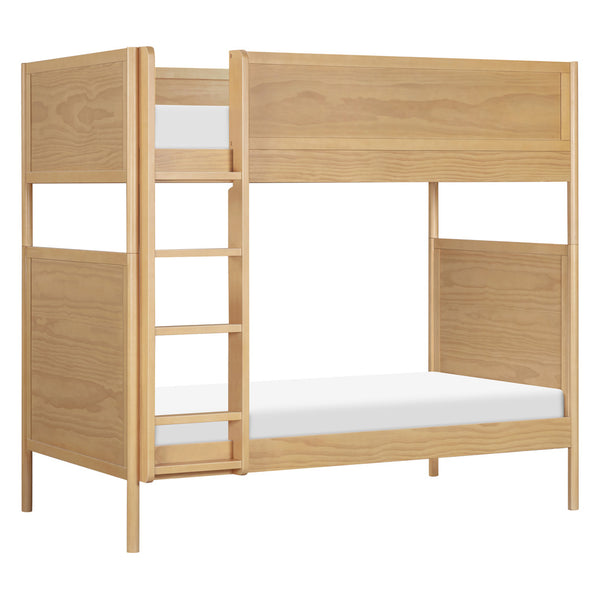
The most common word for bunk bed in Spanish is “litera”. It refers to a set of two or more beds stacked vertically. Another term is “camarote”, often used on ships or in military settings. Both words are widely understood in Spanish-speaking countries.
Regional Variations
Spanish varies across regions, so do bunk bed names. In Mexico and Central America, “litera” is standard. In Spain, people may also say “camarote” more often. Some South American countries might use local slang or combine terms. Knowing these differences helps avoid confusion.
Formal Vs. Informal Usage
In formal contexts like furniture catalogs, “litera” is the preferred term. It sounds clear and professional. Informally, people might say “literas” when referring to multiple bunk beds. Sometimes, kids or families use playful names, but these vary widely.
Credit: www.modernnursery.com
Origins Of The Spanish Term
The Spanish term for bunk bed has a history tied to language and culture. Understanding its origins helps us see why the word sounds and feels the way it does. Language changes with time, and the words we use reflect our habits and surroundings.
Exploring the roots of this term reveals much about daily life and family needs in Spanish-speaking countries. The word connects with ideas of space-saving and shared living areas. It shows how language adapts to describe common objects.
Etymology Insights
The Spanish word for bunk bed is often “litera.” It comes from the Latin word “lectus,” meaning bed. Over time, “lectus” evolved into “litera” in Spanish. This word originally referred to a bed used by many people.
In the past, “litera” also meant a type of carriage or portable bed. The concept changed to mean stacked beds for saving space. This shift shows how the term grew with changing furniture styles.
Cultural Influences
In Spanish-speaking homes, space is valuable. Families often live in smaller areas. Bunk beds became popular to fit more people in one room. This shaped the use and meaning of the word “litera.”
The idea of sharing a room with siblings or family is common. Bunk beds reflect this family closeness and practicality. This cultural need influenced the word’s meaning and use over time.
Types Of Bunk Beds In Spanish
The term for bunk bed in Spanish is litera. There are several types of bunk beds. Each type fits different room sizes and needs. Knowing the types helps you choose the best one.
Here are the common types of bunk beds in Spanish and their features.
Standard Bunk Beds
Standard bunk beds are called literas estándar. They have two beds, one on top of the other. These beds save space and are great for small rooms. Many children use them in shared bedrooms.
Loft Beds
Loft beds are called literas loft. The top bed is raised high. The space below can be used for a desk or storage. This type fits well in rooms where space is tight.
Triple And Custom Designs
Triple bunk beds are literas triples. They have three sleeping areas. Custom designs, or literas personalizadas, offer unique shapes and sizes. These beds suit special needs or larger families.
Using Bunk Bed Terms In Conversation
Using the right words for a bunk bed in Spanish helps in clear conversations. It makes talking about furniture easier and more natural. Learning common terms boosts confidence in speaking and understanding Spanish better.
Knowing how to say “bunk bed” and related phrases allows smooth communication. It also helps when shopping or describing rooms in Spanish. Practice these phrases often for better fluency.
Common Phrases And Sentences
In Spanish, a bunk bed is called “litera”. You can say:
- “Tengo una litera en mi dormitorio.” (I have a bunk bed in my room.)
- “¿Dónde está la litera?” (Where is the bunk bed?)
- “La litera es para dos personas.” (The bunk bed is for two people.)
- “Necesito comprar una litera nueva.” (I need to buy a new bunk bed.)
These simple sentences help you talk about bunk beds in daily life.
Contextual Examples
Imagine you visit a friend’s house. You can say:
- “Me gusta la litera en tu cuarto.” (I like the bunk bed in your room.)
- “¿Puedes subir a la cama de arriba de la litera?” (Can you climb to the top bunk?)
- “La litera ahorra espacio en habitaciones pequeñas.” (The bunk bed saves space in small rooms.)
Using these examples makes conversations more natural. It shows you understand how to use the word “litera” correctly.
Buying Bunk Beds In Spanish-speaking Countries
Bunk beds are called “literas” in Spanish. Buying bunk beds in Spanish-speaking countries offers many options. The market includes various styles, materials, and prices. Understanding where to shop, what to pay, and safety rules helps in making smart choices.
Popular Retailers
Many stores sell bunk beds across Spanish-speaking countries. Large chains like IKEA and Leroy Merlin operate in places like Mexico and Spain. Local furniture shops also offer unique designs. Online platforms such as MercadoLibre provide wide selections. Customers can compare styles easily before buying.
Pricing And Quality
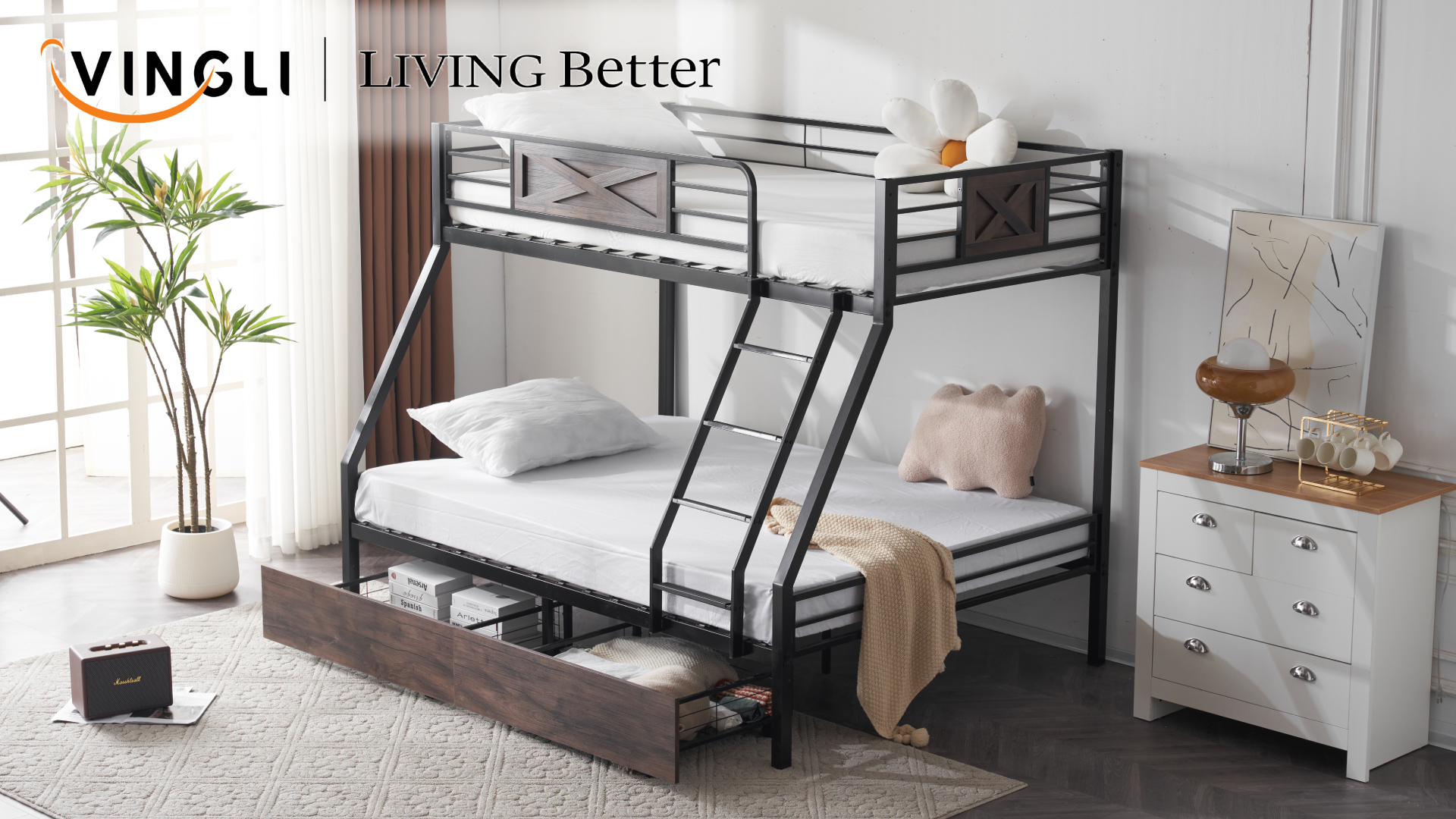
Prices for bunk beds vary widely. Simple metal frames are often cheaper. Wooden bunk beds tend to cost more but last longer. Quality depends on the materials and craftsmanship. Checking product reviews can help assess durability. Budget buyers find affordable options without sacrificing safety.
Safety Standards
Safety is a top priority for bunk beds. Spanish-speaking countries follow strict rules to protect users. Beds must have guardrails and sturdy ladders. Many comply with international standards like ASTM or EN. Buyers should confirm safety certifications before purchase. Proper installation also ensures secure use at home.
Credit: www.amazon.com
Cultural Significance Of Bunk Beds
Bunk beds hold a special place in many cultures worldwide. They are more than just furniture. They reflect family values and daily life challenges. In Spanish-speaking countries, bunk beds are called “literas.” This term carries cultural meaning beyond its simple use. It represents shared spaces and practical living.
Bunk beds often appear in homes where space is limited. They symbolize closeness among family members. These beds show how families adapt to their living conditions. Understanding their cultural significance helps appreciate their role in homes.
Family Living Spaces
In many Spanish-speaking families, space is shared by many people. Bunk beds create room for siblings to sleep together comfortably. This setup strengthens family bonds. Children often enjoy sleeping close to each other. It also allows parents to save space for other activities.
Literas encourage cooperation and sharing. They reflect a lifestyle where family unity is important. These beds help families live together in harmony. They also represent care and togetherness in small homes.
Space-saving Solutions
Space in urban homes can be very tight. Bunk beds offer a practical solution to this problem. They allow two or more people to sleep in one room. This saves valuable floor space for daily use. It helps families keep their homes organized and functional.
The use of literas is common in apartments and smaller houses. Their design fits well with compact living. Families benefit from the extra space for work, play, or study. Bunk beds make small homes more comfortable and efficient.

Credit: www.tripadvisor.com
Frequently Asked Questions
What Is The Spanish Word For Bunk Bed?
The Spanish word for bunk bed is “litera. ” It refers to a bed with two or more stacked sleeping surfaces. This term is commonly used in Spain and Latin America.
How Do You Pronounce Bunk Bed In Spanish?
“Bunk bed” in Spanish is pronounced as “lee-TEH-rah. ” The stress is on the second syllable. Practicing this helps in clear communication.
Are There Regional Variations For Bunk Bed In Spanish?
Yes, some regions may use terms like “camarote” or “literas” for bunk beds. However, “litera” remains the most widely recognized.
Can “litera” Refer To Other Types Of Beds?
Primarily, “litera” means bunk bed. In some contexts, it might also describe beds on trains or ships, which are similar in design.
Conclusion
Knowing that a bunk bed is called “litera” in Spanish helps in many ways. It makes talking about furniture easier when traveling or living abroad. You can ask for what you need clearly. This small word opens doors to better communication.
Remembering simple words like this builds your confidence in Spanish. Keep learning step by step. Language grows with practice and patience. Every new word brings you closer to fluency. So, keep exploring and enjoy your language journey.