Do you want to make your room more functional without buying new furniture? Turning your bunk bed into a cozy couch is easier than you think.
Imagine having a comfy spot to relax during the day and a bed ready for sleep at night. This simple change can save space, add style, and make your room feel more inviting. Keep reading, and you’ll discover step-by-step how to transform your bunk bed into the perfect couch for your space.
Choosing The Right Bunk Bed
Choosing the right bunk bed is the first step to turning it into a cozy couch. Not all bunk beds work well for this change. Some are better built, fit the space well, or offer safer designs. Picking the right one saves time and effort later.
Materials And Build Quality
Look for bunk beds made from strong materials. Solid wood or metal frames last longer and hold more weight. Avoid cheap particle board. A sturdy bed holds cushions and supports sitting comfortably. Check if the bed has smooth finishes. Rough edges can cause injuries or damage cushions.
Size And Dimensions
Measure the room and space available. A bunk bed that is too big or too small will not work well as a couch. Consider the length and width of the lower bunk. It should be wide enough for sitting and relaxing. Also, check the height between the top and bottom bunks. More height means more comfort and space for cushions.
Safety Considerations
Safety is important when changing a bunk bed into a couch. Choose beds with strong guardrails or remove the top bunk safely. Make sure the bed frame is steady and does not wobble. Avoid beds with sharp corners or loose parts. A safe bunk bed keeps everyone comfortable and reduces accidents.
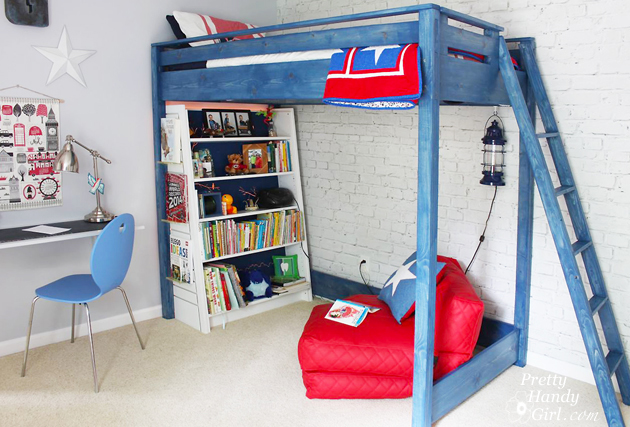
Credit: prettyhandygirl.com
Removing The Top Bunk
Removing the top bunk is the first big step to turn your bunk bed into a comfy couch. This process clears the space and gives you a solid base to work with. It might seem tricky, but with the right tools and careful steps, it goes smoothly. Safety matters most, so take your time and handle each part carefully.
Tools Needed
Gather these tools before starting:
- Screwdriver (Phillips or flat-head)
- Wrench or socket set
- Hammer or rubber mallet
- Allen key (often included with the bed)
- Work gloves for protection
- Step ladder or sturdy stool
Step-by-step Removal
Start by clearing the top bunk of mattress and bedding.
Use the screwdriver or Allen key to unscrew bolts holding the top bunk. Keep screws in a container to avoid loss.
Next, remove guardrails carefully. They usually attach with screws or bolts on each side.
Detach the ladder by unscrewing its brackets. Set it aside for later use or storage.
With help, lift the top bunk frame off the bottom bunk. Place it on a soft surface to prevent damage.
Handling Leftover Parts
Sort screws, bolts, and small pieces in labeled bags. It helps if you want to reassemble or sell parts later.
Keep the ladder and guardrails if you plan to use them as wall decor or extra seating support.
Dispose of unwanted wood or metal parts responsibly. Check local recycling rules for safe disposal.
Converting The Bottom Bunk Into A Couch
Converting the bottom bunk into a couch creates a cozy seating area. It makes good use of space in small rooms. This transformation adds comfort and style. The process starts with simple changes that anyone can do. Focus on cushions, back support, and armrests for the best result.
Selecting Comfortable Cushions
Choose cushions that fit the bunk bed size well. Thick cushions provide soft and firm seating. Foam cushions with a fabric cover work best. Pick colors that match your room’s decor. Removable covers help keep cushions clean. Arrange cushions evenly for a neat look.
Adding Back Support
Back support makes the couch comfortable to sit on. Use large cushions or pillows against the bed frame. Secure cushions with ties or Velcro strips. A wooden board wrapped with foam also works well. Position the support at a slight angle. This prevents discomfort during long sitting times.
Incorporating Armrests
Armrests add style and comfort to the couch. Use small cushions or pillows on each side. Attach cushions to the bed frame with straps or hooks. Another option is to build simple wooden armrests. Cover wooden armrests with foam and fabric. Armrests provide support and define the seating area.

Credit: griceviz.com
Enhancing The Look
Enhancing the look of your bunk bed turned couch can make a big difference. It helps the space feel cozy and inviting. Small changes can create a fresh and stylish appearance.
Painting And Finishing Touches
Choose a paint color that matches your room’s theme. Light colors can make the space look larger. Dark colors add a bold statement. Use smooth finishes for a clean look. Sand the surface before painting for best results. Seal the paint with a clear coat to protect it.
Adding Throw Pillows And Blankets
Throw pillows add comfort and style to the couch. Pick pillows in different sizes and patterns. Use soft blankets to invite warmth. Fold blankets neatly or drape them casually. Choose colors that complement the paint. Textures like wool or fleece add extra coziness.
Decorative Accents
Decorate with small items like fairy lights or framed photos. Place a small rug under the couch to define the space. Use plants in pots to bring life and color. Add a side table for books or drinks. Keep decorations simple to avoid clutter. These accents make the couch feel like home.
Maximizing Space With Storage
Maximizing space with storage is key when turning a bunk bed into a couch. Space in small rooms is often limited. Using storage smartly helps keep the room tidy and functional. It also makes the couch area more comfortable and organized.
Under-bed Storage Options
The space under the bunk bed is perfect for storage. Use rolling bins or boxes to store toys, clothes, or books. Clear containers help find items easily. Choose low containers that slide under the bed without blocking the couch space.
Built-in Shelves And Drawers
Built-in shelves save floor space and add storage near the couch. Attach shelves to the bunk bed frame for books or decor. Drawers built into the bed base keep items hidden but easy to reach. These options help keep the room neat and organized.
Multi-functional Furniture Ideas
Furniture that serves more than one purpose fits well in small rooms. Use an ottoman that opens for storage. A fold-out table attached to the bed frame can work as a desk or snack spot. Choose pieces that help keep the room clutter-free and practical.
Safety Tips For Diy Conversion
Turning a bunk bed into a couch is a fun project. Safety should be your top priority. This guide offers key safety tips for your DIY conversion. Follow these steps to create a safe and cozy couch space.
Securing The Frame
Make sure the bunk bed frame is strong and stable. Tighten all screws and bolts firmly. Check for any loose or broken parts. Use extra brackets for added support. The frame must hold weight without wobbling.
Using Non-toxic Materials
Choose paints and finishes labeled as non-toxic. Avoid materials with strong smells or harmful chemicals. Use safe glue and fabrics for cushions. These choices protect your health and indoor air quality.
Childproofing The Couch Area
Cover sharp edges with soft padding. Remove any small parts that children could swallow. Use sturdy cushions to prevent falls. Keep the area clean and free of clutter. Make the space safe for kids to enjoy.
Alternative Space-saving Ideas
Small rooms need smart ideas. Space-saving furniture helps make rooms feel bigger. Changing a bunk bed into a couch is one way. There are other useful ideas too. These ideas keep rooms open and neat.
They fit well in bedrooms, playrooms, or small apartments. Let’s explore some easy and smart choices for saving space.
Folding Beds And Murphy Beds
Folding beds fold up when not in use. They free up floor space quickly. Murphy beds fold up into the wall. This keeps rooms clear during the day. Both options offer a bed and save space. They work well in small rooms or guest rooms.
Modular Furniture Solutions
Modular furniture fits together in many ways. You can move or change pieces easily. Sofas that turn into beds are modular. Shelves that stack or separate also work well. This furniture adapts to your needs. It helps keep rooms clean and organized.
Creative Room Layouts
Changing room layout can save space too. Place furniture against walls to open the center. Use corners for desks or shelves. Put beds under windows or loft beds above desks. Think about how you move in the room. This helps fit more furniture comfortably.
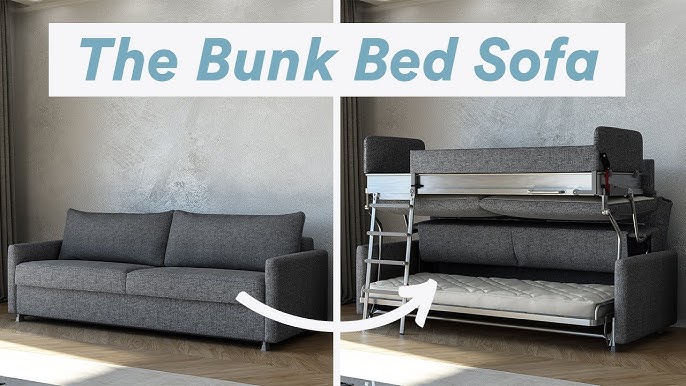
Credit: www.youtube.com
Frequently Asked Questions
How Can I Convert A Bunk Bed Into A Couch?
To convert a bunk bed into a couch, remove the top bunk and guardrails. Add cushions or a mattress on the bottom bunk. Arrange pillows against the wall for back support. This creates a cozy seating area using your existing bunk bed frame.
What Materials Are Needed To Turn A Bunk Bed Into A Couch?
You need cushions or a mattress, pillows, and possibly fabric covers. Optional items include wood planks or foam for extra comfort. Tools like a screwdriver help remove bunk bed parts. These materials help transform the bottom bunk into a comfortable couch.
Is It Safe To Use A Bunk Bed As A Couch?
Yes, if you remove the top bunk and secure the lower frame. Ensure the bunk bed is sturdy and stable before use. Avoid placing heavy weight on unsecured parts. Proper setup prevents accidents and makes the bunk bed safe as a couch.
Can I Add Storage When Converting A Bunk Bed To A Couch?
Yes, you can add storage under the bottom bunk. Use bins, drawers, or baskets to organize items neatly. This maximizes space and keeps your room tidy. Storage options make the couch area functional and clutter-free.
Conclusion
Turning a bunk bed into a couch can save space and add comfort. It only takes a few steps and some creativity. You can use cushions and pillows to make it cozy. This idea works well in small rooms or shared spaces.
It gives your room a fresh, new look without much cost. Try it yourself and enjoy a practical, stylish seating area. Simple changes can make a big difference in your home.