Have you ever thought about building your own bookshelf but felt unsure if it’s too hard? You might picture complicated tools, confusing instructions, or hours of frustration.
What if I told you it’s simpler than you think? Whether you’re a beginner or just looking for a quick project, building a bookshelf can be easy, rewarding, and even fun. Keep reading, and you’ll discover how to create a beautiful, sturdy bookshelf that fits your space perfectly—without stress or wasted time.
Your perfect bookshelf is closer than you imagine.
Choosing The Right Materials
Choosing the right materials is a key step in building a sturdy and attractive bookshelf. The materials affect the look, strength, and cost of your project. Picking good materials makes the building process easier and the final product better. Take time to decide what fits your needs and skills.
Types Of Wood
Wood choice changes the shelf’s style and strength. Softwoods like pine are easy to cut and light. Hardwoods such as oak or maple are strong but cost more. Plywood offers good strength and smooth surfaces. Choose wood that suits your design and budget.
Essential Tools
Basic tools help cut, join, and finish wood. You need a saw, drill, screwdriver, and measuring tape. Sandpaper smooths edges and surfaces. Clamps hold pieces while you work. Having the right tools makes building faster and safer.
Budget Considerations
Material costs can vary a lot. Softwood and plywood are cheaper options. Hardwood and special finishes cost more. Plan your budget before buying. Balance quality and price to get the best value. Spending wisely helps avoid surprises.
Credit: ecofriendlymama.com
Planning Your Bookshelf Design
Planning your bookshelf design is the first step to building a great piece. Good planning saves time and avoids mistakes. It helps you picture the final look and decide what materials you need. This stage sets the foundation for your project.
Determining Size And Shape
Start by measuring the space where the bookshelf will stand. Think about the height, width, and depth you want. Choose a shape that fits the room well. A tall, narrow shelf works in small spaces. Wide and low shelves suit bigger walls. Keep your needs and room size in mind.
Selecting Shelf Layout
Decide how many shelves you need and how far apart they should be. Shelves for books need more height than for small items. You can mix tall and short shelves for different items. Plan enough space for large books and decorations. A good layout keeps everything organized and easy to reach.
Sketching Your Design
Draw your bookshelf on paper before building. A simple sketch helps you see the design clearly. Mark the size and shelf positions on the sketch. Use a ruler for straight lines and neat shapes. Sketching reduces errors and guides you during construction. It makes building smoother and faster.
Preparing Your Workspace
Preparing your workspace is the first step to building a bookshelf. A clean, organized area helps you work faster and safer. Taking time to set up your space saves frustration later. You want enough room to move and store materials. Clear space also helps keep tools and parts easy to find.
Clearing And Organizing
Start by removing any clutter from the area. Move furniture or items that block your work zone. Sweep or vacuum the floor to avoid slipping hazards. Arrange your workspace so you have a clear, flat surface to build on. Organize tools and materials close by for quick access. This keeps everything neat and reduces distractions.
Safety Measures
Wear protective gear like gloves and safety glasses. Keep a first aid kit nearby for small cuts or splinters. Ensure good lighting to see what you are doing. Check that electrical cords are not in your walking path. Avoid loose clothing that might catch on tools. These steps help prevent accidents and keep you safe.
Gathering Supplies
Collect all the wood, screws, and nails before starting. Have your measuring tape, hammer, screwdriver, and drill ready. Keep sandpaper and wood glue within reach for finishing touches. Double-check you have everything to avoid interruptions. Organizing supplies upfront makes the building process smooth.
Cutting And Assembling Wood Pieces
Cutting and assembling wood pieces is a key step in building a bookshelf. This part shapes the wood into the right sizes and joins them to form the frame. Accurate cutting and solid assembly create a strong, neat bookshelf. This section explains how to measure, cut, and join wood pieces easily.
Measuring And Marking
Measure each piece of wood carefully before cutting. Use a tape measure and pencil to mark exact lengths. Mark the wood clearly with straight lines. Double-check measurements to avoid mistakes. Precise marks help cut wood correctly the first time.
Cutting Techniques
Use a saw suitable for your wood type and thickness. A hand saw or circular saw works well for bookshelf parts. Cut slowly along the marked lines to keep edges straight. Smooth rough edges with sandpaper to prevent splinters. Clean cuts make assembly easier and safer.
Joining Pieces Together
Join wood pieces with wood glue and screws for strong bonds. Clamp pieces together while glue dries for better hold. Pre-drill holes to avoid wood splitting when using screws. Align parts carefully before tightening screws fully. Well-joined pieces make the bookshelf sturdy and lasting.
Finishing Touches
Finishing touches make your bookshelf look complete and polished. They protect the wood and enhance its beauty. These steps improve durability and give your project a professional look.
Sanding And Smoothing
Sanding removes rough spots and splinters from the wood. Use fine-grit sandpaper for a smooth surface. Sand along the grain to avoid scratches. Clean dust with a cloth before painting or staining.
Applying Paint Or Stain
Paint or stain changes the bookshelf’s color and protects the wood. Use a brush or cloth to apply evenly. Allow each coat to dry fully before adding another. Choose a finish that matches your room’s style.
Adding Hardware
Hardware includes knobs, handles, or brackets for extra support. Attach hardware carefully with screws or nails. It adds function and style to your bookshelf. Check that everything is tight and secure for safety.
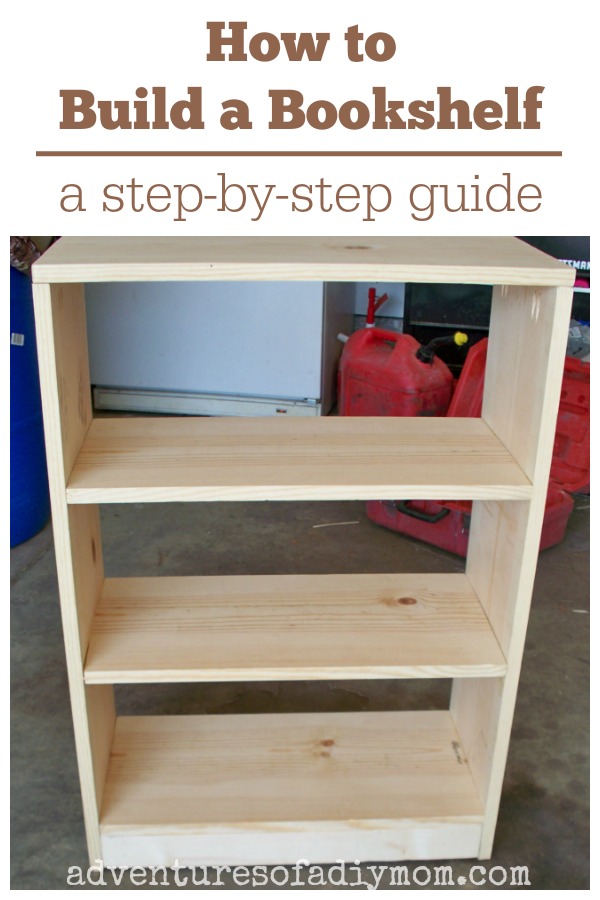
Credit: www.adventuresofadiymom.com
Tips For Stability And Durability
Building a bookshelf is simple, but making it strong takes some care. Stability and durability keep your shelf safe and lasting. Small steps help your bookshelf hold heavy books without wobbling or breaking. Follow these tips for a stable, long-lasting shelf.
Reinforcing Joints
Strong joints hold the shelf parts together tightly. Use wood glue for extra grip on every joint. Add screws or nails to lock the pieces firmly. Corner brackets also help keep joints from moving. Check joints after building and tighten if needed.
Choosing Wall Anchors
Wall anchors stop the shelf from falling forward. Pick anchors based on your wall type—drywall, brick, or concrete. Use heavy-duty anchors for large or heavy shelves. Always fix the shelf to wall studs for best support. Secure anchors well to keep the shelf stable.
Weight Distribution
Evenly spread books and items on the shelf. Place heavier books at the bottom for balance. Avoid overloading one side or shelf level. Use shelf dividers or bookends to keep items upright. Good weight distribution prevents bending and tipping.
Common Mistakes To Avoid
Building a bookshelf can be simple, but mistakes can make it hard. Avoiding common errors saves time and money. It also helps you create a sturdy, neat bookshelf. Here are some mistakes to watch out for.
Incorrect Measurements
Measuring wrong is the top mistake. Even a small error can ruin the whole project. Measure twice and cut once. Use a reliable tape measure and mark clearly. Check your numbers before cutting wood.
Using The Wrong Tools
Using the wrong tools makes the job harder. A dull saw or wrong drill bit causes bad cuts and weak joints. Use tools made for woodworking. Keep them sharp and clean. It makes your work safer and easier.
Skipping Safety Steps
Safety is not optional. Skipping goggles or gloves can cause injury. Always wear safety gear. Work in a clean, well-lit space. Take your time to avoid accidents. Safety first keeps your project fun and stress-free.
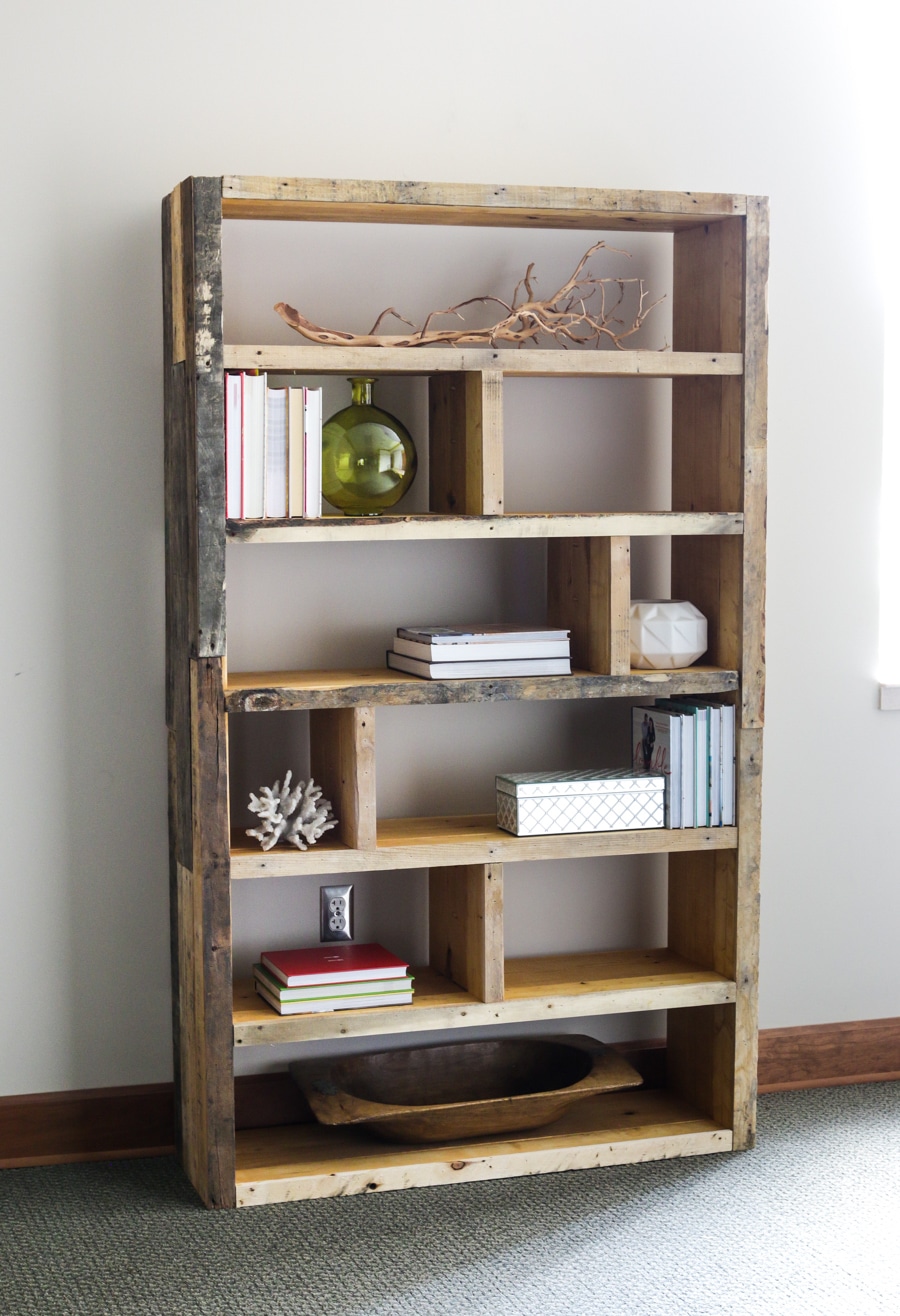
Credit: jenwoodhouse.com
Frequently Asked Questions
How Much Time Does It Take To Build A Bookshelf?
Building a basic bookshelf usually takes 2 to 4 hours. Time depends on design complexity and skill level. Simple projects require less preparation and assembly.
What Tools Are Needed To Build A Bookshelf?
Essential tools include a saw, drill, measuring tape, screwdriver, and level. Additional tools may be needed for complex designs. Proper tools ensure accuracy and safety.
Is Woodworking Experience Necessary For Building A Bookshelf?
Basic woodworking skills help but are not mandatory. Many beginner-friendly plans and tutorials make building accessible. Patience and attention to detail improve results.
What Materials Are Best For Building A Sturdy Bookshelf?
Common materials include pine, plywood, and MDF. Pine is affordable and easy to work with. Plywood offers strength, while MDF provides a smooth finish for painting.
Conclusion
Building a bookshelf is simpler than many think. Basic tools and clear steps make it doable. You can create a useful piece for your home. It takes patience but brings great satisfaction. Each shelf holds your books and memories. Start small, learn as you go, and enjoy the process.
Everyone can build something sturdy and neat. Give it a try and see how easy it can be.