Have you ever dreamed of having a secret passage right in your home? Imagine turning an ordinary bookshelf into a hidden door that leads to a private room or a secret storage space.
Building a hidden door bookshelf is easier than you think, and it can add a unique touch of mystery and style to your space. You’ll discover simple steps and practical tips to create your own hidden door bookshelf. Ready to surprise your friends and make your home truly one of a kind?
Keep reading to find out how you can make this clever project happen.
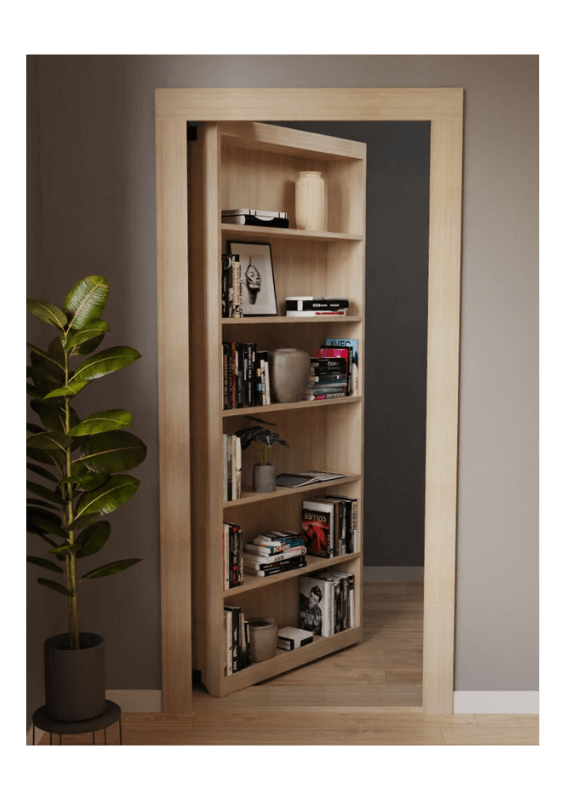
Credit: hiddendoorstore.com
Planning Your Hidden Door Bookshelf
Planning your hidden door bookshelf is the first step toward a clever and useful addition to your home. Careful planning ensures the door fits well and works smoothly. It also helps you avoid costly mistakes and wasted materials.
Start by thinking about the best place for your hidden door bookshelf. Measure the space carefully to ensure the door will fit and open properly. Choose materials and tools that match your skills and design.
Choosing The Location
Pick a spot that blends with your room’s style. The location should allow the door to open without blocking furniture. It must be easy to reach but not too obvious. Walls with extra space or unused corners work well.
Measuring Space And Dimensions
Measure the height, width, and depth of your chosen space. Check for any obstacles like light switches or outlets. Leave extra space for hinges and the door frame. Accurate measurements prevent problems later.
Selecting Materials And Tools
Choose wood or plywood that matches your room’s look. Use strong, durable materials for long-lasting results. Gather basic tools like a saw, drill, screws, and hinges. Select tools that suit your skill level for easier work.
Designing The Bookshelf Door
Designing the bookshelf door is the key step in building a hidden door bookshelf. This design needs to blend the bookshelf with the door frame perfectly. It should look like a regular bookshelf but also open smoothly as a door. Careful planning will help you create a functional and attractive hidden door.
Sketching The Layout
Start by drawing the bookshelf door on paper. Use simple lines to mark where shelves will go. Show the door edges clearly. Include the door frame and how it will fit in the wall. This sketch will guide your building process. Keep the design balanced and neat for a natural look.
Incorporating Concealment Features
Think about how to hide the door edges and hinges. Use flush hinges that sit inside the frame. Paint or stain the door to match surrounding walls and trim. Add shelves that cover the door frame to hide gaps. The goal is to make the door blend in and not stand out.
Deciding On Shelf Configuration
Choose shelf sizes based on what you want to store. Mix tall and short shelves for books and decor. Make sure shelves do not block the door movement. Leave space for the door handle or push latch. The shelf layout should look natural and be useful.
Building The Bookshelf Frame
Building the bookshelf frame is the first important step. This frame will hold the shelves and support the hidden door. A strong frame ensures the door works smoothly and lasts long.
Start by preparing the wood pieces carefully. Precision helps the frame fit well and look neat. Next, assemble the parts step by step. Finally, add extra support to keep everything steady and safe.
Cutting Wood Components
Measure the wood pieces according to your design. Use a saw to cut the wood straight and clean. Cut side panels, top and bottom pieces, and shelves. Label each piece to avoid confusion later.
Assembling The Frame
Arrange the cut pieces on a flat surface. Join the side panels with the top and bottom pieces. Use wood glue and screws for a strong bond. Make sure corners are square and edges align perfectly.
Reinforcing For Stability
Add extra braces inside the frame at key points. This stops the frame from wobbling or bending. Use corner brackets or wooden blocks for support. Tighten all screws and check the frame’s firmness before moving on.
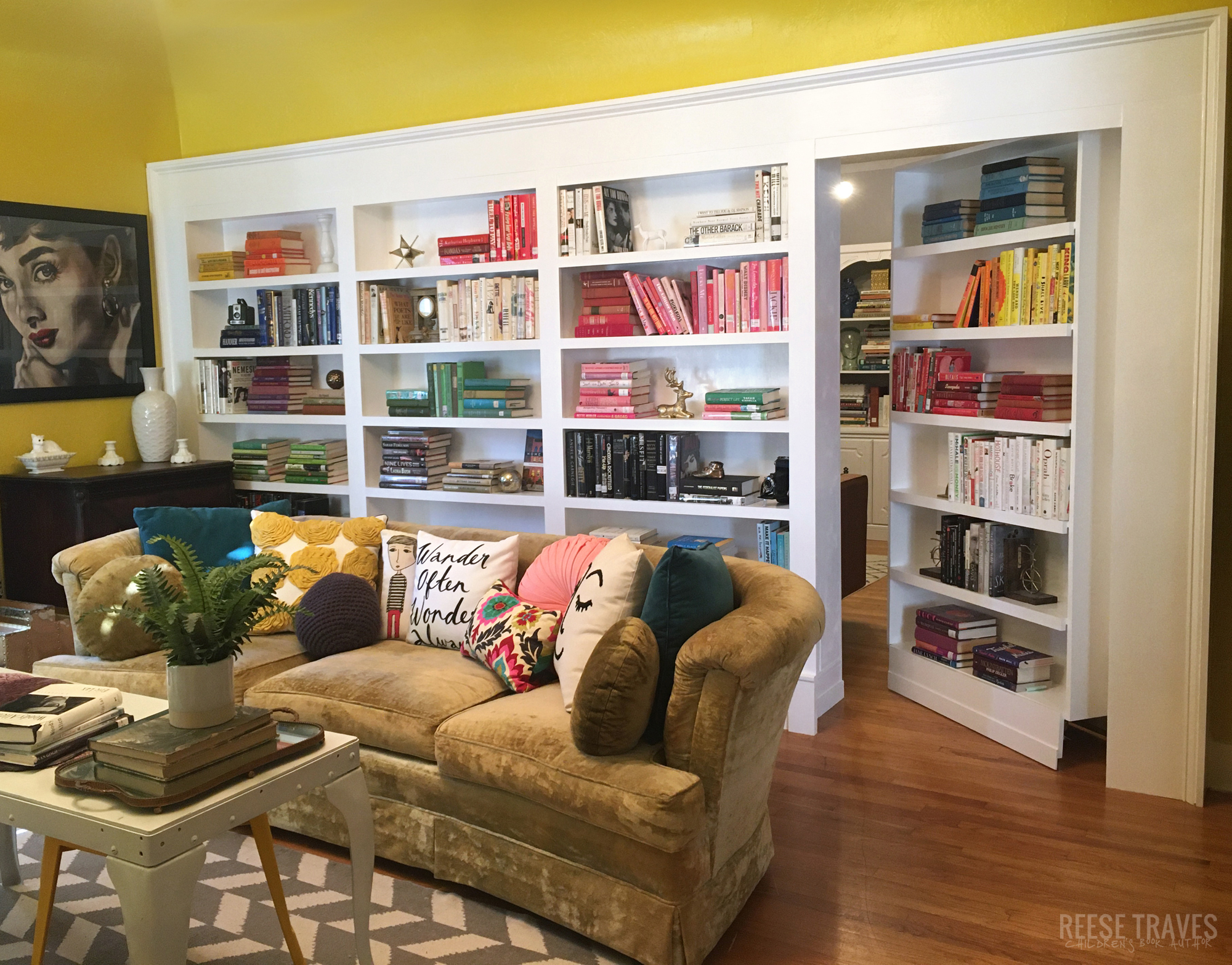
Credit: reesetraves.com
Installing The Door Mechanism
Installing the door mechanism is a key step in building a hidden door bookshelf. This stage ensures the door moves smoothly and stays well-hidden. Proper hardware and precise mounting make the difference between a door that works and one that sticks. Follow clear steps to install the mechanism correctly.
Choosing Hinges And Hardware
Select hinges that support the door’s weight. Heavy-duty concealed hinges are best. They hide the door’s edge and keep the look clean. Choose hardware made of strong metal for durability. Check the size matches your door frame. The right hinges make the door easier to open and close.
Mounting The Door Frame
Attach the door frame securely to the bookshelf. Use a level to keep everything straight. Screw the hinges firmly into the frame and door. Make sure the frame fits tightly without gaps. Proper mounting keeps the door stable and hidden. Take time to align the frame perfectly.
Ensuring Smooth Operation
Test the door by opening and closing it slowly. Adjust hinges if the door sticks or rubs. Lubricate moving parts with a light oil or wax. Check for any resistance or noise during movement. Smooth operation keeps the door functional and secret. Repeat tests until the door moves effortlessly.
Finishing Touches
Finishing touches give your hidden door bookshelf a polished look. They make the door blend with the room. These final steps also protect the wood and add function.
Sanding And Painting
Start by sanding all surfaces smooth. Sanding removes rough spots and splinters. Use fine-grit sandpaper for the best finish. Wipe away dust with a clean cloth. Choose paint or stain that matches your room. Apply thin, even coats for a smooth look. Let each coat dry before adding the next. Paint helps hide the door edges well.
Adding Shelves And Backing
Install shelves inside the bookshelf frame. Measure carefully for even spacing. Secure shelves with strong brackets or screws. Add a backing panel to hide the wall. The backing strengthens the door and hides gaps. Paint or stain the backing to match the shelves. This step makes the door look like a real bookshelf.
Decorating For Concealment
Place books and decorations on the shelves. Use a mix of book sizes for a natural look. Add small plants or picture frames to break uniformity. Avoid empty spaces that draw attention. Keep the decorations simple and neat. This helps the door blend into your room’s design. The goal: make the bookshelf look ordinary.

Credit: www.reddit.com
Frequently Asked Questions
How Do I Start Building A Hidden Door Bookshelf?
Begin by planning the design and measuring your space. Gather materials like plywood, hinges, and a strong frame. Create a sturdy bookshelf that fits over the doorway. Ensure the door mechanism is smooth and secure for easy access.
What Tools Are Needed For Building A Hidden Door Bookshelf?
You’ll need a drill, saw, level, measuring tape, screwdriver, and clamps. These tools help cut, assemble, and install the bookshelf door accurately. Having the right tools ensures a professional and safe build.
How Do I Install The Hidden Door Mechanism Properly?
Use strong hinges and a pivot system for smooth movement. Align the door frame perfectly with the surrounding walls. Test the door multiple times to ensure it opens and closes without sticking or noise.
Can A Hidden Door Bookshelf Support Heavy Books?
Yes, if built with sturdy materials and reinforced shelves. Use thick plywood and add extra support brackets. Proper construction ensures it holds weight safely without warping or damage.
Conclusion
Building a hidden door bookshelf adds charm to any room. It takes patience, basic tools, and careful planning. Step-by-step, you create a secret space that blends with your decor. This project makes your home unique and practical. Enjoy the sense of mystery and fun it brings.
Try it yourself and see how rewarding the process can be. A hidden door bookshelf is both useful and stylish. Start small, follow instructions, and watch your idea come alive.