Are you wondering how loud your subwoofer should be when paired with bookshelf speakers? Getting the right volume balance can completely change your listening experience.
Too much bass can overwhelm the sound, while too little leaves your music feeling flat. You’ll discover simple tips to find the perfect subwoofer level that matches your bookshelf speakers. Keep reading, and you’ll learn how to enjoy richer, fuller sound without any guesswork.
Role Of Subwoofer With Bookshelf Speakers
Bookshelf speakers handle midrange and high frequencies well. But they often lack deep bass tones. A subwoofer adds those low frequencies. It fills the gap that bookshelf speakers leave.
This pairing creates a fuller sound experience. The subwoofer handles bass sounds, letting bookshelf speakers focus on clarity. Together, they deliver balanced and rich audio.
How Subwoofers Complement Bookshelf Speakers
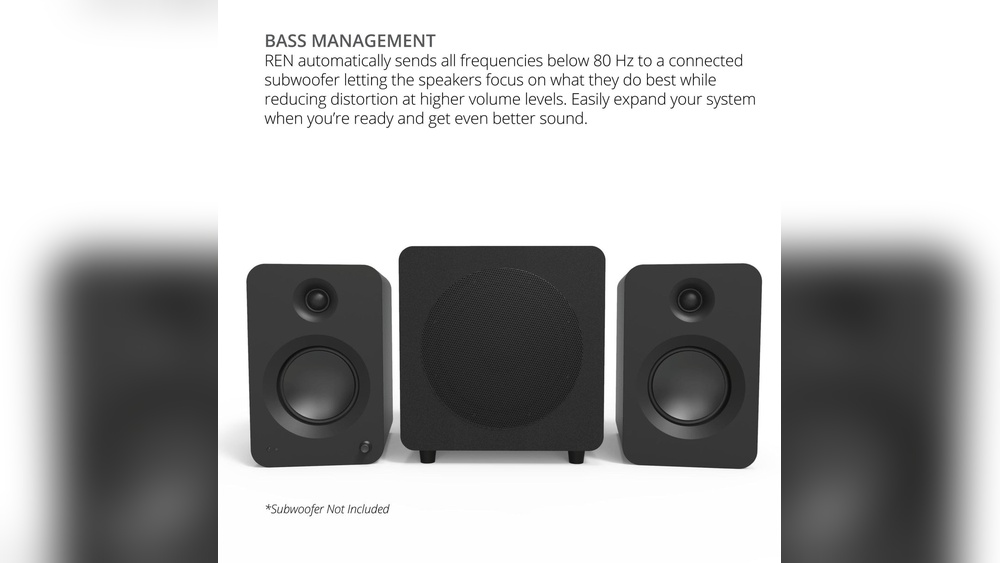
Bookshelf speakers cannot produce very low bass. Subwoofers are designed to handle these deep sounds. They take over bass frequencies below 80 Hz. This reduces strain on bookshelf speakers.
The subwoofer and bookshelf speakers work as a team. The subwoofer plays the bass, while the bookshelf speakers handle mids and highs. This improves sound clarity and detail across all ranges.
Benefits Of Adding A Subwoofer
Adding a subwoofer enhances overall sound quality. It provides richer bass and more depth to music and movies. The listening experience becomes more immersive and powerful.
A subwoofer also helps reduce distortion. Bookshelf speakers play clearer sound without trying to produce low bass. This makes the entire sound system perform better and last longer.

Credit: www.amazon.com
Setting The Subwoofer Volume
Setting the subwoofer volume is key to great sound with bookshelf speakers. The right volume makes music and movies feel full and rich. Too loud or too soft can spoil the experience. Finding the perfect balance takes some care and listening.
Finding The Right Volume Level
Start with the subwoofer volume low. Play music or a movie scene with deep bass. Slowly raise the volume until the bass blends well with the bookshelf speakers. The bass should add depth, not overpower the sound. Listen for clear, tight bass that fills the room without booming.
Test different types of sounds. Bass in music, movie effects, and voices all help you hear if the volume fits. Adjust until the bass feels natural and smooth with other sounds. The goal is a balanced and pleasant listening experience.
Avoiding Common Volume Mistakes
Don’t set the subwoofer too loud. It can drown out mids and highs from bookshelf speakers. Bass should support, not cover other sounds. Avoid turning the subwoofer volume to maximum. It often causes distortion and muddiness.
Don’t keep the subwoofer too quiet either. Weak bass makes the sound flat and lifeless. Avoid guessing volume settings. Use your ears to guide adjustments. Small changes make a big difference. Take time to find the right level for your room and setup.
Balancing Bass With Speaker Output
Balancing bass with your bookshelf speakers is key for clear sound. The subwoofer adds low frequencies, but too much bass can overpower the speakers. Setting the right volume for the sub helps create a smooth, natural sound. This balance gives you deep bass without losing detail in other sounds.
Matching Subwoofer And Speaker Loudness
Start by playing familiar music or a test tone. Adjust the subwoofer volume so its bass level matches your bookshelf speakers. The goal is for the bass to blend, not stand out. Too loud, and the bass feels boomy. Too soft, and it feels weak or missing.
Use your ears to find a comfortable balance. The bass should support but not cover the mids and highs. This creates a full sound that works well for all music types.
Using Crossover Settings Effectively
The crossover divides sound between the subwoofer and speakers. Set it to the right frequency for your bookshelf speakers. Usually, this is between 80 and 120 Hz. This range lets the sub handle deep bass while the speakers manage midrange sounds.
Adjust the crossover to avoid overlap or gaps in sound. A proper crossover setting improves clarity and prevents distortion. Test different settings and pick the one that sounds best in your room.
Room Acoustics And Placement Effects
Room acoustics and speaker placement greatly affect sound quality. The way sound waves move in your room changes how you hear bass. Subwoofer volume settings depend on these factors. Understanding room size, shape, and subwoofer location helps create balanced sound. This section explains their effects on your subwoofer and bookshelf speakers.
Impact Of Room Size And Shape
Small rooms can make bass sound louder or boomy. Large rooms may need more subwoofer power for clear bass. Odd-shaped rooms cause sound waves to bounce in strange ways. Corners often boost bass but may cause uneven sound. Flat walls reflect bass waves, affecting volume balance. Knowing your room’s size and shape helps set the right sub volume.
Optimizing Subwoofer Placement
Place the subwoofer near a wall or corner for stronger bass. Avoid putting it in the middle of the room, where bass fades. Move the subwoofer around to find the spot with smooth bass. Use the “subwoofer crawl” method: play bass, move around the room, and listen. Adjust volume after placement to match bookshelf speakers. Proper placement reduces echo and improves bass clarity.
Calibration Tools And Techniques
Setting the right volume for your subwoofer alongside bookshelf speakers needs careful tuning. Calibration tools and techniques help balance sound levels. They ensure the bass does not overpower or get lost. Proper calibration improves your listening experience.
Using Spl Meters
Sound Pressure Level (SPL) meters measure the loudness in decibels. Place the meter at your listening spot. Play a test tone from your subwoofer. Adjust the subwoofer volume until the SPL matches the bookshelf speakers. This method helps balance the sound output accurately.
Leveraging Room Correction Software
Room correction software analyzes your room’s acoustics. It uses a microphone to measure sound at different points. The software then adjusts the subwoofer and speakers automatically. This process reduces echo and bass buildup. It creates a smooth and even sound across the room.

Credit: www.liberia.ubuy.com
Listening Tests For Perfect Balance
Finding the right volume for your subwoofer alongside bookshelf speakers requires careful listening. The goal is a smooth blend where bass supports the mids and highs without overpowering them. Listening tests help you hear how well your sub and speakers work together in your room.
These tests reveal the best volume setting for clear, balanced sound. You can adjust and compare different levels to find what sounds natural and enjoyable. This process makes your audio experience more satisfying.
Choosing Test Tracks
Pick songs with clear bass and midrange details. Music with drums, bass guitar, and vocals works well. Try different genres like jazz, rock, or pop. This variety shows how the sub handles various sounds. Choose tracks you know well to spot changes easily.
Adjusting For Personal Preference
Start with the sub volume low and raise it slowly. Listen carefully to how bass mixes with the speakers. Stop increasing when bass feels full but not too loud. Everyone’s taste differs, so trust your ears. Make small adjustments until the sound feels right to you.
Troubleshooting Common Issues
Troubleshooting common issues with subwoofer volume and bookshelf speakers helps improve sound quality. Many users face problems like too much bass or uneven bass response. These problems affect listening pleasure and speaker performance. Fixing these issues ensures balanced and clear audio. Below are tips to solve the most frequent problems.
Dealing With Overpowering Bass
Overpowering bass can drown out other sounds. It makes music or movies sound muddy. Lower the subwoofer volume gradually to balance bass with bookshelf speakers. Use the crossover setting to limit low frequencies the sub plays. Place the subwoofer farther from the main listening area. This reduces strong bass peaks. Adjust the phase switch to blend sub bass smoothly with speakers. Small changes can bring big improvements.
Fixing Bass Gaps And Localization
Bass gaps create weak sound in some frequencies. This happens when the subwoofer and speakers don’t match well. Raise the subwoofer volume slightly to fill these gaps. Check speaker placement to avoid bass canceling. Bass localization occurs when you hear bass coming from the sub, not the whole system. Move the sub closer to the main speakers. Use a sound calibration tool if possible. Proper tuning hides the sub’s location and creates fuller sound.

Credit: www.kbaudio.co.uk
Frequently Asked Questions
What Volume Level Suits A Subwoofer With Bookshelf Speakers?
Set the subwoofer volume to blend naturally with your bookshelf speakers. Start low, then adjust until bass sounds balanced, not overpowering. Aim for smooth, tight bass that complements mids and highs without distortion or boominess.
How To Balance Subwoofer Volume With Bookshelf Speakers?
Use a sound meter or your ears to match subwoofer volume with bookshelf speakers. Play familiar music and adjust sub level until bass feels full but not overwhelming. Proper balance improves overall sound clarity and listening comfort.
Should Subwoofer Volume Be Higher Than Bookshelf Speakers?
No, subwoofer volume should not exceed bookshelf speakers. It should support and enhance the sound without dominating. Excessive sub volume causes muddy bass and reduces audio quality. Keep the subwoofer slightly lower or equal in volume for best results.
Can Incorrect Subwoofer Volume Damage Bookshelf Speakers?
Yes, too high subwoofer volume can cause distortion and stress bookshelf speakers. This may reduce speaker lifespan and degrade sound quality. Always keep subwoofer volume balanced to protect your speakers and enjoy clear, dynamic audio.
Conclusion
Setting the right volume for your sub with bookshelf speakers matters. It helps balance sound and avoids overpowering bass. Start low and adjust until the sound feels natural. Listen for clear dialogue and rich music tones. Trust your ears more than numbers or settings.
Your room size and speaker placement also affect volume choice. Small changes can make a big difference. Enjoy a fuller, more enjoyable listening experience every time.
