Your toddler climbing out of bed can feel like a sudden challenge you weren’t ready for. You want your little one to sleep safely, but they keep finding ways to escape.
What should you do when this happens? You’re not alone, and there are simple, effective steps you can take to keep your child safe and help them stay in bed. Keep reading to discover practical tips that work, so you can enjoy more peaceful nights and worry less.
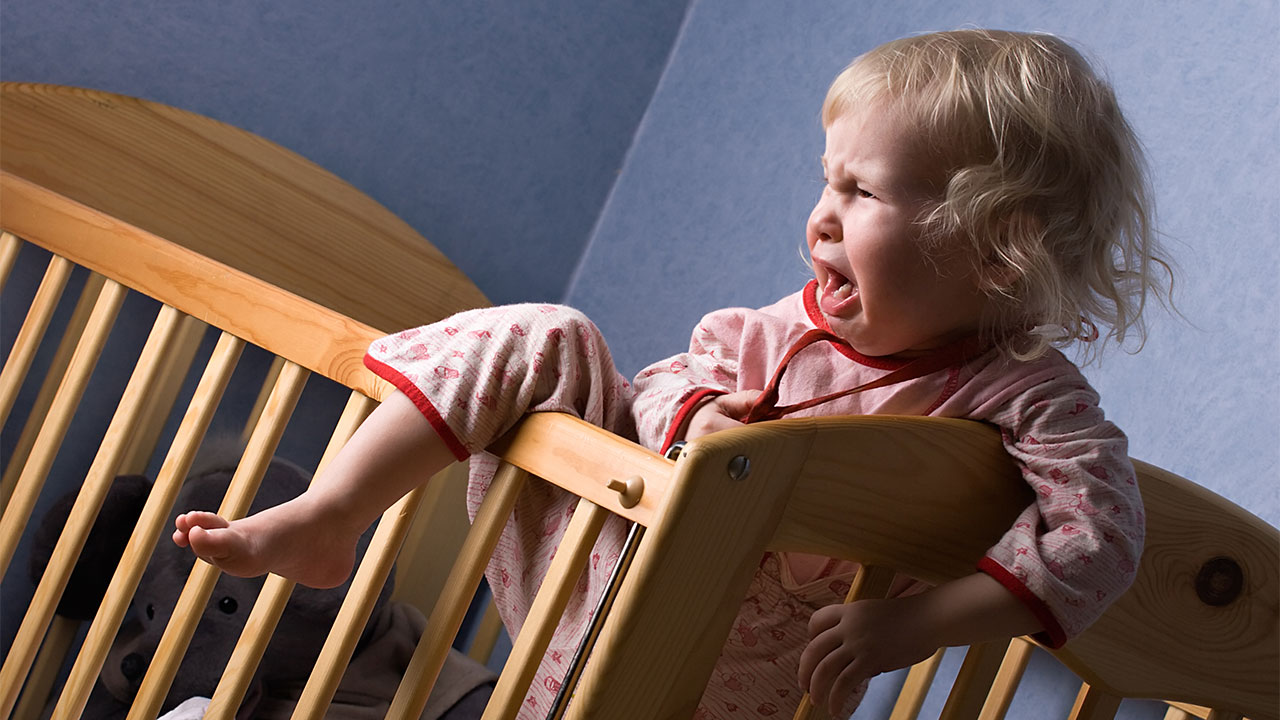
Credit: raisingchildren.net.au
Reasons Toddlers Climb Out
Toddlers climbing out of bed is a common challenge for many parents. Understanding why toddlers do this helps in handling the situation better. Several reasons make toddlers want to leave their beds at night. These reasons often relate to their growth, feelings, or needs.
Developmental Milestones
Toddlers learn new skills fast. Climbing out of bed shows physical progress. They test their strength and balance. This behavior reflects their growing independence. Exploring their environment feels exciting and natural.
Seeking Attention
Toddlers crave attention from parents. Climbing out of bed may be a way to get noticed. They might want comfort, play, or talk. This action often happens after a long day. It signals a need for connection and care.
Discomfort Or Fear
Sometimes toddlers feel uneasy in bed. They might be scared of the dark or noises. Physical discomfort like teething or illness can bother them. Leaving the bed offers a sense of relief. It helps them feel safer and more calm.
Assessing The Sleep Environment
Assessing your toddler’s sleep environment is key to keeping them safe and comfortable. A safe space helps reduce risks and eases your worries. Check the bed, room, and layout carefully. Small changes can make a big difference.
Choosing The Right Bed
Pick a bed made for toddlers. It should be low to the ground. This helps reduce injury if your child climbs out. Beds with guardrails stop falls while still letting your child move freely. A firm mattress supports good sleep and safety. Avoid beds with sharp edges or loose parts.
Room Safety Measures
Clear the floor around the bed of toys or objects. These can cause trips or falls. Cover electrical outlets and secure cords out of reach. Use window guards or locks to prevent falls. Keep furniture away from windows to stop climbing. Soft rugs near the bed cushion any falls.
Bed Placement Tips
Place the bed away from doors to avoid slamming. Keep it near a wall for extra support. Avoid placing the bed under windows or shelves. This lowers the risk of accidents from falling objects. Make sure the path to the door is clear and easy to find in the dark.
Establishing A Consistent Routine
Establishing a consistent routine helps toddlers feel safe and know what to expect. It can reduce their urge to climb out of bed. A steady routine calms their mind and body, making sleep easier.
Routines build good habits. Toddlers learn when it is time to sleep. This lowers stress for both parents and children.
Bedtime Rituals
Bedtime rituals make sleep time special and calm. Simple steps like brushing teeth and reading a story work well. These actions signal the brain that it is time to rest.
Keep rituals short and sweet. Doing the same things in the same order helps toddlers relax. Avoid exciting activities right before bed.
Calming Activities
Calming activities reduce energy and help toddlers settle down. Gentle rocking, soft music, or deep breathing are good choices. Quiet time before bed prepares the body for sleep.
Avoid screens and loud noises. These can make toddlers restless. Calm activities create a peaceful mood that supports falling asleep.
Consistent Sleep Schedule
Set a regular bedtime and wake-up time for your toddler. Consistency helps their internal clock work properly. A steady schedule reduces night waking and bed climbing.
Stick to the schedule every day, even on weekends. This routine trains the body to expect sleep at certain times. Toddlers feel more secure with routine sleep patterns.
Setting Clear Boundaries
Setting clear boundaries helps toddlers understand bedtime limits. It creates a safe and calm space for sleep. Boundaries teach your child what is okay and what is not. This reduces stress for both parents and toddlers.
Clear rules make it easier for toddlers to follow bedtime routines. Consistency is key to helping them feel secure. Toddlers thrive when they know what to expect each night.
Simple Rules For Toddlers
Start with easy rules your toddler can understand. For example, “Stay in bed” or “Sleep until morning.” Use short sentences and repeat these rules often. Keep rules few to avoid confusion. Use a gentle but firm tone to explain them.
Using Positive Reinforcement
Praise your toddler when they follow bedtime rules. Say things like, “Great job staying in bed!” This encourages good behavior without punishment. Small rewards, such as stickers or extra storytime, work well. Positive words build your toddler’s confidence and willingness to listen.
Handling Nighttime Wandering
If your toddler leaves the bed, gently guide them back. Avoid long talks or showing frustration. Keep the interaction quiet and calm. Use a soft voice and simple words like, “Back to bed now.” Repeat this every time to build a habit. Nighttime wandering will decrease with patience and consistency.
Using Safety Tools
Using safety tools helps keep toddlers safe if they climb out of bed. These tools create barriers that stop falls and wandering. They give parents peace of mind and protect little ones during sleep time.
Bed Rails And Guards
Bed rails and guards attach to the sides of a bed. They stop toddlers from rolling or climbing out. Soft padded rails prevent bumps and bruises. Choose rails that fit the bed securely and are easy to remove for cleaning.
Door Alarms And Monitors
Door alarms alert parents if toddlers leave their rooms. These alarms make gentle sounds or vibrations. Some connect to phones for remote alerts. Monitors with video or sound help watch toddlers from another room. They add an extra layer of safety during bedtime.
Safety Gates
Safety gates block stairs or doorways. They keep toddlers inside safe areas. Use gates at the top and bottom of stairs. Choose gates that are easy for adults to open but hard for toddlers. Gates reduce the risk of falls and wandering at night.

Credit: sleepingchildsaneparent.com
Behavioral Techniques
Behavioral techniques help guide toddlers to stay in bed safely. These methods teach children what is expected without harshness. Patience and consistency make these techniques work well. Each approach focuses on positive habits and clear boundaries. They reduce stress for both parents and toddlers. Here are some effective strategies to try.
Gentle Redirection
Gently guide your toddler back to bed each time they climb out. Use a calm voice and soft touch to comfort them. Avoid raising your voice or showing frustration. Offer a quiet activity like reading a book in bed. This helps them feel safe and relaxed. Repeat this calmly every time they get up. Over time, they learn to stay in bed.
Reward Systems
Use small rewards to encourage staying in bed all night. Stickers, extra story time, or a favorite toy work well. Set clear goals, like staying in bed until morning. Praise your child for meeting these goals. Keep rewards simple and consistent. This positive feedback motivates toddlers to follow the rules. Rewards build good habits with gentle encouragement.
Consistent Responses
Always respond the same way when your toddler climbs out of bed. Consistency helps toddlers understand the rules clearly. Avoid giving in or changing the response each time. Set firm but kind limits and follow through. This creates a predictable routine that toddlers can trust. Consistent actions teach children what is expected. It helps them feel secure and behave better.
When To Seek Professional Help
Knowing when to seek professional help is important if your toddler keeps climbing out of bed. Sometimes, the problem might be more than just restlessness or curiosity. A professional can find hidden issues and guide you toward the right solutions. This section explains key signs and experts who can help.
Identifying Sleep Disorders
Sleep disorders can cause children to wake and move around at night. Signs include loud snoring, long pauses in breathing, or extreme tiredness during the day. Frequent night waking or difficulty falling asleep may also be red flags. Noticing these signs helps decide if your child needs expert care.
Consulting Pediatricians
Pediatricians understand children’s health and sleep patterns well. They can check for medical problems that affect sleep. A visit helps rule out issues like allergies, asthma, or behavioral concerns. Pediatricians can also give advice on improving sleep routines and safety.
Sleep Specialist Options
Sleep specialists focus on diagnosing and treating sleep problems. They use tests to study sleep quality and behavior during the night. These experts can help if your toddler’s sleep troubles continue despite other efforts. Specialists often work with parents to create a tailored sleep plan.

Credit: www.beaconfidentparent.com
Frequently Asked Questions
Why Does My Toddler Climb Out Of Bed?
Toddlers climb out of bed due to curiosity, boredom, or discomfort. It’s a natural part of their development as they explore independence and test boundaries.
How Can I Keep My Toddler Safe When Climbing Out?
Use safety gates, remove sharp objects, and place a soft rug near the bed. Ensure the room is childproofed to prevent injuries during climbing attempts.
Should I Use A Toddler Bed Or Crib To Prevent Climbing?
Toddler beds can encourage climbing, while cribs with high rails reduce escape attempts. Choose based on your child’s age and climbing behavior for better safety.
How Do I Set Boundaries For My Toddler’s Bedtime?
Establish a consistent bedtime routine and calmly return your toddler to bed if they climb out. Positive reinforcement helps teach limits and encourages better sleep habits.
Conclusion
Toddlers climbing out of bed is a common challenge. Stay calm and patient while setting clear rules. Make the room safe to prevent injuries during escapes. Use consistent bedtime routines to help your child feel secure. Praise good behavior when they stay in bed all night.
Remember, this phase will pass with time and care. Small changes can bring big improvements in sleep habits. Keep trying different strategies until you find what works best. Your child’s safety and comfort come first always.