Have you ever noticed your bookshelf sagging in the middle and wondered just how much it’s bending under the weight? Understanding the vertical deflection of your bookshelf is key to keeping it sturdy and safe.
You’ll discover simple ways to find out exactly how much your bookshelf is bending. Knowing this helps you prevent damage and ensures your books stay perfectly supported. Keep reading to learn practical steps that anyone can follow to measure and manage bookshelf deflection with confidence.
Basics Of Vertical Deflection
Vertical deflection is a key concept in understanding how bookshelves hold weight. It shows how much a shelf bends or sags under load. Measuring this deflection helps to design shelves that stay strong and safe.
Knowing the basics of vertical deflection helps avoid weak or wobbly shelves. It ensures shelves support books without damage or risk. This knowledge is important for both DIY projects and professional designs.
What Is Vertical Deflection?
Vertical deflection means the downward bending of a shelf due to weight. The more weight on the shelf, the greater the deflection. It is measured as the distance the shelf moves down from its original position.
This bending happens because materials are not perfectly stiff. All materials flex a little under load. Vertical deflection shows how much the shelf bends before it breaks or deforms permanently.
Importance In Bookshelf Design
Vertical deflection affects shelf safety and durability. Excessive bending can cause shelves to break or books to fall. Designers use deflection limits to choose strong materials and proper thickness.
Controlling deflection makes shelves look straight and neat. It also protects walls and furniture from damage. Good design balances style, strength, and cost by managing vertical deflection.
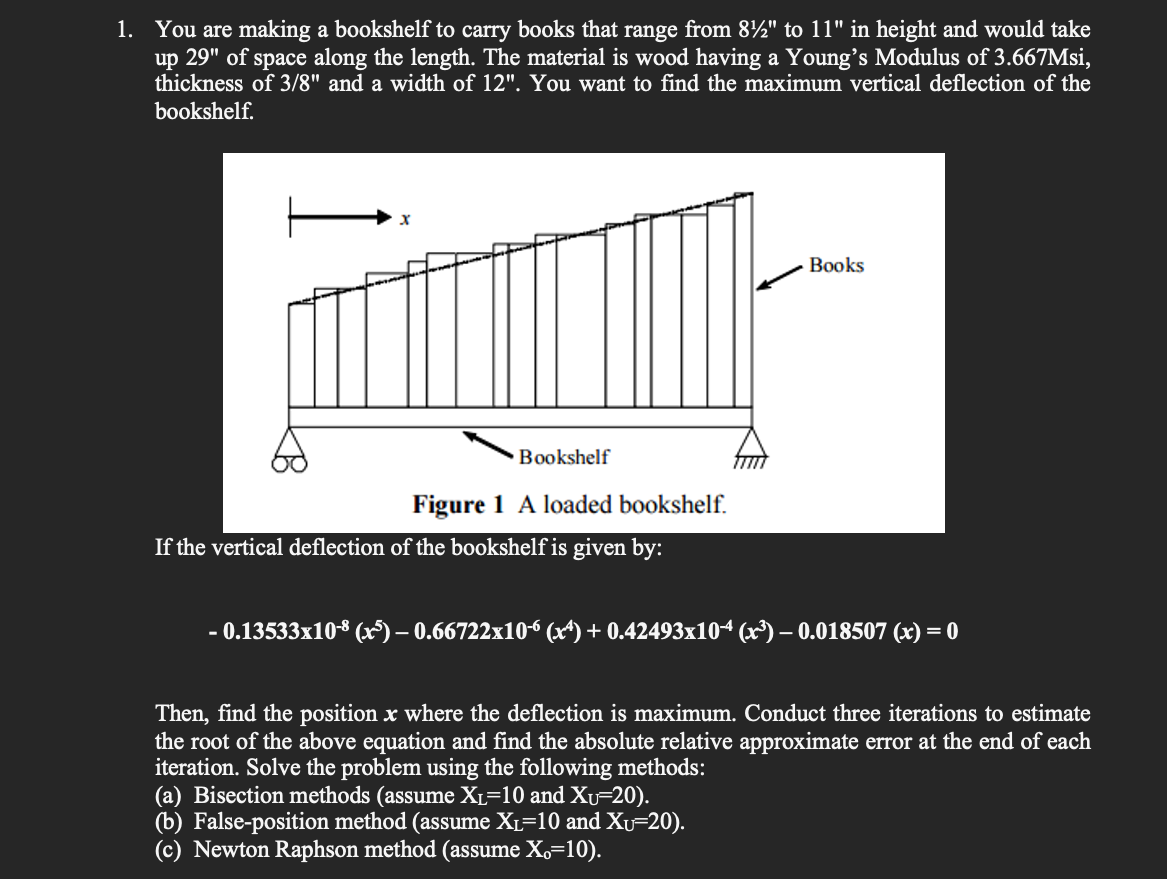
Credit: www.chegg.com
Materials And Tools Needed
To find the vertical deflection of a bookshelf, you need the right materials and tools. These help measure how much the shelf bends under weight. Using proper tools ensures accurate and safe results. This section lists common materials and essential tools for this task.
Common Materials For Bookshelves
Wood is the most popular material for bookshelves. It is strong and easy to work with. Plywood is a good choice for budget shelves. Metal shelves offer more strength and less deflection. Particleboard is cheaper but bends more under weight. Choose materials based on the load the shelf will hold.
Essential Tools For Measurement
A tape measure helps check the shelf length and height. A level ensures the shelf is straight before testing. A ruler or straight edge is useful for marking points. A dial gauge or deflection gauge measures the vertical bend precisely. A weight or load simulates the books on the shelf. These tools make measuring deflection clear and simple.
Preparing The Bookshelf For Measurement
Preparing the bookshelf for vertical deflection measurement is crucial. This step ensures accurate and reliable results. Proper preparation helps avoid errors and false readings.
Before measuring, the shelf must be ready. This includes removing all items and checking the support structure. These actions create a stable base for the measurement process.
Clearing The Shelf
Remove all books and objects from the shelf. Even small items can affect the shelf’s bending. A clear surface shows the true deflection without extra weight.
Dust and clean the shelf surface. Dirt can hide cracks or bends. A clean shelf is easier to inspect and measure.
Ensuring Proper Support
Check if the bookshelf stands on a flat, solid floor. Uneven floors can cause false deflection readings. Level the bookshelf using shims if needed.
Make sure the shelf is firmly attached to the frame. Loose connections cause movement and inaccurate measurements. Tighten screws or brackets before measuring.
Measuring Vertical Deflection
To find the vertical deflection of a bookshelf, measure how much the shelf bends under weight. Place a ruler at the center and note the distance it moves downward. This simple step shows the shelf’s strength and stability.
Marking Reference Points
Start by marking clear reference points on the bookshelf. These points help track how much the shelf bends. Place marks at equal spaces along the shelf’s edge. Use a pencil or tape for visible marks. Ensure the marks do not move during testing. These reference points serve as fixed spots to measure deflection accurately.
Using A Dial Gauge Or Ruler
Measure the vertical deflection at each reference point. A dial gauge offers precise readings of small movements. Place the gauge’s tip on the shelf surface at the mark. Record the initial reading before applying any load. If a dial gauge is unavailable, use a ruler for a rough estimate. Measure the distance from a fixed base to the shelf’s surface. Compare measurements before and after loading to find deflection.
Applying Load To The Shelf
Apply a known load on the bookshelf to test its strength. Use weights or objects evenly spread across the shelf. Avoid placing all weight in one spot to prevent damage. Keep the load constant during measurement for accuracy. Observe how much the shelf bends under this weight. Note the deflection values from your measuring tool. This data helps in understanding shelf stability and safety.
Calculating Deflection
Calculating the vertical deflection of a bookshelf helps ensure it holds weight safely. This process measures how much the shelf bends under load. Understanding this value prevents damage and accidents. The calculation involves recording positions and applying simple formulas.
Recording Initial And Loaded Positions
First, measure the shelf’s position without any load. Mark a point on the shelf’s surface. Note this initial position carefully. Next, place the load evenly on the shelf. Measure the new position at the same marked point. The difference between these two measurements is the deflection.
Using Formulas For Deflection
Deflection can be calculated using basic beam formulas. Commonly, the formula depends on load type and shelf support. For a simply supported shelf, use:
Deflection (δ) = (Load × Length³) / (48 × Elastic Modulus × Moment of Inertia).
This formula needs values for load, shelf length, material stiffness, and shape.
Interpreting Results
Compare the calculated deflection to acceptable limits. Small deflections mean the shelf is strong enough. Large deflections suggest the shelf may bend too much. In such cases, reinforce or reduce the load. Proper interpretation keeps your bookshelf safe and functional.
Common Causes Of Excess Deflection
Excess vertical deflection in bookshelves causes sagging and instability. It happens when the shelf bends more than it should under weight. Several common problems lead to this issue. Understanding these causes helps prevent damage and keeps shelves strong.
Material Weakness
Weak materials bend easily under pressure. Cheap wood or particleboard often lacks strength. Over time, this causes the shelf to sag. Moisture can also weaken materials and reduce support.
Improper Shelf Support
Poor shelf support leads to uneven weight distribution. Thin brackets or missing supports cause extra stress. Shelves without enough support in the middle bend faster. Properly spaced supports keep shelves firm and stable.
Overloading
Heavy loads put strain on shelves. Books and items beyond the weight limit cause bending. Even strong shelves fail if overloaded. Balance the load to avoid excess deflection and damage.
Tips To Minimize Vertical Deflection
Vertical deflection causes shelves to bend or sag under weight. Preventing this helps keep bookshelves sturdy and safe. Use smart methods to reduce bending and increase shelf life.
Small changes make a big difference. Focus on materials, support, and load placement for best results.
Selecting Stronger Materials
Choose wood or metal that resists bending. Hardwoods like oak or maple work well. Metal shelves hold heavy loads without sagging. Avoid soft or thin materials that bend easily.
Adding Support Brackets
Brackets boost shelf strength by supporting weight. Place brackets under the shelf at regular intervals. More brackets reduce bending. Use strong brackets made of metal or thick wood for better support.
Distributing Load Evenly
Spread books and items evenly across the shelf. Avoid heavy piles in one spot. Even weight lowers pressure on one area. This prevents sagging and extends shelf life.
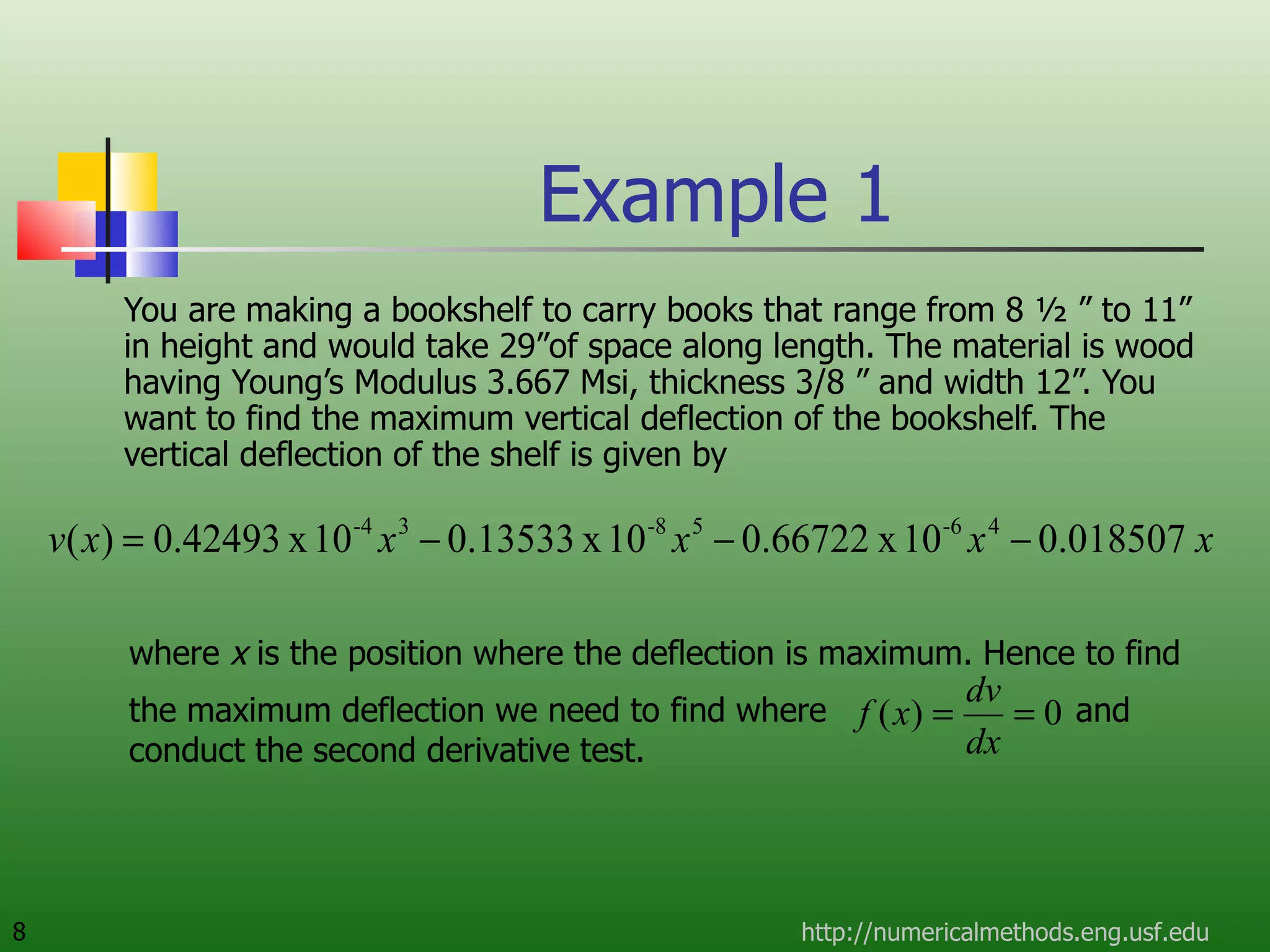
Credit: www.slideshare.net
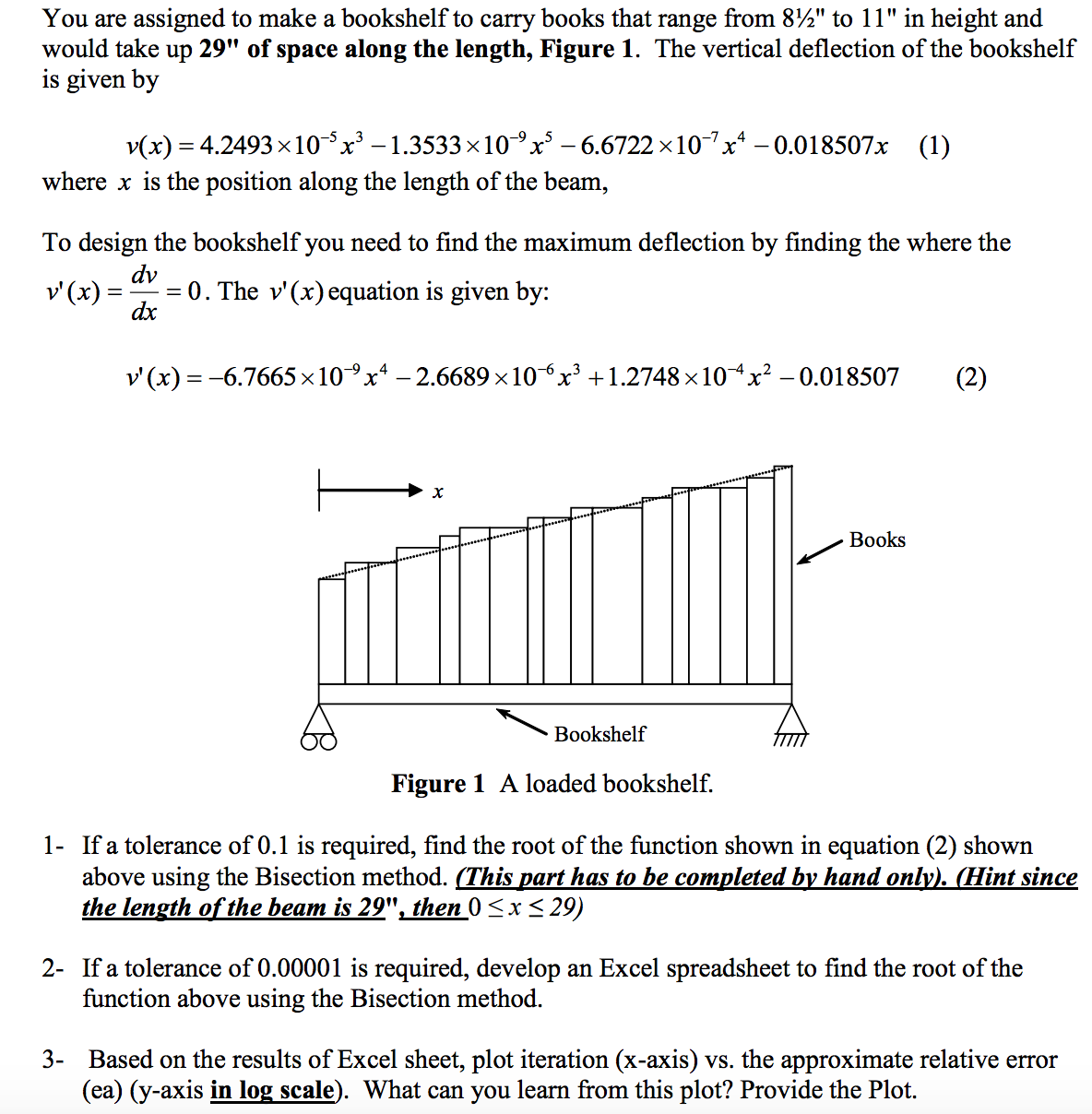
Credit: www.chegg.com
Frequently Asked Questions
What Is Vertical Deflection In A Bookshelf?
Vertical deflection is the downward bending of a bookshelf under load. It shows how much the shelf sags when weight is applied, affecting stability and appearance.
How Do You Measure Bookshelf Vertical Deflection?
Measure vertical deflection by placing a load on the shelf and using a ruler or dial gauge to record the maximum downward displacement at the center.
Why Is Calculating Bookshelf Deflection Important?
Calculating deflection ensures the shelf can safely hold weight without damage. It prevents sagging, maintains durability, and improves user safety.
What Factors Affect Vertical Deflection Of A Bookshelf?
Material type, shelf thickness, length, and load weight affect vertical deflection. Stronger materials and shorter spans reduce deflection.
Conclusion
Finding the vertical deflection of a bookshelf helps keep it strong and safe. You measure how much the shelf bends under weight. This simple check prevents damage and keeps books secure. Knowing the deflection helps you choose the right materials.
It also guides you in building better shelves. Use basic tools and easy math for quick results. Keep your bookshelf steady and lasting longer with this knowledge. Small steps make a big difference in home safety.