Are you ready to create a beautiful bookshelf speaker that stands out in your room? Building a cherry wood cabinet for your speakers is a perfect way to combine great sound with stunning style.
Imagine the rich, warm tones of cherry wood enhancing your music while adding a touch of elegance to your space. In this guide, you’ll discover simple steps to craft your own cherry cabinet, even if you’re new to woodworking. By the end, you’ll have the skills and confidence to build a speaker that not only sounds amazing but looks incredible too.
Keep reading, and let’s make your bookshelf speaker truly one of a kind.

Credit: www.aperionaudio.com
Choosing Cherry Wood
Choosing the right wood is key for a beautiful bookshelf speaker cabinet. Cherry wood stands out for its rich color and smooth finish. It also offers strength and good sound qualities. Picking the best cherry wood helps create a lasting and attractive speaker box.
Benefits Of Cherry Wood
Cherry wood has a warm, reddish-brown color that deepens with age. It is strong yet easy to work with. The wood’s fine grain gives a smooth surface perfect for painting or staining. Cherry also absorbs sound well, which improves speaker quality. These features make cherry a top choice for speaker cabinets.
Selecting Quality Boards
Choose boards with consistent color and tight grain. Avoid wood with cracks, knots, or warping. Look for smooth, flat boards without rough patches. Dry wood is best to prevent shrinking or warping later. Quality boards make building easier and ensure durability.
Preparing The Wood
Start by sanding the boards with fine-grit sandpaper. This removes rough spots and opens the grain for better finishing. Cut the wood carefully to the right size and shape. Check edges for smoothness. Proper preparation ensures your cabinet fits well and looks great.
Designing The Bookshelf Speaker
Designing the bookshelf speaker is the first step in building a cherry cabinet. This stage sets the foundation for sound quality and overall look. Careful planning helps create a speaker that looks great and sounds clear.
Pay close attention to size, speaker parts, and airflow. These factors affect how your speaker performs in any room.
Dimensions And Layout
Choose the right size for your bookshelf speaker. It should fit well on a shelf or desk. A common size is about 12 inches tall, 7 inches wide, and 9 inches deep. This size balances sound quality and space.
Plan the layout inside the cabinet. Leave enough room for speaker parts and wiring. Avoid making the box too small or too big. The right size improves sound and prevents unwanted noise.
Speaker Component Placement
Place the drivers carefully inside the cabinet. The woofer usually goes near the bottom. The tweeter sits above the woofer. This setup helps spread sound evenly.
Keep space between components to avoid vibration. Secure parts tightly to reduce noise. Proper placement ensures clear and balanced sound.
Ventilation And Acoustics
Add vents or ports to improve airflow inside the cabinet. This reduces pressure and enhances bass response. Ports should be placed at the front or back.
Use acoustic foam or padding inside the cabinet. This absorbs sound waves and cuts down echoes. Good ventilation and acoustics give your speaker a rich, natural sound.
Cutting And Shaping The Wood
Sanding and finishing the cherry cabinet of your bookshelf speaker gives it a smooth, rich look. These steps protect the wood and bring out the natural beauty of cherry. A good finish also helps the cabinet last longer and resist damage. Follow these simple steps to get a clean and professional result.
Sanding Steps
Start by sanding the cabinet with 120-grit sandpaper. Sand all surfaces evenly to remove rough spots. Next, move to 220-grit sandpaper for a finer finish. Sand along the grain of the wood to avoid scratches. Wipe the dust off with a clean cloth after sanding.
Applying Stain
Choose a stain that enhances the cherry wood’s color. Apply the stain with a soft cloth or brush. Work in small sections and follow the wood grain. Let the stain sit for a few minutes before wiping off the extra. Allow the cabinet to dry completely before the next step.
Sealing And Protecting
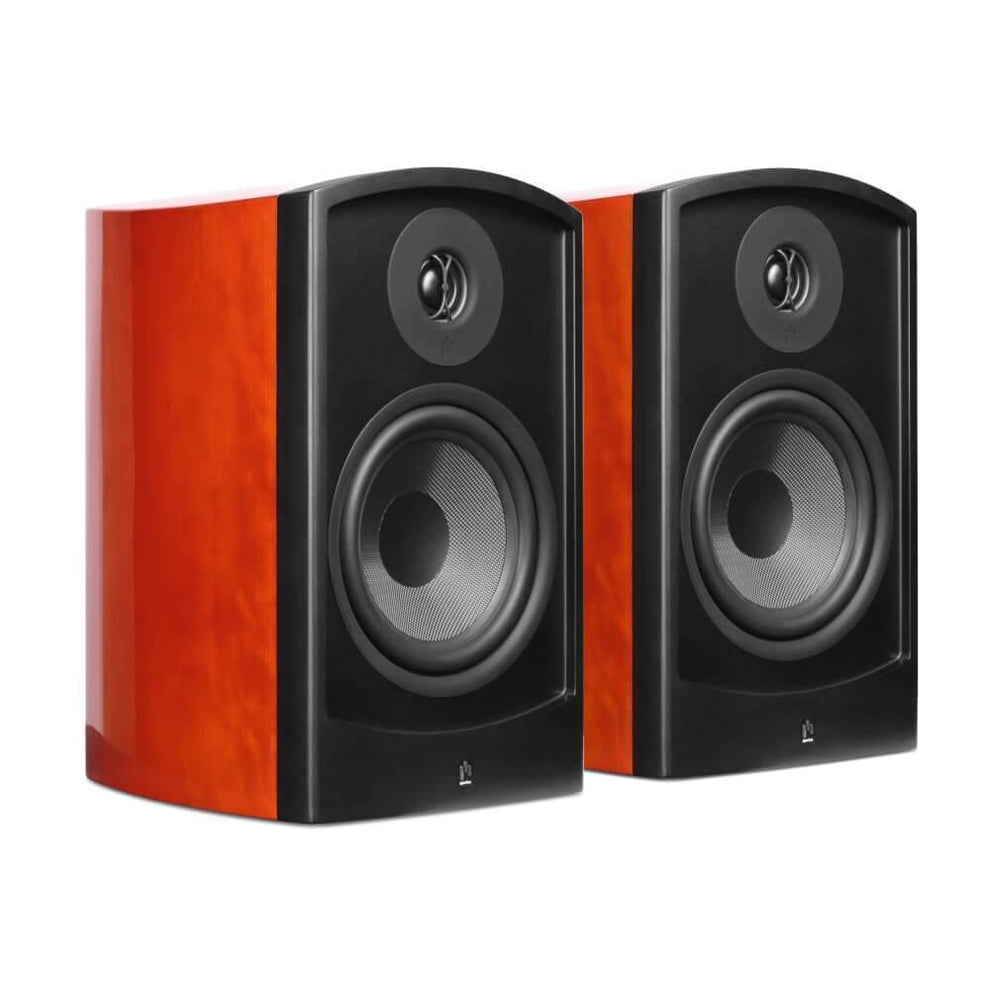
Use a clear wood sealer or varnish to protect the stain. Apply thin coats with a clean brush for best results. Let each coat dry fully and sand lightly between coats with 320-grit sandpaper. Finish with at least two coats for a smooth, durable surface.
Credit: www.aperionaudio.com
Assembling The Cabinet
Installing speaker components is a key step in building a bookshelf speaker cherry cabinet. This process ensures the drivers fit well, wires connect properly, and the sound quality stays clear. Proper installation affects both the speaker’s performance and durability. Follow each step carefully for the best results.
Mounting Drivers
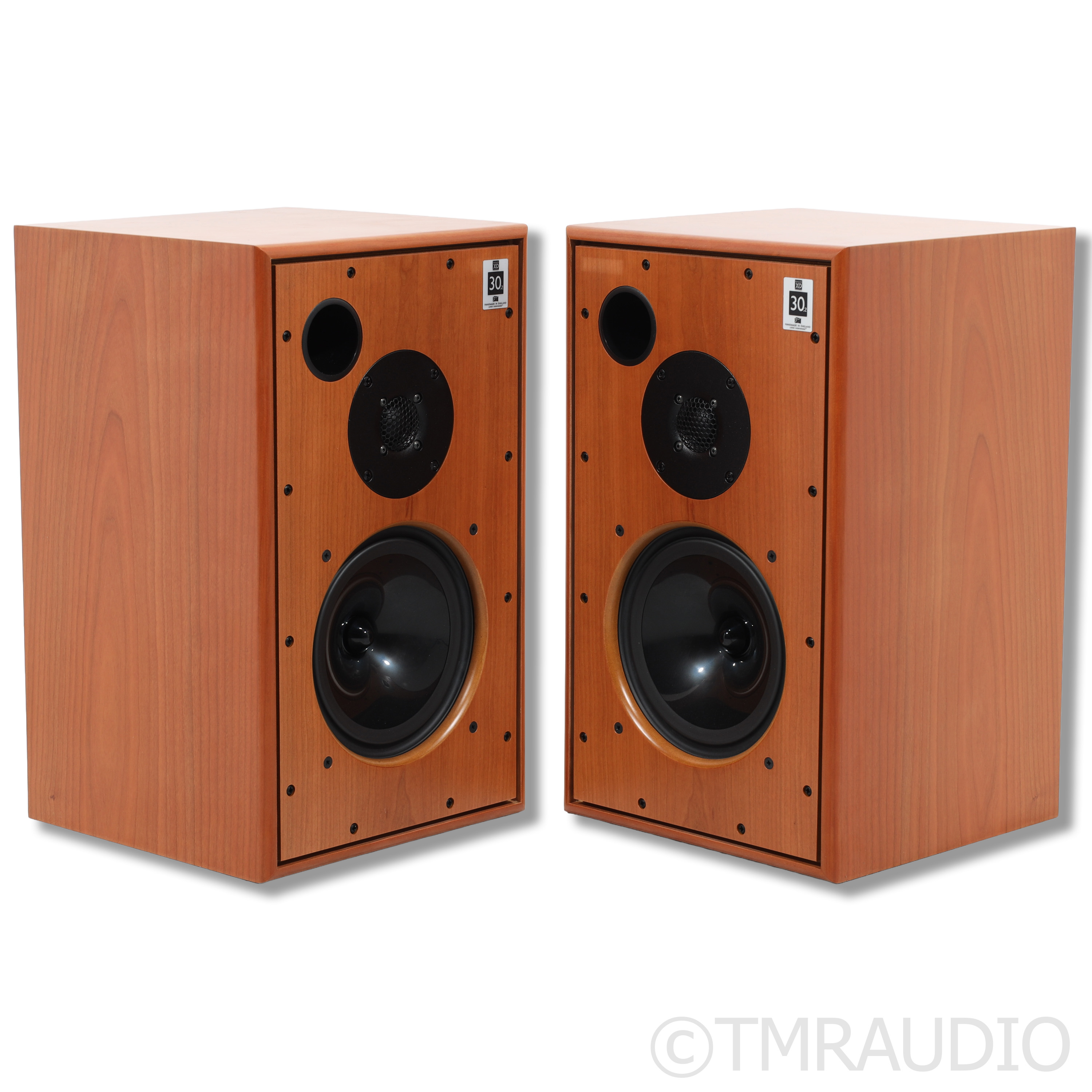
Place the drivers in the cutouts of the cherry cabinet. Use screws to secure them tightly but avoid over-tightening. Check that drivers sit flush with the cabinet surface. This prevents air leaks and vibration. Align the drivers correctly to keep the sound balanced and clear.
Wiring Connections
Connect speaker wires to the driver terminals carefully. Match positive and negative terminals to avoid sound issues. Use quality connectors or solder the wires for a strong bond. Make sure all connections are tight and free from shorts. Neat wiring helps prevent interference and keeps the inside tidy.
Sealing And Insulating
Apply foam or gasket material around the drivers to seal gaps. This stops air leaks that reduce sound quality. Inside the cabinet, add insulation like acoustic foam or fiberglass. Insulation absorbs unwanted vibrations and improves bass response. Proper sealing and insulation make your speaker sound clear and powerful.
Credit: tmraudio.com
Frequently Asked Questions
What Materials Are Needed For A Cherry Bookshelf Speaker Cabinet?
You need cherry wood panels, wood glue, screws, clamps, sandpaper, and finishing oil. Also, gather speaker components and basic woodworking tools.
How Do I Ensure Perfect Speaker Cabinet Dimensions?
Measure your speaker drivers first. Use accurate plans and a ruler. Cut precisely and double-check all dimensions before assembly.
What Is The Best Finish For Cherry Wood Cabinets?
Use natural oil or lacquer to highlight cherry wood’s rich color. These finishes protect wood and enhance its beautiful grain.
How Can I Improve Speaker Sound Quality In The Cabinet?
Seal all joints tightly to prevent air leaks. Add internal damping material like acoustic foam or fiberglass to reduce resonance.
Conclusion
Building a cherry cabinet bookshelf speaker takes time and care. Follow each step to ensure a strong and beautiful result. Choose good wood and measure everything twice. Sand and finish the cabinet well for the best look. Your effort will create sound and style in your home.
Enjoy the process and the speakers you build. Keep practicing to improve your woodworking skills. This project is a great way to learn and create something useful.
