Are you ready to create a bunk bed that fits perfectly in your space and meets your unique needs? Designing your own bunk bed plans might sound tricky, but with the right steps, you can make it simple and even fun.
Imagine having a sturdy, stylish bunk bed that saves space and adds charm to your room—all crafted by your own hands or ideas. In this guide, you’ll discover easy-to-follow tips and clear instructions to help you design bunk bed plans that work for you.
Keep reading, and you’ll be one step closer to building the perfect bunk bed!
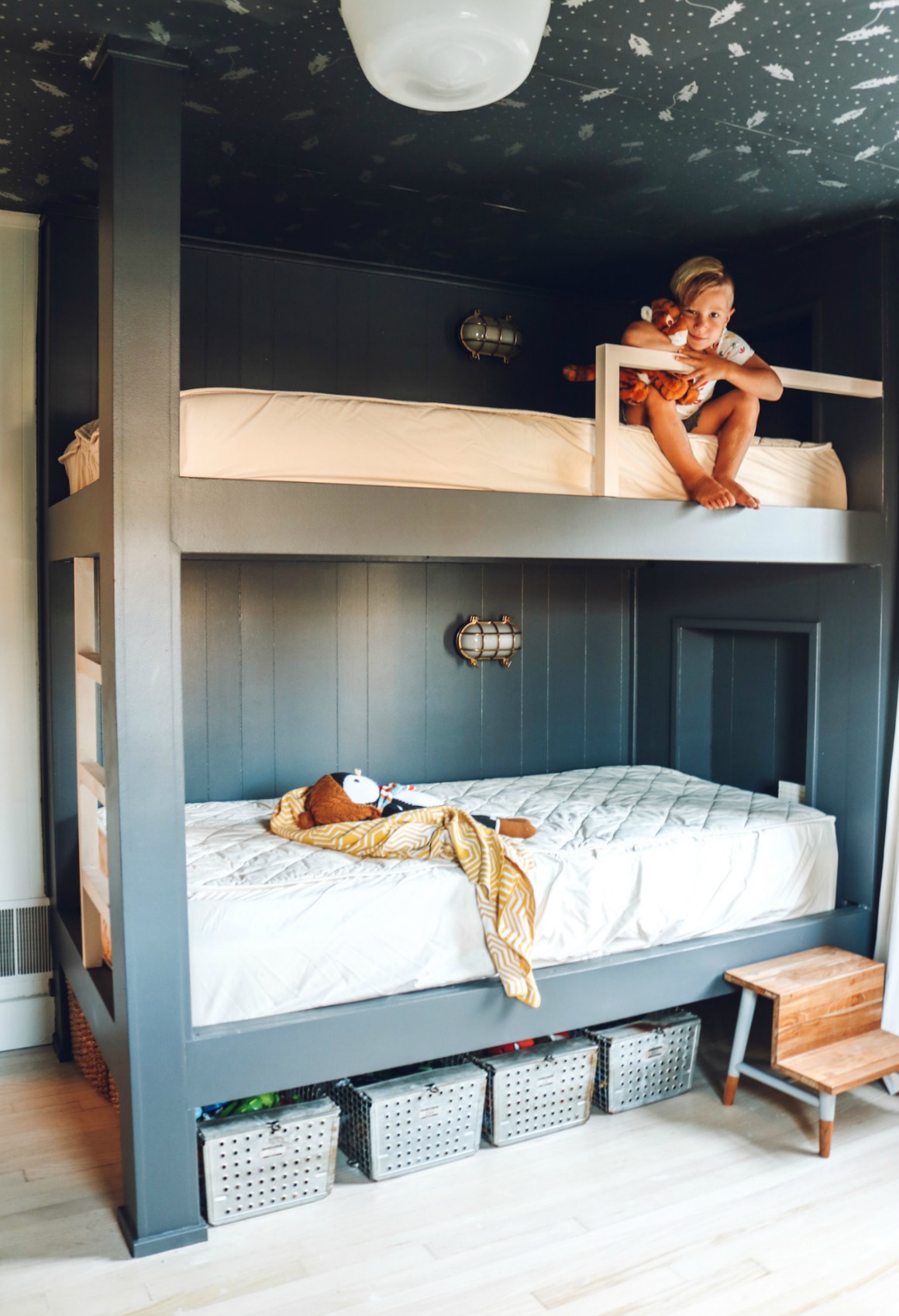
Credit: nestingwithgrace.com
Choosing The Right Bunk Bed Style
Choosing the right bunk bed style sets the foundation for your design plans. It affects room space, comfort, and safety. Each style suits different needs and preferences. Consider practical factors before making a choice. This ensures a perfect fit for your room and family.
Space And Size Considerations
Measure the room carefully before choosing a bunk bed. Think about ceiling height and wall space. Some styles need more room for stairs or ladders. Consider the bed’s length and width. Choose a size that leaves space for movement and other furniture. Compact designs work best for small rooms.
Material Options
Bunk beds come in wood, metal, or a mix of both. Wood offers a classic look and feels sturdy. Metal beds often have a modern style and are lightweight. Check the finish for smooth surfaces and no sharp edges. Choose materials that match your room’s decor and last long.
Safety Features To Prioritize
Safety is crucial with bunk beds. Look for strong guardrails on the top bunk. The ladder should be secure and easy to climb. Check for stable construction to avoid wobbling. Avoid beds with gaps where children can get stuck. Choose beds that meet safety standards for peace of mind.
Gathering Tools And Materials
Gathering the right tools and materials is the first step in making bunk bed design plans. This step sets the base for a smooth building process. Choosing the right items saves time and helps avoid mistakes. Preparation here makes building safer and easier. Knowing what you need keeps the project organized and on track.
Essential Tools List
Start with basic woodworking tools. A measuring tape is vital for accuracy. A saw, either hand or power, cuts your wood to size. Use a drill to make holes and drive screws. Sandpaper smooths rough edges. A level ensures your bed is even. Clamps hold pieces in place during assembly. Screwdrivers help tighten screws securely. Safety gear like goggles and gloves protect you while working.
Selecting Quality Materials
Choose strong, durable wood for safety and longevity. Pine and oak are common choices. Avoid wood with knots or cracks. Use plywood for the bed base for extra support. Pick screws and bolts that fit well and hold tight. Paint or finish should be non-toxic and safe for kids. Good materials reduce repairs and increase comfort.
Budgeting For Your Project
Plan your budget before buying tools and materials. List all needed items and their prices. Include extra costs for nails, screws, and finishes. Compare prices at different stores for savings. Keep a small reserve for unexpected expenses. Sticking to your budget helps avoid stress. A clear budget ensures you buy quality items without overspending.
Measuring And Planning Dimensions
Measuring and planning dimensions is the first step in creating bunk bed design plans. Accurate measurements ensure the bed fits well in the room. Proper planning avoids space problems and safety issues. This part focuses on three important areas: room space, mattress sizes, and headroom clearance.
Measuring Room Space
Start by measuring the room where the bunk bed will go. Use a tape measure to find the length, width, and height. Write down these numbers. Check for obstacles like doors, windows, and heaters. These can affect the bed’s placement. Leave extra space for movement around the bed. This helps keep the room safe and comfortable.
Determining Mattress Sizes
Choose mattress sizes early in the design process. Common sizes include twin, full, and bunk bed-specific mattresses. Measure the mattress length and width carefully. Match the bed frame size to the mattress size. This prevents gaps and ensures the mattress fits snugly. Keep mattress thickness in mind for the bed’s height.
Accounting For Headroom And Clearance
Headroom means space between the mattress and the ceiling or upper bunk. Allow enough space so users can sit up comfortably. Clearance also includes space around the bed for safety. Leave at least 30 inches of space above the top mattress. Check space between the lower and upper bunks. Good clearance prevents bumps and accidents.

Credit: joinerydesignco.com
Sketching Your Design
Sketching your bunk bed design is a crucial step in building a safe and sturdy piece. It helps visualize the entire project before cutting any wood. Start simple, then add details as you refine the plan. A clear sketch guides your work and reduces mistakes.
Drawing Basic Layouts
Begin by drawing the overall shape of the bunk bed. Use simple lines to mark the height, width, and length. Show where the two beds will sit in relation to each other. Keep proportions close to real measurements. This basic layout sets the foundation for your design.
Incorporating Functional Features
Think about features that add comfort and safety. Add guardrails on the top bunk to prevent falls. Include a ladder or stairs for easy access. Plan for storage areas or shelves if needed. Mark these features clearly in your sketch. Functional elements make the bunk bed practical and user-friendly.
Using Design Software Tools
Design software can improve accuracy and detail in your sketches. Programs like SketchUp or AutoCAD offer simple tools for beginners. You can create 3D models to see how parts fit together. These tools help spot problems early and adjust measurements quickly. Using software saves time and makes your plan more precise.
Creating Detailed Blueprints
Creating detailed blueprints is a key step in designing bunk beds. A clear plan helps avoid mistakes. It ensures the bed will be safe and strong. Blueprints show every part of the bed. This makes building easier and faster.
Adding Measurements And Notes
Start by drawing the basic shape of the bunk bed. Add all measurements carefully. Include height, width, and length. Write notes about materials and parts. Mark where screws and nails will go. Clear notes help keep the work organized.
Planning Joinery And Supports
Decide how the bed parts will connect. Choose strong joints like mortise and tenon or screws. Plan where supports will hold weight. Supports prevent the bed from wobbling. Draw these clearly on the blueprint. This step is vital for safety.
Reviewing For Stability
Check the design for balance and strength. Make sure the bed will not tip over. Think about weight limits for the top bunk. Adjust supports if needed. Double-check all joints and connections. This review stops accidents and keeps users safe.
Building Tips And Techniques
Building bunk bed design plans needs careful steps. Each step helps make the bed strong and safe. Using good techniques makes the work easier. Follow these simple tips to build a great bunk bed.
Cutting And Preparing Wood
Start by choosing the right wood type. Use smooth, strong wood like pine or oak. Measure each piece twice before cutting. Use a sharp saw for clean cuts. Sand all edges to avoid splinters. Keep the pieces organized by size and shape.
Assembling Frame Components
Begin with the bed frame base. Use screws and wood glue for strong joints. Check all corners are square and tight. Attach the guardrails and ladder securely. Tighten all screws after assembly. Test the frame’s stability before moving on.
Finishing And Painting Ideas
Sand the entire bed to smooth rough spots. Choose non-toxic paint or wood stain for safety. Apply a primer first for better paint hold. Use thin coats of paint to avoid drips. Let each coat dry before adding the next. Add a clear sealant for extra protection.
Ensuring Safety And Durability
Safety and durability are key factors in bunk bed design plans. A well-built bunk bed keeps children safe and lasts for years. Careful attention to details can prevent accidents and damage. Strong construction and regular checks make the bed reliable and secure.
Securing Rails And Ladders
Rails and ladders must be tightly fastened. Loose parts can cause falls and injuries. Use strong screws and bolts for all connections. Check that rails cover the entire side of the top bunk. Ladders should be stable and easy to climb. Avoid sharp edges or gaps that can trap fingers.
Testing Weight Capacity
Know the maximum weight the bunk bed can hold. Test the bed with weights close to this limit. This ensures the frame can handle daily use. Overloading the bed weakens its structure. Always follow manufacturer or design weight guidelines strictly.
Routine Maintenance Advice
Regularly inspect the bed for loose screws or cracks. Tighten any hardware that feels loose. Replace worn or damaged parts quickly. Clean the bed to avoid dirt buildup in joints. Routine care keeps the bed strong and safe for years.

Credit: www.simplifiedbuilding.com
Customizing For Style And Comfort
Customizing bunk bed design plans allows you to create a space that fits personal style and comfort. It transforms a simple bed into a cozy and practical area. Thoughtful customization makes the bed both useful and inviting. This section covers ways to enhance your bunk bed with storage, lighting, and decor.
Adding Storage Solutions
Storage is essential in a bunk bed design. Adding shelves or drawers keeps the room tidy. Use the space under the bed for bins or boxes. Built-in shelves on the bed frame hold books and toys. These ideas save space and keep things organized.
Incorporating Lighting Options
Good lighting improves comfort and usability. Install small reading lights on each bunk for nighttime reading. Use LED strip lights under the bed for soft illumination. Battery-powered lights are easy to place anywhere. Proper lighting makes the bunk bed feel welcoming.
Personalizing With Decor
Decor adds personality to the bunk bed. Choose colorful bedding that matches the room’s theme. Hang small curtains or fabric panels for privacy. Add cushions and soft blankets for extra comfort. Personal touches turn the bunk bed into a special place.
Frequently Asked Questions
What Materials Are Best For Bunk Bed Design Plans?
Wood like pine or oak is ideal for bunk bed plans. These woods are strong, durable, and easy to work with. Avoid soft or weak materials that may compromise safety. Quality hardware and screws also enhance stability and safety.
How Do I Ensure Bunk Bed Safety In Design Plans?
Design sturdy guardrails and secure ladders to prevent falls. Use quality fasteners and check weight limits. Ensure proper mattress fit to avoid gaps. Include safety clearance between beds and ceiling for comfort and protection.
Can I Customize Bunk Bed Designs For Small Spaces?
Yes, customize bunk beds with built-in storage or desks. Use vertical space efficiently with lofted beds. Choose compact designs to maximize floor area. Tailor dimensions to fit room size and needs.
What Tools Are Needed For Making Bunk Bed Plans?
Basic tools include measuring tape, saw, drill, screwdriver, and level. A pencil and square help with accurate markings. Safety gear like gloves and goggles is essential. Proper tools ensure precise and safe construction.
Conclusion
Creating bunk bed design plans takes careful thought and clear steps. Start with a simple sketch to guide your work. Choose strong, safe materials for lasting use. Measure your space well to fit the bed perfectly. Think about comfort and safety for everyone who will use it.
Taking time to plan helps avoid problems later. You can build a sturdy, practical bunk bed with patience. Enjoy the process and the final result. Your well-made bunk bed will serve your family for years.