Is your metal bunk bed feeling a bit shaky or unstable? You’re not alone.
Many people worry about safety and durability when it comes to bunk beds. But don’t worry—reinforcing your metal bunk bed can make it stronger, safer, and longer-lasting. In this guide, you’ll discover simple, effective ways to boost your bed’s stability.
Whether you want to protect your kids or just sleep soundly yourself, these tips will help you take control of your bed’s strength. Keep reading to learn how easy it can be to reinforce your metal bunk bed and enjoy peace of mind every night.

Credit: buybuybaby.bedbathandbeyond.com
Assessing The Bed’s Current Condition
Before reinforcing a metal bunk bed, check its current condition carefully. This step helps find weak spots and plan repairs properly. A solid assessment protects the bed and keeps users safe.
Checking For Loose Joints
Start by inspecting all the joints and connections. Wiggle each joint gently to see if it moves. Loose joints cause instability and can lead to accidents. Tighten screws and bolts to secure every part firmly. If some joints are damaged, plan to replace them.
Identifying Rust And Corrosion
Look closely at the metal surfaces for signs of rust. Rust weakens the metal and reduces the bed’s strength. Use a flashlight to spot small rust spots in hidden corners. Light rust can be cleaned with sandpaper. For heavy corrosion, consider replacing the affected parts.
Evaluating Frame Stability
Check the frame by applying gentle pressure on different sides. A stable frame should not wobble or bend easily. Watch for any cracks or bends in the metal tubes. A shaky frame needs reinforcement to prevent collapse. Fix or replace weak sections before adding extra support.

Credit: www.roomstogo.com
Gathering Necessary Tools And Materials
Gathering the right tools and materials is the first step to reinforce a metal bunk bed. This preparation helps ensure the job is safe and strong. Knowing what you need saves time and prevents interruptions during work. A well-planned setup makes the reinforcement process smooth and effective.
Essential Tools List
- Wrench set for tightening bolts and nuts
- Screwdriver, both flathead and Phillips types
- Drill with metal drill bits for new holes
- Measuring tape to check dimensions accurately
- Level to ensure the bed frame is even
- Rubber mallet for gentle adjustments
- Safety gloves to protect your hands
- Protective eyewear to shield your eyes
Recommended Reinforcement Materials
- Steel angle brackets for extra corner support
- Heavy-duty bolts and nuts to replace old fasteners
- Metal plates to reinforce weak spots
- Lock washers to keep bolts tight over time
- High-strength epoxy or metal adhesive for bonding
- Steel tubing or bars for adding extra frame support
- Anti-rust spray to protect metal parts
Tightening And Securing Joints
Keeping the joints tight and secure is key to a strong metal bunk bed. Loose joints cause wobbling and safety issues. Regularly checking and tightening these joints improves bed stability. Proper tools and techniques help make the bed safer and longer-lasting.
Using Wrenches And Screwdrivers
Use wrenches and screwdrivers to tighten bolts and screws. Choose the right size tool for each fastener. Turn bolts clockwise until snug but avoid over-tightening. Too much force can strip threads or damage metal. Check all joints carefully and tighten each one evenly.
Applying Thread Lockers For Extra Grip
Thread lockers help keep bolts from loosening over time. Apply a small drop of thread locker to bolt threads before tightening. This sticky liquid hardens and holds bolts firmly in place. It reduces the need for constant re-tightening. Use blue thread locker for parts you may need to remove later.
Adding Support Brackets And Plates
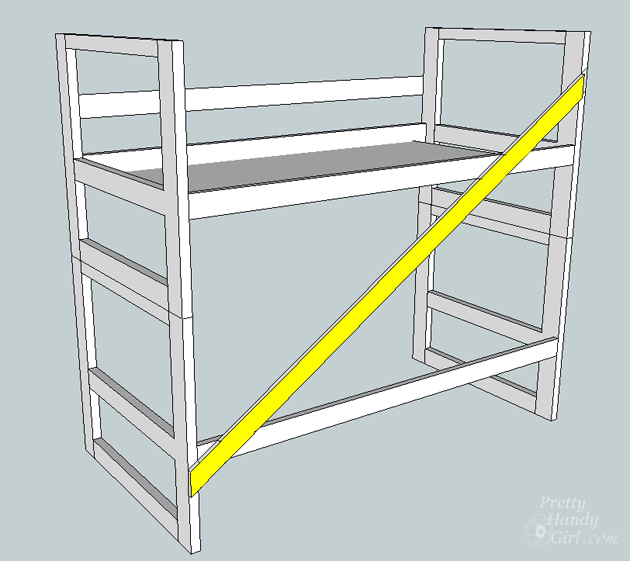
Adding support brackets and plates is a smart way to reinforce a metal bunk bed. These parts help hold the frame tightly and stop it from shaking. They improve the bed’s strength and make it safer for everyday use. This method is simple and does not need much skill.
Support brackets and plates act like extra hands holding the bed frame together. They spread the weight evenly and reduce pressure on weak spots. This stops bending or breaking over time. You can find these parts at most hardware stores. Choosing the right ones and placing them correctly makes all the difference.
Choosing The Right Brackets
Pick brackets made from strong metal like steel or iron. Thin or weak brackets break easily and waste your effort. Look for brackets that match the bed’s size and shape. L-shaped and flat plates work well for bunk beds.
Check the thickness and finish of the brackets. Rust-resistant ones last longer. Avoid plastic brackets as they are not durable. Buy brackets with screw holes that fit your bed frame bolts or screws. This ensures a tight and secure fit.
Proper Placement For Maximum Strength
Place brackets at the corners where the frame parts meet. Corners bear the most weight and stress. Adding plates along the middle of side rails helps too. This stops the metal from bending under heavy loads.
Use at least two brackets per joint for strong support. Tighten all screws firmly but do not strip them. Check the bed for any wobble after installing. Adjust bracket position if needed to remove movement. Proper placement keeps the bed steady and safe.
Replacing Or Reinforcing Slats
Replacing or reinforcing slats is key to strengthening a metal bunk bed. Slats support the mattress and hold weight. Weak or broken slats can cause discomfort or accidents. Fixing or adding slats improves safety and durability.
Inspecting Slat Condition
Check each slat for cracks, bends, or wear. Look closely for signs of rust on metal slats. Loose or broken slats need replacement. Use a flashlight to see hidden damage. Mark slats that are weak or broken. Good slats should be firm and straight.
Installing Additional Slats
Extra slats spread weight evenly. Measure the bed frame width for correct slat size. Use strong wood or metal slats that match the bed. Screw or clip slats securely to the frame. Space slats evenly, about 2 to 3 inches apart. Adding slats reduces mattress sagging and increases bed strength.
Addressing Rust And Protective Coating
Metal bunk beds can weaken over time due to rust. Rust damages the metal and makes the bed unsafe. Protecting the metal is key to keeping the bunk bed strong and safe. This section covers how to remove rust safely and apply a protective coating. These steps help extend the life of your metal bunk bed.
Removing Rust Safely
Start by wearing gloves and a mask. Rust particles can be harmful. Use a wire brush or sandpaper to scrub off the rust. Work gently to avoid damaging the metal. Clean the area with a damp cloth to remove dust. Let the metal dry completely before the next step.
Applying Rust-resistant Paint
Choose paint made for metal and rust protection. Shake the paint can well before use. Apply a thin, even layer with a brush or spray. Cover all rust-prone areas and joints. Let the paint dry fully, then add a second coat. This helps protect the metal from future rust.
Testing Stability And Safety
Testing the stability and safety of a metal bunk bed is important after reinforcement. It ensures the bed holds up well and keeps users safe. Checking the bed carefully helps catch weak points early. This process also gives peace of mind for daily use.
Performing Weight Tests
Start by placing weight on the bunk bed slowly. Use items like sandbags or heavy boxes. Apply weight evenly on different parts: top bunk, bottom bunk, and ladder. Watch for any bending or unusual sounds. Stop if you see any signs of stress. Repeat the test a few times to confirm strength.
Checking For Squeaks And Movement
Push and shake the bed gently to find loose parts. Listen closely for squeaks or creaks. These noises may mean loose screws or weak joints. Tighten bolts and screws as needed. Move the bed frame to check for wobbling. A stable bed should not rock or move easily.
Credit: prettyhandygirl.com
Frequently Asked Questions
How Can I Strengthen A Metal Bunk Bed Frame?
To strengthen a metal bunk bed frame, tighten all bolts and screws. Add metal brackets at joints for extra support. Use sturdy steel plates to reinforce weak spots. Regularly check for rust and fix any damage promptly to maintain durability.
What Tools Are Needed To Reinforce A Metal Bunk Bed?
You will need a wrench, screwdriver, metal brackets, steel plates, and bolts. A drill may be necessary for installing brackets. Having a measuring tape and level helps ensure proper alignment and secure reinforcement of the bunk bed frame.
How Often Should I Inspect A Metal Bunk Bed?
Inspect your metal bunk bed every 3 to 6 months. Check for loose bolts, rust, or damaged parts. Regular maintenance prevents accidents and prolongs the bed’s lifespan. Tighten any loose fittings immediately to keep the bed stable and safe.
Can Reinforcing A Metal Bunk Bed Improve Safety?
Yes, reinforcing a metal bunk bed significantly improves safety. It prevents wobbling, reduces the risk of collapse, and supports heavier loads. Proper reinforcement ensures the bed remains sturdy during daily use, protecting users from potential injuries.
Conclusion
Reinforcing a metal bunk bed keeps it safe and strong. Check all bolts and screws often. Add extra supports to stop shaking or bending. Use quality materials to ensure long-lasting strength. A solid bunk bed protects kids and helps them sleep well.
Small fixes now avoid big problems later. Keep your bed sturdy and secure for peace of mind. Simple steps make a big difference in safety and comfort.