Have you ever wanted a stylish and practical way to reach those high shelves while adding charm to your room? Making your own bookshelf ladder is easier than you think.
Not only will it save you money, but it also lets you customize the size and look to fit your space perfectly. In this guide, you’ll discover simple steps and helpful tips to build a sturdy, beautiful ladder that blends seamlessly with your bookshelf.
Ready to turn your bookshelf into a smart and elegant space? Let’s get started!
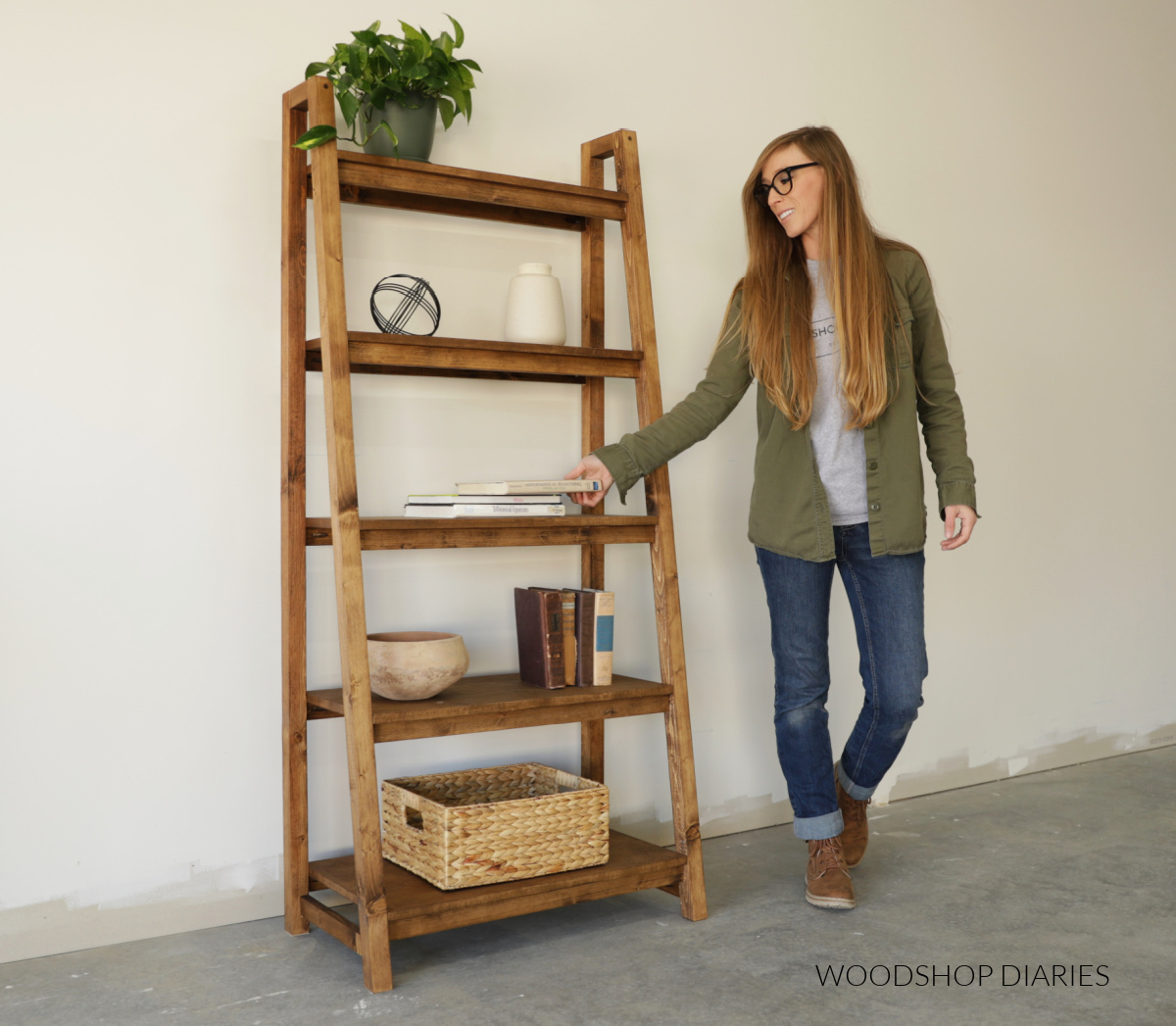
Credit: www.woodshopdiaries.com
Choosing The Right Materials
Choosing the right materials for your bookshelf ladder is very important. The materials affect the ladder’s strength, look, and safety. Picking good wood and supplies helps the ladder last longer and look better. This guide will help you choose the best wood and tools for your project.
Types Of Wood
Wood choice affects the ladder’s weight and durability. Pine is light and easy to work with. It is also affordable. Oak is strong and lasts a long time. It has a nice grain but is heavier. Maple is hard and smooth. It looks clean but costs more. Choose wood that fits your budget and style.
Tools Needed
You need some basic tools for making the ladder. A saw is necessary to cut the wood pieces. Sandpaper helps smooth rough edges. A drill will make holes for screws. Screwdrivers fasten parts together. A measuring tape keeps your cuts exact. Having these tools makes building easier and faster.
Additional Supplies
Besides wood and tools, some extra supplies help finish the ladder. Screws or nails hold the wood parts tightly. Wood glue adds extra strength. Paint or varnish protects the wood and improves its look. Safety gear like gloves and goggles keep you safe during work. These supplies complete your materials list.
Planning Your Bookshelf Ladder
Planning your bookshelf ladder is the first step to a successful build. Careful thought here saves time and effort later. A clear plan helps you create a safe and functional ladder. It also ensures the ladder fits perfectly in your space.
Measuring Your Space
Start by measuring the area where your ladder will stand. Note the height from floor to shelf. Measure the width of the shelf and nearby walls. Check for any obstacles like heaters or windows. Accurate measurements prevent mistakes during building.
Design Considerations
Think about the style that suits your room. Choose a ladder height that matches your shelves. Decide on the number of steps needed for comfort. Pick materials that match your bookshelf and room decor. Plan for sturdy construction to support weight safely.
Sketching Your Ladder
Draw a simple sketch of your ladder design. Include all measurements and step placements. Sketch from different angles for a clear view. Use the sketch to check proportions and balance. This visual helps guide you through building smoothly.
Cutting And Preparing Wood
Cutting and preparing wood is the first big step in making your bookshelf ladder. This step ensures that all parts fit well and look good. Take your time to measure and cut carefully. Good preparation makes the building process smoother and safer.
Cutting The Side Rails
Start by measuring the length of the side rails. These are the long pieces that hold the ladder together. Use a saw to cut the wood straight. Make sure both rails are the same length. Check the edges after cutting to avoid uneven sides.
Cutting The Steps
Next, cut the steps that you will climb on. Measure the width to fit between the side rails. Cut each step to the same size. Keep the cuts clean and smooth. This helps the steps fit well and look neat.
Sanding The Pieces
After cutting, sand all the wood pieces. Use medium-grit sandpaper for rough edges. Sand until the surface feels smooth to touch. This removes splinters and makes the wood safe. Well-sanded wood also takes paint or stain better.
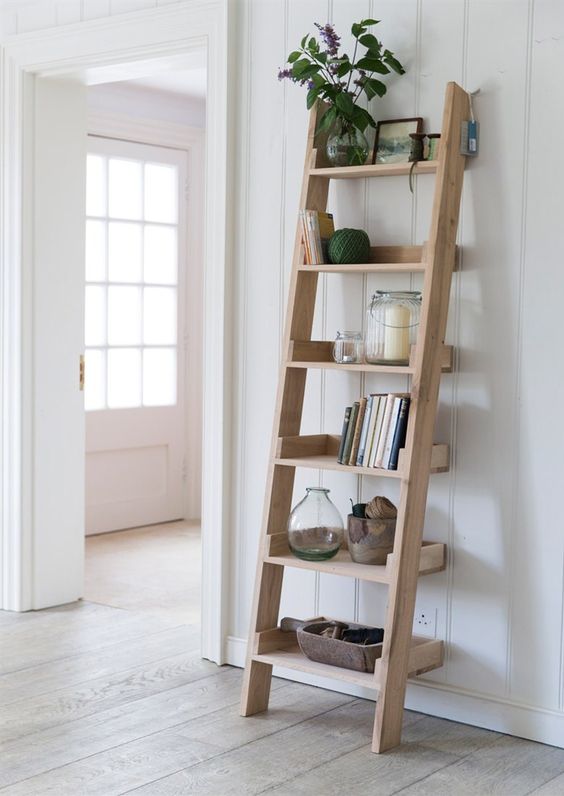
Credit: www.brepurposed.com
Assembling The Ladder Frame
Assembling the ladder frame is a key step in making your bookshelf ladder sturdy and safe. This process brings together the main parts of the ladder. Careful assembly ensures the ladder can hold weight and last long.
Follow each step closely for a strong and balanced frame. Use the right tools and take your time. A well-assembled frame makes the ladder both functional and attractive.
Attaching The Steps
Place each step evenly between the two side rails. Measure the distance carefully to keep steps level. Use screws that fit the wood thickness. Drill pilot holes first to prevent wood from splitting. Attach each step securely on both ends for support.
Ensuring Stability
Check the ladder frame for wobbling. Adjust the sides to keep them parallel and straight. Use clamps to hold parts while fastening. Add support braces if needed for extra strength. Test the frame by applying pressure before final assembly.
Securing Joints
Apply wood glue to all joint surfaces for a tight bond. Tighten screws or bolts firmly but avoid over-tightening. Use corner brackets to strengthen critical joints. Let glue dry fully before moving the ladder. Secure joints keep the ladder safe to use.
Adding Bookshelf Features
Adding bookshelf features to your ladder transforms it into a practical storage piece. This step lets you combine style with function. You create space for books and decorative items. It also enhances the ladder’s overall look.
Start by planning shelf placement carefully. Think about the height of your books and items. Make sure the shelves fit well and look balanced. Proper planning makes the next steps easier.
Installing Shelves
Cut the shelf boards to your desired length. Attach them securely to the ladder frame using screws. Use a level to keep shelves straight and even. Check that each shelf is stable before moving on.
Customizing Shelf Sizes
Adjust shelf width and depth for different book sizes. Mix small and large shelves for variety. This flexibility helps accommodate tall books or small knickknacks. Custom sizes add unique charm to your ladder.
Reinforcing For Weight
Use thicker wood for shelves holding heavy books. Add brackets or supports under shelves for extra strength. Make sure all connections are tight and secure. Reinforcement prevents sagging and keeps shelves safe.

Credit: www.youtube.com
Finishing Touches
Finishing touches give your bookshelf ladder a polished look. They protect the wood and make the ladder safer to use. These final steps also help your ladder last longer. Pay close attention to these details for a great result.
Painting Or Staining
Choose paint or stain based on the style you want. Paint offers bright, solid colors and hides wood grain. Stain shows the natural beauty of the wood. Apply thin, even coats and let each dry fully. Use a brush or cloth for best results.
Adding Protective Coating
Protective coatings shield the wood from damage and wear. Use clear varnish, polyurethane, or lacquer. These coatings make the surface smooth and water-resistant. Apply two or three coats for strong protection. Sand lightly between coats for a clean finish.
Attaching Safety Features
Add safety features to prevent accidents and improve stability. Attach rubber pads or non-slip strips on the ladder feet. Install handrails or side supports if needed. Check all screws and joints are tight and secure. Safety is key to enjoy your ladder without worries.
Maintaining Your Bookshelf Ladder
Maintaining your bookshelf ladder keeps it safe and looking good for years. Regular care stops small problems from becoming big issues. It also extends the life of your ladder.
Simple steps can make a big difference. Clean it often, check for wear, and fix minor damages quickly.
Regular Cleaning Tips
Dust the ladder with a soft cloth every week. Use a damp cloth for sticky spots. Avoid harsh chemicals that can damage the wood or paint. Dry the ladder well after cleaning to prevent moisture damage.
Checking For Wear
Look over your ladder regularly. Check the steps and joints for cracks or loose parts. Make sure screws and bolts are tight. Look for signs of wood splitting or weakening. Early detection keeps the ladder strong and safe.
Repairing Minor Damages
Fix small cracks with wood glue or filler. Tighten loose screws with a screwdriver. Sand rough spots to prevent splinters. Replace worn-out parts before they cause bigger problems. Small repairs save money and keep the ladder sturdy.
Frequently Asked Questions
What Materials Are Needed To Make A Bookshelf Ladder?
To make a bookshelf ladder, you need wood planks, screws, wood glue, sandpaper, paint or stain, a drill, and a saw. These materials ensure the ladder is sturdy and visually appealing, perfect for combining functionality with style in your living space.
How Long Does It Take To Build A Bookshelf Ladder?
Building a bookshelf ladder typically takes 4 to 6 hours for beginners. Experienced DIYers may finish faster. Time depends on skill level, tools, and design complexity. Planning and preparation help streamline the process and avoid delays.
Can I Customize The Size Of My Bookshelf Ladder?
Yes, you can customize the size of your bookshelf ladder to fit your space. Adjust the height, width, and shelf depth to suit your needs. Customization ensures the ladder fits perfectly and complements your room’s decor.
Is A Bookshelf Ladder Safe To Use?
A bookshelf ladder is safe if built with strong materials and proper construction. Secure shelves and non-slip feet increase stability. Always check weight limits and avoid overloading shelves to prevent accidents.
Conclusion
Building a bookshelf ladder can be a fun and useful project. You only need some basic tools and materials. Follow the steps carefully to create a sturdy ladder. This ladder adds style and function to any room. It helps you reach high shelves safely and easily.
Take your time and measure twice before cutting. Enjoy the satisfaction of making something with your own hands. Your bookshelf ladder will hold your books and look great too. Give it a try and see how simple it can be.