Are you looking for a simple way to keep your child’s books organized and easy to find? Making a children’s bookshelf can be a fun and rewarding project that brings order to your home and encourages your little one to read more.
Imagine a colorful, sturdy shelf that fits perfectly in your child’s room, holding all their favorite stories within reach. You’ll discover easy steps to create a bookshelf that’s not only practical but also something your child will love and use every day.
Let’s get started and turn your space into a cozy reading haven!
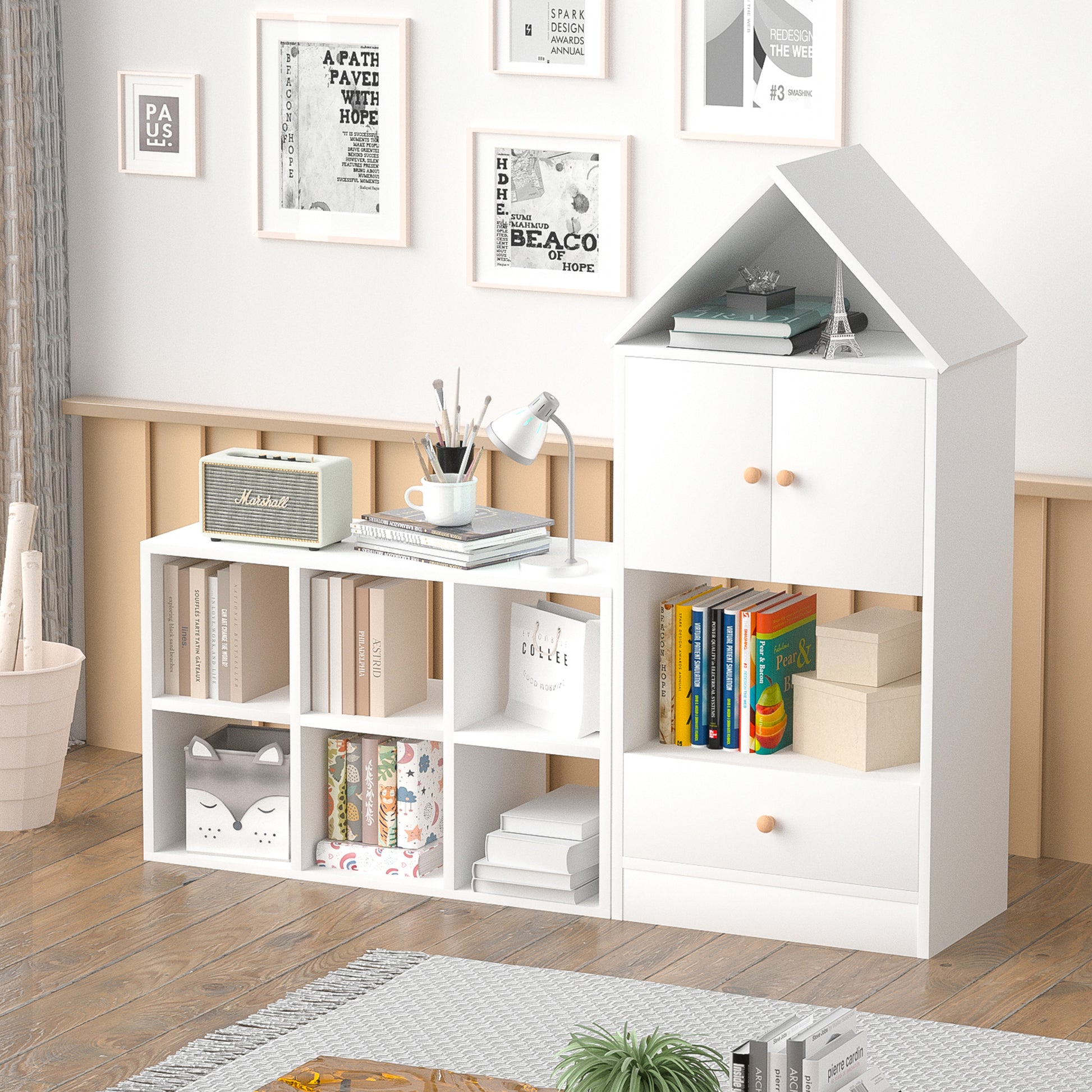
Credit: roomanddecor.com
Choosing The Right Bookshelf
Choosing the right bookshelf for children is important. It helps keep books organized and easy to reach. The right shelf also fits well in your space and is safe for kids. Think about the materials, size, and safety features before buying or making one.
Materials That Work Best
Wood is strong and lasts a long time. It looks nice in any room. Plastic shelves are light and easy to clean. They come in bright colors kids like. Metal shelves are tough but can be sharp. Choose smooth edges if you pick metal.
Size And Space Considerations
Measure your space before choosing a shelf. Small rooms need compact shelves. Tall shelves hold more books but may be hard for kids to reach. Low shelves let children pick books on their own. Make sure the shelf fits the room without crowding it.
Safety Features For Kids
Look for shelves with rounded corners. Sharp edges can hurt little hands. Secure the shelf to the wall to stop it from tipping. Use non-toxic paint or finish. Avoid small parts that children could swallow. Safety helps kids enjoy their books without risk.
Creative Bookshelf Designs
Creative bookshelf designs make children’s rooms lively and fun. They inspire kids to read more and keep books organized. Unique shelves fit the child’s personality and interests. Bright colors and fun shapes invite children to explore stories.
Designs that combine function and play encourage kids to enjoy books. Shelves can become part of the room’s theme or a playful activity. Using recycled materials adds a personal and eco-friendly touch. Here are some ideas for creative bookshelves that children will love.
Theme-based Shelves
Theme-based shelves match the child’s favorite stories or hobbies. For example, a pirate ship shelf for adventure lovers. Animal-shaped shelves bring nature indoors. Space-themed shelves with stars and rockets excite young minds. Themes make shelves more than storage—they become room highlights.
Interactive And Playful Shelves
Interactive shelves invite children to touch and play. Some have built-in chalkboards for drawing or writing. Others include small ladders or steps for climbing safely. Shelves with movable parts or hidden compartments add surprise. Playful designs turn reading time into fun time.
Diy Projects With Recycled Materials
Recycled materials make unique, budget-friendly bookshelves. Old crates, wooden pallets, and boxes work well. Paint them in bright colors to attract children’s eyes. DIY shelves teach kids about reuse and creativity. This approach creates shelves with character and meaning.
Personalizing The Bookshelf
Personalizing a children’s bookshelf makes it special and fun. It turns a simple shelf into a creative space. Kids feel proud to see their own style on the shelf. Personal touches can also encourage children to read more.
Adding Colors And Patterns
Bright colors make the bookshelf stand out. Choose paints or wallpapers with fun patterns. Stripes, polka dots, or stars add energy to the design. Use colors that match the child’s favorite shades. This simple step brings life to the bookshelf.
Using Stickers And Decals
Stickers and decals are easy to apply and remove. They come in many shapes like animals, letters, or cartoons. Place them on the sides or shelves to add charm. Kids enjoy choosing their favorite stickers. This makes the bookshelf feel personal and playful.
Incorporating Kids’ Artwork
Display children’s drawings or paintings on the bookshelf. Use clips or small frames to hold the art. This shows that their creativity is valued. It also makes the bookshelf unique and meaningful. Changing the art keeps the shelf fresh and exciting.

Credit: www.livecolorful.com
Organizing Books For Kids
Organizing books for kids helps create a fun and inviting reading space. It makes finding books easier and encourages children to read more often. A well-arranged bookshelf also keeps books safe and neat. Simple methods can turn a cluttered shelf into a tidy, enjoyable corner.
Sorting By Size Or Genre
Sort books by size to keep the shelf neat. Larger books can go on the bottom, smaller ones on top. This prevents books from falling over. Sorting by genre groups similar stories together. Fairy tales, animals, and adventure books each get their own spot. Kids find their favorite stories faster this way.
Easy Access Storage Ideas
Use low shelves to keep books within kids’ reach. Baskets or bins can hold smaller books and keep them tidy. Front-facing book displays make covers visible and inviting. Adjustable shelves grow with your child’s collection. This keeps everything organized and easy to find.
Labeling Techniques
Labels help kids identify book sections quickly. Use simple words or pictures for younger readers. Color-coded labels make the shelf bright and fun. Place labels at child’s eye level for easy reading. Clear labeling teaches kids to put books back correctly.
Integrating Storage And Seating
Integrating storage and seating in a children’s bookshelf creates a cozy and organized space. Kids love places where they can sit and read comfortably. At the same time, having storage nearby keeps books and toys tidy. This combination makes the room more useful and fun.
Bookshelf Benches
Bookshelf benches offer a smart way to combine seating and storage. The bench top provides a comfy spot for kids to sit. Below, shelves or cubbies hold books and toys. This design saves space and keeps everything within reach. Choose cushions to make the bench softer and more inviting.
Storage Bins And Baskets
Storage bins and baskets fit perfectly inside bookshelves. They keep small items neat and easy to find. Baskets are lightweight, so kids can pull them out on their own. Use different colors to make the space cheerful. Labeling bins helps children know where to put things back.
Multi-functional Furniture
Multi-functional furniture blends storage and seating in creative ways. Look for pieces like ottomans with hidden compartments or chairs with built-in shelves. These items serve more than one purpose and save room. They make tidying up simple and encourage kids to enjoy their reading corner.

Credit: www.amazon.com
Maintaining And Updating The Bookshelf
Maintaining and updating a children’s bookshelf keeps it fun and useful. Books can get messy or lost without care. Regular attention helps the shelf stay inviting and organized.
Children also learn to take care of their things. Changing books over time keeps their interest fresh. Small updates make the bookshelf a lively part of the room.
Encouraging Kids To Organize
Invite kids to put books back after reading. Teach them simple ways to sort books by size or color. Make organizing a daily or weekly habit. Praise their effort to keep the shelf neat. Use labels or pictures to guide young readers.
Seasonal Book Rotation
Swap books based on seasons or holidays. Keep summer stories in warm months and winter tales in cold. This method keeps the bookshelf exciting and relevant. Rotate books every few weeks to renew interest. It also helps manage space on the shelf.
Refreshing The Look Over Time
Change shelf decorations to match new themes or interests. Add small toys or artwork related to books. Clean the shelf to remove dust regularly. Replace worn-out books with new ones. This keeps the bookshelf inviting and well-loved.
Frequently Asked Questions
How Do I Start Making A Children’s Bookshelf?
Begin by choosing child-friendly materials like lightweight wood or plastic. Measure the space and plan shelf sizes to fit kids’ books. Use non-toxic paint and smooth edges for safety. Assemble with simple tools, ensuring stability for young users.
What Tools Are Needed For A Kids’ Bookshelf?
You will need a saw, drill, screwdriver, measuring tape, sandpaper, and clamps. Optional tools include a paintbrush and level. These tools help cut, assemble, and finish the bookshelf safely and efficiently.
How Can I Make The Bookshelf Safe For Children?
Use rounded edges and smooth surfaces to prevent injuries. Choose non-toxic paints and finishes. Secure shelves firmly to avoid tipping. Avoid small detachable parts to reduce choking hazards. Always check stability before use.
What Is The Best Size For A Children’s Bookshelf?
Aim for shelves between 12 to 15 inches high to fit kids’ books comfortably. Keep overall height low, about 3 to 4 feet, for easy access. Adjust dimensions based on your child’s age and room space.
Conclusion
Building a children’s bookshelf brings joy and order to any room. It keeps books tidy and easy to find. Kids enjoy having their own special space for stories. Simple materials and steps make the project fun and doable. A homemade shelf encourages reading and creativity every day.
Try making one and watch children’s love for books grow. Small efforts create big smiles and happy readers. Start today and make reading time more special.