Are you looking to make the most out of your bedroom space? Turning a bunk bed into a loft bed could be the perfect solution.
It’s not just about saving space—it’s about creating a cozy, functional area that fits your lifestyle. Imagine having extra room underneath for a desk, a play area, or even storage. In this guide, you’ll discover simple steps and smart tips to transform your bunk bed into a stylish loft that suits your needs.
Ready to unlock your room’s full potential? Keep reading to find out how easy and rewarding this change can be.
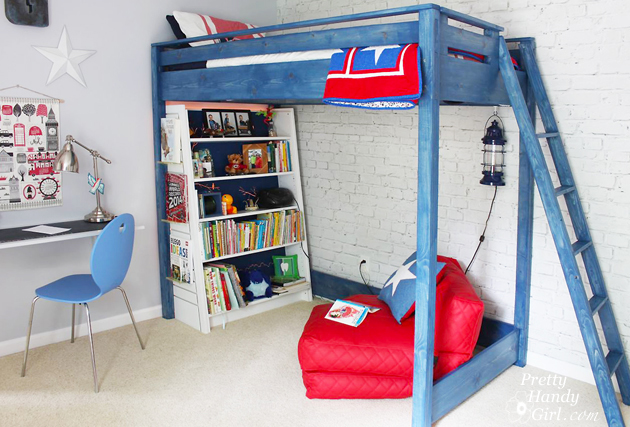
Credit: prettyhandygirl.com
Choosing The Right Bunk Bed
Choosing the right bunk bed is key to turning it into a loft. The right bed frame supports safety and style. It also fits your room perfectly. Think about the bed’s strength and size before buying. These points help make a smart choice.
Assessing Bed Frame Stability
Check the bed frame for strong joints and solid support. A stable frame keeps the loft safe. Avoid beds that wobble or feel weak. Look for thick wood or metal materials. Test the bed by pressing or shaking gently. Safety is the top priority for loft beds.
Selecting Suitable Materials
Choose materials that last long and hold weight well. Wood offers a warm look and strong build. Metal frames can be sturdy and modern. Avoid cheap particleboard or thin metal. These break easily and risk injury. Pick smooth surfaces to avoid splinters or cuts.
Measuring Your Space
Measure your room’s height, width, and length carefully. Loft beds need enough space above for sitting or moving. Check the ceiling height to avoid hitting your head. Leave room around the bed for other furniture. Accurate measurements prevent buying a bed that does not fit.
Preparing Tools And Materials
Preparing the right tools and materials is the first step to turn your bunk bed into a loft. This preparation saves time and keeps the project smooth. Having everything ready avoids interruptions and mistakes. Safety is also important, so gather proper equipment before starting.
Essential Tools Checklist
Start by collecting all the tools needed for the conversion. A drill is necessary for making new holes and securing parts. Screwdrivers help tighten screws and bolts. Measuring tape ensures accurate cuts and placements. A saw might be needed to adjust wood pieces. A level keeps the loft balanced and even. Sandpaper smooths rough edges. Keep nails, screws, and bolts handy for assembly.
Gathering Safety Equipment
Wear safety glasses to protect your eyes from dust and debris. Use gloves to prevent cuts and splinters. A dust mask helps avoid breathing in sawdust. Work in a clean, well-lit space. Keep a first aid kit nearby for quick treatment. Make sure children and pets stay clear during work. Safety keeps your project safe and trouble-free.
Removing The Lower Bed
Removing the lower bed is the first step to turn a bunk bed into a loft. This process opens up space underneath the top bed. It creates room for a desk, storage, or play area. Careful removal keeps the bed safe and stable.
Detaching The Bottom Frame
Start by clearing the lower bed of all items. Use a screwdriver or wrench to loosen the screws. Remove bolts that hold the bottom frame in place. Keep the hardware in a safe spot for future use. Gently lift and separate the lower frame from the upper bed. Avoid forcing parts to prevent damage.
Handling Mattress And Bedding
Take off the mattress and bedding from the lower bed. Fold blankets and sheets neatly for storage. Store the mattress in a dry, clean area. This keeps it fresh and ready if needed again. Proper handling prevents damage and saves space.
Reinforcing The Loft Structure
Reinforcing the loft structure is key to a safe and sturdy elevated bed. It supports weight and prevents wobbling. Strengthening the frame ensures the loft lasts long.
Focus on adding extra support beams. Secure the frame to the walls firmly. These steps make the loft stable and reliable.
Adding Support Beams
Support beams carry the load of the loft bed. Use strong wood like pine or oak. Place beams under the mattress area.
Attach beams across the width and length for balance. Use screws, not nails, for better hold. Check beams do not shake or bend.
Adding diagonal braces can help stop side movement. Measure and cut beams carefully before fixing them. This creates a firm base for the loft.
Securing The Frame To Walls
Fix the loft frame to nearby walls for extra safety. Use wall anchors and heavy-duty screws. Avoid drilling into pipes or electrical wiring.
Find studs behind drywall using a stud finder. Attach the frame directly to these studs. This prevents the loft from shifting or tipping.
Double-check all screws are tight and stable. Use metal brackets for extra strength at corners. This step keeps the loft steady under daily use.
Designing The Space Below
Designing the space below a loft bed transforms a simple area into a useful room. This space can serve many functions. Thoughtful design helps maximize every inch. It creates a cozy, practical spot for daily activities.
Creating A Study Area
Place a desk under the loft bed for a quiet study zone. Use a compact desk to save space. Add a bright lamp to keep the area well-lit. Include shelves above the desk to hold books. This setup keeps study supplies organized and easy to reach.
Adding Storage Solutions
Use storage bins or drawers under the loft bed. Stackable boxes fit well in small spaces. Install wall hooks to hang bags or clothes. Choose storage that matches the room’s style. Organized storage keeps the area tidy and clutter-free.
Incorporating Seating Options
Add a small sofa or bean bag under the loft bed. This creates a comfy place to relax or read. Foldable chairs work well for extra seating. Use cushions to make the space cozy. Seating options make the area inviting and multi-functional.

Credit: cratedesignsfurniture.com
Safety Considerations
Safety is the top priority when turning a bunk bed into a loft bed. Proper safety measures protect against falls and injuries. This section covers key steps to keep the loft bed safe for daily use.
Installing Guardrails
Guardrails prevent accidental falls from the loft bed. Install sturdy rails on all open sides. Rails should be at least 5 inches above the mattress surface. Check that the guardrails have no gaps wider than 3.5 inches. Secure the rails tightly to avoid wobbling or gaps.
Ensuring Ladder Stability
The ladder must be firm and safe to climb. Use a ladder designed for loft beds or bunk beds. Attach the ladder securely to the bed frame. Check that ladder steps are wide and non-slip. Test the ladder for movement before daily use to prevent falls.
Checking Weight Limits
Every bed frame has a weight limit. Verify the maximum weight the loft bed can hold. Include the weight of the mattress and the person using it. Do not exceed this limit to avoid frame damage or collapse. Follow the manufacturer’s guidelines for safe use.
Styling Your Loft Bed
Styling your loft bed makes the space feel cozy and unique. It turns a simple bed into a special spot for rest and play. With the right style choices, the loft bed becomes a favorite part of the room. Focus on color, light, and personal touches to create a perfect look.
Each detail helps build a space that feels just right. The style should match your personality and fit the room’s mood. Small changes can make a big difference in comfort and style.
Choosing Color Schemes
Pick colors that create a calm and inviting space. Soft blues, greens, or pastels work well for a peaceful feel. Bright colors like red or yellow add energy and fun. Use a mix of light and dark shades for balance.
Paint or add fabric in your chosen colors to the loft bed. This creates a fresh and stylish look. Keep the colors consistent with the rest of the room.
Adding Lighting Features
Good lighting makes the loft bed more useful and cozy. String lights add a soft, warm glow. Clip-on lamps help with reading or studying. LED strips under the bed create a modern touch.
Choose lighting that fits the bed’s size and shape. Make sure the lights are safe and easy to use. Lighting can highlight the bed’s style and add comfort.
Personalizing With Decor
Decorate the loft bed with items that show your style. Use pillows and blankets with fun patterns. Hang small shelves for books and toys. Add posters or wall art that you love.
Keep the decor simple to avoid clutter. Personal touches make the loft bed feel like your own space. Change decor over time to keep it fresh and exciting.

Credit: www.youtube.com
Frequently Asked Questions
How Can I Convert A Bunk Bed Into A Loft Bed?
To convert a bunk bed into a loft bed, remove the lower bunk frame. Secure the upper bunk for stability. Add safety rails if needed. This creates space underneath for storage, a desk, or play area.
What Tools Are Needed To Turn A Bunk Bed Into A Loft?
You will need a screwdriver, wrench, and possibly a drill. Also, have safety goggles and a measuring tape. These tools help disassemble the lower bunk and reinforce the loft bed structure safely.
Is It Safe To Convert A Bunk Bed Into A Loft Bed?
Yes, if done properly. Ensure the upper bunk is stable and secure. Use safety rails and check weight limits. Proper assembly reduces risks and makes the loft bed safe for use.
Can I Add Storage Under The Loft Bed?
Absolutely. The space under the loft bed is ideal for storage. You can add shelves, drawers, or bins. This maximizes room space and keeps your area organized and tidy.
Conclusion
Transforming a bunk bed into a loft saves space and adds style. It creates more room for play, study, or storage underneath. The process is simple with basic tools and careful planning. Always check safety before using the loft bed.
Personalize it with paint or decorations to fit your room. This change brings new life to old furniture. Try this project to enjoy a fresh, useful space at home.
